Hand and finger safety is essential for preventing injuries in everyday activities, workplaces, and recreational settings. These vital appendages are crucial for performing tasks, from simple daily chores to complex professional duties, and even minor damage can lead to significant pain, disability, or long-term impairment.
Common hazards include cuts and lacerations from sharp tools or machinery, crushes from heavy objects or equipment, burns from heat or chemicals, repetitive strain from prolonged use, and punctures from needles or debris. In industrial environments, risks escalate with fast-moving parts, unguarded machinery, or hazardous materials, while in daily life, slips with knives or improper lifting can pose threats.
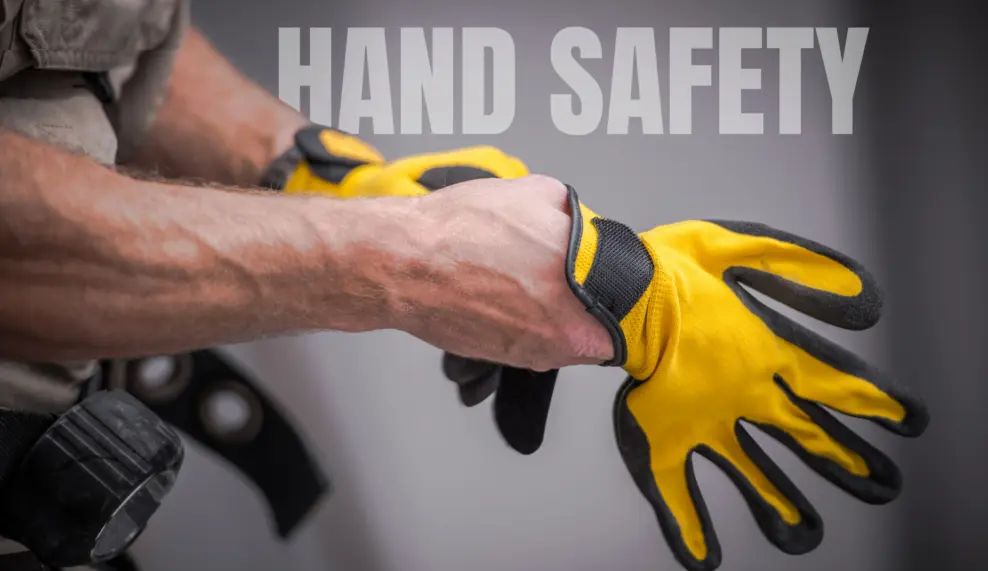
To ensure protection, always wear appropriate personal protective equipment (PPE) such as gloves designed for specific tasks—cut-resistant for handling sharp items, insulated for heat, or chemical-resistant for hazardous substances. Maintain good ergonomics by using tools with ergonomic grips, taking regular breaks to avoid strain, and positioning workstations to minimize awkward hand movements.
Proper training is key; learn safe handling techniques, such as keeping fingers clear of pinch points, using guards on machinery, and never rushing tasks that require precision. Regular maintenance of tools and equipment prevents malfunctions that could cause accidents, and fostering a safety-conscious culture encourages reporting hazards promptly.
By prioritizing hand and finger safety, individuals can reduce the risk of injuries, maintain productivity, and preserve their quality of life for the long term. Always remember: a moment of caution can prevent a lifetime of regret.
Table of Contents
- Part 1: OnlineExamMaker AI Quiz Maker – Make A Free Quiz in Minutes
- Part 2: 20 Hand And Finger Safety Quiz Questions & Answers
- Part 3: AI Question Generator – Automatically Create Questions for Your Next Assessment
Part 1: OnlineExamMaker AI Quiz Maker – Make A Free Quiz in Minutes
Still spend a lot of time in editing questions for your next Hand And Finger Safety assessment? OnlineExamMaker is an AI quiz maker that leverages artificial intelligence to help users create quizzes, tests, and assessments quickly and efficiently. You can start by inputting a topic or specific details into the OnlineExamMaker AI Question Generator, and the AI will generate a set of questions almost instantly. It also offers the option to include answer explanations, which can be short or detailed, helping learners understand their mistakes.
What you may like:
● Automatic grading and insightful reports. Real-time results and interactive feedback for quiz-takers.
● The exams are automatically graded with the results instantly, so that teachers can save time and effort in grading.
● LockDown Browser to restrict browser activity during quizzes to prevent students searching answers on search engines or other software.
● Create certificates with personalized company logo, certificate title, description, date, candidate’s name, marks and signature.
Automatically generate questions using AI
Part 2: 20 Hand And Finger Safety Quiz Questions & Answers
or
1. What is the primary purpose of wearing safety gloves when handling chemicals?
A. To keep hands warm
B. To protect against cuts and punctures
C. To prevent skin contact with hazardous substances
D. To improve grip on tools
Answer: C
Explanation: Safety gloves act as a barrier to prevent chemicals from absorbing into the skin, reducing the risk of burns, irritation, or poisoning.
2. Which of the following is a common hazard that can lead to finger injuries in a workshop?
A. Loud noises
B. Pinch points from machinery
C. Bright lights
D. Slippery floors
Answer: B
Explanation: Pinch points in machinery can trap fingers, causing crushing or amputation injuries if not properly guarded or if hands are placed in unsafe areas.
3. What should you do if you notice a loose guard on a power tool?
A. Continue using the tool carefully
B. Remove the guard for easier access
C. Stop using the tool and report it for repair
D. Increase the tool’s speed to compensate
Answer: C
Explanation: A loose guard increases the risk of hand and finger injuries, so stopping use and reporting it ensures the tool is fixed, maintaining safety standards.
4. Why is it important to keep your hands dry when working with electrical equipment?
A. To prevent rust on tools
B. To reduce the risk of electric shock
C. To improve manual dexterity
D. To avoid staining your clothes
Answer: B
Explanation: Wet hands conduct electricity more easily, increasing the chance of shocks that could cause burns or injuries to hands and fingers.
5. Which personal protective equipment (PPE) is specifically designed to protect hands from heat?
A. Safety goggles
B. Insulated gloves
C. Hard hats
D. Steel-toed boots
Answer: B
Explanation: Insulated gloves provide a barrier against high temperatures, preventing burns and protecting the skin on hands and fingers from thermal hazards.
6. What is the best way to handle a sharp knife to avoid finger cuts?
A. Hold it loosely in one hand
B. Cut away from your body
C. Use it quickly without thinking
D. Keep your fingers on the blade for control
Answer: B
Explanation: Cutting away from your body ensures that if the knife slips, it moves in a safe direction, reducing the risk of accidental cuts to hands or fingers.
7. In a manufacturing setting, what does “lockout/tagout” procedures protect against?
A. Unauthorized entry
B. Unexpected startup of machinery
C. Excessive noise levels
D. Chemical spills
Answer: B
Explanation: Lockout/tagout procedures prevent machines from accidentally activating while workers are performing maintenance, safeguarding hands and fingers from moving parts.
8. Which of the following activities is most likely to cause repetitive strain injury (RSI) to the fingers?
A. Lifting heavy boxes once a day
B. Typing on a keyboard for hours without breaks
C. Walking on uneven surfaces
D. Eating meals at work
Answer: B
Explanation: Prolonged repetitive motions like typing can strain finger tendons and muscles, leading to RSI if breaks and ergonomic adjustments are not taken.
9. What should you do immediately after getting a small cut on your finger at work?
A. Ignore it if it’s not bleeding much
B. Clean the wound and apply a bandage
C. Continue working as normal
D. Apply pressure with a dirty cloth
Answer: B
Explanation: Cleaning and bandaging a cut prevents infection and further injury, promoting quick healing and maintaining hand safety in the workplace.
10. Why should you always use the correct size of tools for a job?
A. To make the job faster
B. To avoid overexertion on fingers and hands
C. To save money on equipment
D. To impress colleagues
Answer: B
Explanation: Using the proper tool size reduces the need for excessive force, preventing strain, slips, or injuries to fingers and hands.
11. What is a key sign that your hands might be exposed to vibration hazards from tools?
A. Feeling overly energetic
B. Numbness or tingling in fingers
C. Increased appetite
D. Better vision
Answer: B
Explanation: Vibration from tools can cause conditions like hand-arm vibration syndrome, where numbness or tingling signals potential nerve damage in fingers.
12. When carrying heavy objects, how should you position your hands to minimize injury risk?
A. With fingers curled inward tightly
B. Using a secure grip and keeping wrists straight
C. Holding with just the fingertips
D. Wrapping hands around the object loosely
Answer: B
Explanation: A secure grip with straight wrists distributes weight evenly, reducing the strain on fingers and preventing slips that could lead to drops or injuries.
13. Which of the following is NOT a recommended practice for hand safety around chemicals?
A. Wearing chemical-resistant gloves
B. Washing hands after exposure
C. Touching your face with contaminated hands
D. Using eye protection
Answer: C
Explanation: Touching your face with contaminated hands can transfer chemicals to sensitive areas, increasing the risk of irritation or absorption, so it should be avoided.
14. What does ergonomic design in tools aim to prevent for hand and finger health?
A. Excessive weight
B. Awkward postures and strains
C. Color fading
D. Tool theft
Answer: B
Explanation: Ergonomic tools are designed to fit the natural shape of the hand, reducing awkward postures that can lead to strains, fatigue, or injuries in fingers.
15. If a machine’s emergency stop button is pressed, what should you do regarding your hands?
A. Quickly reach in to fix the issue
B. Wait for the machine to be safely locked out
C. Turn the machine back on immediately
D. Ignore it and continue working
Answer: B
Explanation: Waiting for the machine to be locked out ensures it’s safe from unexpected movement, protecting hands and fingers from potential hazards.
16. Why is regular hand washing important in environments with biological hazards?
A. To keep hands soft
B. To remove pathogens that could cause infections
C. To save water
D. To reduce paperwork
Answer: B
Explanation: Hand washing removes bacteria, viruses, and other contaminants, preventing infections that could affect hands and fingers in hazardous settings.
17. What is the main risk of not using a tool’s handle as intended?
A. The tool might break easily
B. Fingers could slip and get caught
C. The workspace will become cluttered
D. Colors might fade faster
Answer: B
Explanation: Improper use of handles can lead to slips, causing fingers to be exposed to moving parts or sharp edges, resulting in injuries.
18. In first aid, how should you treat a finger that has been smashed by a heavy object?
A. Apply ice and elevate it
B. Ignore it until the end of the shift
C. Wrap it tightly without checking
D. Rub it to improve circulation
Answer: A
Explanation: Applying ice reduces swelling and pain, while elevation minimizes further damage, helping to prevent complications in smashed fingers.
19. What should you check before using a ladder to ensure hand safety?
A. If the ladder is the right color
B. If the rungs are secure and not slippery
C. If the ladder is lightweight
D. If it’s stored properly
Answer: B
Explanation: Secure, non-slippery rungs prevent slips that could cause hands and fingers to be injured during climbing or descending.
20. Why is training essential for hand and finger safety in the workplace?
A. To meet legal requirements
B. To recognize and avoid hazards effectively
C. To speed up work processes
D. To socialize with coworkers
Answer: B
Explanation: Proper training helps workers identify potential risks, such as sharp objects or machinery, enabling them to take preventive measures to protect their hands and fingers.
or
Part 3: AI Question Generator – Automatically Create Questions for Your Next Assessment
Automatically generate questions using AI