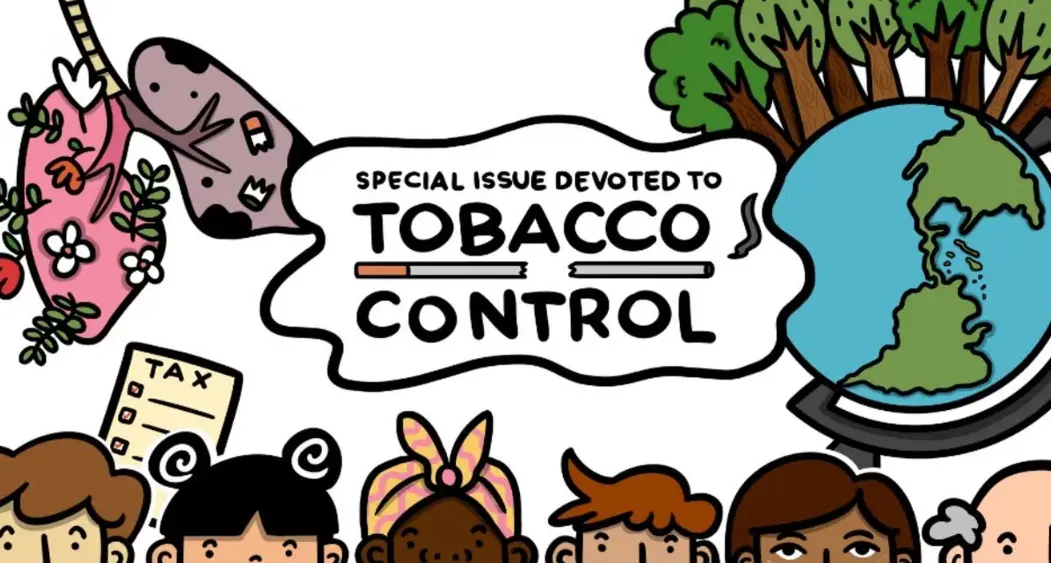
Tobacco control refers to a comprehensive set of strategies and policies designed to reduce the use of tobacco products and minimize their harmful effects on public health. It includes measures such as imposing higher taxes on cigarettes, enforcing smoke-free laws in public spaces, launching educational campaigns to raise awareness about the risks of smoking, and providing support programs for cessation. By targeting prevention, protection, and treatment, tobacco control aims to decrease tobacco-related illnesses like cancer, heart disease, and chronic respiratory conditions, ultimately saving lives and reducing healthcare burdens worldwide.
Table of Contents
- Part 1: OnlineExamMaker AI Quiz Generator – Save Time and Efforts
- Part 2: 20 Tobacco Control Quiz Questions & Answers
- Part 3: Try OnlineExamMaker AI Question Generator to Create Quiz Questions
Part 1: OnlineExamMaker AI Quiz Generator – Save Time and Efforts
Still spend a lot of time in editing questions for your next Tobacco Control assessment? OnlineExamMaker is an AI quiz maker that leverages artificial intelligence to help users create quizzes, tests, and assessments quickly and efficiently. You can start by inputting a topic or specific details into the OnlineExamMaker AI Question Generator, and the AI will generate a set of questions almost instantly. It also offers the option to include answer explanations, which can be short or detailed, helping learners understand their mistakes.
What you may like:
● Automatic grading and insightful reports. Real-time results and interactive feedback for quiz-takers.
● The exams are automatically graded with the results instantly, so that teachers can save time and effort in grading.
● LockDown Browser to restrict browser activity during quizzes to prevent students searching answers on search engines or other software.
● OnlineExamMaker API offers private access for developers to extract your exam data back into your system automatically.
Automatically generate questions using AI
Part 2: 20 Tobacco Control Quiz Questions & Answers
or
1. Question: What is the primary cause of tobacco-related deaths worldwide?
A) Alcohol consumption
B) Physical inactivity
C) Tobacco use
D) Poor diet
Correct Answer: C
Explanation: Tobacco use is the leading cause of preventable deaths globally, responsible for over 8 million deaths annually, as it directly leads to diseases like cancer and heart disease.
2. Question: Which organization developed the Framework Convention on Tobacco Control (FCTC)?
A) World Health Organization (WHO)
B) Centers for Disease Control and Prevention (CDC)
C) World Bank
D) United Nations Environment Programme
Correct Answer: A
Explanation: The WHO FCTC is a global treaty aimed at reducing tobacco use through measures like taxation and advertising bans, adopted in 2003 to address the tobacco epidemic.
3. Question: What is the main goal of tobacco taxation policies?
A) To increase government revenue
B) To discourage tobacco consumption
C) To promote tobacco farming
D) To regulate tobacco imports
Correct Answer: B
Explanation: Higher taxes on tobacco products make them less affordable, which reduces consumption and helps prevent initiation, especially among youth.
4. Question: Which of the following is a key component of the MPOWER package by WHO?
A) Monitor tobacco use and prevention policies
B) Mandate vaccination programs
C) Market new tobacco products
D) Measure economic growth
Correct Answer: A
Explanation: MPOWER includes strategies like monitoring tobacco use to track progress and implement effective control measures worldwide.
5. Question: How does secondhand smoke primarily affect non-smokers?
A) It improves lung function
B) It increases the risk of respiratory diseases
C) It has no significant health effects
D) It only affects children
Correct Answer: B
Explanation: Secondhand smoke exposes non-smokers to harmful chemicals, increasing risks of lung cancer, heart disease, and asthma, affecting people of all ages.
6. Question: What percentage of the world’s population is protected by comprehensive smoke-free laws?
A) 10%
B) 25%
C) 50%
D) 16%
Correct Answer: D
Explanation: According to WHO data, only about 16% of the global population is covered by comprehensive smoke-free policies, highlighting the need for broader implementation.
7. Question: Which tobacco control strategy involves graphic warning labels on cigarette packs?
A) Advertising bans
B) Package labeling requirements
C) Taxation increases
D) Smoking cessation programs
Correct Answer: B
Explanation: Graphic warnings on packages educate consumers about health risks, deterring use by making the dangers more visible and immediate.
8. Question: What is the recommended age to start tobacco prevention education in schools?
A) 18 years
B) 10 years
C) As early as possible, ideally before age 10
D) Only for adults
Correct Answer: C
Explanation: Prevention education should begin early, before age 10, to counter peer pressure and curiosity that often leads to tobacco initiation in adolescence.
9. Question: Which chemical in tobacco smoke is a known carcinogen?
A) Nicotine
B) Benzene
C) Caffeine
D) Vitamin C
Correct Answer: B
Explanation: Benzene is a toxic carcinogen in tobacco smoke that damages DNA and increases the risk of leukemia and other cancers in users.
10. Question: What does the term “tobacco harm reduction” refer to?
A) Encouraging more tobacco use
B) Switching to less harmful alternatives under supervision
C) Banning all tobacco products
D) Increasing tobacco production
Correct Answer: B
Explanation: Harm reduction strategies promote safer alternatives, like nicotine replacement therapy, to help users quit while minimizing health risks.
11. Question: How many countries have ratified the WHO FCTC?
A) Over 180
B) 50
C) 100
D) 20
Correct Answer: A
Explanation: More than 180 countries have ratified the FCTC, making it one of the most widely embraced treaties for global health.
12. Question: What is the most effective way to help smokers quit?
A) Cold turkey without support
B) Combining counseling with medication
C) Increasing social smoking
D) Switching to e-cigarettes without guidance
Correct Answer: B
Explanation: Evidence shows that combining behavioral counseling with FDA-approved medications like varenicline significantly improves quit rates.
13. Question: Which group is most vulnerable to starting tobacco use?
A) Elderly adults
B) Adolescents
C) Middle-aged professionals
D) Infants
Correct Answer: B
Explanation: Adolescents are highly susceptible due to factors like peer influence, advertising, and brain development, making early intervention crucial.
14. Question: What is the economic impact of tobacco use on healthcare systems?
A) It reduces healthcare costs
B) It increases costs due to treating related diseases
C) It has no effect
D) It only affects low-income countries
Correct Answer: B
Explanation: Tobacco-related illnesses impose a massive economic burden, costing trillions annually in healthcare and lost productivity worldwide.
15. Question: Which policy bans tobacco advertising, promotion, and sponsorship?
A) Taxation policies
B) Smoke-free laws
C) Advertising restrictions
D) Cessation programs
Correct Answer: C
Explanation: Restrictions on advertising limit exposure, especially to youth, reducing the glamorization and initiation of tobacco use.
16. Question: What role do mass media campaigns play in tobacco control?
A) They promote tobacco brands
B) They raise awareness of health risks and encourage quitting
C) They are ineffective
D) They focus on economic benefits
Correct Answer: B
Explanation: Campaigns use media to educate the public, change social norms, and motivate smokers to quit, proven effective in reducing prevalence.
17. Question: How does nicotine affect the brain?
A) It improves memory and focus
B) It creates addiction by releasing dopamine
C) It has no neurological effects
D) It reduces stress levels permanently
Correct Answer: B
Explanation: Nicotine stimulates dopamine release, leading to addiction and making it difficult for users to quit without support.
18. Question: What is the global target for reducing tobacco use by 2025, as per WHO?
A) A 30% relative reduction in use among persons over 15
B) Complete elimination
C) A 10% increase
D) No specific target
Correct Answer: A
Explanation: WHO aims for a 30% reduction from 2010 levels by 2025 to curb the epidemic and save lives through sustained control efforts.
19. Question: Which tobacco product is often marketed as a “safer” alternative but still poses health risks?
A) Chewing gum
B) E-cigarettes
C) Water bottles
D) Fruits
Correct Answer: B
Explanation: E-cigarettes contain nicotine and other harmful substances, and while less harmful than traditional cigarettes, they can lead to addiction and health issues.
20. Question: What is the primary benefit of community-based tobacco cessation programs?
A) They generate profit
B) They provide support and resources for quitting in a group setting
C) They encourage continued use
D) They focus on individual isolation
Correct Answer: B
Explanation: These programs offer peer support, education, and tools, increasing success rates by addressing both personal and social factors in quitting.
or
Part 3: Try OnlineExamMaker AI Question Generator to Create Quiz Questions
Automatically generate questions using AI