keeping up with workplace safety regulations, training trends, and incident case studies can feel like drinking from a fire hose. One week it’s a new OSHA enforcement action. The next, there’s fresh data on slip-and-fall injuries. And somewhere in between, you’re supposed to build engaging training modules that actually stick.
That’s where a well-curated reading list changes everything. The right blogs don’t just inform you — they hand you ready-made talking points, real-world examples, and regulatory insights you can walk straight into your next training session. Whether you’re a seasoned EHS professional, an HR manager building a safety culture, or a manufacturing trainer trying to make compliance feel less like punishment, the blogs below are worth bookmarking today.
Here are the top 7 blogs every workplace safety trainer should follow in 2026, how they were chosen, and exactly how to use them in your daily practice.
- How These 7 Blogs Were Chosen
- Blog #1 – National Safety Council (NSC) Blog
- Blog #2 – SafetyAtWorkBlog
- Blog #3 – Workplace Safety and Environmental Law Alert Blog (Seyfarth Shaw)
- Blog #4 – EHS Insight Blog
- Blog #5 – ComplianceSigns Workplace Safety Blog
- Blog #6 – Northwest Safety & Risk Services Blog
- Blog #7 – Safels.com
- How to Use These Blogs Strategically
- Bonus: Use OnlineExamMaker to Turn Blog Learning Into Safety Assessments
How These 7 Blogs Were Chosen
Not every safety blog is created equal. Some are thinly veiled product pitches. Others go quiet for months, then reappear with a generic “Top 10 Tips” post that adds nothing new. The seven blogs on this list were selected based on five clear criteria:
| Criterion | What It Means |
|---|---|
| Quality of Content | Accurate, well-researched, and actionable posts |
| Practical Relevance | Directly usable in training design and delivery |
| Update Frequency | Consistently published with current topics |
| Regulatory Insight | Covers OSHA, ANSI, and enforcement trends |
| Clarity of Communication | Easy to read and share with learners or supervisors |
The list balances regulatory and technical blogs with more practical, trainer-focused resources. Think of it as a mini content ecosystem — each blog covers a different slice of the safety world, so together, they give you comprehensive coverage without redundancy.
Pro tip: Use an RSS reader like Feedly or Inoreader to pull all seven into one dashboard. You’ll spend 20 minutes a morning and leave with ideas for your next three training sessions.
Blog #1 – National Safety Council (NSC) Blog
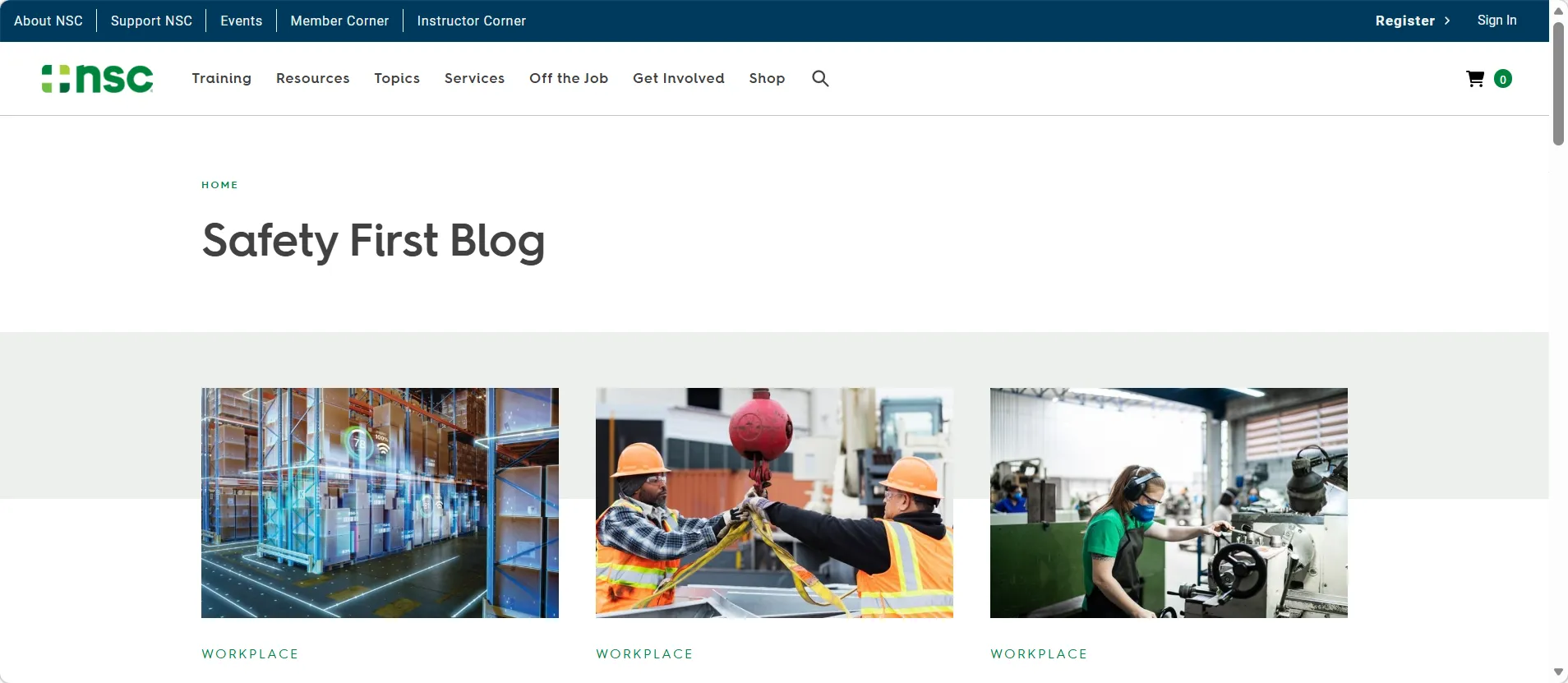
If workplace safety had a hall of fame, the National Safety Council would be in it. As one of the oldest and most respected safety organizations in the U.S., their blog delivers injury trend data, campaign spotlights, and evidence-based guidance that you simply can’t get from a quick Google search.
Why trainers love it: The NSC runs national campaigns around high-priority hazards — think ergonomics, distracted driving, and slips/trips/falls. Those campaigns are practically ready-made training themes. Pull the data, use the framing, and you’ve got a compelling monthly focus area without starting from scratch.
How to use it in training:
- Open safety meetings with NSC statistics to grab attention and establish urgency.
- Build monthly training themes around NSC campaign focus areas.
- Use their injury cost calculators and infographics as visual aids during sessions.
Blog #2 – SafetyAtWorkBlog
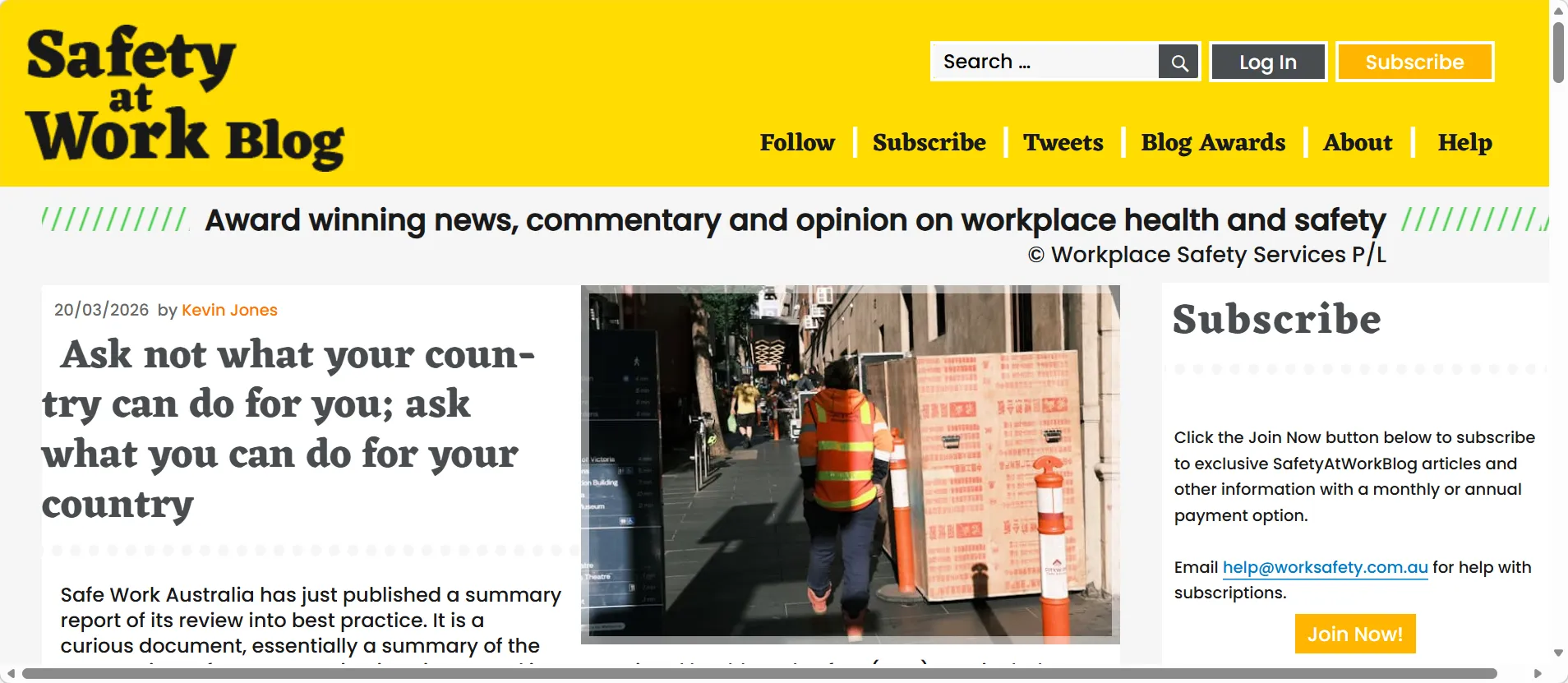
This one is different from the rest — and that’s exactly why it belongs on the list. SafetyAtWorkBlog is an independent, commentary-driven resource that doesn’t pull punches. It digs into the messy, complicated side of safety: culture failures, leadership gaps, policy debates, and incident analyses that ask uncomfortable questions.
Why trainers should follow it: When you’re trying to elevate a training program from “check-the-box compliance” to genuine behavioral change, you need content that challenges assumptions. This blog does that.
How to use it in training:
- Use opinion pieces as debate starters in advanced or leadership-level safety sessions.
- Illustrate how culture, communication, and management decisions — not just worker behavior — drive outcomes.
- Pair an article with a real incident report for a rich case-study discussion.
Blog #3 – Workplace Safety and Environmental Law Alert Blog (Seyfarth Shaw)
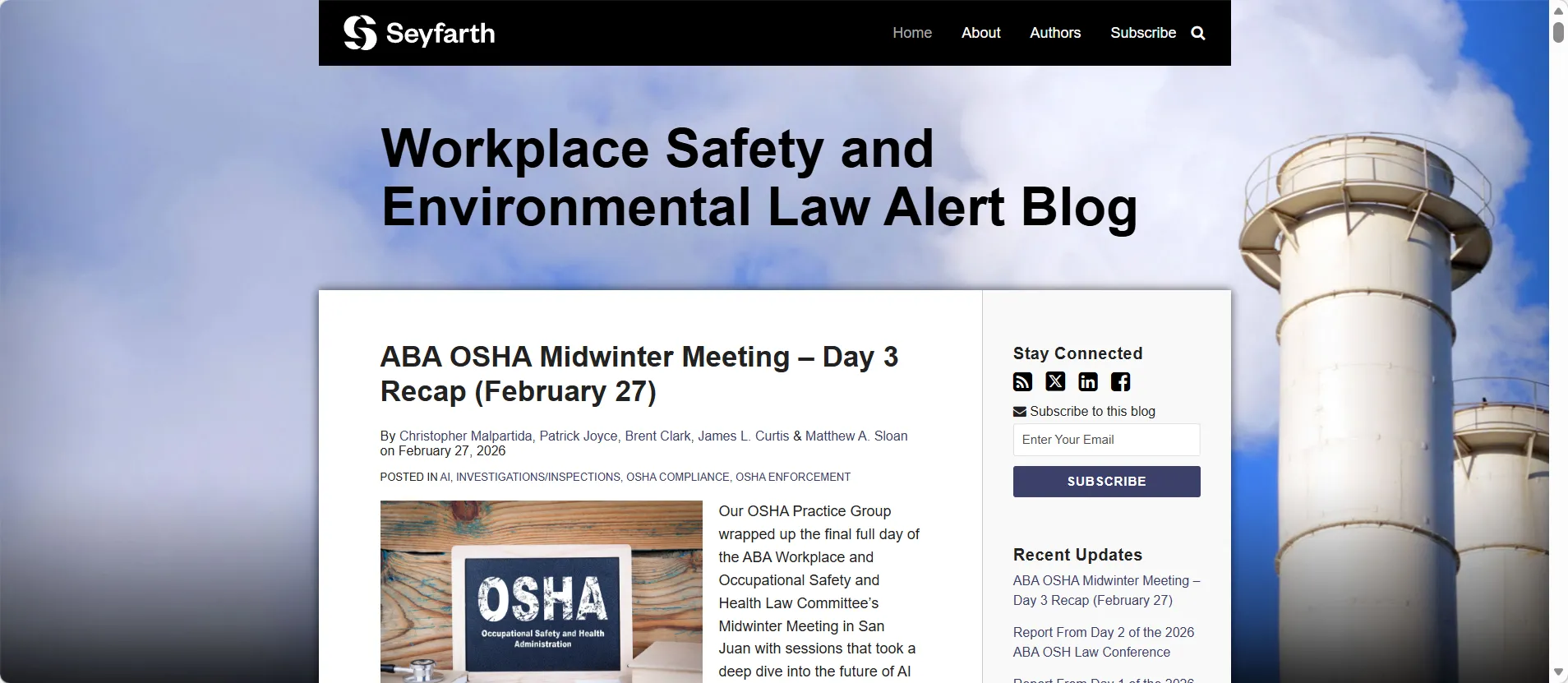
Here’s a question trainers often struggle with: Why does this rule exist? Workers who understand the “why” behind a regulation are far more likely to follow it — and far better equipped to apply it when situations don’t match the textbook. The Seyfarth Shaw law firm blog is your answer.
It covers OSHA enforcement actions, new regulatory developments, and legal cases involving workplace safety — written by attorneys who know the material cold.
How to use it in training:
- Integrate recent OSHA citations and penalties into compliance modules to make consequences feel real.
- Use case summaries to explain the legal reasoning behind specific standards.
- Help supervisors and safety committee members understand their liability exposure.
Blog #4 – EHS Insight Blog

Systems thinking is one of the most underrated skills in safety training. It’s not enough to teach workers to wear their PPE — they need to understand risk assessments, corrective action processes, and how metrics connect to outcomes. The EHS Insight Blog, run by an EHS software provider, does an excellent job covering exactly that territory.
Why trainers should follow it: This blog is strong on frameworks — incident investigation methods, audit processes, safety culture models. If you’re designing training for safety professionals, supervisors, or anyone managing a safety program, this content is gold.
How to use it in training:
- Design exercises around incident investigation and root-cause analysis using their methodology posts.
- Adapt their checklists and frameworks directly into handouts or job aids.
- Use their content to teach safety metrics: what to measure, why it matters, and how to act on data.
Blog #5 – ComplianceSigns Workplace Safety Blog
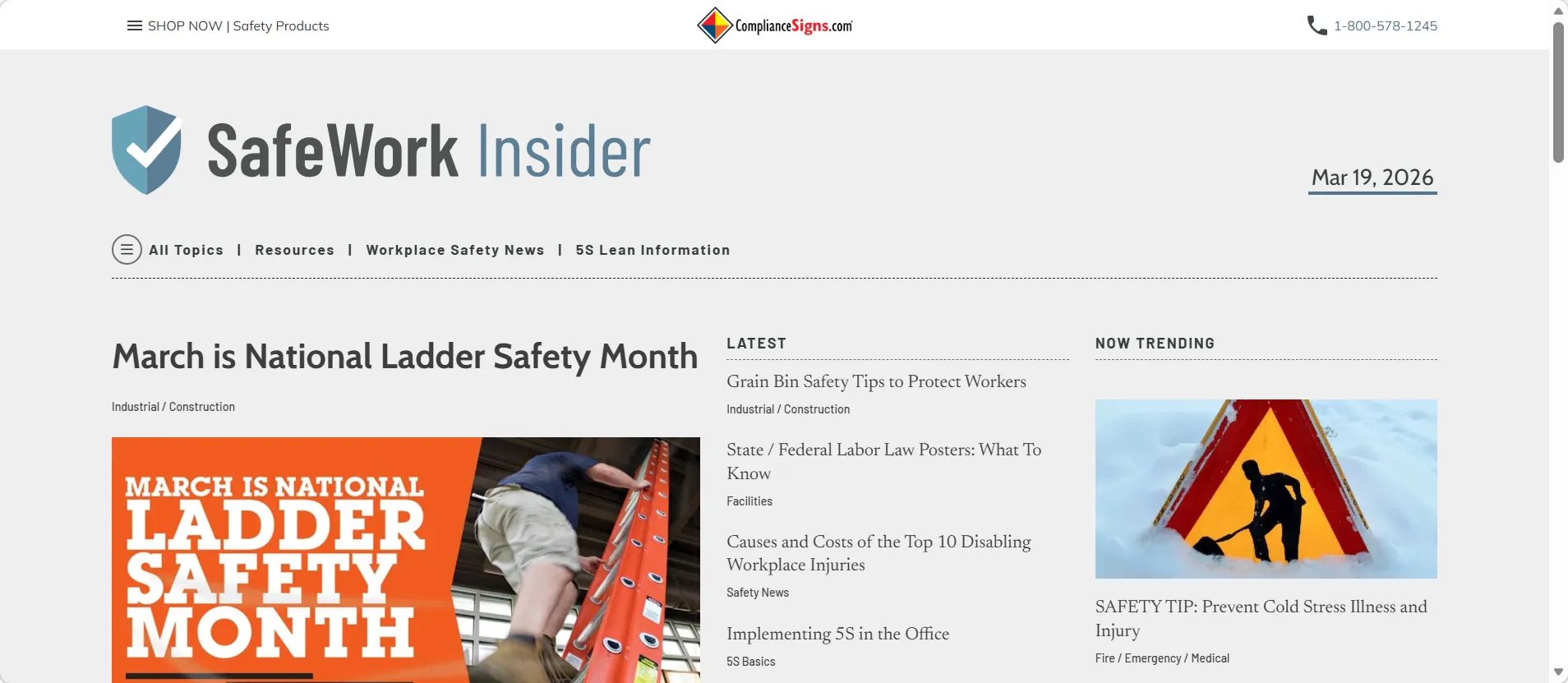
Never underestimate the power of a well-placed sign. Hazard communication is a foundational piece of any safety program, and the ComplianceSigns blog covers it better than almost anyone else. As a major supplier of OSHA- and ANSI-compliant safety signs and labels, they bring deep technical knowledge to a topic most trainers only skim.
Why it’s valuable: Their posts are practical, visual, and specific — perfect for front-line training where workers need clear, memorable takeaways rather than pages of regulatory text.
How to use it in training:
- Build hands-on activities where learners evaluate or redesign workplace safety signs.
- Use their technical posts to clarify GHS labeling requirements and common mistakes in hazard communication.
- Create pre-shift quizzes based on signage and label identification.
Blog #6 – Northwest Safety & Risk Services Blog
Sometimes you need content written by people who are actually out in the field — not just behind a desk. The Northwest Safety & Risk Services Blog comes from a team that works on real OSHA compliance projects, safety audits, and training program implementations across industrial and construction environments.
Why trainers should follow it: The content is grounded in practical experience. Less theory, more “here’s what we saw on a job site last week.”
How to use it in training:
- Use their scenario-style articles as templates for situation-based training exercises.
- Pull “lessons learned” narratives to reinforce hazard identification and hierarchy of controls.
- Adapt their content for construction, industrial, and field-based learners who respond better to real examples than abstract principles.
Blog #7 – Safels.com
Not every training moment is a 90-minute classroom session. Sometimes you have five minutes at the start of a shift. That’s where Safels.com shines. This blog is dedicated to daily, bite-sized workplace safety content — PPE guides, safety checklists, practical tips, product reviews, and even safety slogans that actually stick.
Why it’s ideal for trainers: Microlearning is one of the fastest-growing trends in workplace training, and this blog practically hands you pre-built microlearning content. Think of it as the snack rack of safety education — always useful, never overwhelming.
How to use it in training:
- Use their checklists as pre-job briefs or quick-reference handouts.
- Incorporate safety slogans into interactive quizzes, poster campaigns, or team competitions.
- Turn their tip-style posts into daily safety reminders delivered via email or messaging apps.
How to Use These Blogs Strategically
Reading great content is one thing. Turning it into better training is another. Here’s a simple system that makes these seven blogs work harder for you:
- Build a content pipeline: Assign one blog as your primary source per quarter. Deep-dive into it, then rotate. By year’s end, you’ll have pulled insights from all seven without feeling scattered.
- Repurpose ethically: Summarize and cite, don’t copy. Turn a blog post into a training scenario, a slide, or a discussion prompt — add your own context and expertise.
- Share with learners: Recommend 1–2 of the more accessible blogs (Safels.com, NSC) to supervisors and safety committee members. When learners read the same sources you do, training conversations get richer.
Bonus: Use OnlineExamMaker to Turn Blog Learning Into Safety Assessments
Reading is great. Testing comprehension? That’s where real learning gets locked in. Once you’ve gathered insights from these seven blogs, OnlineExamMaker gives you a fast, flexible way to convert that content into professional workplace safety assessments — no technical skills required.
OnlineExamMaker is an online assessment creation platform built for trainers, HR managers, and educators who need to build, deliver, and grade exams efficiently. It’s especially powerful for workplace safety training, where demonstrating knowledge retention isn’t just good practice — it’s often a compliance requirement.
Here’s how the platform’s key assessment features support safety training specifically:
- AI Question Generator: Paste in text from a blog post or safety regulation, and the AI builds a bank of quiz questions automatically. Turn an OSHA enforcement article from the Seyfarth Shaw blog into a 10-question compliance quiz in minutes.
- Automatic Grading: Eliminate manual scoring. Learners get instant results, and trainers get clean performance data showing who passed, who needs remediation, and where knowledge gaps cluster.
- AI Webcam Proctoring: For high-stakes safety certifications or compliance assessments, built-in proctoring ensures exam integrity — especially valuable for remote or distributed workforces.
Imagine this workflow: You read a strong NSC post on ergonomics risks this Monday morning. By Tuesday, you’ve used OnlineExamMaker‘s AI Question Generator to build a 15-question pre-training assessment on the topic, assigned it to your team, and already have a report showing who needs the most attention in your upcoming session. That’s not futuristic — that’s what trainers are doing right now.
Create Your Next Quiz/Exam Using AI in OnlineExamMaker
Final Thoughts
The best workplace safety trainers aren’t just good in front of a room — they’re relentless learners outside of it. These seven blogs give you a steady stream of regulatory updates, real-world case studies, practical frameworks, and bite-sized content you can adapt, remix, and deliver with confidence.
Start small: pick two blogs to follow weekly and one to use as your primary source for your next training module. Once the habit is in place, you’ll wonder how you ever built a training calendar without it.
And when it’s time to measure whether your learners actually absorbed what you taught them? That’s what OnlineExamMaker is for. Read, learn, assess, repeat.