Hiring has never been simple. But now, with AI scanning resumes, scoring video interviews, and even predicting cultural fit, the stakes are higher than ever. The promise? Faster, more objective decisions. The risk? Baking old biases into shiny new algorithms — at scale.
For HR managers, trainers, and enterprise teams, understanding fair hiring isn’t just a compliance checkbox. It’s the foundation of a workforce that actually reflects the world. So let’s break it down — what it means, where AI fits in, and how tools like OnlineExamMaker can help you get it right.
- What Is Fair Hiring?
- AI’s Role in Modern Hiring — and Its Hidden Risks
- Key Regulations Shaping AI Hiring Today
- Strategies for Ensuring Fair Hiring in the AI Age
- How OnlineExamMaker Supports Fair, Skills-Based Hiring
- Best Practices at a Glance
- The Road Ahead
What Is Fair Hiring?
At its core, fair hiring means every candidate gets a shot based on what they can do — not who they are, what they look like, or where they’re from. According to the Oxford Review, fair hiring involves recruitment policies that actively minimize bias related to race, gender, age, disability, and other protected characteristics.
The key elements of fair hiring include:
- Transparent job postings with clear, skills-based criteria
- Standardized evaluations applied consistently to every candidate
- Inclusive sourcing that reaches underrepresented talent pools
- Blind screening to reduce unconscious bias in early review stages
- Diverse interview panels that bring varied perspectives to decisions
Fair hiring also extends to legal compliance. “Ban the box” laws, for instance, delay criminal background checks until after a conditional offer is made — giving candidates a fair chance to be evaluated on merit first. The Fair Chance Act and EEOC guidelines provide additional guardrails that responsible employers follow.
Think of fair hiring not as a restriction on who you can choose, but as a commitment to choosing for the right reasons.
AI’s Role in Modern Hiring — and Its Hidden Risks
AI hiring tools have become mainstream fast. Resume screeners, automated video interview analyzers, predictive fit scores — these technologies promise objectivity and scalability. And in some ways, they deliver. An algorithm doesn’t get tired on the 200th resume. It doesn’t favor candidates who went to its alma mater.
But here’s the catch: AI learns from historical data. And if your past hiring was biased — consciously or not — your AI will replicate that bias, quietly, at scale.
As Harvard Business Review reports, algorithms may systematically favor candidates who resemble past successful hires, effectively locking out underrepresented groups who bring equal or superior qualifications. The problem isn’t always intentional — it’s structural.
Consider a real-world scenario: a manufacturing company uses an AI screener trained on 10 years of hiring data. Those 10 years had overwhelmingly male hires in technical roles. The AI, having “learned” what a successful candidate looks like, quietly deprioritizes female applicants — even when their credentials are identical. No one programmed it to discriminate. It just… learned to.
This is why fair hiring in the AI age isn’t just about good intentions. It requires active oversight.
Key Regulations Shaping AI Hiring Today
Lawmakers are catching up. Here’s a quick look at the major rules employers need to know:
| Regulation | Location | Key Requirement |
|---|---|---|
| NYC Local Law 144 | New York City, USA | Mandatory annual bias audits for AI hiring tools; results must be publicly posted |
| California AI Bias Rules (2025) | California, USA | Employers must audit AI tools for disparate impact; candidates must be notified when AI is used |
| EU AI Act | European Union | Classifies hiring AI as “high-risk”; requires transparency, human oversight, and documentation |
| Fair Chance Act | Federal (USA) | Delays background checks to post-offer stage for federal contractors |
The trend is clear: regulators want accountability at the vendor level, not just employer goodwill. As The Hill notes, regulating AI vendors directly — rather than placing the burden solely on employers — may be the most effective path forward.
Strategies for Ensuring Fair Hiring in the AI Age
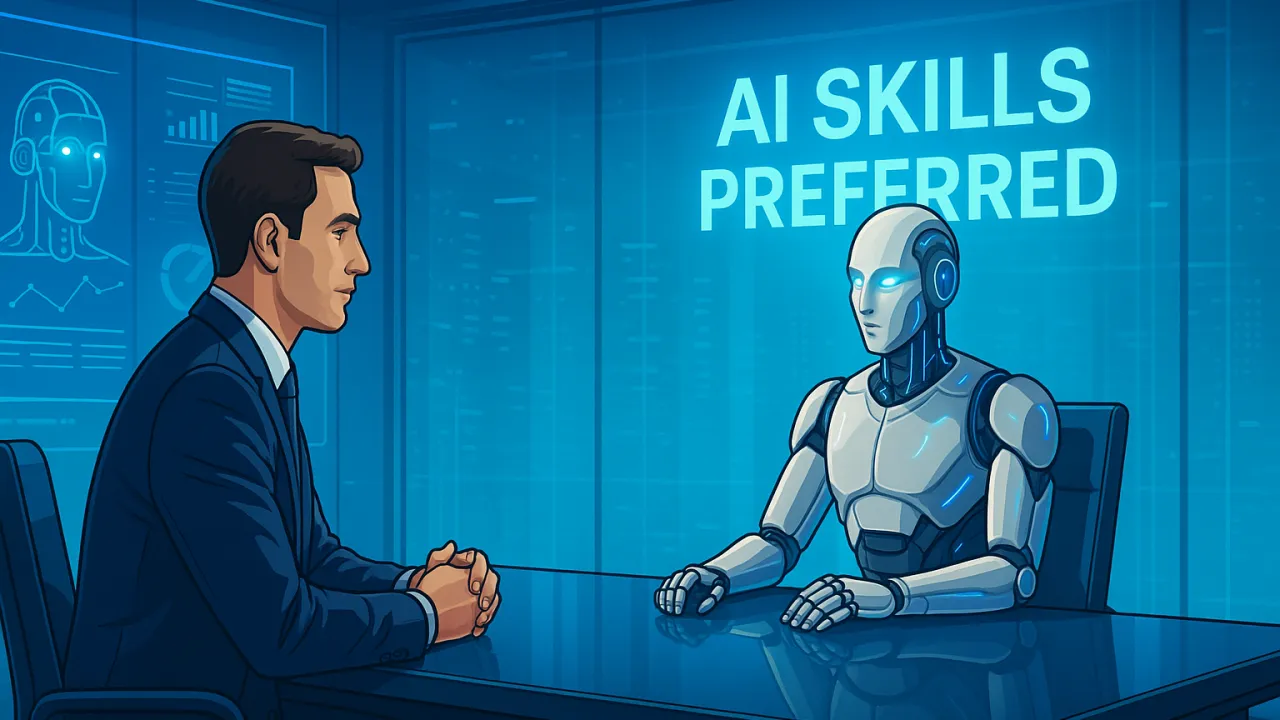
Knowing the risks is one thing. Acting on them is another. Here are proven strategies HR managers and enterprise teams can implement today:
1. Audit Before You Deploy
Before rolling out any AI hiring tool, demand a bias audit. Ask vendors: What data was this trained on? How was fairness defined? What disparate impact testing was done? If a vendor can’t answer clearly, that’s your answer.
2. Keep Humans in the Loop
AI should narrow the field, not make the final call. Structured human review — especially at interview and offer stages — ensures that nuance, context, and empathy don’t get filtered out. Combine AI’s consistency with human judgment.
3. Use Structured Interviews
Structured interviews, where every candidate answers the same questions scored on the same rubric, dramatically reduce interviewer bias. The Equitas model is a well-regarded example of how structured processes create fairer outcomes.
4. Diversify Training Data
If you’re building or customizing AI tools, ensure your training datasets include diverse hire profiles — not just historical successes that may reflect past biases. Representation in the data leads to representation in outcomes.
5. Be Transparent with Candidates
Candidates deserve to know when AI is evaluating them. Transparency builds trust — and in many jurisdictions, it’s now legally required. Clear disclosure is both ethical and smart.
How OnlineExamMaker Supports Fair, Skills-Based Hiring
One of the most powerful shifts in fair hiring is moving from credential-based screening to skills-based assessment. Instead of filtering by where someone went to school or who they’ve worked for, you test what they can actually do.
This is where OnlineExamMaker makes a real difference. It’s an AI-powered exam and assessment platform used by HR teams, educators, and enterprise trainers to build rigorous, objective, and scalable skills evaluations.
Here’s how OnlineExamMaker directly supports fair hiring practices:
Build Role-Specific Assessments Instantly
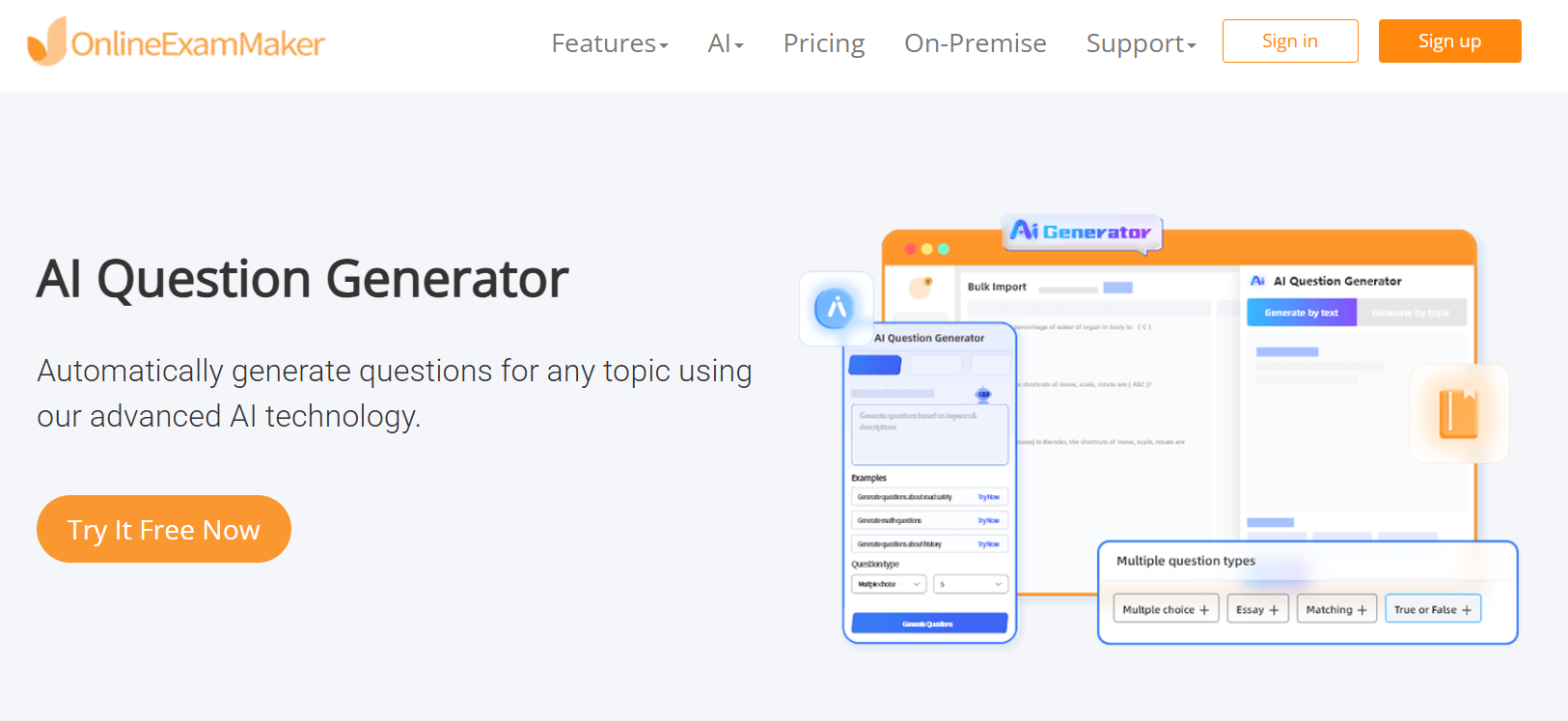
With OnlineExamMaker’s AI Question Generator, HR teams can quickly create customized assessments tailored to the exact skills a role demands — whether that’s technical problem-solving for an engineering position or situational judgment for a customer-facing role. No more relying on generic aptitude tests that may carry their own cultural biases.
Grade at Scale Without Subjectivity
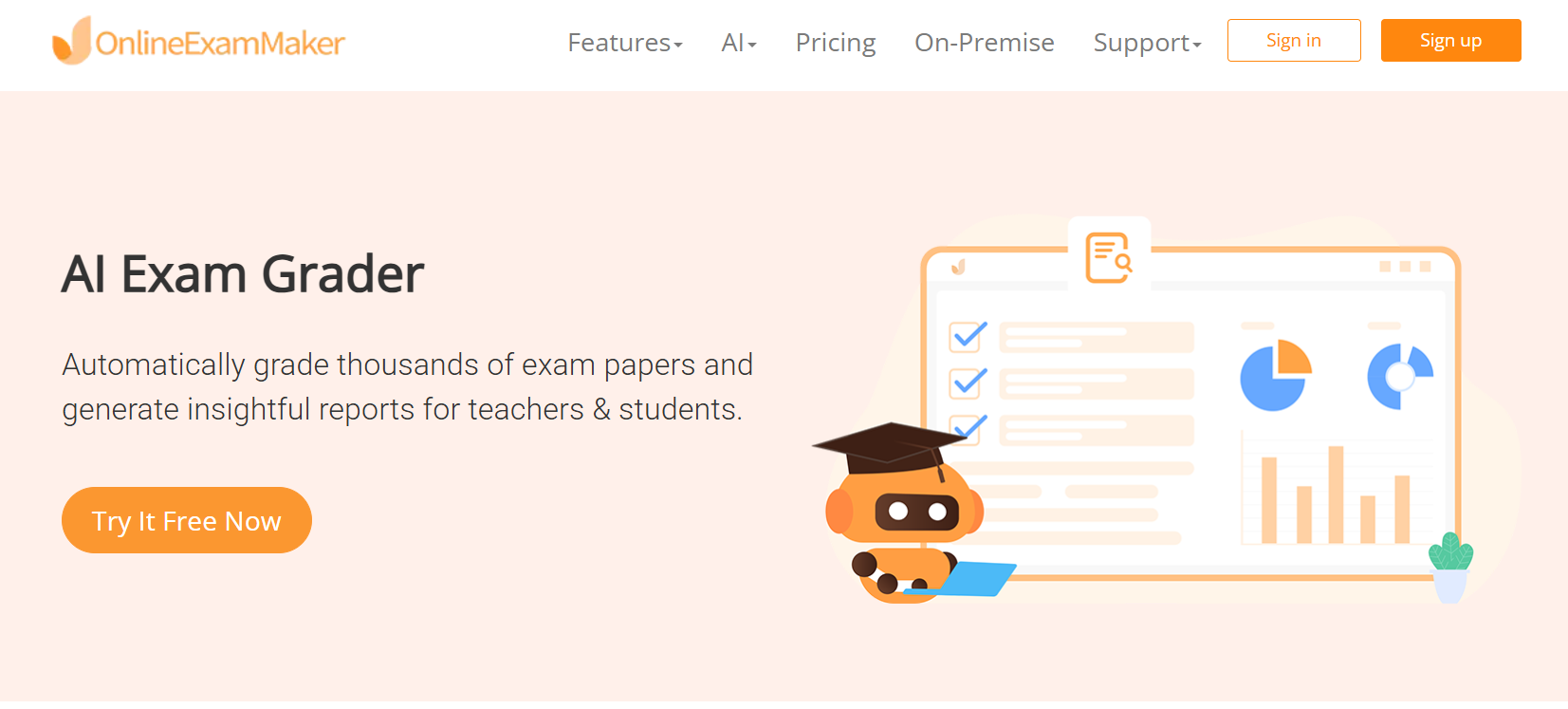
Human graders bring inconsistency — the same answer can score differently depending on who’s reviewing it and when. OnlineExamMaker’s Automatic Grading system applies identical scoring criteria to every submission, removing the variability that often disadvantages certain candidate groups. Every candidate is measured by the same standard. Full stop.
Ensure Assessment Integrity
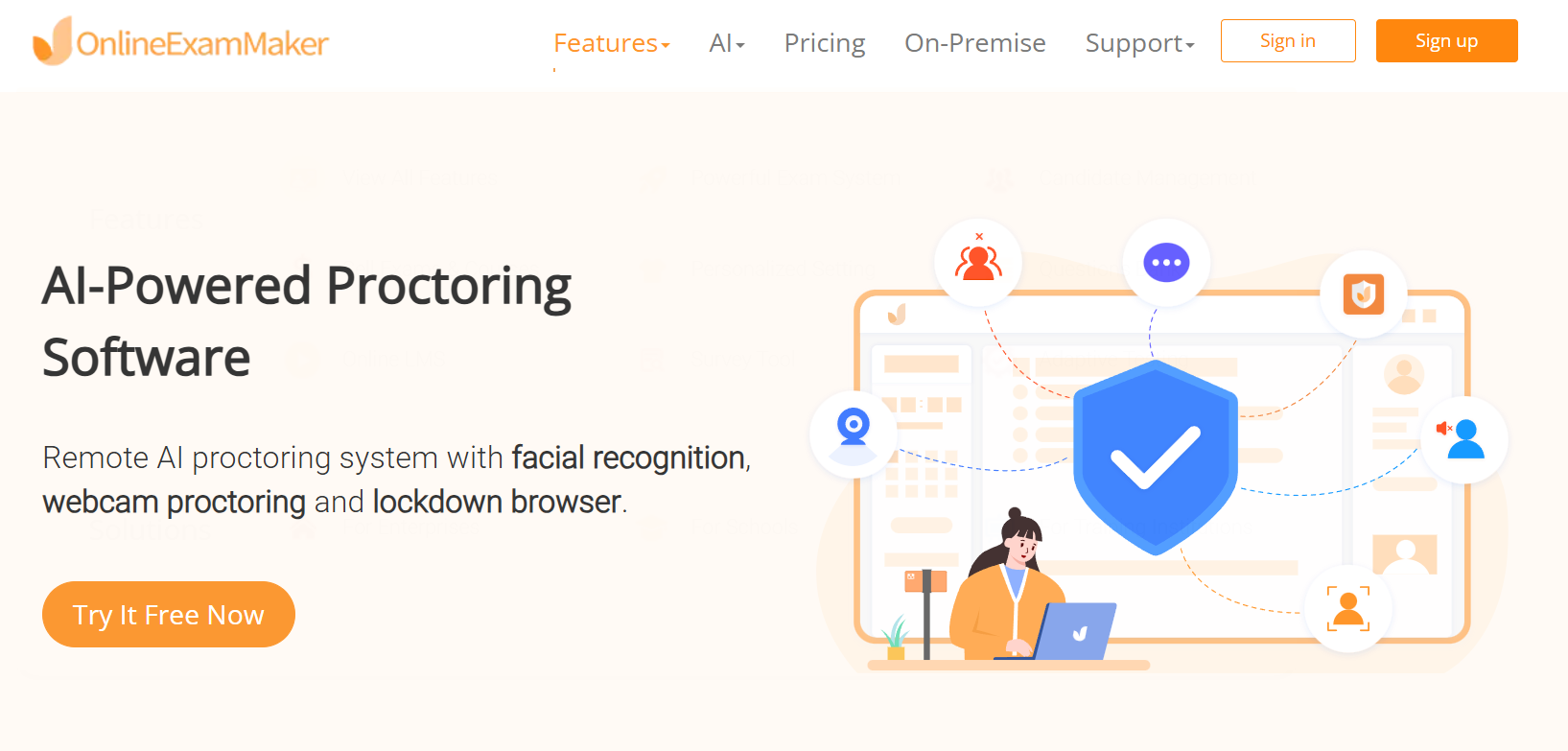
Skills tests only work if candidates are taking them fairly. OnlineExamMaker’s AI Webcam Proctoring monitors assessments in real time, ensuring every candidate completes the test under the same conditions. This levels the playing field and protects the integrity of your hiring data.
For manufacturing enterprises running high-volume hiring, this combination is particularly powerful. Imagine screening 500 applicants for 20 technical roles — with consistent, objective, skills-based scores for every single one. That’s fair hiring at scale.
Create Your Next Quiz/Exam Using AI in OnlineExamMaker
Best Practices at a Glance
Here’s a quick reference for HR managers and trainers looking to implement fair hiring right now:
| Practice | Why It Matters | Tool/Resource |
|---|---|---|
| Skills-based assessments | Focuses on ability, not background or connections | AI Question Generator |
| Standardized scoring | Eliminates grader inconsistency and unconscious bias | Automatic Grading |
| Proctored online tests | Ensures equal conditions for all candidates | AI Webcam Proctoring |
| Blind resume review | Removes name/photo/school bias from early screening | HR policy + ATS settings |
| Structured interviews | Consistent questions and rubrics across all candidates | Equitas model |
| AI bias audits | Identifies and corrects discriminatory patterns pre-deployment | California AI Bias Framework |
| Candidate transparency | Builds trust and satisfies emerging legal requirements | NYC Law 144 compliance |
The Road Ahead
The good news? Fair hiring and efficient hiring are not opposites. The best AI-powered processes — designed thoughtfully, audited regularly, and paired with human judgment — can genuinely reduce bias compared to traditional methods.
But that only happens when employers are intentional. When they demand accountability from vendors. When they build assessments around what candidates can do, not who they appear to be on paper.
As regulations like California’s 2025 AI bias rules and NYC’s Local Law 144 continue to set new standards, organizations that have already built fair, transparent hiring pipelines will be ahead — not scrambling to catch up.
Start with the basics: clear criteria, consistent evaluation, and skills-based assessments. Tools like OnlineExamMaker make that easier than ever — with AI that works for fairness, not against it.
Because in the end, the best hire isn’t the one who looked best on a resume. It’s the one who can actually do the job. And fair hiring is simply the commitment to finding that person — whoever they are, wherever they come from.
Want to explore more on building better assessments? Check out related resources on the OnlineExamMaker blog, including guides on how to create an online exam and using AI to generate questions.