Here’s a thought experiment. Imagine you just wrapped up a three-hour safety training session. The room nods along. People take notes. Someone asks a surprisingly good question about chemical storage. You finish feeling pretty good about the whole thing.
Two months later, an employee injures their back lifting a box — the exact scenario you covered in hour two. What went wrong?
The answer, more often than not, is no follow-up. Training without assessment is like planting seeds without watering them. A well-built workplace safety quiz is what turns a one-time lesson into a lasting habit — and it doubles as documentation that your team actually learned what they were supposed to.
But here’s the challenge: with dozens of potential hazard topics out there, where do you even start? This guide gives you a practical, no-fluff answer — the highest-impact workplace safety quiz topics, built around OSHA guidance and common incident data, with examples that translate across offices, warehouses, healthcare, manufacturing, and construction.
- Why Safety Quizzes Are More Than Just a Formality
- Topic 1: Core Hazard Awareness
- Topic 2: Personal Protective Equipment (PPE)
- Topic 3: Emergency Preparedness and Response
- Topic 4: Hazard Communication and Chemical Safety
- Topic 5: Equipment, Machinery, and Energy Control
- Topic 6: Working at Heights, Ladders, and Mobile Equipment
- Topic 7: Ergonomics and Safe Manual Handling
- Topic 8: Safety Culture, Behavior, and Reporting
- Topic 9: Industry-Specific Add-Ons
- How to Build Your Workplace Safety Quiz with OnlineExamMaker
- Quiz Formatting Tips That Keep Workers Engaged
Why Safety Quizzes Are More Than Just a Formality
There’s a reason the best safety programs don’t stop at training videos and poster boards. Research consistently shows that active recall — the process of retrieving information from memory — is far more effective at cementing knowledge than passive re-reading or watching.
A workplace safety quiz does three concrete things:
- It reinforces training content, turning passive listening into active remembering
- It exposes knowledge gaps before those gaps cause real-world harm
- It creates a compliance record that protects your organization during OSHA audits or incident investigations
The key is choosing topics that reflect actual risk — not theoretical edge cases, but the hazards your workers encounter on a Tuesday afternoon. Let’s get into them.
Topic 1: Core Hazard Awareness
Types of Workplace Hazards
Before an employee can avoid a hazard, they need to recognize one. This sounds obvious — but many workers can’t reliably categorize hazards beyond “that looks dangerous.” A solid quiz starts here.
| Hazard Category | Real-World Example |
|---|---|
| Physical | Slippery floors, excessive noise, extreme heat |
| Chemical | Cleaning solvents, fumes, pesticides |
| Biological | Bloodborne pathogens, mold exposure, bacteria |
| Ergonomic | Repetitive motion, awkward postures, heavy lifting |
| Psychosocial | Chronic stress, workplace bullying, decision fatigue |
Quiz questions in this section should use scenario language — “A coworker reports hearing ringing in their ears after a shift. What type of hazard might this indicate?” — rather than asking employees to recite definitions from memory.
Slips, Trips, and Falls
Year after year, slips, trips, and falls rank among the leading causes of workplace injuries in the United States, according to data from the Bureau of Labor Statistics. Include quiz questions about housekeeping standards, walking-working surface conditions, proper ladder technique, and the reporting process for unsafe flooring or spills.
Topic 2: Personal Protective Equipment (PPE)

Selecting the Right PPE
PPE is the last resort in the hierarchy of controls — but it’s also the most visible and most tested. Employees should be able to identify which PPE applies to which task, and why. Quiz items worth including:
- When hard hats, gloves, eye protection, and respirators are required
- How to read PPE rating symbols and safety signage
- The difference between types of gloves (chemical-resistant vs. cut-resistant, for example)
Wearing, Fitting, and Replacing PPE
A respirator worn incorrectly offers almost no protection. Scenario questions work well here: “You notice a coworker’s safety glasses have a cracked lens. What should you do?” These questions test judgment, not just knowledge — and that distinction matters enormously on the floor.
Topic 3: Emergency Preparedness and Response
Emergency Action Plans and Evacuation
Ask yourself: do your employees know where the nearest evacuation exit is right now? Not the one they think they remember — the actual, currently-designated route? Emergency action plan questions should cover alarm types, assembly point locations, designated marshals, and what to do if a colleague can’t evacuate.
Fire Safety and First Aid Essentials
Fire extinguisher training is only useful if people remember how to apply it under pressure. Quiz items should cover:
- The PASS technique (Pull, Aim, Squeeze, Sweep)
- Which class of extinguisher applies to which fire type
- When to fight versus when to evacuate — a judgment call that saves lives
- Basic first aid response and when to call emergency services
Topic 4: Hazard Communication and Chemical Safety
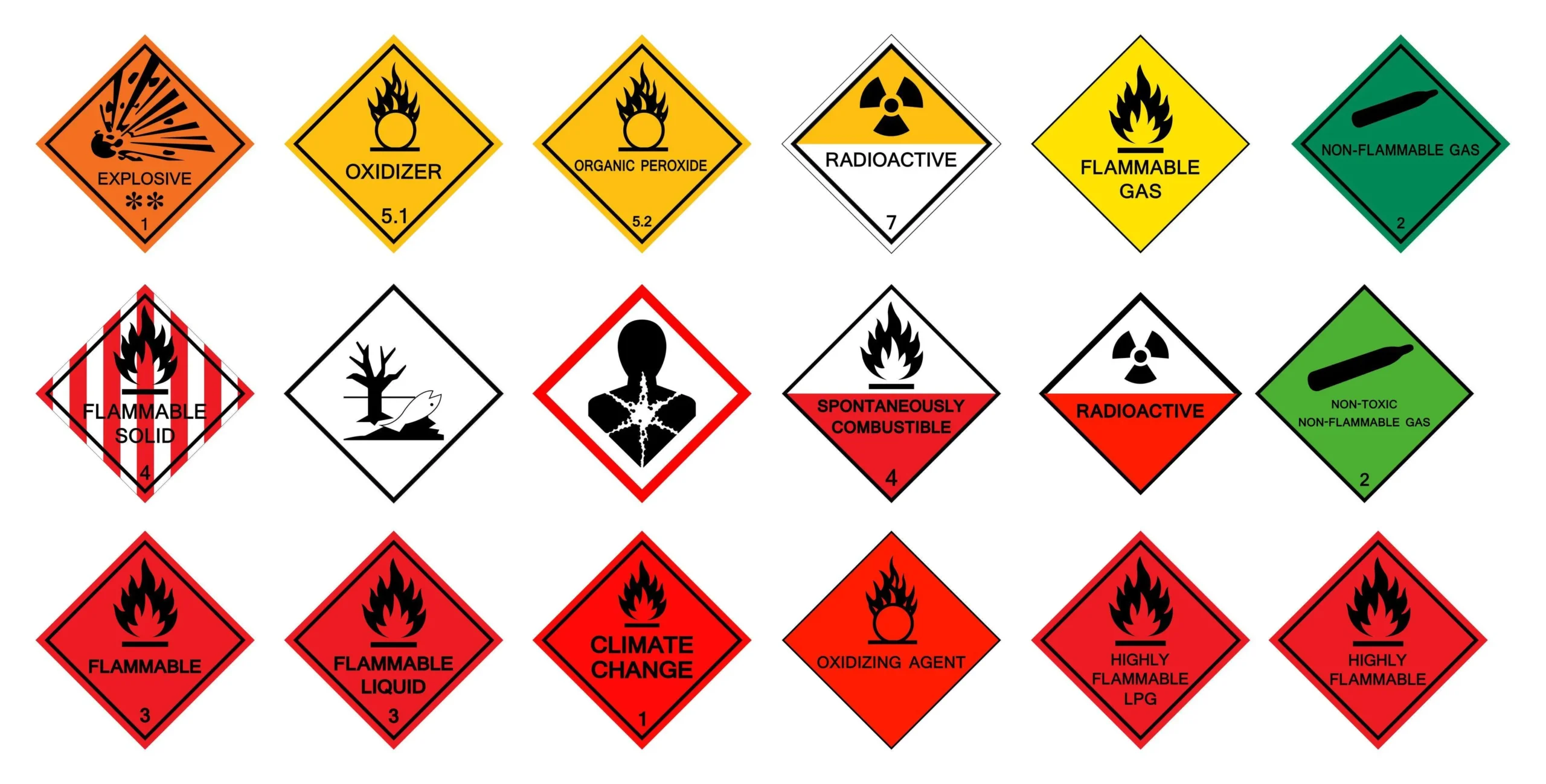
GHS Labels, Pictograms, and SDS Documents
OSHA’s Hazard Communication Standard requires workers who handle chemicals to understand the language on every label they encounter. That means pictograms, signal words (“Danger” vs. “Warning”), and how to read a Safety Data Sheet before touching an unfamiliar substance.
Image-based quiz questions are particularly effective here. Show a GHS pictogram and ask employees to identify what it means — flame, skull, health hazard. These aren’t trick questions, but a surprising number of workers can’t answer them reliably without training.
Safe Handling, Storage, and Spill Response
Use short workplace scenarios: a janitor inadvertently mixing bleach and ammonia, a maintenance tech skipping ventilation when working with solvents. These mini-stories make abstract rules feel urgent and real — which is exactly how safety knowledge sticks.
Topic 5: Equipment, Machinery, and Energy Control

Machine Guarding and Safe Operation
Pinch points. Rotating parts. Ejection hazards. Machinery-related injuries tend to be severe — and many are preventable with basic guard awareness. Quiz topics here include:
- Identifying pinch points and required guard zones
- Pre-use inspection steps before operating any equipment
- The inviolable rule: never bypass, remove, or defeat a machine guard
Lockout/Tagout (LOTO) and Electrical Safety
LOTO violations are among OSHA’s most frequently cited standards — and the consequences of getting it wrong are catastrophic. Quiz questions should address: who is authorized to perform LOTO, what the procedure involves, and why partial isolation is never acceptable.
On the electrical side: damaged extension cords, overloaded outlets, and working near live circuits all deserve dedicated questions. Arc flash is a lesser-known but genuinely dangerous electrical hazard worth including for industrial settings.
Topic 6: Working at Heights, Ladders, and Mobile Equipment
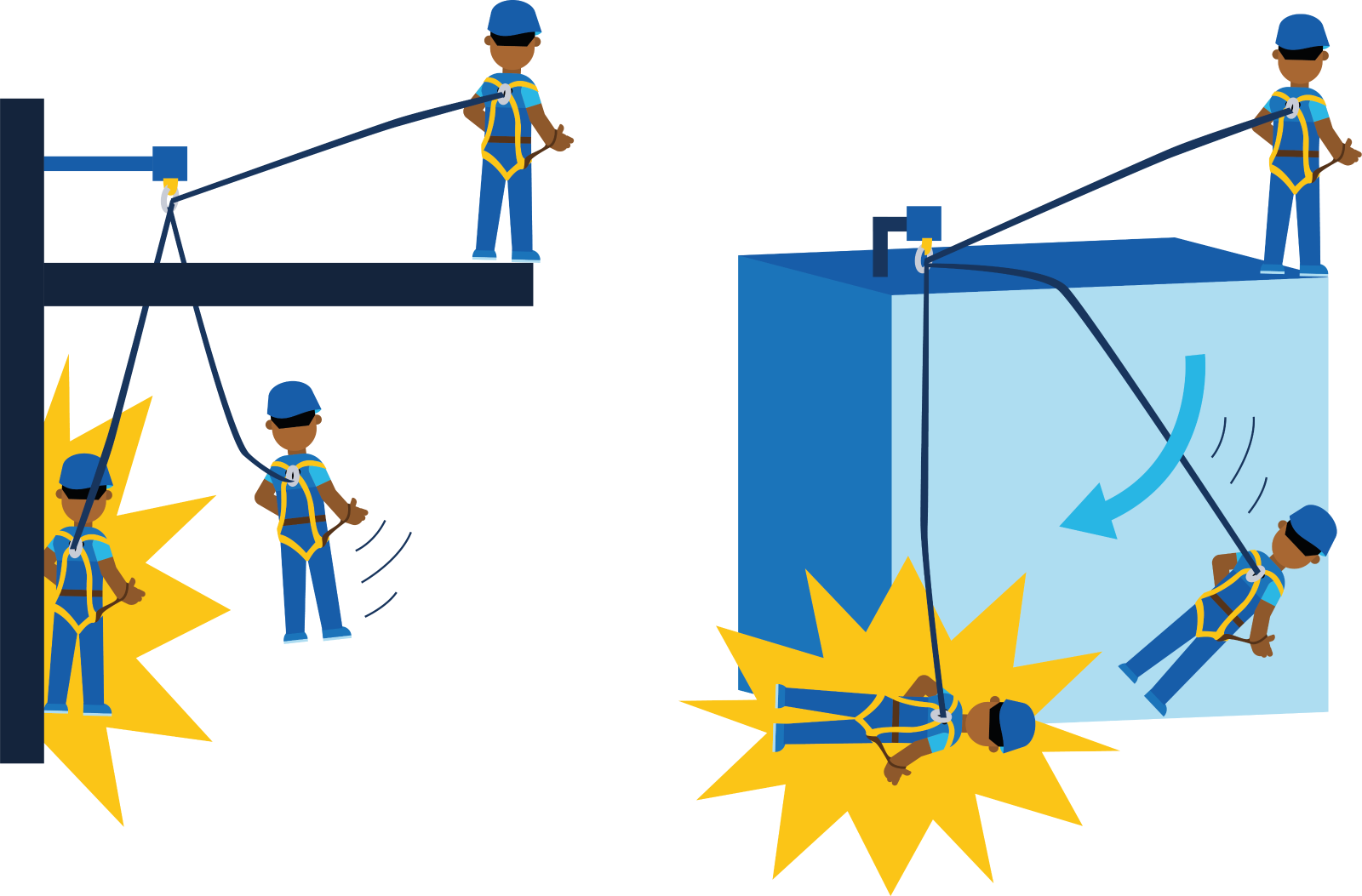
Fall Protection and Ladder Safety
Three points of contact. Inspect before climbing. Never stand on the top two rungs. These principles are drummed into safety training — but workers under time pressure cut corners. Quiz questions should test not just knowledge but when fall protection equipment is legally required versus recommended.
Forklifts and Powered Industrial Trucks
A forklift is not a car. It handles differently, tips easily, and can be fatal to pedestrians in shared spaces. Include questions on:
- Seat belt and speed limit requirements
- Pedestrian right-of-way in forklift zones
- Certification requirements — operating without authorization is a serious violation
Topic 7: Ergonomics and Safe Manual Handling
Workstation Ergonomics for Office Environments
Ergonomic injuries often get dismissed as minor — until someone develops carpal tunnel syndrome or a chronic back condition. Quiz questions for office workers should cover screen height and distance, chair lumbar support positioning, keyboard placement, and break frequency. Emphasize early reporting of discomfort — small tweaks made early prevent big problems later.
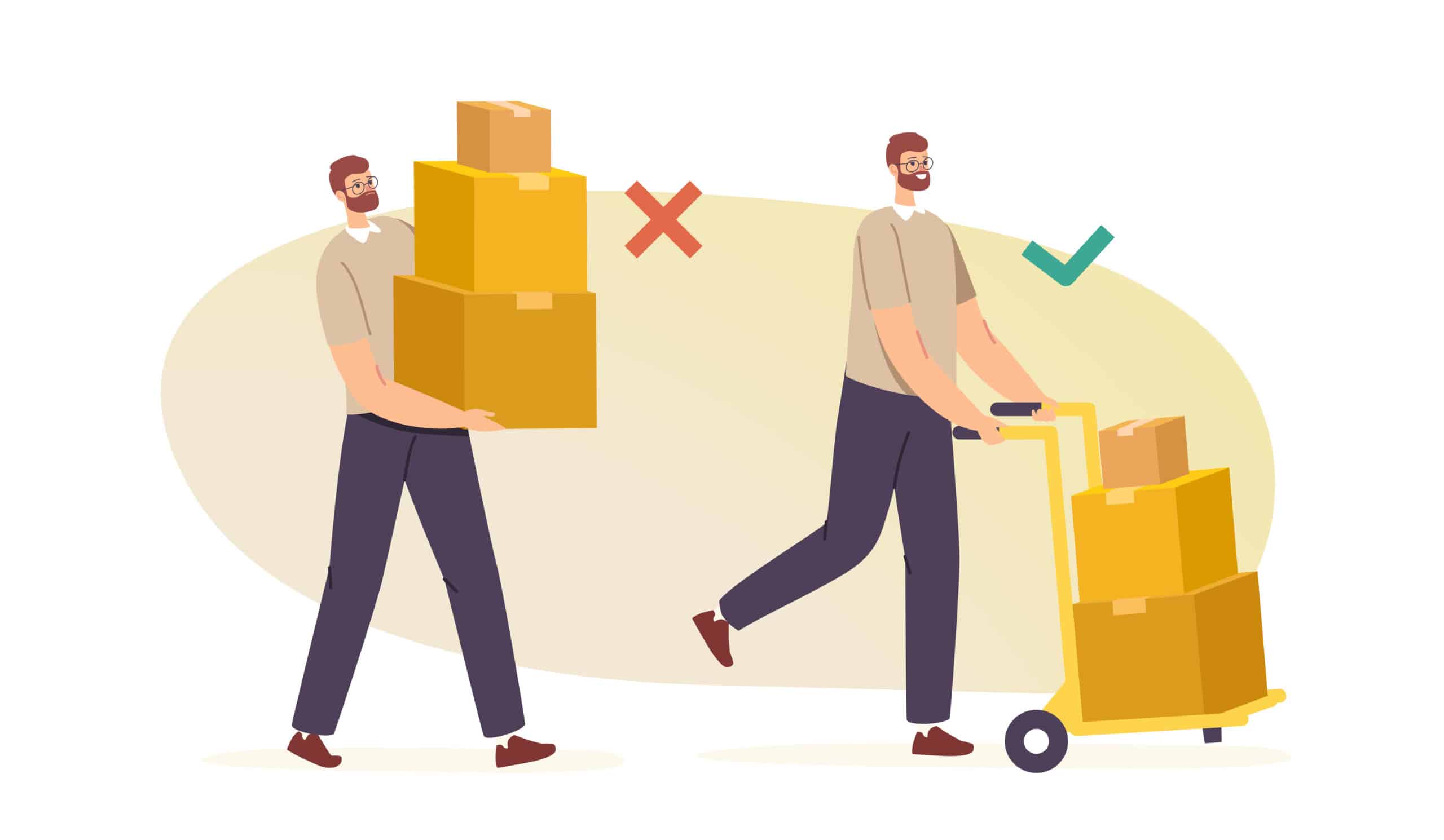
Safe Lifting and Load Handling
“Lift with your legs, not your back.” Everyone knows it. Not everyone does it — especially when they’re in a rush. Scenario questions about warehouse workers, healthcare staff doing patient transfers, or maintenance technicians maneuvering in tight spaces make this topic tangible rather than theoretical.
Topic 8: Safety Culture, Behavior, and Reporting
Reporting Hazards and Near Misses
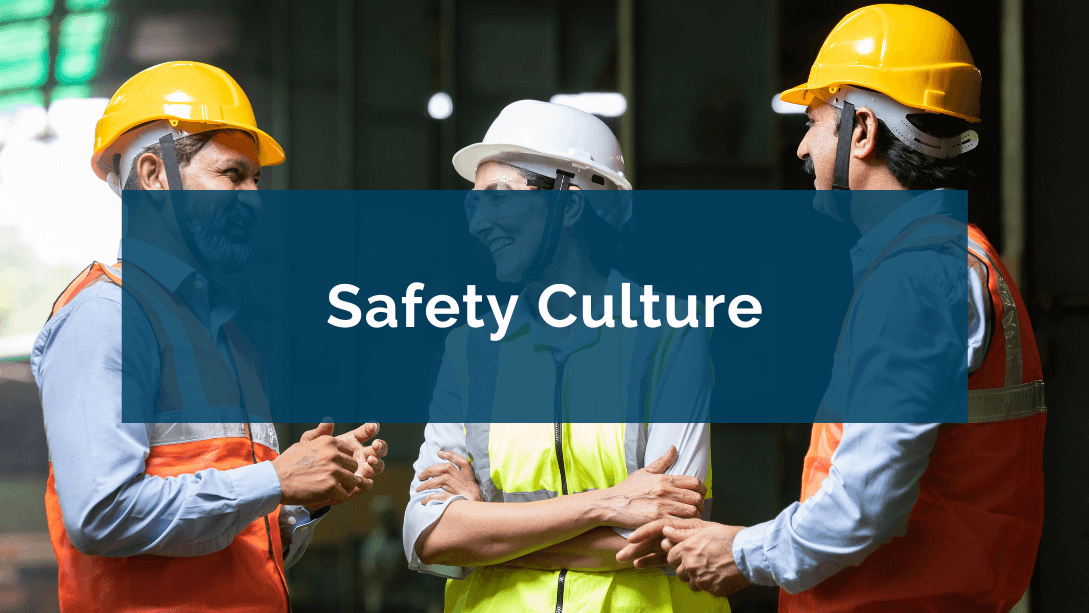
A near miss is a free warning. It costs nothing and tells you exactly where the next incident is likely to happen — if someone reports it. Unfortunately, many workers stay quiet out of fear of being blamed or creating paperwork. Quiz questions in this section should reinforce:
- The obligation and benefit of reporting every near miss
- How to submit a report, and what information to include
- Workers’ legal protection from retaliation for safety reports
Responsibilities, Rights, and Psychosocial Hazards
Employees have safety responsibilities — but they also have rights: the right to refuse genuinely unsafe work, the right to access training records, and the right to a workplace free from harassment. Including psychosocial hazards (bullying, chronic overwork, unmanaged stress) acknowledges that impaired concentration and poor decision-making are safety issues just as much as a wet floor is.
Topic 9: Industry-Specific Add-Ons
The core topics above apply virtually everywhere. But the most effective safety quizzes layer in sector-specific content that reflects the unique risks of each workplace.
| Industry | Recommended Quiz Add-Ons |
|---|---|
| Construction | Scaffolding regulations, trench and excavation safety, confined space entry |
| Healthcare | Infection control protocols, sharps handling, patient manual handling |
| Laboratories | Biosafety levels, laser safety classifications, cryogenic material handling |
| Agriculture / Forestry | Chainsaw safety, pesticide application, heat illness prevention |
| Manufacturing | Confined space entry, noise exposure limits, industrial ventilation |
Pull scenarios directly from your own incident reports and near-miss logs. Nothing makes a quiz question more relevant than one drawn from something that almost happened in your building last quarter.
How to Build Your Workplace Safety Quiz with OnlineExamMaker
Knowing what to include in a safety quiz is half the battle. The other half is building and delivering it without spending three days in a spreadsheet. That’s exactly where OnlineExamMaker earns its place in a safety manager’s toolkit.
OnlineExamMaker is an online quiz and exam platform designed to make the entire process — from question creation to grading to reporting — fast, organized, and genuinely painless. Here’s what it offers that’s especially useful for workplace safety programs:
- AI Question Generator — Upload your training materials or paste in your safety policies, and the AI generates relevant quiz questions automatically. Multiple choice, scenario-based, true/false — the tool handles the drafting so you can focus on reviewing and refining.
- Automatic Grading — Results are scored the moment an employee submits. No manual marking, no delays. Employees get instant feedback; you get an immediate data snapshot showing who passed, who needs remediation, and which questions tripped everyone up.
- AI Webcam Proctoring — For formal certification exams where the result needs to be trustworthy, the AI proctoring feature monitors test-takers in real time and flags unusual behavior — without requiring a human to sit and watch every screen.
Create Your Next Quiz/Exam Using AI in OnlineExamMaker
A Simple Workflow for Your Next Safety Quiz
- Upload your content — Feed OnlineExamMaker your training materials. Let the AI Question Generator create a first draft of questions.
- Customize and mix formats — Add image-based questions (PPE pictograms, chemical label examples), scenario questions, and vocabulary items alongside standard multiple choice.
- Set delivery options — Time limits, question randomization, mobile-friendly access so employees can take the quiz on any device.
- Send and track — Distribute via link or email. Watch results come in on the live dashboard.
- Act on the data — If 55% of employees miss the LOTO question, that’s your cue to revisit that training module before the next shift.
Whether you’re running annual compliance recertification or a quick post-training check-in for new hires, OnlineExamMaker adapts to both — and everything in between. If your organization manages its own data or works in a regulated environment, the on-premise option gives you full control without relying on third-party servers.
Quiz Formatting Tips That Keep Workers Engaged
Even the most carefully chosen topics will fall flat if the quiz itself feels like a punishment. A few practical design choices make a real difference:
- Mix question types. Multiple choice, scenario-based, image-based (show a GHS symbol and ask what it means), and short vocabulary items each test different kinds of understanding. Variety also keeps the quiz from feeling monotonous.
- Lead with scenarios, not definitions. “What does ‘ergonomic hazard’ mean?” is a weaker question than “A warehouse worker is required to lift 40-pound boxes overhead repeatedly for 6 hours. What type of hazard does this represent?” Same knowledge, far more useful test.
- Keep it focused. A 20–30 question quiz that covers core hazards beats a 100-question slog. Respect your employees’ time and they’ll take the quiz seriously.
- Tie every question to a training objective. If you can’t explain which lesson the question tests, cut it.
- Track trends over time. Compare cohort scores from this quarter to last quarter. Improvement — or lack of it — tells you far more than any single quiz score does.
Workplace safety is not a topic that forgives neglect quietly. The gap between knowing the right thing and actually doing it is where most injuries happen — and a well-designed safety quiz, delivered consistently and followed up with targeted training, is one of the most reliable tools for closing that gap.
Pick your core topics. Layer in the industry-specific ones. Build your quiz in OnlineExamMaker. Then watch the data tell you exactly where to focus next. That’s not just compliance. That’s a real safety culture — built one question at a time.