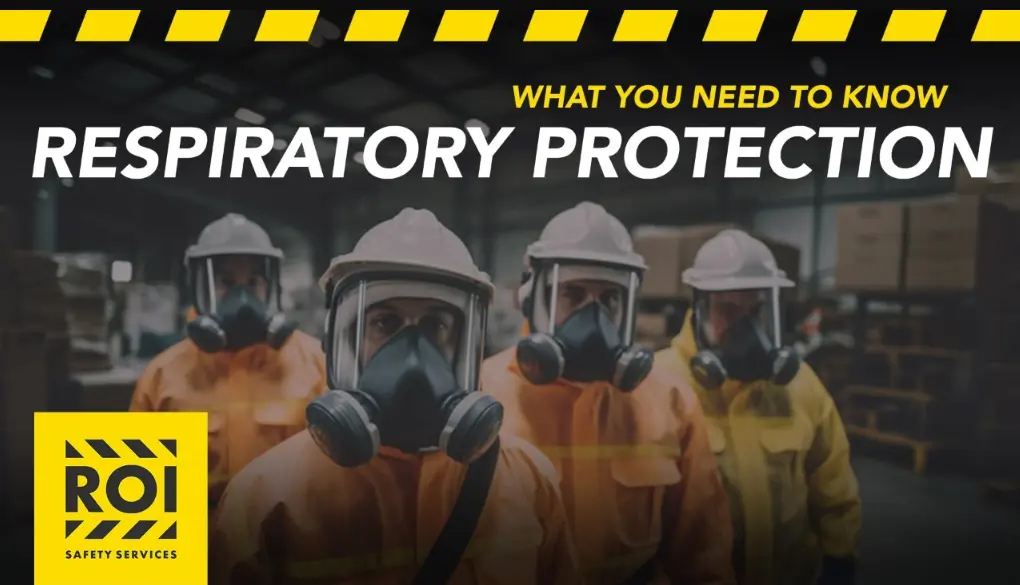
Respiratory protection safety involves safeguarding the lungs and respiratory system from hazardous airborne contaminants such as dust, fumes, vapors, gases, and biological agents. This is achieved through the use of specialized equipment like respirators, masks, and filters, which create a barrier to prevent inhalation of harmful substances.
Key components include:
– Types of Respirators: Air-purifying respirators (APRs), which use filters or cartridges to clean the air, and supplied-air respirators (SARs), which deliver clean air from an external source. N95 masks, for example, are common for filtering out at least 95% of airborne particles.
– Hazard Assessment: Before use, identify potential risks in the environment, such as chemical exposure in industrial settings or biohazards in healthcare, to select the appropriate protection level.
– Proper Fitting and Use: Ensure a tight seal on the face to avoid leaks, and follow guidelines for donning, doffing, and maintenance. Regular fit-testing and user training are essential to guarantee effectiveness.
– Maintenance and Storage: Clean, inspect, and replace filters as needed to maintain functionality. Store equipment in a clean, dry place away from contaminants.
– Regulations and Training: Adhere to standards from organizations like OSHA or NIOSH, which mandate workplace programs including employee education on when and how to use respiratory protection safely.
By prioritizing respiratory protection, individuals and organizations can significantly reduce the risk of respiratory illnesses, improve workplace safety, and comply with legal requirements. Always consult experts for specific applications to ensure optimal protection.
Table of Contents
- Part 1: OnlineExamMaker AI Quiz Generator – The Easiest Way to Make Quizzes Online
- Part 2: 20 Respiratory Protection Safety Quiz Questions & Answers
- Part 3: AI Question Generator – Automatically Create Questions for Your Next Assessment
Part 1: OnlineExamMaker AI Quiz Generator – The Easiest Way to Make Quizzes Online
Are you looking for an online assessment to test the Respiratory Protection Safety skills of your learners? OnlineExamMaker uses artificial intelligence to help quiz organizers to create, manage, and analyze exams or tests automatically. Apart from AI features, OnlineExamMaker advanced security features such as full-screen lockdown browser, online webcam proctoring, and face ID recognition.
Take a product tour of OnlineExamMaker:
● Includes a safe exam browser (lockdown mode), webcam and screen recording, live monitoring, and chat oversight to prevent cheating.
● AI Exam Grader for efficiently grading quizzes and assignments, offering inline comments, automatic scoring, and “fudge points” for manual adjustments.
● Embed quizzes on websites, blogs, or share via email, social media (Facebook, Twitter), or direct links.
● Handles large-scale testing (thousands of exams/semester) without internet dependency, backed by cloud infrastructure.
Automatically generate questions using AI
Part 2: 20 Respiratory Protection Safety Quiz Questions & Answers
or
1. What is the primary purpose of a respirator in a workplace setting?
A. To protect against skin irritations
B. To filter out airborne contaminants
C. To provide eye protection
D. To insulate against cold temperatures
Answer: B
Explanation: Respirators are specifically designed to protect the respiratory system by filtering or supplying breathable air, preventing inhalation of harmful particles, gases, or vapors.
2. Which type of respirator is most suitable for environments with oil-based aerosols?
A. N95
B. R95
C. P100
D. N100
Answer: C
Explanation: P100 respirators are oil-proof and provide the highest level of protection against oil-based aerosols, making them ideal for such environments, while N and R types have limitations with oil exposure.
3. What does the “APF” rating on a respirator indicate?
A. The assigned protection factor
B. The air pressure filter level
C. The annual performance factor
D. The aerosol particle filter
Answer: A
Explanation: The Assigned Protection Factor (APF) indicates the workplace level of respiratory protection that a respirator or class of respirators is expected to provide to employees when used properly.
4. When should a user perform a fit check on their respirator?
A. Only during initial training
B. Every time the respirator is put on
C. Once a month
D. At the end of the workday
Answer: B
Explanation: A fit check should be performed every time the respirator is donned to ensure a proper seal, as facial hair, sweat, or other factors can affect the fit and reduce protection.
5. Which of the following is NOT a common type of respiratory hazard?
A. Dust from construction sites
B. Oxygen deficiency
C. Loud noises
D. Chemical vapors
Answer: C
Explanation: Loud noises are a hearing hazard, not a respiratory one; respiratory hazards include particulates like dust, gases, vapors, and oxygen-deficient atmospheres.
6. What is the minimum frequency for replacing filters in a reusable respirator?
A. Every week
B. When they become damaged or clogged
C. Every year
D. Only if exposed to high heat
Answer: B
Explanation: Filters should be replaced when they show signs of damage, clogging, or reduced effectiveness, as using worn filters can lead to inadequate protection.
7. In what situation would an airline respirator be most appropriate?
A. Short-term exposure to dust
B. Oxygen-deficient environments
C. Routine office work
D. Mild allergic reactions
Answer: B
Explanation: Airline respirators supply clean air from an external source, making them suitable for oxygen-deficient areas where filtering ambient air is insufficient.
8. What is the role of a qualitative fit test for respirators?
A. To measure the exact leakage rate
B. To detect if the user can taste or smell a test agent
C. To check the respirator’s material durability
D. To assess the weight of the respirator
Answer: B
Explanation: A qualitative fit test uses the user’s senses to determine if there’s leakage by introducing a detectable substance, helping ensure the respirator fits properly.
9. Which regulation primarily governs respiratory protection in the United States?
A. EPA standards
B. OSHA 29 CFR 1910.134
C. FDA guidelines
D. ISO 9001
Answer: B
Explanation: OSHA 29 CFR 1910.134 specifically outlines requirements for respiratory protection programs, including selection, maintenance, and training.
10. Why is it important to store respirators in a sealed bag?
A. To prevent contamination
B. To make them easier to carry
C. To reduce their weight
D. To change their shape
Answer: A
Explanation: Storing respirators in a sealed bag protects them from dust, moisture, and other contaminants that could compromise their effectiveness.
11. What should be done if a respirator becomes uncomfortable during use?
A. Continue working and adjust later
B. Remove it immediately and seek alternatives
C. Ignore it if the job is almost done
D. Tighten the straps further
Answer: B
Explanation: If a respirator is uncomfortable, it may indicate a poor fit or issue that reduces protection; it should be removed, and proper adjustments or a different respirator should be used.
12. Which factor can negatively affect the seal of a respirator?
A. Clean-shaven face
B. Facial hair
C. Tight head straps
D. New respirator filters
Answer: B
Explanation: Facial hair can create gaps between the respirator and the face, preventing a proper seal and reducing the effectiveness of the respiratory protection.
13. What is the difference between a half-face and full-face respirator?
A. Half-face covers the eyes, full-face does not
B. Full-face provides eye protection, half-face does not
C. Half-face is for gases only
D. Full-face is lighter
Answer: B
Explanation: A full-face respirator covers the eyes and face, offering additional protection against splashes and irritants, while a half-face respirator only covers the nose and mouth.
14. How often should respiratory protection training be provided to employees?
A. Once a year
B. Annually or when changes occur
C. Every five years
D. Only for new hires
Answer: B
Explanation: Training should be provided annually and whenever there are changes in the respiratory hazards, equipment, or procedures to ensure ongoing compliance and safety.
15. What does an N95 rating mean for a filtering facepiece respirator?
A. It filters 95% of non-oil-based particles
B. It is suitable for oil-based particles only
C. It requires a full-face mask
D. It lasts for 95 hours
Answer: A
Explanation: An N95 respirator is designed to filter at least 95% of airborne particles that are not oil-based, making it effective for many common hazards like dust and viruses.
16. Why is medical evaluation necessary before using a respirator?
A. To check for allergies to the material
B. To ensure the user can physically tolerate it
C. To verify work experience
D. To measure height and weight
Answer: B
Explanation: Medical evaluations assess if an individual has any health conditions that could be exacerbated by respirator use, such as respiratory or cardiac issues.
17. Which statement is true about disposable respirators?
A. They can be cleaned and reused
B. They are meant for single use or until damaged
C. They require annual certification
D. They provide better fit than reusable ones
Answer: B
Explanation: Disposable respirators are intended for one-time use or until they are soiled, damaged, or lose effectiveness, to maintain optimal protection.
18. What is the purpose of a respirator cartridge change schedule?
A. To track usage hours
B. To prevent overuse based on exposure
C. To clean the respirator
D. To store it properly
Answer: B
Explanation: A change schedule ensures cartridges are replaced at appropriate intervals based on the type of hazard and exposure levels, preventing breakthrough of contaminants.
19. In a respiratory protection program, who is responsible for selecting the appropriate respirator?
A. The employee
B. The supervisor
C. The safety officer or qualified person
D. The manufacturer
Answer: C
Explanation: A qualified safety professional should select respirators based on hazard assessment to ensure they match the specific risks in the workplace.
20. What action should be taken if a respirator alarm sounds on a supplied-air system?
A. Ignore it if everything seems fine
B. Exit the area immediately
C. Adjust the alarm settings
D. Continue working carefully
Answer: B
Explanation: An alarm on a supplied-air system indicates a potential failure in air supply, such as low pressure or contamination, requiring immediate evacuation to prevent health risks.
or
Part 3: AI Question Generator – Automatically Create Questions for Your Next Assessment
Automatically generate questions using AI