Hazardous materials, often abbreviated as HAZMAT, refer to substances that pose significant risks to health, safety, and the environment due to their chemical, physical, or biological properties. These include flammable liquids, corrosive acids, toxic gases, radioactive materials, and biohazards. Proper safety measures are essential to prevent accidents, injuries, and environmental damage.
Key Risks and Hazards
– Health Risks: Exposure can lead to poisoning, burns, respiratory issues, or long-term illnesses like cancer.
– Fire and Explosion: Flammable materials can ignite easily, while reactive substances may explode under certain conditions.
– Environmental Impact: Spills can contaminate soil, water, and air, affecting ecosystems and communities.
– Transportation Dangers: Accidents during transit can release materials, causing widespread harm.
Safety Measures
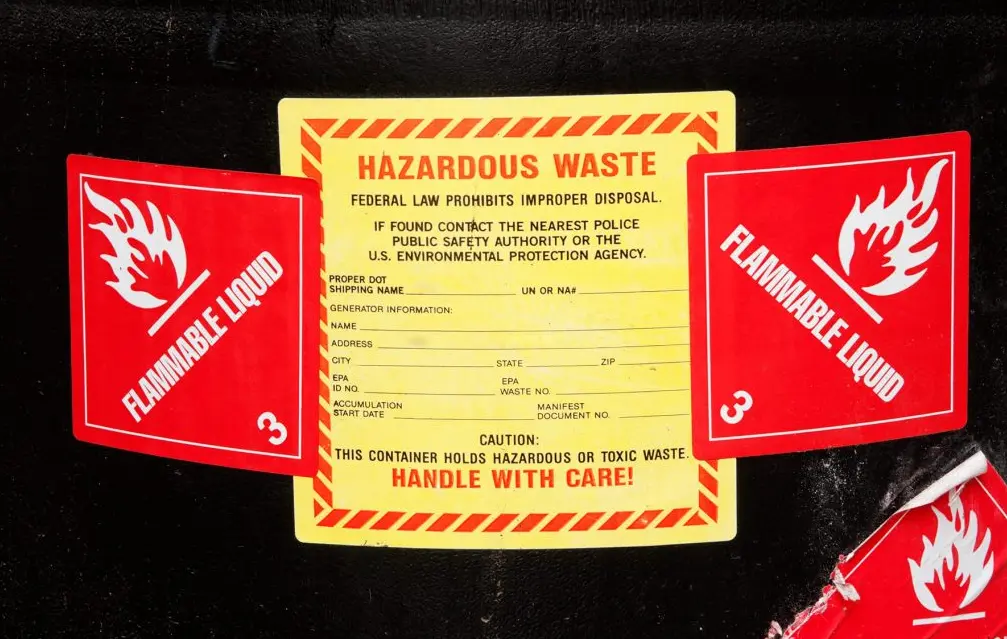
– Identification and Labeling: Use clear labels, such as those from the Globally Harmonized System (GHS), to indicate hazards like toxicity or instability.
– Storage and Handling: Store materials in designated areas with proper ventilation, away from incompatible substances. Always wear personal protective equipment (PPE), including gloves, masks, and eye protection.
– Transportation Protocols: Follow regulations for packaging, such as using UN-approved containers, and ensure vehicles are equipped with spill kits and emergency response plans.
– Emergency Response: Develop and practice procedures for leaks, fires, or exposures, including evacuation routes, first aid, and contacting authorities like fire departments or HAZMAT teams.
Regulations and Best Practices
– Compliance with standards from organizations like OSHA (Occupational Safety and Health Administration) in the U.S., which mandates training and risk assessments.
– Adhere to DOT (Department of Transportation) rules for shipping, including proper documentation and placarding.
– Implement regular training programs for workers to recognize hazards, use equipment safely, and respond to incidents.
– Conduct routine inspections and audits to maintain safe conditions and update protocols based on new risks.
Prioritizing hazardous materials safety through education, precaution, and enforcement minimizes risks and protects lives, property, and the environment. Always consult local regulations and experts for specific guidance.
Table of Contents
- Part 1: Create An Amazing Hazardous Materials Safety Quiz Using AI Instantly in OnlineExamMaker
- Part 2: 20 Hazardous Materials Safety Quiz Questions & Answers
- Part 3: Automatically Generate Quiz Questions Using AI Question Generator
Part 1: Create An Amazing Hazardous Materials Safety Quiz Using AI Instantly in OnlineExamMaker
The quickest way to assess the Hazardous Materials Safety knowledge of candidates is using an AI assessment platform like OnlineExamMaker. With OnlineExamMaker AI Question Generator, you are able to input content—like text, documents, or topics—and then automatically generate questions in various formats (multiple-choice, true/false, short answer). Its AI Exam Grader can automatically grade the exam and generate insightful reports after your candidate submit the assessment.
Overview of its key assessment-related features:
● Create up to 10 question types, including multiple-choice, true/false, fill-in-the-blank, matching, short answer, and essay questions.
● Automatically generates detailed reports—individual scores, question report, and group performance.
● Instantly scores objective questions and subjective answers use rubric-based scoring for consistency.
● API and SSO help trainers integrate OnlineExamMaker with Google Classroom, Microsoft Teams, CRM and more.
Automatically generate questions using AI
Part 2: 20 Hazardous Materials Safety Quiz Questions & Answers
or
1. What is the primary purpose of the Globally Harmonized System (GHS) for hazardous materials?
A. To standardize the classification and labeling of chemicals
B. To regulate the transportation of goods
C. To enforce workplace ergonomics
D. To manage waste disposal
Answer: A
Explanation: GHS provides a consistent framework for classifying chemicals, labeling them, and creating safety data sheets to communicate hazards globally, reducing the risk of accidents.
2. Which of the following is NOT a common physical hazard associated with hazardous materials?
A. Flammability
B. Corrosivity
C. Biodegradability
D. Explosivity
Answer: C
Explanation: Biodegradability is an environmental property, not a physical hazard; physical hazards like flammability and explosivity can cause immediate dangers such as fires or explosions.
3. What does the DOT diamond label indicate on a hazardous material container?
A. The material’s health hazards
B. The material’s flammability risks
C. A quick reference for the material’s hazards during transport
D. The manufacturer’s contact information
Answer: C
Explanation: The DOT diamond, or placard, uses colors and numbers to communicate the type and level of hazard for transportation purposes, aiding emergency responders.
4. Which personal protective equipment (PPE) is essential when handling corrosive hazardous materials?
A. Safety goggles and gloves
B. Earplugs
C. Hard hat
D. Steel-toed boots
Answer: A
Explanation: Safety goggles and gloves protect the eyes and skin from corrosive substances that can cause burns or permanent damage upon contact.
5. What is the first step in responding to a hazardous materials spill?
A. Evacuate the area
B. Clean up the spill immediately
C. Identify the material involved
D. Notify the supervisor
Answer: C
Explanation: Identifying the material ensures the correct response procedures are followed, as different materials require specific containment and neutralization methods.
6. Which agency primarily regulates hazardous materials in the workplace in the United States?
A. OSHA
B. EPA
C. FDA
D. DOT
Answer: A
Explanation: OSHA sets and enforces standards for safe handling and storage of hazardous materials to protect workers from health and safety risks.
7. What does the acronym “MSDS” stand for, and what is its purpose?
A. Material Safety Data Sheet; to provide detailed information on hazards and safe handling
B. Maximum Safe Disposal Standard; to regulate waste
C. Material Storage and Distribution System; for inventory
D. Medical Safety Data Sheet; for health records
Answer: A
Explanation: An MSDS (now often called SDS) outlines the properties, hazards, and emergency measures for a chemical, helping users handle it safely.
8. Which of the following is a sign of acute exposure to toxic hazardous materials?
A. Dizziness and nausea
B. Hair loss
C. Weight gain
D. Improved vision
Answer: A
Explanation: Acute exposure symptoms like dizziness and nausea indicate immediate health effects from inhalation or contact, requiring prompt medical attention.
9. How should flammable liquids be stored to minimize fire risks?
A. In a cool, well-ventilated area away from ignition sources
B. Near heat sources for quick access
C. In direct sunlight
D. In large, open containers
Answer: A
Explanation: Storing flammable liquids in cool, ventilated areas prevents vapor buildup and reduces the chance of ignition from sparks or flames.
10. What is the role of a Material Safety Data Sheet (SDS) in hazardous materials management?
A. To detail safe handling, storage, and emergency procedures
B. To list the cost of materials
C. To provide marketing information
D. To track inventory levels
Answer: A
Explanation: An SDS serves as a key resource for workers, providing comprehensive data on hazards, first aid, and disposal to ensure safe practices.
11. Which hazard class includes materials that can cause severe skin burns or eye damage?
A. Corrosive substances
B. Flammable liquids
C. Radioactive materials
D. Oxidizing agents
Answer: A
Explanation: Corrosive substances, such as acids and bases, can erode materials and cause irreversible damage to human tissues upon contact.
12. Why is proper ventilation important when working with volatile hazardous materials?
A. To prevent the buildup of harmful vapors
B. To keep the area warm
C. To reduce noise levels
D. To improve lighting
Answer: A
Explanation: Ventilation disperses vapors that could ignite or be inhaled, reducing the risk of explosions, fires, or health issues like respiratory problems.
13. What should you do if you suspect a container is leaking hazardous materials?
A. Isolate the area and report it immediately
B. Open the container to inspect
C. Move the container to a different location
D. Ignore it if no visible damage is present
Answer: A
Explanation: Isolating the area prevents exposure and allows for a controlled response, such as evacuation or professional cleanup, to avoid accidents.
14. Which of the following is an example of a chronic health effect from hazardous materials exposure?
A. Cancer development over time
B. Immediate skin rash
C. Short-term headache
D. Acute poisoning
Answer: A
Explanation: Chronic effects, like cancer, result from long-term exposure and may not appear until years later, emphasizing the need for ongoing safety measures.
15. What is the correct way to dispose of hazardous waste?
A. Follow local regulations and use approved facilities
B. Pour it down the drain
C. Mix it with regular trash
D. Burn it in an open area
Answer: A
Explanation: Proper disposal through regulated channels prevents environmental contamination and protects public health from improper release.
16. Which symbol on a hazard label indicates a material that is harmful or toxic?
A. Skull and crossbones
B. Flame
C. Exclamation mark
D. Both A and C
Answer: D
Explanation: The skull and crossbones denote acute toxicity, while the exclamation mark indicates less severe hazards like irritants, both signaling potential health risks.
17. Why must hazardous materials be segregated during storage?
A. To prevent incompatible reactions that could cause fires or explosions
B. To make inventory easier
C. To save space
D. To reduce costs
Answer: A
Explanation: Segregating materials, such as keeping acids away from bases, avoids dangerous chemical interactions that could lead to releases or accidents.
18. What is the minimum safe distance for evacuating during a hazardous materials incident?
A. It depends on the material and incident; follow emergency guidelines
B. 10 feet
C. 50 feet
D. 100 feet for all incidents
Answer: A
Explanation: Safe distances vary based on the type and quantity of the material, as specified in emergency response plans, to ensure adequate protection.
19. Which factor is most important when selecting containers for hazardous materials?
A. Compatibility with the material to prevent leaks or reactions
B. The container’s color
C. The container’s weight
D. The container’s brand
Answer: A
Explanation: Using compatible containers ensures they do not react with the contents, reducing risks of spills, contamination, or structural failure.
20. What does the term “PEL” refer to in hazardous materials safety?
A. Permissible Exposure Limit; the maximum allowed concentration in the air
B. Personal Equipment Level
C. Product Expiration Limit
D. Pollution Emission Level
Answer: A
Explanation: PEL, set by OSHA, is the legal limit for exposure to airborne contaminants, helping to prevent health effects from overexposure.
or
Part 3: Automatically generate quiz questions using OnlineExamMaker AI Question Generator
Automatically generate questions using AI