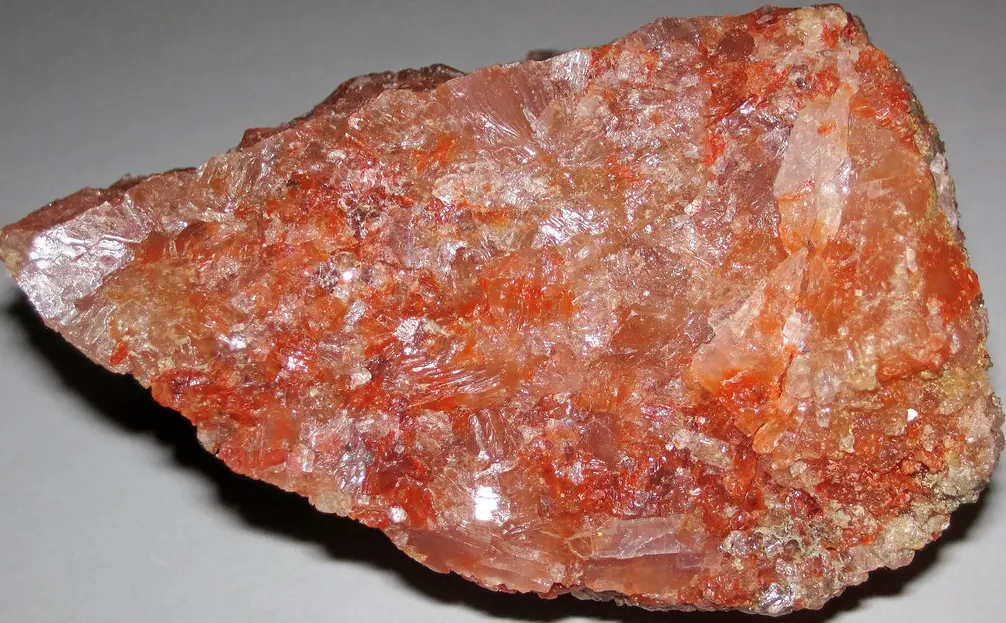
Potash refers to a group of potassium-rich salts, primarily potassium chloride (KCl), potassium sulfate (K2SO4), and potassium carbonate (K2CO3), which are essential in agriculture, industry, and various applications. It is one of the three primary nutrients required for plant growth, alongside nitrogen and phosphorus.
History and Origins
Potash has been used for centuries, dating back to ancient times when it was derived from the ashes of burned wood or plants. The term “potash” originates from the old practice of leaching wood ashes in iron pots. In the 19th century, large-scale mining began, with significant deposits discovered in regions like Germany and later in Canada.
Production and Sources
Potash is primarily extracted through underground mining or solution mining from evaporite deposits formed from ancient seas. Major global producers include Canada (especially Saskatchewan), Russia, Belarus, and China. The process involves dissolving potash-bearing rocks in water, then evaporating the solution to crystallize the salts. Global production exceeds 40 million metric tons annually, driven by demand for fertilizers.
Uses and Applications
The largest application of potash is in agriculture, where it serves as a key fertilizer component to improve crop yields, enhance root development, and increase resistance to diseases and drought. For instance, it is crucial for staple crops like wheat, corn, and rice. Beyond agriculture, potash is used in the production of soaps, glass, ceramics, and as a water softener. In the chemical industry, it helps manufacture potassium hydroxide and other compounds.
Economic and Environmental Aspects
Potash is a vital commodity in the global economy, with prices influenced by agricultural demand, geopolitical factors, and supply disruptions. The market is dominated by a few large companies, such as Nutrien and Mosaic. Environmentally, potash mining can lead to habitat disruption and water usage issues, though modern practices emphasize sustainability, including reclamation efforts and reduced energy consumption.
Global Significance
As the world’s population grows, potash plays a critical role in food security by boosting agricultural productivity. Reserves are estimated to last for centuries, but challenges like climate change and resource management will shape its future. International trade is regulated by agreements to ensure stable supplies for food production.
Table of Contents
- Part 1: OnlineExamMaker AI Quiz Generator – The Easiest Way to Make Quizzes Online
- Part 2: 20 Potash Quiz Questions & Answers
- Part 3: Automatically Generate Quiz Questions Using AI Question Generator
Part 1: OnlineExamMaker AI Quiz Generator – The Easiest Way to Make Quizzes Online
Are you looking for an online assessment to test the Potash skills of your learners? OnlineExamMaker uses artificial intelligence to help quiz organizers to create, manage, and analyze exams or tests automatically. Apart from AI features, OnlineExamMaker advanced security features such as full-screen lockdown browser, online webcam proctoring, and face ID recognition.
Take a product tour of OnlineExamMaker:
● Includes a safe exam browser (lockdown mode), webcam and screen recording, live monitoring, and chat oversight to prevent cheating.
● AI Exam Grader for efficiently grading quizzes and assignments, offering inline comments, automatic scoring, and “fudge points” for manual adjustments.
● Embed quizzes on websites, blogs, or share via email, social media (Facebook, Twitter), or direct links.
● Handles large-scale testing (thousands of exams/semester) without internet dependency, backed by cloud infrastructure.
Automatically generate questions using AI
Part 2: 20 Potash Quiz Questions & Answers
or
1. Question: What is the primary chemical compound associated with potash?
A) Sodium chloride
B) Potassium chloride
C) Calcium carbonate
D) Magnesium sulfate
Answer: B
Explanation: Potash is commonly potassium chloride (KCl), which is a key source of potassium for fertilizers and industrial uses.
2. Question: In which industry is potash most widely used?
A) Textile manufacturing
B) Agriculture as a fertilizer
C) Automotive production
D) Pharmaceutical drugs
Answer: B
Explanation: Potash provides essential potassium nutrients to plants, improving crop yields and soil fertility in agriculture.
3. Question: What is the main element in potash that benefits plant growth?
A) Nitrogen
B) Phosphorus
C) Potassium
D) Carbon
Answer: C
Explanation: The potassium in potash helps regulate water uptake and enzyme activation in plants, promoting healthy growth.
4. Question: How is potash typically extracted?
A) From volcanic rocks
B) Through mining underground deposits or evaporation of brine
C) By distilling seawater
D) From animal byproducts
Answer: B
Explanation: Potash is extracted from naturally occurring deposits via mining or by evaporating solutions from salt lakes and brine.
5. Question: What is the approximate potassium content in standard potash fertilizer?
A) 10-20%
B) 40-60%
C) 70-90%
D) Less than 5%
Answer: B
Explanation: Most commercial potash fertilizers contain 40-60% potassium oxide equivalent, making them effective for nutrient delivery.
6. Question: Which country is the largest producer of potash?
A) United States
B) Canada
C) China
D) Russia
Answer: B
Explanation: Canada leads in potash production due to its vast Saskatchewan deposits, supplying a significant portion of the global market.
7. Question: What environmental concern is associated with potash mining?
A) Air pollution from emissions
B) Water contamination and habitat disruption
C) Soil erosion from wind
D) Noise pollution in urban areas
Answer: B
Explanation: Potash mining can lead to groundwater contamination and ecosystem changes from waste disposal and land disturbance.
8. Question: Potash is primarily derived from which geological formation?
A) Igneous rocks
B) Evaporite deposits
C) Sedimentary coal beds
D) Metamorphic layers
Answer: B
Explanation: Potash forms in evaporite deposits from ancient seas, where water evaporation left behind potassium-rich salts.
9. Question: How does potash application affect soil pH?
A) It significantly increases pH
B) It has little to no effect on pH
C) It decreases pH in acidic soils
D) It neutralizes pH completely
Answer: B
Explanation: Potash, being a potassium salt, generally does not alter soil pH, focusing instead on providing potassium nutrients.
10. Question: What is the role of potash in animal feed?
A) Provides energy
B) Supplies essential minerals like potassium
C) Enhances protein content
D) Acts as a preservative
Answer: B
Explanation: Potash adds potassium to animal diets, supporting nerve function, muscle activity, and overall health in livestock.
11. Question: Which process is used to refine raw potash ore?
A) Electrolysis
B) Flotation and crystallization
C) Fermentation
D) Distillation
Answer: B
Explanation: Raw potash ore is refined through flotation to separate minerals and crystallization to purify the potassium compounds.
12. Question: What happens when potash is applied in excess to soil?
A) It improves water retention
B) It can cause salt buildup and plant damage
C) It accelerates decomposition
D) It reduces pest populations
Answer: B
Explanation: Overuse of potash can lead to soil salinization, harming plant roots and reducing crop productivity.
13. Question: Potash is a key ingredient in which common household product?
A) Soap
B) Bleach
C) Glass manufacturing
D) Paints
Answer: A
Explanation: Potash, particularly potassium hydroxide, is used in making soap by saponifying fats and oils.
14. Question: What is the chemical formula for the most common form of potash?
A) NaCl
B) K2SO4
C) KCl
D) CaCO3
Answer: C
Explanation: Potassium chloride (KCl) is the most common form of potash, widely used in fertilizers and chemical industries.
15. Question: How does potash contribute to food security?
A) By increasing crop resistance to diseases
B) By enhancing yield and quality of staple crops
C) By preserving food longer
D) By reducing the need for irrigation
Answer: B
Explanation: Potash boosts potassium levels in soils, leading to higher yields and better quality in major food crops like wheat and rice.
16. Question: What is the historical origin of the term “potash”?
A) From ancient mining techniques
B) From leaching wood ashes in pots
C) From sea salt evaporation
D) From volcanic ash deposits
Answer: B
Explanation: The term “potash” originated from the 18th-century practice of extracting potassium salts by leaching ashes in iron pots.
17. Question: In what way does potash affect fruit production?
A) It increases fruit size and sweetness
B) It prevents fruit from ripening
C) It reduces fruit color vibrancy
D) It has no effect on fruits
Answer: A
Explanation: Potash improves potassium availability, which enhances fruit size, sugar content, and overall quality in orchards.
18. Question: What is a potential economic impact of potash shortages?
A) Lower energy costs
B) Increased food prices due to reduced agricultural output
C) Reduced industrial waste
D) Higher export revenues
Answer: B
Explanation: Shortages of potash can limit fertilizer use, leading to lower crop yields and subsequently higher global food prices.
19. Question: How is potash transported globally?
A) Primarily by air freight
B) Via ships and rail in bulk
C) Through pipelines
D) By road only
Answer: B
Explanation: Potash is transported in large quantities by ships and rail networks to reach agricultural markets worldwide efficiently.
20. Question: What makes potash essential for sustainable farming?
A) It replaces lost soil nutrients
B) It eliminates the need for crop rotation
C) It controls weather patterns
D) It reduces labor costs
Answer: A
Explanation: Potash replenishes potassium in soils depleted by harvesting, supporting long-term soil health and sustainable agriculture.
or
Part 3: Automatically generate quiz questions using OnlineExamMaker AI Question Generator
Automatically generate questions using AI