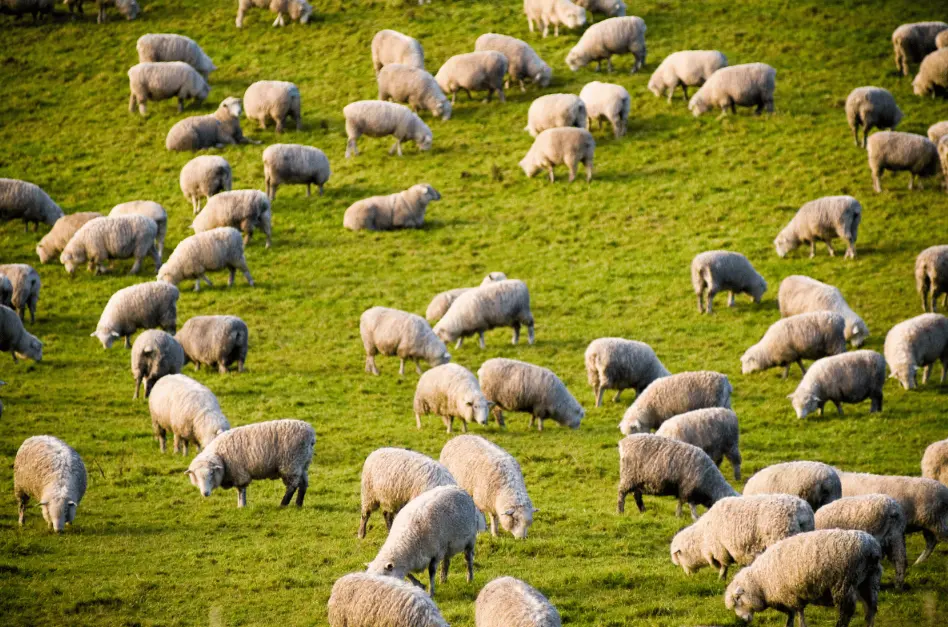
Sheep farming is an ancient agricultural practice that involves raising sheep for various products such as wool, meat, milk, and leather. It dates back thousands of years, originating in the Middle East and spreading globally, with significant operations in countries like Australia, New Zealand, China, and the United States.
Key Aspects of Sheep Farming:
– Breeds and Types: There are over 200 sheep breeds worldwide, categorized into meat (e.g., Suffolk, Dorper), wool (e.g., Merino, Romney), and dual-purpose (e.g., Rambouillet). Breed selection depends on climate, market demands, and farm goals.
– Farming Practices: Sheep are typically raised on pastures, requiring rotational grazing to maintain soil health. Key activities include breeding (lambing seasons often in spring), feeding (grass-based diets supplemented with grains), shearing (annually for wool production), and health management (vaccinations against diseases like foot rot and parasites).
– Products and Economics: The industry generates revenue from wool (used in textiles), meat (lamb and mutton for food), milk (for cheese and yogurt), and by-products like skins and manure. Economically, it’s profitable in regions with suitable land, but prices fluctuate based on global markets and consumer trends.
– Environmental Impact: Sheep farming can promote sustainable land use by controlling vegetation and preventing wildfires, but overgrazing may lead to soil erosion. Modern practices emphasize organic methods, rotational grazing, and carbon sequestration to enhance environmental sustainability.
– Challenges and Opportunities: Common issues include predation by wolves or coyotes, climate variability (e.g., droughts affecting feed), and diseases. Opportunities lie in niche markets like organic or grass-fed products, technological advancements (e.g., AI for monitoring flocks), and integration with ecotourism.
Overall, sheep farming remains a vital sector for rural economies, providing livelihoods while contributing to global food security and textile industries. Success depends on efficient management, animal welfare, and adapting to changing environmental conditions.
Table of Contents
- Part 1: OnlineExamMaker – Generate and Share Sheep Farming Quiz with AI Automatically
- Part 2: 20 Sheep Farming Quiz Questions & Answers
- Part 3: Automatically Generate Quiz Questions Using AI Question Generator
Part 1: OnlineExamMaker – Generate and Share Sheep Farming Quiz with AI Automatically
OnlineExamMaker is a powerful AI-powered assessment platform to create auto-grading Sheep Farming skills assessments. It’s designed for educators, trainers, businesses, and anyone looking to generate engaging quizzes without spending hours crafting questions manually. The AI Question Generator feature allows you to input a topic or specific details, and it generates a variety of question types automatically.
Top features for assessment organizers:
● Prevent cheating by randomizing questions or changing the order of questions, so learners don’t get the same set of questions each time.
● AI Exam Grader for efficiently grading quizzes and assignments, offering inline comments, automatic scoring, and “fudge points” for manual adjustments.
● Embed quizzes on websites, blogs, or share via email, social media (Facebook, Twitter), or direct links.
● Handles large-scale testing (thousands of exams/semester) without internet dependency, backed by cloud infrastructure.
Automatically generate questions using AI
Part 2: 20 Sheep Farming Quiz Questions & Answers
or
1. What is the primary breed of sheep known for its high wool production?
A. Merino
B. Suffolk
C. Dorper
D. Romney
Answer: A
Explanation: The Merino breed is renowned for its fine wool quality and high yield, making it a staple in commercial wool farming.
2. Which nutrient is most essential for sheep to support growth and milk production?
A. Protein
B. Vitamin C
C. Calcium
D. Iron
Answer: A
Explanation: Protein is crucial for muscle development, wool growth, and overall health in sheep, especially during lactation and growth phases.
3. What is the ideal body condition score for ewes before breeding?
A. 1-2 (very thin)
B. 2.5-3.5 (moderate)
C. 4-5 (obese)
D. 3-4 (slightly fat)
Answer: B
Explanation: A body condition score of 2.5-3.5 ensures ewes have enough energy reserves for pregnancy and lambing without being overweight.
4. Which disease is commonly caused by the bacterium Clostridium perfringens in sheep?
A. Foot rot
B. Enterotoxemia
C. Scrapie
D. Blue tongue
Answer: B
Explanation: Enterotoxemia, or pulpy kidney disease, results from toxins produced by Clostridium perfringens, often in lambs on high-carbohydrate diets.
5. How often should sheep be vaccinated against clostridial diseases in most farming systems?
A. Once a year
B. Every 6 months
C. Every 3 years
D. Only once in a lifetime
Answer: A
Explanation: Annual vaccinations against clostridial diseases like tetanus and enterotoxemia help maintain immunity and prevent outbreaks in flocks.
6. What is the main purpose of rotational grazing in sheep farming?
A. To maximize land use efficiency
B. To reduce parasite buildup in pastures
C. To increase wool quality
D. To promote social behavior among sheep
Answer: B
Explanation: Rotational grazing allows pastures to rest, reducing the lifecycle of parasites like worms that thrive in contaminated areas.
7. Which factor is most important when selecting rams for breeding?
A. Color of the wool
B. Genetic history and conformation
C. Age of the ram
D. Speed of movement
Answer: B
Explanation: Genetic history and physical conformation ensure the ram passes on desirable traits like fertility, growth rate, and disease resistance.
8. What is the typical gestation period for sheep?
A. 90 days
B. 120 days
C. 145-150 days
D. 180 days
Answer: C
Explanation: The standard gestation period for most sheep breeds is 145-150 days, allowing farmers to plan for lambing seasons effectively.
9. Which practice helps prevent flystrike in sheep?
A. Regular shearing
B. Overfeeding grain
C. Keeping sheep in shaded areas
D. Using chemical treatments on wool
Answer: A
Explanation: Regular shearing removes wool that can harbor moisture and attract flies, significantly reducing the risk of flystrike infections.
10. What type of fencing is most effective for containing sheep on a farm?
A. Barbed wire
B. Electric fencing
C. Wooden posts only
D. Natural hedges
Answer: B
Explanation: Electric fencing delivers a mild shock to deter sheep from escaping, making it cost-effective and efficient for managing grazing areas.
11. Which mineral deficiency is common in sheep grazing on alkaline soils?
A. Phosphorus
B. Selenium
C. Copper
D. Zinc
Answer: C
Explanation: Copper deficiency is prevalent in alkaline soils, leading to issues like poor wool quality and anemia in sheep if not supplemented.
12. What is the best way to detect pregnancy in sheep?
A. Visual inspection
B. Ultrasound scanning
C. Weighing the ewe
D. Checking milk production
Answer: B
Explanation: Ultrasound scanning provides accurate, non-invasive detection of pregnancy, allowing farmers to manage feed and care accordingly.
13. Which predator is the most common threat to sheep in rural areas?
A. Birds of prey
B. Coyotes or foxes
C. Domestic dogs
D. Snakes
Answer: B
Explanation: Coyotes and foxes are frequent predators that target lambs and weak sheep, necessitating protective measures like guardian animals.
14. What is the primary benefit of crossbreeding sheep?
A. Uniform flock appearance
B. Hybrid vigor for better growth
C. Reduced feeding needs
D. Increased wool length
Answer: B
Explanation: Crossbreeding enhances hybrid vigor, improving traits like growth rate, fertility, and disease resistance in the offspring.
15. How should sheep be handled to minimize stress during mustering?
A. Using loud noises and quick movements
B. Gentle herding with quiet commands
C. Chasing with vehicles
D. Isolating them for hours
Answer: B
Explanation: Gentle herding reduces stress, which can affect health and productivity, by mimicking natural flock behavior and avoiding panic.
16. Which feed type is most suitable for lambs during weaning?
A. High-fiber hay only
B. Concentrated pellets with protein
C. Fresh grass exclusively
D. Sugary treats
Answer: B
Explanation: Concentrated pellets provide the necessary protein and energy for growing lambs, easing the transition from milk to solid feed.
17. What is the key sign of internal parasites in sheep?
A. Excessive wool growth
B. Diarrhea and weight loss
C. Increased activity
D. Bright coat color
Answer: B
Explanation: Symptoms like diarrhea and unexplained weight loss indicate internal parasites, such as worms, which can be confirmed through fecal tests.
18. Which environmental factor most affects sheep wool quality?
A. Temperature variations
B. Soil pH levels
C. Rainfall amounts
D. Wind speed
Answer: C
Explanation: Adequate rainfall promotes healthy pasture growth, which directly influences the nutrition and quality of wool produced by sheep.
19. What is the recommended stocking rate for sheep on good quality pasture?
A. 1 sheep per 0.5 acre
B. 1 sheep per 2 acres
C. 1 sheep per 10 acres
D. 1 sheep per 0.1 acre
Answer: A
Explanation: A stocking rate of about 1 sheep per 0.5 acre on good pasture prevents overgrazing and maintains sustainable forage availability.
20. Which method is used to improve genetic traits in a sheep flock over time?
A. Random mating
B. Selective breeding
C. Feeding supplements
D. Changing climates
Answer: B
Explanation: Selective breeding involves choosing animals with desirable traits to mate, gradually enhancing the flock’s overall genetics for productivity and health.
or
Part 3: Automatically generate quiz questions using OnlineExamMaker AI Question Generator
Automatically generate questions using AI