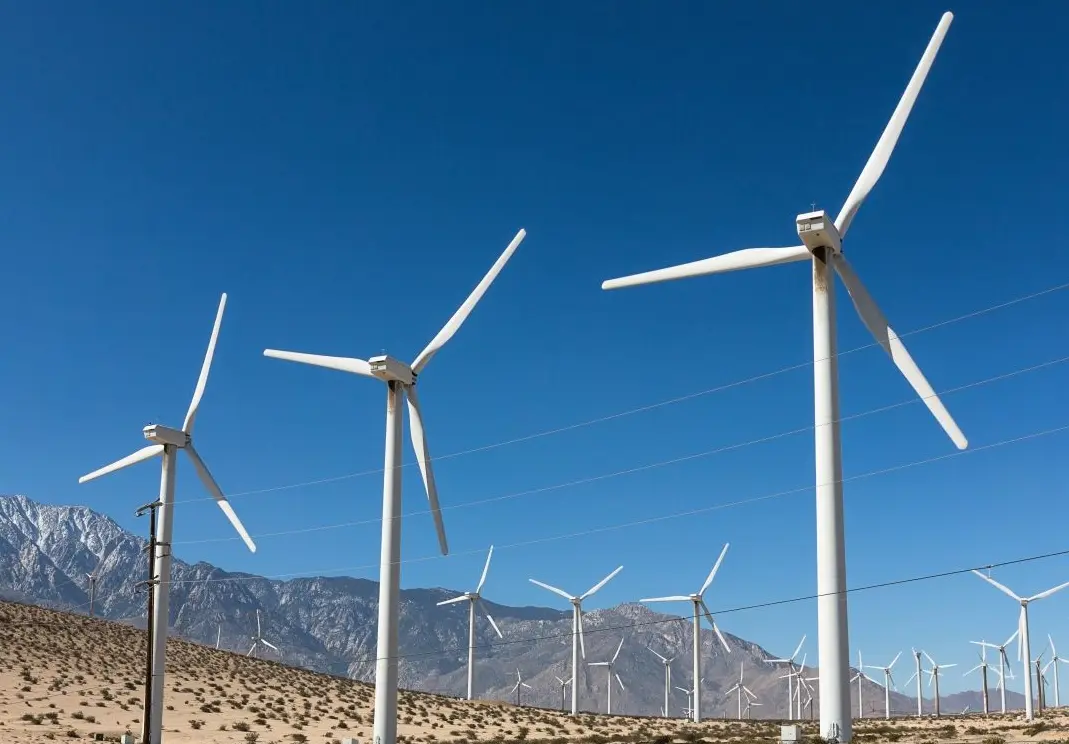
Wind turbines are towering structures that harness the kinetic energy of wind to generate electricity. Standing on tall towers, they feature large, aerodynamic blades typically made of fiberglass or composite materials, which rotate when wind flows over them. This rotation drives a shaft connected to a generator, converting mechanical energy into electrical power. Available in various sizes, from small units for residential use to massive offshore models, wind turbines produce clean, renewable energy with minimal environmental impact, reducing greenhouse gas emissions and dependence on fossil fuels. They are often grouped in wind farms, both onshore and offshore, to maximize energy output and contribute to sustainable power grids.
Table of Contents
- Part 1: Best AI Quiz Making Software for Creating A Wind Turbines Quiz
- Part 2: 20 Wind Turbines Quiz Questions & Answers
- Part 3: Try OnlineExamMaker AI Question Generator to Create Quiz Questions
Part 1: Best AI Quiz Making Software for Creating A Wind Turbines Quiz
OnlineExamMaker is a powerful AI-powered assessment platform to create auto-grading Wind Turbines skills assessments. It’s designed for educators, trainers, businesses, and anyone looking to generate engaging quizzes without spending hours crafting questions manually. The AI Question Generator feature allows you to input a topic or specific details, and it generates a variety of question types automatically.
Top features for assessment organizers:
● Combines AI webcam monitoring to capture cheating activities during online exam.
● Enhances assessments with interactive experience by embedding video, audio, image into quizzes and multimedia feedback.
● Once the exam ends, the exam scores, question reports, ranking and other analytics data can be exported to your device in Excel file format.
● API and SSO help trainers integrate OnlineExamMaker with Google Classroom, Microsoft Teams, CRM and more.
Automatically generate questions using AI
Part 2: 20 Wind Turbines Quiz Questions & Answers
or
1. What is the primary function of the blades in a wind turbine?
A) To generate electricity
B) To capture wind energy and convert it to rotational motion
C) To store energy
D) To transmit electricity
Answer: B
Explanation: The blades are aerodynamically shaped to catch the wind, causing the rotor to spin and initiate the energy conversion process.
2. Which component of a wind turbine converts mechanical energy into electrical energy?
A) Blades
B) Tower
C) Generator
D) Nacelle
Answer: C
Explanation: The generator uses the rotational motion from the rotor to produce electricity through electromagnetic induction.
3. What is the typical range of wind speeds required for a wind turbine to operate efficiently?
A) 0-5 km/h
B) 10-50 km/h
C) 50-100 km/h
D) Over 100 km/h
Answer: B
Explanation: Wind turbines are designed to start generating power at around 10-15 km/h and reach peak efficiency between 30-50 km/h, shutting down above that to prevent damage.
4. How does a wind turbine’s orientation adjust to wind direction?
A) Through manual controls
B) Using a yaw mechanism
C) By changing blade angles only
D) It doesn’t adjust
Answer: B
Explanation: The yaw mechanism rotates the nacelle to face the wind, ensuring the blades capture the maximum possible energy.
5. What type of energy is directly converted by wind turbines?
A) Solar energy
B) Kinetic energy
C) Thermal energy
D) Potential energy
Answer: B
Explanation: Wind turbines convert the kinetic energy of moving air into mechanical energy, which is then turned into electricity.
6. Which factor most significantly affects the power output of a wind turbine?
A) Color of the blades
B) Wind speed
C) Ambient temperature
D) Noise level
Answer: B
Explanation: Power output is proportional to the cube of wind speed, meaning even small increases in speed can greatly enhance energy production.
7. What is the purpose of the gearbox in a wind turbine?
A) To increase the rotational speed from the rotor to the generator
B) To store excess energy
C) To cool the blades
D) To anchor the turbine
Answer: A
Explanation: The gearbox steps up the low rotational speed of the blades to the higher speed required by the generator for efficient electricity production.
8. Why are wind turbines often installed in offshore locations?
A) For aesthetic reasons
B) Because wind speeds are higher and more consistent over water
C) To reduce maintenance costs
D) Because land is cheaper
Answer: B
Explanation: Offshore sites offer stronger and steadier winds, leading to higher energy yields compared to many onshore locations.
9. What is the Betz limit in the context of wind turbines?
A) The maximum efficiency achievable by a wind turbine
B) The minimum wind speed required
C) The lifespan of turbine blades
D) The cost of installation
Answer: A
Explanation: The Betz limit is a theoretical maximum of 59.3% efficiency for converting wind energy to mechanical energy in an ideal wind turbine.
10. How do pitch control systems function in wind turbines?
A) By changing the angle of the blades to optimize performance
B) By increasing the height of the tower
C) By adding more blades
D) By reducing wind speed
Answer: A
Explanation: Pitch control adjusts the blade angles to control rotor speed, protecting the turbine in high winds and maximizing energy capture in varying conditions.
11. What environmental benefit is most associated with wind turbines?
A) Producing greenhouse gases
B) Reducing reliance on fossil fuels
C) Increasing water usage
D) Requiring large amounts of land for mining
Answer: B
Explanation: Wind turbines generate electricity without emitting greenhouse gases, helping to combat climate change by displacing fossil fuel-based energy sources.
12. Which material is commonly used for wind turbine blades?
A) Steel
B) Fiberglass or carbon fiber composites
C) Wood
D) Concrete
Answer: B
Explanation: Fiberglass and carbon fiber composites are lightweight, strong, and resistant to fatigue, making them ideal for the demanding conditions of wind turbine blades.
13. What happens when wind speed exceeds a turbine’s cut-out speed?
A) The turbine speeds up for more power
B) It automatically shuts down to prevent damage
C) It switches to battery storage
D) It increases blade pitch
Answer: B
Explanation: The cut-out speed is a safety feature that stops the turbine to avoid structural failure during extreme winds.
14. How does the size of a wind turbine affect its energy production?
A) Larger turbines produce less energy
B) Size has no effect
C) Larger turbines can capture more wind energy due to greater swept area
D) Only height matters, not rotor diameter
Answer: C
Explanation: A larger rotor diameter increases the area over which wind is captured, directly leading to higher energy output.
15. What is the role of anemometers in wind turbines?
A) To measure wind speed and direction
B) To generate electricity
C) To lubricate moving parts
D) To paint the blades
Answer: A
Explanation: Anemometers provide real-time data on wind conditions, allowing the turbine to adjust operations for optimal performance and safety.
16. Why might wind turbines be less efficient in turbulent wind conditions?
A) Turbulence increases wind speed
B) It causes uneven forces on the blades, reducing stability and energy capture
C) Turbulence has no effect
D) It cools the generator
Answer: B
Explanation: Turbulent winds create inconsistent loads on the blades, leading to vibrations, potential damage, and lower overall efficiency.
17. What is a key advantage of vertical-axis wind turbines (VAWTs) over horizontal-axis ones?
A) They are more efficient in all conditions
B) They can capture wind from any direction without needing a yaw system
C) They require less maintenance
D) They produce more noise
Answer: B
Explanation: VAWTs do not need to align with the wind direction, making them suitable for areas with variable wind patterns.
18. How do wind farms minimize the impact of the “wake effect”?
A) By placing turbines very close together
B) By spacing turbines appropriately to reduce turbulence from upstream units
C) By increasing blade size
D) By adding solar panels
Answer: B
Explanation: Proper spacing in wind farms allows downstream turbines to avoid the reduced wind speeds and turbulence created by the wakes of upwind turbines.
19. What is the estimated lifespan of a typical wind turbine?
A) 5-10 years
B) 20-25 years
C) 50-60 years
D) 1-2 years
Answer: B
Explanation: With regular maintenance, wind turbines are designed to operate effectively for 20-25 years before major components may need replacement.
20. Which global region has the highest installed capacity of wind energy?
A) Africa
B) Asia-Pacific
C) Europe
D) North America
Answer: B
Explanation: As of recent data, the Asia-Pacific region, led by countries like China, has the largest installed wind energy capacity due to rapid expansion and supportive policies.
or
Part 3: Try OnlineExamMaker AI Question Generator to Create Quiz Questions
Automatically generate questions using AI