Kerosene, also known as paraffin, is a flammable hydrocarbon liquid derived from the distillation of crude oil. It is a clear, colorless to yellowish substance with a distinctive odor, typically consisting of hydrocarbons in the C10 to C16 range.
History:
Discovered in the mid-19th century, kerosene was first commercially produced by Canadian geologist Abraham Gesner in the 1840s as an alternative to whale oil for lighting. It gained widespread use during the Industrial Revolution for lamps and heaters, and later became essential in aviation and transportation.
Properties:
Kerosene has a boiling point ranging from 150°C to 300°C, a density of about 0.78-0.81 g/cm³, and a flash point around 38°C, making it less volatile than gasoline but still highly flammable. It is soluble in organic solvents and provides a high energy density, with an energy content of approximately 46.5 MJ/kg.
Uses:
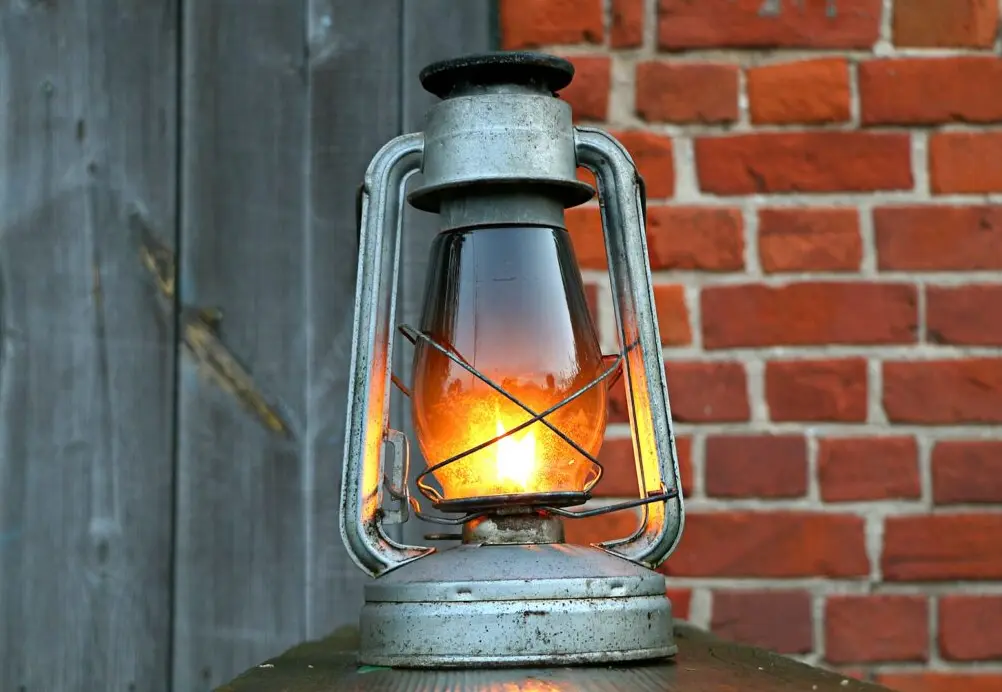
Primarily used as a fuel for jet aircraft (as in Jet A-1 fuel), kerosene powers turbines in aviation. It is also employed for domestic heating in stoves and heaters, lighting in lamps, and as a solvent in industrial applications like cleaning and pest control. In some regions, it serves as a cooking fuel in portable stoves.
Production and Refining:
Kerosene is obtained through fractional distillation of crude oil, where it is separated based on its boiling point. Refining processes include hydrotreating to remove impurities, ensuring it meets standards like those set by ASTM International for safety and performance.
Safety and Environmental Considerations:
While efficient, kerosene combustion produces carbon dioxide and other pollutants, contributing to air pollution and climate change. It is hazardous if mishandled, with risks of fire, explosion, and health issues from inhalation or skin contact. Proper storage in ventilated areas and use of safety equipment are essential. Environmentally, efforts are underway to develop bio-kerosene from renewable sources to reduce fossil fuel dependency.
Table of Contents
- Part 1: OnlineExamMaker AI Quiz Generator – The Easiest Way to Make Quizzes Online
- Part 2: 20 Kerosene Quiz Questions & Answers
- Part 3: OnlineExamMaker AI Question Generator: Generate Questions for Any Topic
Part 1: OnlineExamMaker AI Quiz Generator – The Easiest Way to Make Quizzes Online
When it comes to ease of creating a Kerosene skills assessment, OnlineExamMaker is one of the best AI-powered quiz making software for your institutions or businesses. With its AI Question Generator, just upload a document or input keywords about your assessment topic, you can generate high-quality quiz questions on any topic, difficulty level, and format.
What you will like:
● AI Question Generator to help you save time in creating quiz questions automatically.
● Share your online exam with audiences on social platforms like Facebook, Twitter, Reddit and more.
● Display the feedback for correct or incorrect answers instantly after a question is answered.
● Create a lead generation form to collect an exam taker’s information, such as email, mobile phone, work title, company profile and so on.
Automatically generate questions using AI
Part 2: 20 Kerosene Quiz Questions & Answers
or
1. Question: What is kerosene primarily derived from?
Options:
A) Coal
B) Natural gas
C) Crude oil
D) Biomass
Answer: C
Explanation: Kerosene is obtained through the fractional distillation of crude oil, typically from the middle distillates.
2. Question: Which of the following is a common use of kerosene?
Options:
A) Cooking gas
B) Jet fuel
C) Automotive gasoline
D) Natural gas for heating
Answer: B
Explanation: Kerosene is widely used as jet fuel in aviation due to its high energy content and low freezing point.
3. Question: What is the typical boiling range of kerosene in degrees Celsius?
Options:
A) 30-90
B) 150-300
C) 300-400
D) 400-500
Answer: B
Explanation: Kerosene has a boiling range of approximately 150-300°C during the refining process, which separates it from other petroleum fractions.
4. Question: Why is kerosene often used in lamps and heaters?
Options:
A) It produces no smoke
B) It burns with a clean, bright flame
C) It is cheaper than electricity
D) It is non-flammable
Answer: B
Explanation: Kerosene burns with a relatively clean and bright flame, making it suitable for lighting and heating in areas without electricity.
5. Question: What is the primary chemical composition of kerosene?
Options:
A) Alcohols
B) Hydrocarbons
C) Acids
D) Esters
Answer: B
Explanation: Kerosene consists mainly of hydrocarbons, specifically paraffins, naphthenes, and aromatic hydrocarbons, derived from petroleum.
6. Question: In which year was kerosene first commercially produced?
Options:
A) 1850
B) 1846
C) 1900
D) 1920
Answer: B
Explanation: Kerosene was first commercially produced in 1846 by Abraham Gesner, who patented a process for distilling it from coal and oil.
7. Question: What safety precaution is essential when handling kerosene?
Options:
A) Storing it near open flames
B) Using it in unventilated areas
C) Keeping it away from ignition sources
D) Mixing it with water
Answer: C
Explanation: Kerosene is highly flammable, so it must be stored and handled away from ignition sources to prevent fires or explosions.
8. Question: Which country is one of the largest producers of kerosene?
Options:
A) Saudi Arabia
B) Brazil
C) Germany
D) Canada
Answer: A
Explanation: Saudi Arabia is a major producer of kerosene as part of its petroleum refining industry, exporting significant quantities globally.
9. Question: What environmental concern is associated with kerosene use?
Options:
A) It produces no emissions
B) It contributes to air pollution and greenhouse gases
C) It is biodegradable
D) It has no impact on ozone
Answer: B
Explanation: Burning kerosene releases carbon dioxide and other pollutants, contributing to air pollution and climate change.
10. Question: How does kerosene differ from gasoline in terms of viscosity?
Options:
A) Kerosene is more viscous
B) Kerosene is less viscous
C) They have the same viscosity
D) Viscosity varies by brand
Answer: A
Explanation: Kerosene is thicker and more viscous than gasoline, which makes it suitable for applications requiring a slower burn rate.
11. Question: What is the flash point of kerosene typically above?
Options:
A) 0°C
B) 38°C
C) 100°C
D) 150°C
Answer: B
Explanation: Kerosene has a flash point above 38°C, making it safer for storage and transport compared to fuels with lower flash points.
12. Question: Which device commonly uses kerosene as fuel in remote areas?
Options:
A) Electric generators
B) Pressure cookers
C) Kerosene stoves
D) Solar panels
Answer: C
Explanation: Kerosene stoves are widely used in remote or off-grid areas for cooking and heating due to their portability and efficiency.
13. Question: What process is used to refine kerosene from crude oil?
Options:
A) Fermentation
B) Fractional distillation
C) Electrolysis
D) Combustion
Answer: B
Explanation: Fractional distillation separates crude oil into components based on boiling points, isolating kerosene in the process.
14. Question: Why is kerosene blended with other fuels in some applications?
Options:
A) To increase its color
B) To improve its burning efficiency
C) To make it explosive
D) To reduce its cost
Answer: B
Explanation: Blending kerosene with other fuels can enhance its combustion properties, such as improving efficiency in jet engines.
15. Question: What is the approximate energy density of kerosene in MJ/L?
Options:
A) 10
B) 25
C) 37
D) 50
Answer: C
Explanation: Kerosene has an energy density of about 37 MJ/L, which is why it is effective for high-energy applications like aviation.
16. Question: Which factor affects the quality of kerosene?
Options:
A) Its pH level
B) Sulfur content
C) Sugar content
D) Water solubility
Answer: B
Explanation: High sulfur content in kerosene can lead to increased emissions and corrosion, so low-sulfur variants are preferred for quality.
17. Question: In what form is kerosene often transported?
Options:
A) Solid blocks
B) Liquid in tanks
C) Gas cylinders
D) Powder form
Answer: B
Explanation: Kerosene is a liquid at room temperature and is typically transported in tanks, pipelines, or drums for safety and efficiency.
18. Question: What health risk is associated with inhaling kerosene vapors?
Options:
A) No risks
B) Respiratory irritation
C) Improved vision
D) Increased energy
Answer: B
Explanation: Inhaling kerosene vapors can cause respiratory irritation, dizziness, and other health issues due to its volatile organic compounds.
19. Question: How has the demand for kerosene changed with modern energy sources?
Options:
A) It has increased dramatically
B) It has decreased in developed areas
C) It remains stable worldwide
D) It is only used in agriculture
Answer: B
Explanation: The demand for kerosene has declined in developed regions due to the shift to electricity and natural gas, though it persists in some developing areas.
20. Question: What is a key advantage of using kerosene over diesel in certain engines?
Options:
A) It is cheaper
B) It has a higher cetane number
C) It produces less smoke
D) It is more readily available
Answer: C
Explanation: Kerosene generally produces less smoke and soot when burned compared to diesel, making it preferable in some aviation and heating applications.
or
Part 3: OnlineExamMaker AI Question Generator: Generate Questions for Any Topic
Automatically generate questions using AI