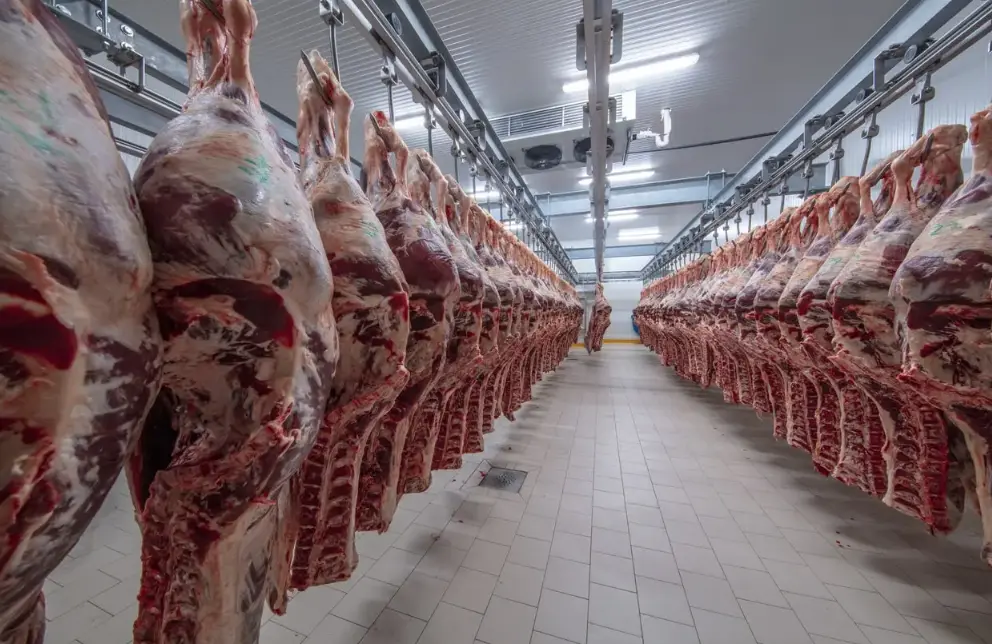
The meat industry encompasses the production, processing, and distribution of animal-derived products, including beef, pork, poultry, lamb, and seafood, serving global food systems. It plays a pivotal role in agriculture and economies, contributing significantly to GDP in countries like the United States, Brazil, and China.
Globally, production reached approximately 337 million tons in 2022, according to the Food and Agriculture Organization (FAO), with poultry leading as the most consumed meat due to its affordability and versatility. Key regions include North America and Europe for advanced processing, while Asia-Pacific drives demand through population growth and rising incomes.
The supply chain involves livestock farming, slaughtering, packaging, and retail. Industrial farming methods, such as concentrated animal feeding operations (CAFOs), enable high efficiency but raise concerns about animal welfare, antibiotic use, and environmental impacts like deforestation and greenhouse gas emissions.
Economically, the industry generates trillions in revenue annually, employing millions in farming, transportation, and food services. Major players include Tyson Foods, JBS, and Cargill, which dominate through vertical integration and global exports. Trade agreements like the USMCA influence market dynamics, with exports from Australia and New Zealand bolstering international supply.
Challenges include sustainability issues, such as water usage and methane emissions, prompting shifts toward plant-based alternatives and lab-grown meat. Health debates center on red meat’s links to diseases, leading to regulatory scrutiny and consumer trends favoring organic and ethical sourcing.
Looking ahead, innovations like precision agriculture and alternative proteins are reshaping the sector. By 2030, the industry is projected to grow at a 3-5% CAGR, driven by urbanization and protein demand, but must address climate goals and ethical standards to remain viable.
Table of Contents
- Part 1: OnlineExamMaker AI Quiz Maker – Make A Free Quiz in Minutes
- Part 2: 20 Meat Industry Quiz Questions & Answers
- Part 3: AI Question Generator – Automatically Create Questions for Your Next Assessment
Part 1: OnlineExamMaker AI Quiz Maker – Make A Free Quiz in Minutes
What’s the best way to create a Meat Industry quiz online? OnlineExamMaker is the best AI quiz making software for you. No coding, and no design skills required. If you don’t have the time to create your online quiz from scratch, you are able to use OnlineExamMaker AI Question Generator to create question automatically, then add them into your online assessment. What is more, the platform leverages AI proctoring and AI grading features to streamline the process while ensuring exam integrity.
Key features of OnlineExamMaker:
● Create up to 10 question types, including multiple-choice, true/false, fill-in-the-blank, matching, short answer, and essay questions.
● Build and store questions in a centralized portal, tagged by categories and keywords for easy reuse and organization.
● Automatically scores multiple-choice, true/false, and even open-ended/audio responses using AI, reducing manual work.
● Create certificates with personalized company logo, certificate title, description, date, candidate’s name, marks and signature.
Automatically generate questions using AI
Part 2: 20 Meat Industry Quiz Questions & Answers
or
1. Question: What is the primary purpose of the Hazard Analysis and Critical Control Points (HACCP) system in the meat industry?
A. To increase meat production efficiency
B. To ensure food safety by identifying and controlling hazards
C. To regulate animal feed ingredients
D. To promote ethical animal farming practices
Answer: B
Explanation: HACCP is a systematic approach designed to prevent biological, chemical, and physical hazards in food production, making it essential for maintaining safety standards in meat processing.
2. Question: Which cut of beef is typically used for making steaks like filet mignon?
A. Brisket
B. Tenderloin
C. Chuck
D. Shank
Answer: B
Explanation: The tenderloin is a lean and tender cut from the loin area of the cow, making it ideal for high-quality steaks due to its low fat content and tenderness.
3. Question: What is the main cause of bovine spongiform encephalopathy (BSE) in cattle?
A. Bacterial infection from contaminated water
B. Prion proteins from infected feed
C. Viral transmission through insects
D. Overfeeding of grains
Answer: B
Explanation: BSE, or mad cow disease, is caused by misfolded prion proteins that are often transmitted through contaminated animal feed, leading to neurological degeneration.
4. Question: In meat processing, what does “aging” refer to?
A. Adding preservatives to extend shelf life
B. Allowing meat to rest and develop flavor and tenderness
C. Freezing meat at sub-zero temperatures
D. Grinding meat into smaller pieces
Answer: B
Explanation: Aging involves storing meat under controlled conditions to break down connective tissues, enhancing its tenderness and flavor through enzymatic processes.
5. Question: Which organization in the United States is primarily responsible for inspecting meat products?
A. FDA
B. USDA
C. EPA
D. CDC
Answer: B
Explanation: The USDA’s Food Safety and Inspection Service (FSIS) oversees the inspection of meat, poultry, and processed egg products to ensure they are safe for consumption.
6. Question: What is the most common method for preserving meat to prevent bacterial growth?
A. Smoking
B. Refrigeration
C. Canning
D. Dehydration
Answer: B
Explanation: Refrigeration slows down the growth of bacteria by keeping meat at temperatures below 40°F (4°C), making it the standard method for short-term preservation.
7. Question: Which type of meat is derived from pigs?
A. Beef
B. Pork
C. Lamb
D. Venison
Answer: B
Explanation: Pork comes from domesticated pigs and is one of the most widely consumed meats globally, known for its versatility in various dishes.
8. Question: What is marbling in meat?
A. The color of the meat’s surface
B. Intramuscular fat that enhances flavor and tenderness
C. The outer layer of skin on poultry
D. Blood vessels visible in raw meat
Answer: B
Explanation: Marbling refers to the white flecks of fat within the muscle tissue, which improves the meat’s juiciness and taste when cooked.
9. Question: Which factor has the greatest impact on the environmental footprint of the meat industry?
A. Packaging materials
B. Greenhouse gas emissions from livestock
C. Transportation of finished products
D. Water usage in slaughterhouses
Answer: B
Explanation: Livestock production, particularly from ruminants like cattle, contributes significantly to methane emissions, a potent greenhouse gas, affecting climate change.
10. Question: What is the primary role of lactic acid bacteria in meat fermentation?
A. To add color to the meat
B. To produce acids that preserve and flavor the meat
C. To increase the meat’s protein content
D. To remove moisture from the surface
Answer: B
Explanation: Lactic acid bacteria convert sugars into lactic acid during fermentation, lowering pH levels to inhibit spoilage and develop flavors in products like salami.
11. Question: Which meat processing technique involves grinding and mixing with spices?
A. Curing
B. Sausagemaking
C. Smoking
D. Brining
Answer: B
Explanation: Sausagemaking grinds meat and combines it with seasonings, allowing for even distribution of flavors and easier preservation.
12. Question: What is the recommended internal temperature for safely cooking ground beef?
A. 145°F (63°C)
B. 160°F (71°C)
C. 165°F (74°C)
D. 180°F (82°C)
Answer: B
Explanation: Ground beef should reach 160°F (71°C) to kill potential pathogens like E. coli, which can be present on the surface and mixed throughout.
13. Question: Which animal is the largest source of global meat production?
A. Chicken
B. Pig
C. Cattle
D. Sheep
Answer: A
Explanation: Chicken meat production surpasses others due to its efficiency, lower feed requirements, and high global demand for poultry.
14. Question: What does the term “halal” mean in the context of meat?
A. Prepared according to Jewish dietary laws
B. Slaughtered in a manner compliant with Islamic law
C. Organic and free-range farming
D. Cured with specific salts
Answer: B
Explanation: Halal meat follows Islamic guidelines, including humane slaughter methods and avoidance of certain substances, ensuring it meets religious standards.
15. Question: In the meat industry, what is “rendering”?
A. Cutting meat into portions
B. Processing animal by-products into fats and proteins
C. Smoking meat for flavor
D. Aging meat in a controlled environment
Answer: B
Explanation: Rendering involves heating animal tissues to separate fats and proteins, which are then used in products like tallow or pet food.
16. Question: Which pathogen is most commonly associated with undercooked pork?
A. Salmonella
B. Trichinella
C. Listeria
D. Campylobacter
Answer: B
Explanation: Trichinella parasites can cause trichinosis if pork is not cooked thoroughly, making proper cooking essential in pork processing and consumption.
17. Question: What is the main benefit of using high-pressure processing in meat preservation?
A. It enhances the meat’s color
B. It extends shelf life without heat, preserving nutrients
C. It adds artificial flavors
D. It reduces the meat’s weight
Answer: B
Explanation: High-pressure processing inactivates bacteria and enzymes without high temperatures, maintaining the meat’s quality and nutritional value.
18. Question: Which cut of lamb is often used for roasting?
A. Leg
B. Rib
C. Shoulder
D. All of the above
Answer: D
Explanation: Leg, rib, and shoulder cuts of lamb are all suitable for roasting due to their balance of fat and muscle, which roasts well for tenderness and flavor.
19. Question: What is the purpose of adding phosphates in processed meats?
A. To improve texture and retain moisture
B. To add sweetness
C. To increase protein content
D. To change the meat’s color
Answer: A
Explanation: Phosphates help bind water in processed meats, improving juiciness and texture while reducing cooking losses.
20. Question: Which factor primarily influences the quality grading of beef in the U.S.?
A. Animal breed
B. Marbling and maturity
C. Farm location
D. Processing speed
Answer: B
Explanation: The USDA grades beef based on marbling (intramuscular fat) and the animal’s maturity, as these directly affect tenderness, flavor, and overall quality.
or
Part 3: AI Question Generator – Automatically Create Questions for Your Next Assessment
Automatically generate questions using AI