The food industry encompasses the entire spectrum of activities involved in producing, processing, distributing, and selling food products, from farm to table. It is a vast, global sector that includes agriculture, fisheries, food manufacturing, packaging, retail, and food services.
Key components of the industry include:
– Agriculture and Primary Production: This involves growing crops, raising livestock, and harvesting seafood, forming the foundation of the food supply chain. It is influenced by factors such as climate, technology (e.g., genetically modified organisms and precision farming), and sustainable practices like organic farming.
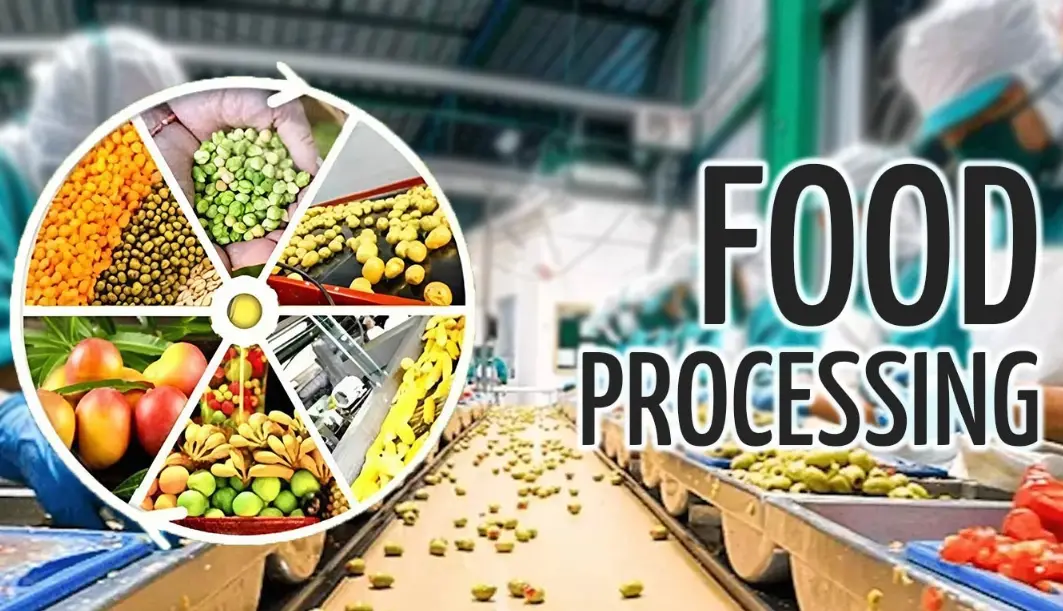
– Food Processing and Manufacturing: Raw materials are transformed into consumable products through processes like canning, freezing, baking, and packaging. This sector focuses on extending shelf life, enhancing nutritional value, and meeting consumer demands for convenience foods, ready-to-eat meals, and specialized diets.
– Distribution and Logistics: Efficient supply chains ensure products reach markets via transportation, warehousing, and inventory management. Globalization has expanded trade, with companies navigating complex networks to handle imports, exports, and e-commerce.
– Retail and Food Services: This includes supermarkets, restaurants, fast-food chains, and online platforms. Retailers emphasize branding, marketing, and consumer trends, such as plant-based alternatives and health-focused options.
The industry is driven by major trends, including a shift toward sustainability to address environmental concerns like climate change and resource depletion. Health and wellness are prominent, with rising demand for organic, non-GMO, and functional foods that offer benefits like probiotics or fortified nutrients. Technological innovations, such as blockchain for traceability, AI for predictive analytics, and automation in processing, are enhancing efficiency and reducing waste.
Economically, the food industry is a cornerstone of global GDP, employing millions and contributing to trade balances. In 2023, it generated trillions in revenue worldwide, with regions like North America, Europe, and Asia-Pacific leading in innovation and consumption.
Challenges include maintaining food safety and quality amid rising regulations, managing supply chain disruptions from events like pandemics or natural disasters, and addressing issues like food insecurity and obesity. Additionally, the sector grapples with ethical concerns, such as animal welfare and fair labor practices.
Looking forward, the industry is evolving with opportunities in alternative proteins (e.g., lab-grown meat), personalized nutrition via data analytics, and circular economy models that minimize waste. As consumer preferences shift toward ethical and eco-friendly options, companies that adapt through innovation and collaboration will thrive.
Table of Contents
- Part 1: OnlineExamMaker AI Quiz Generator – Save Time and Efforts
- Part 2: 20 Food Industry Quiz Questions & Answers
- Part 3: AI Question Generator – Automatically Create Questions for Your Next Assessment
Part 1: OnlineExamMaker AI Quiz Generator – Save Time and Efforts
Still spend a lot of time in editing questions for your next Food Industry assessment? OnlineExamMaker is an AI quiz maker that leverages artificial intelligence to help users create quizzes, tests, and assessments quickly and efficiently. You can start by inputting a topic or specific details into the OnlineExamMaker AI Question Generator, and the AI will generate a set of questions almost instantly. It also offers the option to include answer explanations, which can be short or detailed, helping learners understand their mistakes.
What you may like:
● Automatic grading and insightful reports. Real-time results and interactive feedback for quiz-takers.
● The exams are automatically graded with the results instantly, so that teachers can save time and effort in grading.
● LockDown Browser to restrict browser activity during quizzes to prevent students searching answers on search engines or other software.
● OnlineExamMaker API offers private access for developers to extract your exam data back into your system automatically.
Automatically generate questions using AI
Part 2: 20 Food Industry Quiz Questions & Answers
or
1. What is the primary function of pasteurization in the food industry?
A. To add flavor to food products
B. To kill harmful microorganisms in liquids like milk
C. To increase the nutritional value of food
D. To change the color of food items
Answer: B
Explanation: Pasteurization heats food to a specific temperature to eliminate pathogens without significantly affecting the quality, ensuring safety for consumption.
2. Which organization is responsible for setting international food safety standards?
A. World Health Organization (WHO)
B. Food and Drug Administration (FDA)
C. Codex Alimentarius Commission
D. European Food Safety Authority (EFSA)
Answer: C
Explanation: The Codex Alimentarius Commission develops harmonized international food standards, guidelines, and codes of practice to protect consumer health and ensure fair practices in food trade.
3. What does the acronym GMO stand for in the context of food production?
A. Genetically Modified Organism
B. General Manufacturing Output
C. Global Market Organization
D. Grain Management Operation
Answer: A
Explanation: GMOs are organisms whose genetic material has been altered using genetic engineering techniques, often to improve crop yield, pest resistance, or nutritional content in food production.
4. Which preservation method involves removing moisture from food to extend shelf life?
A. Canning
B. Freezing
C. Dehydration
D. Fermentation
Answer: C
Explanation: Dehydration reduces the water content in food, inhibiting the growth of bacteria, yeasts, and molds, thereby preventing spoilage and extending storage time.
5. What is the main purpose of Hazard Analysis and Critical Control Points (HACCP) in food processing?
A. To maximize profits
B. To identify and prevent food safety hazards
C. To enhance food aesthetics
D. To reduce labor costs
Answer: B
Explanation: HACCP is a preventive system that identifies potential hazards in food production and establishes critical control points to ensure food safety and compliance with regulations.
6. Which nutrient is primarily responsible for providing energy in the form of calories from food?
A. Vitamins
B. Carbohydrates
C. Minerals
D. Water
Answer: B
Explanation: Carbohydrates are the body’s main source of energy, broken down into glucose for immediate use or stored as glycogen, making them essential in the food industry for energy-dense products.
7. In food labeling, what does “best before” date indicate?
A. The date after which the product is unsafe
B. The peak quality period for consumption
C. The manufacturing date
D. The expiration for nutritional value
Answer: B
Explanation: The “best before” date indicates when the food is at its highest quality in terms of flavor, texture, and nutritional value, though it may still be safe to eat afterward under proper storage.
8. Which process is used to convert raw milk into cheese?
A. Fermentation
B. Distillation
C. Evaporation
D. Crystallization
Answer: A
Explanation: Fermentation involves bacteria or enzymes breaking down milk proteins and sugars, leading to curdling and the formation of cheese, a key technique in dairy product manufacturing.
9. What is the role of antioxidants in food preservation?
A. To enhance color
B. To prevent oxidation and rancidity
C. To add sweetness
D. To increase acidity
Answer: B
Explanation: Antioxidants inhibit the oxidation process in foods, which can cause spoilage, discoloration, and loss of nutrients, thereby extending the shelf life of products like oils and fruits.
10. Which food safety practice involves keeping raw and cooked foods separate?
A. Sanitization
B. Cross-contamination prevention
C. Temperature control
D. Packaging
Answer: B
Explanation: Preventing cross-contamination ensures that pathogens from raw foods do not transfer to ready-to-eat foods, reducing the risk of foodborne illnesses in handling and preparation.
11. What is the primary ingredient in most plant-based milk alternatives?
A. Cow’s milk
B. Nuts or grains like almonds or oats
C. Eggs
D. Meat extracts
Answer: B
Explanation: Plant-based milks are derived from sources like nuts, seeds, or grains, which are processed with water to create a milky liquid, catering to vegan and dairy-free diets in the food industry.
12. Which regulatory body in the United States oversees food additives?
A. Environmental Protection Agency (EPA)
B. Food and Drug Administration (FDA)
C. United States Department of Agriculture (USDA)
D. World Trade Organization (WTO)
Answer: B
Explanation: The FDA evaluates and approves food additives for safety, ensuring they meet standards that protect public health while allowing innovation in food products.
13. What does the term “organic” mean in food production?
A. Grown with synthetic pesticides
B. Produced without synthetic chemicals or GMOs
C. Processed with artificial flavors
D. High in calories
Answer: B
Explanation: Organic food is produced using methods that avoid synthetic fertilizers, pesticides, and genetically modified organisms, promoting environmental sustainability and natural practices.
14. Which method is commonly used for large-scale food packaging to extend shelf life?
A. Vacuum sealing
B. Modified Atmosphere Packaging (MAP)
C. Open-air storage
D. Freezing without wrapping
Answer: B
Explanation: MAP replaces the air in packaging with a specific gas mixture to slow down spoilage, oxidation, and microbial growth, ideal for perishable items like meats and vegetables.
15. What is the key factor in determining the nutritional value of a food product?
A. Color and appearance
B. Composition of macronutrients and micronutrients
C. Packaging design
D. Brand popularity
Answer: B
Explanation: Nutritional value is based on the balance of proteins, fats, carbohydrates, vitamins, and minerals, which directly influence health benefits and dietary requirements.
16. In the food industry, what is a common cause of food recalls?
A. Overproduction
B. Contamination by pathogens or allergens
C. High demand
D. Expired marketing campaigns
Answer: B
Explanation: Contamination can lead to health risks, prompting recalls to remove unsafe products from the market and protect consumers from potential illnesses.
17. Which technology is increasingly used for food traceability?
A. Blockchain
B. Traditional ledgers
C. Fax machines
D. Postal services
Answer: A
Explanation: Blockchain provides a secure, transparent way to track the journey of food from farm to table, helping to verify authenticity, safety, and reduce fraud in the supply chain.
18. What is the main benefit of hydroponics in food production?
A. It requires large land areas
B. It allows growing plants without soil, using nutrient-rich water
C. It increases dependency on pesticides
D. It slows down plant growth
Answer: B
Explanation: Hydroponics enables efficient, soil-free cultivation, conserving water and space while producing higher yields, which is advantageous for urban and sustainable food systems.
19. Which food processing technique involves high-pressure treatment to kill bacteria?
A. Boiling
B. High-Pressure Processing (HPP)
C. Baking
D. Frying
Answer: B
Explanation: HPP uses extreme pressure to inactivate pathogens and enzymes in food without heat, preserving nutrients and extending shelf life for products like juices and meats.
20. What role do probiotics play in the food industry?
A. They add artificial colors
B. They are live microorganisms that promote gut health
C. They preserve food through chemicals
D. They enhance food’s bitterness
Answer: B
Explanation: Probiotics, found in foods like yogurt, support digestive health by balancing gut bacteria, making them a popular addition in functional foods for health-conscious consumers.
or
Part 3: AI Question Generator – Automatically Create Questions for Your Next Assessment
Automatically generate questions using AI