The plastics industry is a global sector that produces synthetic or semi-synthetic materials derived from polymers, primarily sourced from fossil fuels like petroleum and natural gas. It plays a pivotal role in modern economies, contributing to manufacturing, packaging, construction, and consumer goods, with an estimated global market value exceeding $500 billion annually.
Historical Development:
Plastics emerged in the mid-19th century with the invention of celluloid in 1869 by John Wesley Hyatt, marking the first synthetic plastic. The industry accelerated in the 20th century, particularly after World War II, with innovations like polyethylene (invented in 1933) and polypropylene (1954), driven by wartime needs and post-war consumer demand.
Production and Types:
Production involves polymerization, where monomers are chemically bonded to form long chains. Key types include thermoplastics (e.g., polyethylene, polypropylene, PVC), which can be melted and reshaped, and thermosets (e.g., epoxy resins), which harden permanently. Global production reached over 400 million metric tons in 2022, with major regions including Asia-Pacific (China as the largest producer), North America, and Europe.
Applications and Uses:
Plastics are ubiquitous, used in packaging (e.g., bottles, bags), automotive parts (e.g., dashboards, bumpers), electronics (e.g., casings for devices), medical devices (e.g., syringes, implants), and construction (e.g., pipes, insulation). Their lightweight, durable, and versatile properties make them essential for reducing costs and improving efficiency in these sectors.
Environmental Impact:
While plastics offer benefits like longevity and energy efficiency, they pose significant challenges. Pollution from single-use items contributes to ocean debris, with microplastics affecting marine life. Recycling rates remain low (globally around 9%), leading to landfill accumulation and greenhouse gas emissions. Efforts toward sustainability include bio-based plastics (e.g., from plant starch) and circular economy initiatives to promote reuse and reduce waste.
Market Trends and Challenges:
The industry is growing at a CAGR of about 3-4% through 2030, fueled by demand in emerging markets and innovations in biodegradable materials. However, regulatory pressures, such as bans on single-use plastics in the EU and bans on microbeads in the US, are pushing for greener alternatives. Technological advancements, like 3D printing with plastics, are expanding applications, while supply chain disruptions from raw material shortages affect pricing.
Future Outlook:
The plastics industry is evolving toward sustainability, with a focus on recycled content, alternative feedstocks (e.g., from recycled CO2), and policy-driven changes. By 2050, projections suggest a shift to a circular model, potentially reducing environmental impact while maintaining economic contributions, though challenges like material innovation and consumer behavior will be key.
Table of Contents
- Part 1: OnlineExamMaker AI Quiz Generator – The Easiest Way to Make Quizzes Online
- Part 2: 20 Plastics Industry Quiz Questions & Answers
- Part 3: AI Question Generator – Automatically Create Questions for Your Next Assessment
Part 1: OnlineExamMaker AI Quiz Generator – The Easiest Way to Make Quizzes Online
Are you looking for an online assessment to test the Plastics Industry skills of your learners? OnlineExamMaker uses artificial intelligence to help quiz organizers to create, manage, and analyze exams or tests automatically. Apart from AI features, OnlineExamMaker advanced security features such as full-screen lockdown browser, online webcam proctoring, and face ID recognition.
Take a product tour of OnlineExamMaker:
● Includes a safe exam browser (lockdown mode), webcam and screen recording, live monitoring, and chat oversight to prevent cheating.
● AI Exam Grader for efficiently grading quizzes and assignments, offering inline comments, automatic scoring, and “fudge points” for manual adjustments.
● Embed quizzes on websites, blogs, or share via email, social media (Facebook, Twitter), or direct links.
● Handles large-scale testing (thousands of exams/semester) without internet dependency, backed by cloud infrastructure.
Automatically generate questions using AI
Part 2: 20 Plastics Industry Quiz Questions & Answers
or
1. Question: What is the primary raw material used in the production of most plastics?
A) Water
B) Petroleum
C) Natural gas
D) Coal
Answer: B) Petroleum
Explanation: Petroleum is the main source for producing monomers that polymerize into plastics, as it contains hydrocarbons essential for the chemical processes.
2. Question: Which type of plastic can be melted and reshaped multiple times?
A) Thermosetting plastics
B) Thermoplastics
C) Elastomers
D) Composites
Answer: B) Thermoplastics
Explanation: Thermoplastics soften when heated and harden when cooled, allowing them to be remolded without altering their chemical structure.
3. Question: What process is commonly used to produce plastic bottles?
A) Blow molding
B) Injection molding
C) Extrusion
D) Calendering
Answer: A) Blow molding
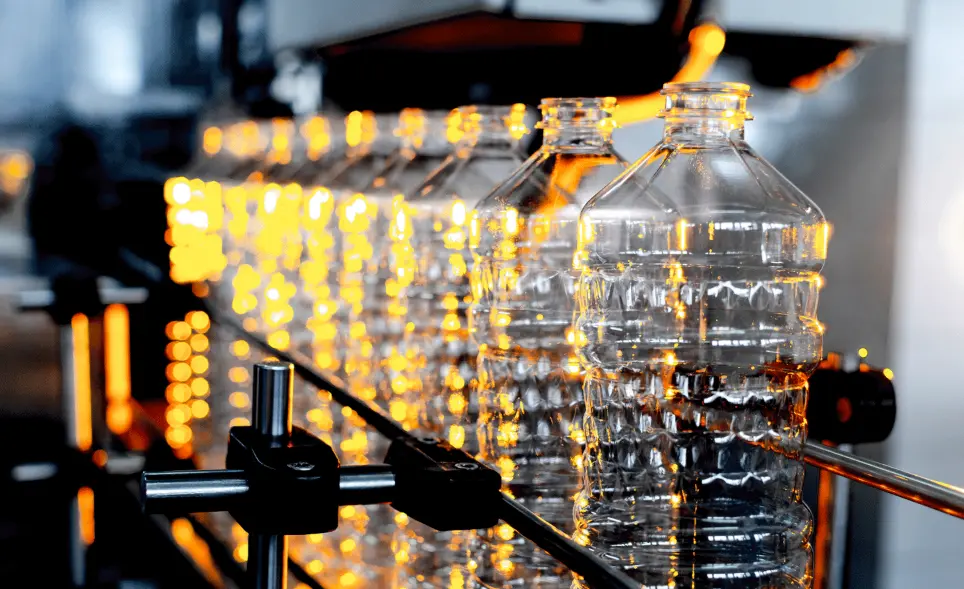
Explanation: Blow molding involves inflating a heated plastic tube inside a mold to form hollow objects like bottles, making it efficient for mass production.
4. Question: Which polymer is most commonly used for making plastic bags?
A) Polyethylene terephthalate (PET)
B) Polyvinyl chloride (PVC)
C) High-density polyethylene (HDPE)
D) Low-density polyethylene (LDPE)
Answer: D) Low-density polyethylene (LDPE)
Explanation: LDPE is flexible and durable, making it ideal for applications like plastic bags due to its low cost and ease of processing.
5. Question: What is the main environmental concern associated with plastics?
A) Biodegradability
B) Non-biodegradability and pollution
C) High energy consumption during production
D) Color fading
Answer: B) Non-biodegradability and pollution
Explanation: Plastics do not break down easily in the environment, leading to long-term pollution in oceans and landfills.
6. Question: Which recycling symbol indicates plastics that are widely recyclable?
A) Symbol 1 (PET)
B) Symbol 2 (HDPE)
C) Symbol 3 (PVC)
D) Symbol 7 (Others)
Answer: B) Symbol 2 (HDPE)
Explanation: HDPE, marked as recycling symbol 2, is one of the most commonly recycled plastics due to its strength and versatility in new products.
7. Question: What is the role of additives in plastics?
A) To change the color
B) To enhance properties like flexibility or flame resistance
C) To increase weight
D) To reduce production speed
Answer: B) To enhance properties like flexibility or flame resistance
Explanation: Additives are incorporated to improve specific characteristics of plastics, such as UV protection or stability, without altering the base polymer.
8. Question: Which plastic is often used in medical devices due to its transparency and biocompatibility?
A) Polystyrene (PS)
B) Polycarbonate (PC)
C) Polypropylene (PP)
D) Acrylonitrile butadiene styrene (ABS)
Answer: B) Polycarbonate (PC)
Explanation: Polycarbonate is valued for its clarity, impact resistance, and ability to be sterilized, making it suitable for items like surgical instruments.
9. Question: What does the term “polymerization” mean in the plastics industry?
A) Breaking down plastics into smaller molecules
B) Combining monomers to form long chains
C) Recycling plastics into new forms
D) Heating plastics to shape them
Answer: B) Combining monomers to form long chains
Explanation: Polymerization is the chemical process where small monomer units link together to create polymer chains, forming the basis of plastic materials.
10. Question: Which factor has contributed most to the growth of the plastics industry?
A) Increased demand for lightweight materials
B) Higher cost of metal alternatives
C) Limited availability of natural resources
D) Government bans on plastics
Answer: A) Increased demand for lightweight materials
Explanation: Plastics are favored in industries like automotive and packaging for their low weight, which reduces fuel consumption and transportation costs.
11. Question: What is extrusion in plastic manufacturing?
A) Forcing molten plastic through a die to create shapes
B) Injecting plastic into a mold
C) Pressing plastic into sheets
D) Blowing air into plastic to form bubbles
Answer: A) Forcing molten plastic through a die to create shapes
Explanation: Extrusion pushes heated plastic material through a shaped opening, producing continuous forms like pipes or films.
12. Question: Which plastic is derived from plants and is considered biodegradable?
A) Polyethylene (PE)
B) Polylactic acid (PLA)
C) Polyvinyl chloride (PVC)
D) Nylon
Answer: B) Polylactic acid (PLA)
Explanation: PLA is made from renewable resources like corn starch, allowing it to break down naturally under certain conditions, unlike traditional plastics.
13. Question: What is the purpose of plasticizers in PVC?
A) To make it harder
B) To increase its flexibility
C) To add color
D) To make it fire-resistant
Answer: B) To increase its flexibility
Explanation: Plasticizers are added to PVC to soften it and improve its pliability, making it suitable for applications like hoses and cables.
14. Question: Which method is used to test the strength of plastics?
A) Tensile testing
B) Color analysis
C) Weight measurement
D) Thermal conductivity test
Answer: A) Tensile testing
Explanation: Tensile testing measures how much a plastic can stretch before breaking, providing key data on its durability and mechanical properties.
15. Question: What is the impact of microplastics on marine life?
A) They provide nutrients
B) They cause ingestion and toxicity
C) They improve water quality
D) They enhance biodiversity
Answer: B) They cause ingestion and toxicity
Explanation: Microplastics are ingested by marine animals, leading to health issues and entering the food chain, which affects ecosystems.
16. Question: Which plastic is commonly used for food packaging due to its barrier properties?
A) Polyethylene terephthalate (PET)
B) Polystyrene (PS)
C) Ethylene vinyl alcohol (EVOH)
D) Polyurethane (PU)
Answer: A) Polyethylene terephthalate (PET)
Explanation: PET provides excellent barrier against oxygen and moisture, preserving food freshness and extending shelf life.
17. Question: What is the difference between thermoplastics and thermosets?
A) Thermoplastics are rigid, thermosets are flexible
B) Thermoplastics can be remelted, thermosets cannot
C) Thermosets are cheaper
D) Thermoplastics degrade faster
Answer: B) Thermoplastics can be remelted, thermosets cannot
Explanation: Thermosets undergo a chemical change during curing that makes them permanently hard, while thermoplastics remain reversible.
18. Question: Which innovation has helped reduce plastic waste?
A) Biodegradable additives
B) Increased plastic production
C) Single-use packaging
D) Non-recyclable designs
Answer: A) Biodegradable additives
Explanation: Biodegradable additives allow plastics to break down more quickly in the environment, addressing waste management challenges.
19. Question: What is injection molding primarily used for?
A) Creating large sheets
B) Producing complex, precise shapes
C) Extruding fibers
D) Blow-molding containers
Answer: B) Producing complex, precise shapes
Explanation: Injection molding injects molten plastic into a mold under high pressure, enabling the mass production of detailed items like toys and automotive parts.
20. Question: How does the plastics industry contribute to sustainability?
A) By increasing fossil fuel use
B) Through recycling and bio-based plastics
C) By promoting disposable products
D) By ignoring environmental regulations
Answer: B) Through recycling and bio-based plastics
Explanation: The industry is advancing with recycled materials and bio-based alternatives to minimize environmental impact and promote a circular economy.
or
Part 3: AI Question Generator – Automatically Create Questions for Your Next Assessment
Automatically generate questions using AI