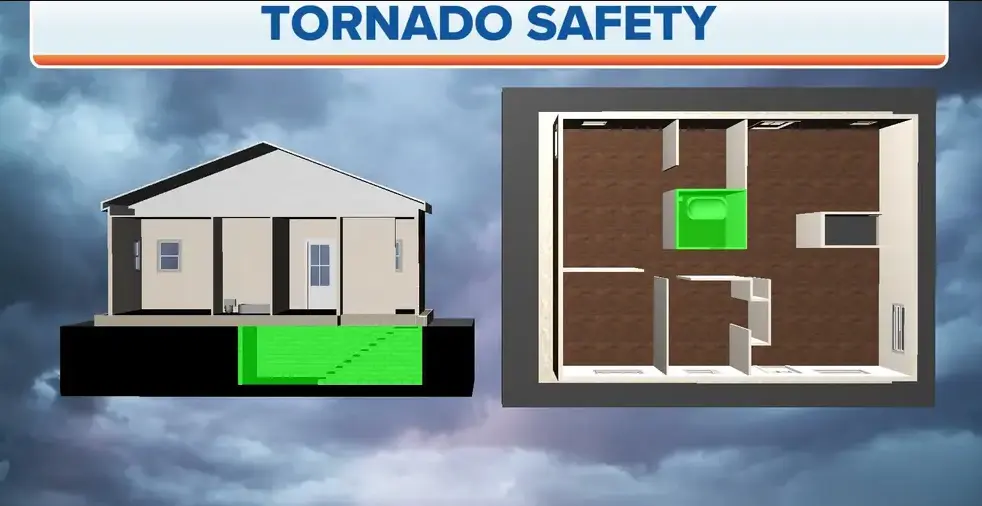
Tornadoes are powerful, rotating columns of air that can strike with little warning, causing devastating winds, debris, and flooding. To stay safe, preparation is key: create a family emergency plan, identify a sturdy shelter like a basement or an interior room without windows, and assemble an emergency kit with essentials such as water, non-perishable food, a first-aid kit, flashlight, battery-powered radio, and sturdy shoes.
Monitor weather alerts closely— a tornado watch means conditions are favorable for tornadoes, so stay informed, while a warning indicates one has been sighted or detected, signaling immediate action. If a tornado approaches, seek shelter immediately: go to the lowest level of a building, crouch in a small, interior room, cover your head and neck with your arms, and protect yourself from flying debris under a sturdy piece of furniture if possible. Avoid mobile homes, vehicles, and open areas; if outdoors, lie in a low-lying ditch and cover your head.
After the tornado passes, remain cautious—wait for official clearance before leaving shelter, watch for downed power lines, gas leaks, and unstable structures, and check for injuries. Document any damage for insurance and assist others only if it’s safe. Regular drills and staying informed through reliable sources like the National Weather Service can significantly reduce risks and save lives.
Table of Contents
- Part 1: OnlineExamMaker AI Quiz Maker – Make A Free Quiz in Minutes
- Part 2: 20 Tornado Safety Quiz Questions & Answers
- Part 3: AI Question Generator – Automatically Create Questions for Your Next Assessment
Part 1: OnlineExamMaker AI Quiz Maker – Make A Free Quiz in Minutes
What’s the best way to create a Tornado Safety quiz online? OnlineExamMaker is the best AI quiz making software for you. No coding, and no design skills required. If you don’t have the time to create your online quiz from scratch, you are able to use OnlineExamMaker AI Question Generator to create question automatically, then add them into your online assessment. What is more, the platform leverages AI proctoring and AI grading features to streamline the process while ensuring exam integrity.
Key features of OnlineExamMaker:
● Create up to 10 question types, including multiple-choice, true/false, fill-in-the-blank, matching, short answer, and essay questions.
● Build and store questions in a centralized portal, tagged by categories and keywords for easy reuse and organization.
● Automatically scores multiple-choice, true/false, and even open-ended/audio responses using AI, reducing manual work.
● Create certificates with personalized company logo, certificate title, description, date, candidate’s name, marks and signature.
Automatically generate questions using AI
Part 2: 20 Tornado Safety Quiz Questions & Answers
or
1. What does a tornado watch mean?
A. A tornado is sighted or indicated by radar.
B. Conditions are favorable for tornadoes to develop.
C. A tornado has been confirmed in your area.
D. The tornado has passed.
Answer: B
Explanation: A tornado watch means that weather conditions are right for tornadoes, so you should review your emergency plans and stay alert.
2. What does a tornado warning mean?
A. Tornadoes are possible in the region.
B. A tornado has been sighted or detected by radar.
C. Severe thunderstorms are expected.
D. The weather is improving.
Answer: B
Explanation: A tornado warning indicates an immediate threat, so you should seek shelter right away to protect yourself from potential danger.
3. Where is the safest place to be in a house during a tornado?
A. In a room with large windows.
B. In the basement or an interior room on the lowest floor.
C. On the roof for a better view.
D. Near the front door for a quick escape.
Answer: B
Explanation: Basements or interior rooms away from windows provide the best protection from flying debris and high winds.
4. If you are in a mobile home during a tornado, what should you do?
A. Stay inside and hold on to something sturdy.
B. Go to a sturdy building or designated storm shelter.
C. Open all the windows to equalize pressure.
D. Drive away from the tornado.
Answer: B
Explanation: Mobile homes are not safe in tornadoes due to their instability, so moving to a more secure structure is essential.
5. What should be included in a basic tornado emergency kit?
A. Only food and water.
B. Food, water, a flashlight, first-aid supplies, and a battery-powered radio.
C. Just clothing and blankets.
D. Electronics and chargers only.
Answer: B
Explanation: A comprehensive kit ensures you have essentials for survival, communication, and medical needs during and after a tornado.
6. What is a common sign of an approaching tornado?
A. Clear skies and calm winds.
B. A loud roar similar to a freight train.
C. Birds singing loudly.
D. A sudden heat wave.
Answer: B
Explanation: The sound of a loud roar can indicate a tornado is near, prompting immediate action to seek shelter.
7. If you are driving and see a tornado, what should you do?
A. Try to outrun it by driving faster.
B. Drive directly away from the tornado.
C. Abandon your vehicle and seek a low-lying ditch or sturdy building.
D. Stop and watch the tornado.
Answer: C
Explanation: Cars can be tossed by winds, so leaving the vehicle for a ditch or building offers better protection from debris and winds.
8. After a tornado passes, what is the first thing you should do?
A. Go outside immediately to assess damage.
B. Stay indoors and wait for official clearance.
C. Turn on all lights in your home.
D. Drive around to check on neighbors.
Answer: B
Explanation: Waiting for clearance helps avoid hazards like downed power lines or unstable structures that could cause injury.
9. What is the difference between a tornado watch and a warning?
A. A watch means the tornado is over; a warning means it’s starting.
B. A watch means conditions are favorable; a warning means a tornado is imminent or occurring.
C. They are the same thing.
D. A warning is less serious than a watch.
Answer: B
Explanation: Understanding this difference allows for timely preparation and action to ensure safety.
10. How can you stay informed about tornado risks?
A. Only rely on social media posts.
B. Use a NOAA Weather Radio or weather apps for alerts.
C. Wait for a neighbor to tell you.
D. Check the news once a day.
Answer: B
Explanation: Reliable sources like NOAA radios provide real-time alerts, which are crucial for receiving timely warnings.
11. What should you NOT do during a tornado?
A. Seek shelter in a bathtub with a mattress over you.
B. Open windows to equalize pressure.
C. Cover yourself with blankets.
D. Stay away from windows.
Answer: B
Explanation: Opening windows is a myth and can allow debris to enter; instead, focus on getting to a safe interior space.
12. In a school or workplace, where should you go during a tornado?
A. The playground or parking lot.
B. A designated interior hallway or basement.
C. The roof for evacuation.
D. Near large glass doors.
Answer: B
Explanation: Designated safe areas like hallways or basements protect against flying debris and structural collapse.
13. How should you prepare for pets during a tornado?
A. Leave them outside for safety.
B. Include them in your emergency plan with leashes, carriers, and food.
C. Lock them in a room alone.
D. Forget about them until after.
Answer: B
Explanation: Pets need to be secured and included in plans to prevent them from getting lost or injured during a tornado.
14. What is a key part of community tornado preparedness?
A. Ignoring local emergency drills.
B. Participating in drills and knowing evacuation routes.
C. Relying only on individual efforts.
D. Waiting for government help.
Answer: B
Explanation: Community drills and routes ensure coordinated responses, reducing risks and saving lives.
15. After a tornado, what should you watch for to avoid injury?
A. Downed power lines and gas leaks.
B. Clear skies.
C. Flooding from rain.
D. All of the above.
Answer: D
Explanation: All these hazards can occur post-tornado, so being vigilant prevents secondary injuries.
16. What is a safe structure to seek shelter in during a tornado?
A. A shed or garage.
B. A sturdy building like a school or concrete basement.
C. A car in a parking lot.
D. A tent outdoors.
Answer: B
Explanation: Sturdy buildings with reinforced structures offer the best protection from tornado forces.
17. Is it safe to hide under a highway overpass during a tornado?
A. Yes, it provides good shelter.
B. No, it can be dangerous due to high winds and flying debris.
C. Yes, if you’re alone.
D. No, but only at night.
Answer: B
Explanation: Overpasses can amplify winds and expose you to debris, so avoid them and seek a proper shelter.
18. What is a common myth about tornado safety?
A. Opening windows prevents damage.
B. Basements are always safe.
C. Mobile homes are secure.
D. All of the above.
Answer: D
Explanation: These are myths; proper actions include closing windows, checking basement safety, and evacuating mobile homes.
19. During tornado season, how often should you review your safety plan?
A. Once a year.
B. At least twice a year or before the season starts.
C. Never, if it’s already made.
D. Only during a watch.
Answer: B
Explanation: Regular reviews ensure your plan is up-to-date, accounting for changes in family, home, or location.
20. What is the best way to protect yourself from flying debris in a tornado?
A. Wear regular clothes.
B. Use a helmet or cover your head with thick padding.
C. Stand near a window.
D. Run outside.
Answer: B
Explanation: Covering your head and body protects against injuries from debris, which is a major risk in tornadoes.
or
Part 3: AI Question Generator – Automatically Create Questions for Your Next Assessment
Automatically generate questions using AI