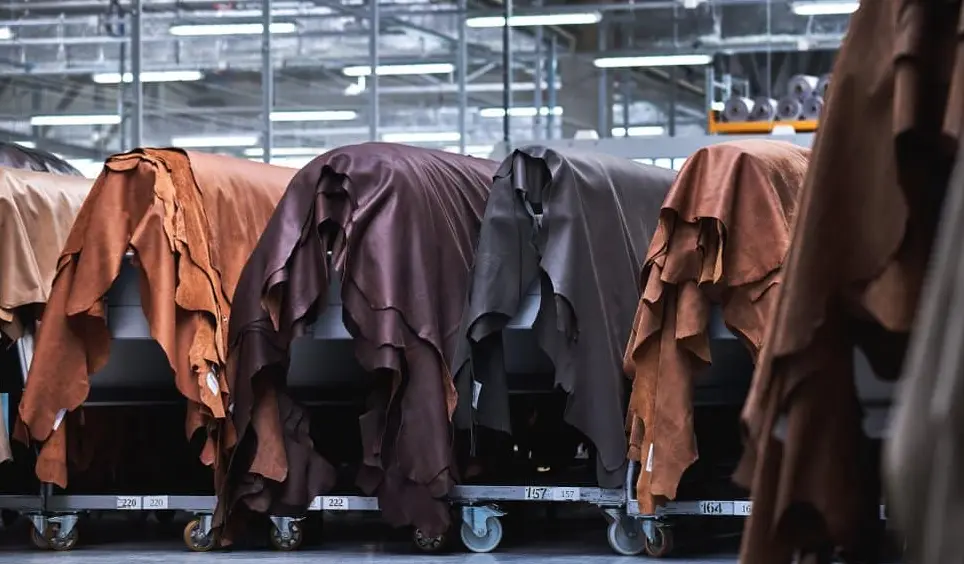
The leather industry involves the processing of animal hides and skins into durable materials used for various products, including footwear, clothing, accessories, furniture, and automotive upholstery. It is a global sector with roots tracing back to ancient civilizations, where tanning techniques were first developed for preservation and utility.
Key Aspects:
– Production Process: The core process begins with raw hides from animals like cattle, sheep, and goats. These undergo stages such as soaking, liming, fleshing, tanning (using chemicals like chromium or vegetable extracts), and finishing to enhance durability, color, and texture. Modern methods emphasize eco-friendly alternatives to reduce environmental impact.
– Market Size and Economics: Valued at over $400 billion annually, the industry is a significant contributor to global trade. Major producers include China, India, Italy, and Brazil, with Asia dominating production due to cost advantages. It employs millions worldwide, particularly in developing economies, driving economic growth through exports and local manufacturing.
– Products and Applications: Leather is used in fashion (e.g., bags, jackets), automotive (e.g., seats), and industrial sectors (e.g., belts, gloves). High-end luxury brands like Louis Vuitton and Gucci rely on premium leather, while mass-market players like Nike use it for everyday goods.
– Challenges and Trends: Environmental concerns, such as water pollution from tanning chemicals and deforestation for hides, are pushing the industry toward sustainable practices. Innovations include bio-based tanning, recycled leather alternatives, and vegan options. Regulatory pressures from bodies like the EU on animal welfare and chemical use are shaping operations. The rise of e-commerce and fast fashion is increasing demand, but supply chain disruptions and shifting consumer preferences toward ethical products pose risks.
– Future Outlook: The industry is evolving with technology, such as AI for quality control and blockchain for traceability. Growth is expected in emerging markets, with a focus on circular economy models to address sustainability. By 2030, the market could expand further, driven by urbanization and rising middle-class consumption in Asia and Africa.
Table of Contents
- Part 1: OnlineExamMaker – Generate and Share Leather Industry Quiz with AI Automatically
- Part 2: 20 Leather Industry Quiz Questions & Answers
- Part 3: OnlineExamMaker AI Question Generator: Generate Questions for Any Topic
Part 1: OnlineExamMaker – Generate and Share Leather Industry Quiz with AI Automatically
The quickest way to assess the Leather Industry knowledge of candidates is using an AI assessment platform like OnlineExamMaker. With OnlineExamMaker AI Question Generator, you are able to input content—like text, documents, or topics—and then automatically generate questions in various formats (multiple-choice, true/false, short answer). Its AI Exam Grader can automatically grade the exam and generate insightful reports after your candidate submit the assessment.
What you will like:
● Create a question pool through the question bank and specify how many questions you want to be randomly selected among these questions.
● Allow the quiz taker to answer by uploading video or a Word document, adding an image, and recording an audio file.
● Display the feedback for correct or incorrect answers instantly after a question is answered.
● Create a lead generation form to collect an exam taker’s information, such as email, mobile phone, work title, company profile and so on.
Automatically generate questions using AI
Part 2: 20 Leather Industry Quiz Questions & Answers
or
1. Question: What is the primary raw material used in the leather industry?
Options:
A) Synthetic fibers
B) Animal hides and skins
C) Plant leaves
D) Plastic polymers
Answer: B
Explanation: Animal hides and skins are the main raw materials because they provide the natural collagen structure that is processed through tanning to create durable leather products.
2. Question: What is the purpose of the tanning process in leather production?
Options:
A) To dye the leather
B) To preserve and make the hide resistant to decay
C) To soften the leather for molding
D) To add synthetic coatings
Answer: B
Explanation: Tanning stabilizes the protein structure of the hide, preventing it from rotting and making it suitable for long-term use in various products.
3. Question: Which chemical is most commonly used in chrome tanning?
Options:
A) Vegetable tannins
B) Chromium sulfate
C) Aluminum salts
D) Sodium hydroxide
Answer: B
Explanation: Chromium sulfate is widely used in chrome tanning because it produces leather that is soft, supple, and resistant to water and heat.
4. Question: What is the difference between full-grain and top-grain leather?
Options:
A) Full-grain is synthetic, top-grain is natural
B) Full-grain retains the original grain layer, while top-grain has the top layer sanded off
C) Top-grain is thicker, full-grain is thinner
D) Full-grain is for clothing, top-grain for furniture
Answer: B
Explanation: Full-grain leather keeps the full surface of the hide, offering superior durability and natural characteristics, whereas top-grain leather is buffed to remove imperfections, resulting in a smoother but less breathable material.
5. Question: Which environmental issue is most associated with the leather industry?
Options:
A) Deforestation
B) Water pollution from chemical runoff
C) Air pollution from factories
D) All of the above
Answer: D
Explanation: The leather industry contributes to deforestation for animal farming, water pollution from tanning chemicals, and air pollution from processing emissions, making all options significant concerns.
6. Question: What is vegetable tanning?
Options:
A) Using synthetic agents to tan leather
B) Tanning with natural plant-based extracts
C) A method for dyeing leather
D) Preserving leather with animal fats
Answer: B
Explanation: Vegetable tanning uses tannins from plants like bark and leaves, producing eco-friendly leather that is more rigid and ages well over time.
7. Question: Which country is the largest producer of leather goods?
Options:
A) United States
B) China
C) Italy
D) India
Answer: B
Explanation: China leads in leather production due to its vast manufacturing capabilities, low costs, and high export volumes of leather products.
8. Question: What is the first step in leather processing after obtaining hides?
Options:
A) Tanning
B) Curing
C) Finishing
D) Dyeing
Answer: B
Explanation: Curing involves treating hides with salt or other preservatives to prevent bacterial growth before further processing, ensuring the material remains viable.
9. Question: Why is sustainable leather important in the industry?
Options:
A) It reduces costs
B) It minimizes environmental impact and promotes ethical practices
C) It makes leather softer
D) It increases production speed
Answer: B
Explanation: Sustainable leather practices, such as using eco-friendly tanning and reducing waste, help address pollution and animal welfare issues, meeting consumer demands for ethical products.
10. Question: What does “grain” refer to in leather?
Options:
A) The color of the leather
B) The surface pattern from the animal’s skin
C) The thickness of the hide
D) The type of tanning used
Answer: B
Explanation: The grain is the natural texture and pattern on the leather’s surface, derived from the animal’s hide, which affects its quality and appearance.
11. Question: Which leather product is commonly used in the automotive industry?
Options:
A) Wallets
B) Upholstery seats
C) Belts
D) Gloves
Answer: B
Explanation: Leather upholstery is favored in automobiles for its durability, comfort, and luxurious feel, making it a standard material for seats and interiors.
12. Question: What is a major by-product of the leather industry?
Options:
A) Paper
B) Meat
C) Gelatin
D) Plastics
Answer: C
Explanation: Animal hides used for leather often produce gelatin as a by-product during processing, which is used in food, pharmaceuticals, and other industries.
13. Question: How does over-tanning affect leather quality?
Options:
A) It makes it more flexible
B) It can make it brittle and prone to cracking
C) It enhances color vibrancy
D) It increases water resistance
Answer: B
Explanation: Over-tanning can damage the leather’s fibers, leading to brittleness and reduced lifespan, as excessive chemical exposure alters the material’s natural structure.
14. Question: What is the role of finishing in leather production?
Options:
A) To tan the hide
B) To apply protective coatings and enhance appearance
C) To cure the leather
D) To dye the material
Answer: B
Explanation: Finishing involves adding layers of dyes, waxes, or polymers to protect the leather, improve its aesthetics, and make it more resistant to wear and environmental factors.
15. Question: Which factor most influences the price of leather goods?
Options:
A) Color
B) Quality and type of leather
C) Size
D) Brand packaging
Answer: B
Explanation: The quality, such as full-grain versus corrected grain, and the tanning process determine the leather’s durability and premium value, directly affecting pricing.
16. Question: What is the historical origin of leather tanning?
Options:
A) Ancient Egypt
B) Medieval Europe
C) Prehistoric times
D) Industrial Revolution
Answer: C
Explanation: Leather tanning dates back to prehistoric eras, where early humans used natural methods to preserve animal skins for clothing and tools.
17. Question: How does the leather industry impact global economies?
Options:
A) It creates jobs in manufacturing and exports
B) It only affects fashion sectors
C) It decreases trade balances
D) It has no economic role
Answer: A
Explanation: The leather industry generates employment in production, supply chains, and exports, contributing significantly to the economies of countries like Italy and India.
18. Question: What is a common test for leather durability?
Options:
A) Scratch test
B) Rubbing fastness test
C) Taste test
D) Smell test
Answer: B
Explanation: The rubbing fastness test assesses how well the leather’s color and finish resist wear from friction, ensuring it meets quality standards for everyday use.
19. Question: Why is alternative leather, like vegan leather, gaining popularity?
Options:
A) It is cheaper to produce
B) It addresses ethical and environmental concerns related to animal products
C) It is more durable than traditional leather
D) It requires less processing
Answer: B
Explanation: Vegan leather, made from materials like polyurethane or plant-based fabrics, appeals to consumers seeking cruelty-free and sustainable options amid growing awareness of animal welfare.
20. Question: What is a key innovation in modern leather production?
Options:
A) Hand-weaving
B) Bio-based tanning agents
C) Stone-age tools
D) Manual dyeing
Answer: B
Explanation: Bio-based tanning agents, derived from sustainable sources, reduce the use of harmful chemicals, making leather production more environmentally friendly and innovative.
or
Part 3: OnlineExamMaker AI Question Generator: Generate Questions for Any Topic
Automatically generate questions using AI