Jet fuel is a specialized type of aviation fuel used to power aircraft with gas-turbine engines. It is primarily derived from refined crude oil and consists of a mixture of hydrocarbons, typically kerosene-based, designed for high energy density and efficient combustion.
Types and Specifications:
– Jet A and Jet A-1: The most common variants, used in commercial aviation. Jet A-1 has a lower freezing point (-47°C) and is widely used internationally.
– Jet B: A naphtha-based fuel with a wider range of distillation temperatures, suitable for colder climates but less common due to safety concerns.
– Military Grades: Such as JP-5 and JP-8, which include additives for enhanced safety and performance in combat scenarios.
Composition and Properties:
Jet fuel is composed of hydrocarbons (C8 to C16), with additives for anti-icing, corrosion inhibition, and static charge reduction. Key properties include:
– High flash point (above 38°C for safety).
– Low viscosity for easy pumping at low temperatures.
– Energy content of approximately 43 MJ/kg, providing the thrust needed for flight.
Production and Refining:
Produced through fractional distillation of crude oil, jet fuel undergoes additional processes like hydrotreating to remove impurities. Global production is influenced by aviation demand, with major suppliers including the United States, Russia, and Middle Eastern countries.
Uses and Applications:
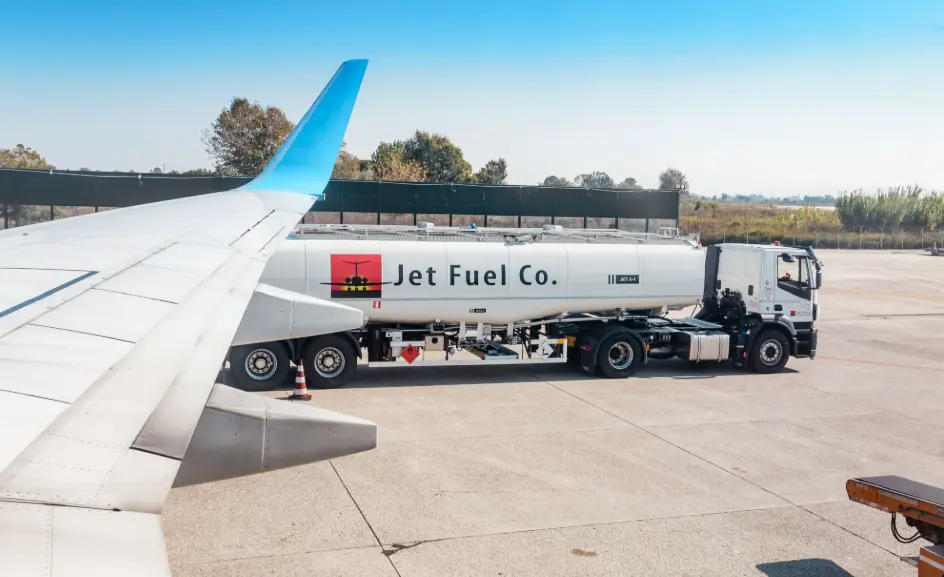
Primarily used in commercial airliners, private jets, and military aircraft for propulsion. It powers turbines that generate the high thrust required for takeoff, cruising, and landing. Jet fuel is also critical in auxiliary power units (APUs) for electrical systems on board.
Environmental and Safety Considerations:
Jet fuel combustion contributes to CO2 emissions, prompting a shift toward sustainable aviation fuels (SAFs) made from biofuels or synthetic sources. Safety protocols include strict handling regulations to prevent fires, with additives like FSII (Fuel System Icing Inhibitor) to mitigate risks.
Global Market and Trends:
The jet fuel market is valued at over $100 billion annually, driven by air travel growth. Trends include the adoption of biofuels to reduce carbon footprints and advancements in fuel efficiency to meet emissions standards like those from ICAO.
Table of Contents
- Part 1: OnlineExamMaker AI Quiz Maker – Make A Free Quiz in Minutes
- Part 2: 20 Jet Fuel Quiz Questions & Answers
- Part 3: OnlineExamMaker AI Question Generator: Generate Questions for Any Topic
Part 1: OnlineExamMaker AI Quiz Maker – Make A Free Quiz in Minutes
Still spend a lot of time in editing questions for your next Jet Fuel assessment? OnlineExamMaker is an AI quiz maker that leverages artificial intelligence to help users create quizzes, tests, and assessments quickly and efficiently. You can start by inputting a topic or specific details into the OnlineExamMaker AI Question Generator, and the AI will generate a set of questions almost instantly. It also offers the option to include answer explanations, which can be short or detailed, helping learners understand their mistakes.
What you may like:
● Automatic grading and insightful reports. Real-time results and interactive feedback for quiz-takers.
● The exams are automatically graded with the results instantly, so that teachers can save time and effort in grading.
● LockDown Browser to restrict browser activity during quizzes to prevent students searching answers on search engines or other software.
● Create certificates with personalized company logo, certificate title, description, date, candidate’s name, marks and signature.
Automatically generate questions using AI
Part 2: 20 Jet Fuel Quiz Questions & Answers
or
1. Question: What is the primary component of most commercial jet fuels?
A) Gasoline
B) Kerosene
C) Ethanol
D) Diesel
Answer: B
Explanation: Jet fuels are primarily derived from kerosene due to its high energy density and ability to burn efficiently at high altitudes.
2. Question: Which organization sets the standards for jet fuel quality worldwide?
A) FAA
B) ASTM International
C) ICAO
D) EPA
Answer: B
Explanation: ASTM International develops and publishes voluntary consensus standards for jet fuel, ensuring consistency and safety in aviation.
3. Question: What is the main purpose of additives in jet fuel?
A) To increase viscosity
B) To prevent icing and improve stability
C) To add color
D) To reduce energy output
Answer: B
Explanation: Additives in jet fuel, such as anti-icing agents, help prevent fuel line freezing and enhance overall fuel performance during flight.
4. Question: Which type of jet fuel is commonly used in military aircraft?
A) Jet A-1
B) JP-8
C) Avgas
D) Diesel fuel
Answer: B
Explanation: JP-8 is a standard military jet fuel that combines properties of Jet A-1 and includes additives for corrosion inhibition and lubricity.
5. Question: What is the typical flash point range for Jet A-1 fuel?
A) Below 38°C
B) 38°C to 66°C
C) Above 100°C
D) 20°C to 30°C
Answer: B
Explanation: Jet A-1 has a flash point between 38°C and 66°C, which helps minimize fire hazards during handling and storage.
6. Question: How does jet fuel density affect aircraft performance?
A) Higher density reduces fuel efficiency
B) Higher density allows for more energy per volume
C) Density has no effect
D) Lower density increases engine wear
Answer: B
Explanation: Higher density jet fuel provides more energy per unit volume, which can improve aircraft range and performance.
7. Question: What is the primary environmental concern associated with jet fuel combustion?
A) Water pollution
B) Greenhouse gas emissions
C) Soil erosion
D) Noise pollution
Answer: B
Explanation: Jet fuel combustion releases carbon dioxide and other greenhouse gases, contributing significantly to aviation’s carbon footprint.
8. Question: Which factor determines the freezing point of jet fuel?
A) Additives only
B) The type of crude oil and refining process
C) Altitude alone
D) Engine temperature
Answer: B
Explanation: The freezing point is influenced by the composition of the crude oil and the refining methods used, ensuring the fuel remains liquid at high altitudes.
9. Question: What is the octane rating typically associated with jet fuel?
A) It is not rated by octane
B) Around 100
C) Below 50
D) Exactly 87
Answer: A
Explanation: Jet fuels are not rated by octane like gasoline; instead, they use cetane numbers or other metrics for performance evaluation.
10. Question: How is jet fuel primarily transported to airports?
A) By pipeline
B) By rail
C) By truck
D) All of the above
Answer: D
Explanation: Jet fuel can be transported via pipelines, rail, or trucks, depending on location and infrastructure availability.
11. Question: What role does sulfur content play in jet fuel?
A) It enhances combustion
B) It must be minimized to reduce emissions
C) It increases fuel density
D) It is the main energy source
Answer: B
Explanation: Low sulfur content in jet fuel is required to comply with environmental regulations and reduce sulfur oxide emissions.
12. Question: Which property makes jet fuel suitable for high-altitude flights?
A) Low volatility
B) High freezing point
C) Rapid evaporation
D) Low energy density
Answer: A
Explanation: Low volatility ensures that jet fuel does not vaporize easily at high altitudes, preventing vapor lock and maintaining engine reliability.
13. Question: What is the difference between Jet A and Jet A-1 fuels?
A) Jet A has a lower freezing point
B) Jet A-1 is used only in military aircraft
C) Jet A-1 has additives for wider temperature range
D) There is no difference
Answer: C
Explanation: Jet A-1 includes specific additives that allow it to perform in a broader range of temperatures compared to Jet A.
14. Question: Why is jet fuel filtered before use?
A) To remove water and contaminants
B) To change its color
C) To increase its weight
D) To reduce odor
Answer: A
Explanation: Filtration removes impurities, water, and particles that could clog fuel systems and cause engine failure.
15. Question: What is the energy content per gallon of jet fuel approximately?
A) 100,000 BTU
B) 125,000 BTU
C) 150,000 BTU
D) 200,000 BTU
Answer: B
Explanation: Jet fuel typically contains about 125,000 BTU per gallon, providing the necessary energy for aircraft propulsion.
16. Question: How does biofuel blending affect jet fuel?
A) It increases production costs only
B) It reduces carbon emissions
C) It lowers energy density
D) It has no environmental benefits
Answer: B
Explanation: Blending biofuels with traditional jet fuel helps lower lifecycle carbon emissions, supporting sustainable aviation practices.
17. Question: What safety precaution is essential when handling jet fuel?
A) Smoking nearby
B) Using open flames
C) Grounding equipment to prevent static electricity
D) Storing in direct sunlight
Answer: C
Explanation: Grounding equipment prevents static electricity buildup, which could ignite the highly flammable jet fuel.
18. Question: Which country is one of the largest producers of jet fuel?
A) Saudi Arabia
B) United States
C) Russia
D) All of the above
Answer: D
Explanation: Countries like Saudi Arabia, the United States, and Russia are major producers due to their vast oil refining capacities.
19. Question: What is the impact of water contamination in jet fuel?
A) It improves engine cooling
B) It can cause microbial growth and corrosion
C) It increases fuel efficiency
D) It has no effect
Answer: B
Explanation: Water in jet fuel can lead to microbial growth, which corrodes fuel systems and potentially causes engine malfunctions.
20. Question: How has jet fuel technology evolved to meet emission standards?
A) By increasing sulfur content
B) Through the development of sustainable aviation fuels (SAF)
C) By reducing refining processes
D) By eliminating additives
Answer: B
Explanation: Sustainable aviation fuels (SAF) have been developed to lower emissions and comply with stricter environmental regulations.
or
Part 3: OnlineExamMaker AI Question Generator: Generate Questions for Any Topic
Automatically generate questions using AI