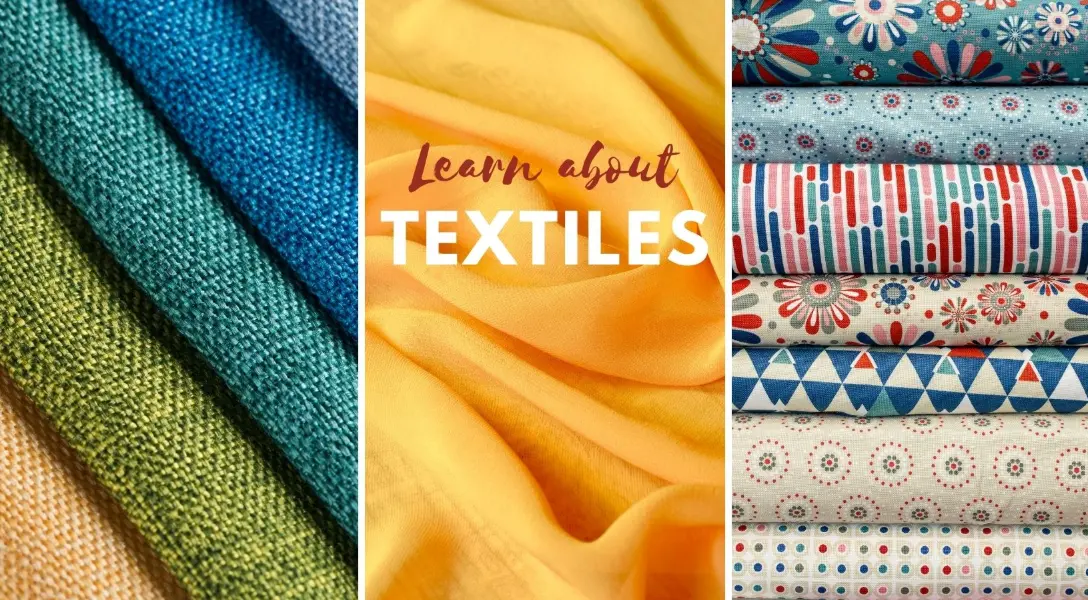
Textiles refer to any material made from fibers, yarns, or fabrics, used for clothing, household items, and industrial applications. They play a crucial role in daily life, blending functionality with aesthetics.
History and Evolution:
Textiles date back to ancient civilizations, with early examples like Egyptian linen and Chinese silk. The Industrial Revolution in the 18th century mechanized production, leading to mass manufacturing. Modern advancements include synthetic fibers like nylon and polyester, revolutionizing the industry.
Types of Textiles:
– Natural Fibers: Derived from plants (e.g., cotton, flax) or animals (e.g., wool, silk). These are biodegradable and breathable.
– Synthetic Fibers: Man-made from chemicals (e.g., polyester, acrylic). They offer durability, resistance to wrinkles, and affordability.
– Blended Fibers: Combinations of natural and synthetic for enhanced properties, such as cotton-polyester blends for comfort and strength.
Manufacturing Processes:
Textiles are produced through stages like spinning (turning fibers into yarn), weaving or knitting (forming fabric), and finishing (dyeing, printing, or treating for texture). Techniques vary from traditional handloom to automated machinery.
Applications and Uses:
– Apparel: Clothing, accessories, and protective gear.
– Home Furnishings: Bedding, curtains, and upholstery.
– Industrial: Filters, geotextiles, and automotive components.
– Medical and Technical: Bandages, surgical gowns, and high-performance materials.
Economic and Environmental Impact:
The global textiles industry drives employment and trade, with major hubs in Asia. However, it faces challenges like water pollution from dyeing and waste from fast fashion. Sustainable practices, such as organic cotton and recycled fibers, are gaining traction to address these issues.
In summary, textiles continue to evolve, adapting to technological and environmental demands while remaining essential to modern society.
Table of Contents
- Part 1: OnlineExamMaker AI Quiz Maker – Make A Free Quiz in Minutes
- Part 2: 20 Textiles Quiz Questions & Answers
- Part 3: AI Question Generator – Automatically Create Questions for Your Next Assessment
Part 1: OnlineExamMaker AI Quiz Maker – Make A Free Quiz in Minutes
Still spend a lot of time in editing questions for your next Textiles assessment? OnlineExamMaker is an AI quiz maker that leverages artificial intelligence to help users create quizzes, tests, and assessments quickly and efficiently. You can start by inputting a topic or specific details into the OnlineExamMaker AI Question Generator, and the AI will generate a set of questions almost instantly. It also offers the option to include answer explanations, which can be short or detailed, helping learners understand their mistakes.
What you may like:
● Automatic grading and insightful reports. Real-time results and interactive feedback for quiz-takers.
● The exams are automatically graded with the results instantly, so that teachers can save time and effort in grading.
● LockDown Browser to restrict browser activity during quizzes to prevent students searching answers on search engines or other software.
● Create certificates with personalized company logo, certificate title, description, date, candidate’s name, marks and signature.
Automatically generate questions using AI
Part 2: 20 Textiles Quiz Questions & Answers
or
1. Question: What is the primary component of cotton fiber?
Options:
A) Protein
B) Cellulose
C) Polyester
D) Nylon
Answer: B) Cellulose
Explanation: Cotton is a natural fiber from the cotton plant, primarily composed of cellulose, which provides its strength and absorbency.
2. Question: Which of the following is a synthetic fiber?
Options:
A) Wool
B) Silk
C) Nylon
D) Cotton
Answer: C) Nylon
Explanation: Nylon is a man-made synthetic fiber created through chemical processes, unlike natural fibers like wool, silk, and cotton.
3. Question: What process is used to interlace two sets of yarns to create fabric?
Options:
A) Knitting
B) Weaving
C) Dyeing
D) Spinning
Answer: B) Weaving
Explanation: Weaving involves interlacing warp and weft yarns at right angles to produce fabrics like plain or twill weaves.
4. Question: Which fiber is known for its elasticity and is commonly used in sportswear?
Options:
A) Linen
B) Spandex
C) Hemp
D) Jute
Answer: B) Spandex
Explanation: Spandex, also known as elastane, is a synthetic fiber with high elasticity, making it ideal for stretchable fabrics in activewear.
5. Question: What is the main purpose of mercerization in textile processing?
Options:
A) To add color
B) To increase strength and luster
C) To remove impurities
D) To create patterns
Answer: B) To increase strength and luster
Explanation: Mercerization treats cotton fibers with sodium hydroxide to enhance their strength, absorbency, and shiny appearance.
6. Question: Which weave structure creates a diagonal pattern in fabric?
Options:
A) Plain weave
B) Twill weave
C) Satin weave
D) Knit weave
Answer: B) Twill weave
Explanation: Twill weave produces a diagonal rib effect, as seen in fabrics like denim, due to the offset interlacing of yarns.
7. Question: What type of dye is commonly used for synthetic fibers like polyester?
Options:
A) Natural dyes
B) Disperse dyes
C) Vat dyes
D) Acid dyes
Answer: B) Disperse dyes
Explanation: Disperse dyes are designed for hydrophobic synthetic fibers like polyester, allowing color penetration through heat and pressure.
8. Question: Which natural fiber comes from the silkworm?
Options:
A) Cotton
B) Silk
C) Flax
D) Wool
Answer: B) Silk
Explanation: Silk is a natural protein fiber produced by silkworms, known for its smooth texture and luster.
9. Question: What is the term for the process of twisting fibers into yarn?
Options:
A) Weaving
B) Knitting
C) Spinning
D) Bleaching
Answer: C) Spinning
Explanation: Spinning involves twisting raw fibers, such as cotton or wool, to form continuous yarns for further textile production.
10. Question: Which fabric is made from the flax plant?
Options:
A) Cotton
B) Linen
C) Silk
D) Polyester
Answer: B) Linen
Explanation: Linen is a natural fabric derived from the flax plant fibers, valued for its breathability and durability.
11. Question: What does GSM stand for in textile measurement?
Options:
A) Grams per Square Meter
B) Global Standard Material
C) Grain Size Measure
D) General Surface Metric
Answer: A) Grams per Square Meter
Explanation: GSM measures the weight of fabric per square meter, indicating its thickness and quality.
12. Question: Which method creates loops in fabric to make it stretchy?
Options:
A) Weaving
B) Knitting
C) Printing
D) Dyeing
Answer: B) Knitting
Explanation: Knitting forms interlocking loops of yarn, resulting in stretchy fabrics like sweaters and socks.
13. Question: What is the primary advantage of blended fabrics?
Options:
A) They are cheaper
B) They combine properties of different fibers
C) They are always natural
D) They require no maintenance
Answer: B) They combine properties of different fibers
Explanation: Blended fabrics, like cotton-polyester mixes, merge the strengths of fibers, such as comfort from cotton and durability from polyester.
14. Question: Which fiber is most resistant to wrinkles?
Options:
A) Cotton
B) Wool
C) Polyester
D) Silk
Answer: C) Polyester
Explanation: Polyester is a synthetic fiber with low wrinkle retention due to its chemical structure, making it easy to maintain.
15. Question: What is batik?
Options:
A) A weaving technique
B) A resist dyeing method
C) A type of yarn
D) A knitting pattern
Answer: B) A resist dyeing method
Explanation: Batik is a traditional technique using wax to resist dye on fabric, creating intricate patterns popular in Indonesian textiles.
16. Question: Which process removes dirt and impurities from fibers?
Options:
A) Scouring
B) Bleaching
C) Mercerizing
D) Calendering
Answer: A) Scouring
Explanation: Scouring uses alkaline solutions to clean natural fibers like wool or cotton, preparing them for further processing.
17. Question: What is the main fiber in velvet fabric?
Options:
A) Cotton
B) Silk or synthetic fibers
C) Wool
D) Jute
Answer: B) Silk or synthetic fibers
Explanation: Velvet is typically made from silk or synthetic fibers like rayon, creating its signature pile surface.
18. Question: Which environmental factor affects textile dyeing the most?
Options:
A) Temperature
B) Light exposure
C) pH levels
D) All of the above
Answer: D) All of the above
Explanation: Temperature, light exposure, and pH levels all influence dye fixation, color fastness, and overall dyeing outcomes in textiles.
19. Question: What is the purpose of sanforizing in fabric finishing?
Options:
A) To add shine
B) To prevent shrinkage
C) To increase weight
D) To create texture
Answer: B) To prevent shrinkage
Explanation: Sanforizing is a treatment that preshrinks fabric, especially denim, to minimize further shrinkage during washing.
20. Question: Which textile is commonly used for bulletproof vests?
Options:
A) Cotton
B) Kevlar
C) Linen
D) Silk
Answer: B) Kevlar
Explanation: Kevlar is a high-strength synthetic fiber used in protective gear due to its exceptional resistance to impact and abrasion.
or
Part 3: AI Question Generator – Automatically Create Questions for Your Next Assessment
Automatically generate questions using AI