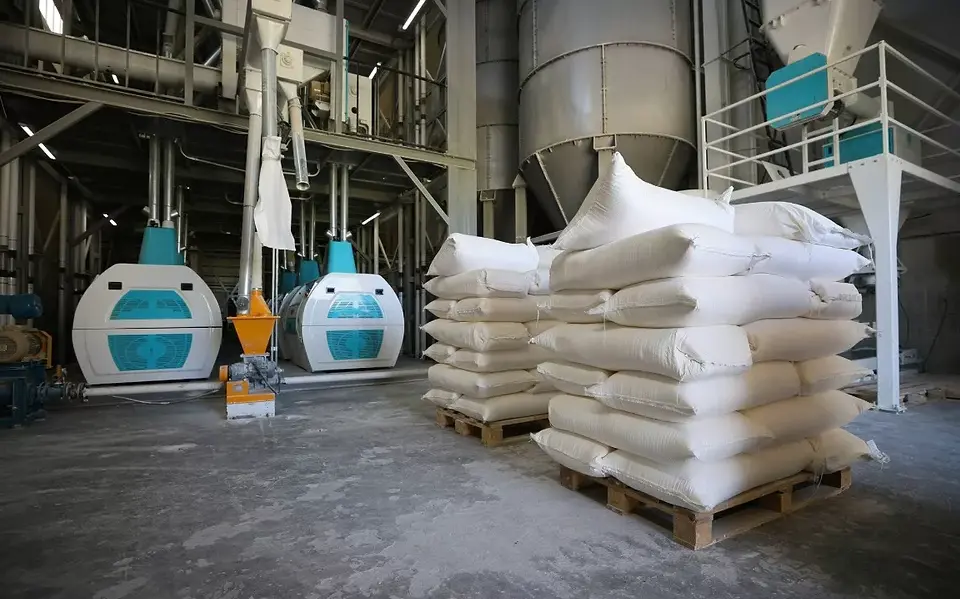
The flour industry encompasses the milling, processing, and distribution of flour derived from grains such as wheat, rice, corn, and other cereals. It plays a vital role in global food supply chains, serving as a primary ingredient in baked goods, pasta, noodles, and various food products.
Historically, flour production dates back to ancient civilizations, with early methods involving manual grinding of grains. The Industrial Revolution in the 19th century introduced mechanized milling, significantly increasing efficiency and output. Today, the industry has evolved with advancements in technology, including automated mills and quality control systems.
Globally, the flour market is valued at approximately $200 billion as of 2023, with steady growth projected at 4-6% annually through 2030, driven by rising population, urbanization, and demand for convenience foods. Major producing regions include North America, Europe, and Asia-Pacific, where countries like the United States, China, and India dominate due to large-scale agriculture and export capabilities.
Key segments include wheat flour, which holds the largest share (about 70%) due to its use in bread and pastries; specialty flours like gluten-free or organic variants, catering to health-conscious consumers; and industrial applications in animal feed and biofuels. Leading companies, such as Archer Daniels Midland (ADM), Cargill, and General Mills, control significant market shares through integrated supply chains from farming to retail.
Production processes typically involve cleaning grains, conditioning, grinding via roller mills, and sifting to achieve desired textures. Quality is ensured through standards like ISO certifications and nutritional fortification to address micronutrient deficiencies.
Current trends include a shift towards sustainable practices, such as reducing water usage in milling and adopting eco-friendly packaging. The rise of plant-based diets and e-commerce has boosted demand for alternative flours from sources like almonds or chickpeas. Challenges encompass volatile grain prices, supply chain disruptions, and regulatory pressures on food safety.
Looking ahead, the industry is poised for innovation in fortified and functional flours that offer health benefits, alongside digitalization for better traceability. As global food security remains a priority, the flour sector will continue to adapt to meet evolving consumer needs and environmental demands.
Table of Contents
- Part 1: OnlineExamMaker – Generate and Share Flour Industry Quiz with AI Automatically
- Part 2: 20 Flour Industry Quiz Questions & Answers
- Part 3: AI Question Generator – Automatically Create Questions for Your Next Assessment
Part 1: OnlineExamMaker – Generate and Share Flour Industry Quiz with AI Automatically
OnlineExamMaker is a powerful AI-powered assessment platform to create auto-grading Flour Industry skills assessments. It’s designed for educators, trainers, businesses, and anyone looking to generate engaging quizzes without spending hours crafting questions manually. The AI Question Generator feature allows you to input a topic or specific details, and it generates a variety of question types automatically.
Top features for assessment organizers:
● Prevent cheating by randomizing questions or changing the order of questions, so learners don’t get the same set of questions each time.
● AI Exam Grader for efficiently grading quizzes and assignments, offering inline comments, automatic scoring, and “fudge points” for manual adjustments.
● Embed quizzes on websites, blogs, or share via email, social media (Facebook, Twitter), or direct links.
● Handles large-scale testing (thousands of exams/semester) without internet dependency, backed by cloud infrastructure.
Automatically generate questions using AI
Part 2: 20 Flour Industry Quiz Questions & Answers
or
1. Question: What is the primary ingredient used in flour production?
Options:
A. Rice
B. Wheat
C. Corn
D. Oats
Answer: B. Wheat
Explanation: Wheat is the most common grain used for flour production due to its high gluten content, which is essential for baking products like bread.
2. Question: Which milling process involves grinding grains between two stones?
Options:
A. Roller milling
B. Hammer milling
C. Stone milling
D. Air milling
Answer: C. Stone milling
Explanation: Stone milling grinds grains between two stones, preserving more nutrients and producing a coarser flour compared to modern roller milling.
3. Question: What does the term “bran” refer to in the flour industry?
Options:
A. The inner part of the grain
B. The outer layer of the grain
C. The germ of the grain
D. Refined flour particles
Answer: B. The outer layer of the grain
Explanation: Bran is the outer protective layer of the grain, rich in fiber, and is often removed during the refining process to produce white flour.
4. Question: Which type of flour is best suited for making pasta?
Options:
A. All-purpose flour
B. Bread flour
C. Semolina flour
D. Cake flour
Answer: C. Semolina flour
Explanation: Semolina flour, made from durum wheat, has a high protein content and coarse texture that helps pasta hold its shape during cooking.
5. Question: What is the main purpose of sifting flour in baking?
Options:
A. To add moisture
B. To remove lumps and aerate it
C. To increase protein content
D. To change its color
Answer: B. To remove lumps and aerate it
Explanation: Sifting flour breaks up clumps, incorporates air, and ensures even distribution in recipes, leading to lighter baked goods.
6. Question: In flour production, what is “bleaching”?
Options:
A. Adding nutrients
B. Removing impurities
C. Treating flour with chemicals to whiten it
D. Grinding the grain finer
Answer: C. Treating flour with chemicals to whiten it
Explanation: Bleaching uses agents like chlorine dioxide to oxidize flour, making it whiter and improving its baking properties.
7. Question: Which flour type is typically gluten-free?
Options:
A. Rye flour
B. Barley flour
C. Rice flour
D. Wheat flour
Answer: C. Rice flour
Explanation: Rice flour is made from rice, which does not contain gluten, making it suitable for individuals with celiac disease or gluten sensitivities.
8. Question: What factor primarily affects the protein content in flour?
Options:
A. The type of grain used
B. The milling speed
C. The storage temperature
D. The packaging material
Answer: A. The type of grain used
Explanation: Different grains, such as hard wheat versus soft wheat, have varying protein levels, which directly influence the flour’s strength and baking performance.
9. Question: How does whole wheat flour differ from refined flour?
Options:
A. It has lower fiber content
B. It includes the entire grain
C. It is always bleached
D. It spoils faster due to additives
Answer: B. It includes the entire grain
Explanation: Whole wheat flour retains the bran, germ, and endosperm of the grain, providing more nutrients and fiber than refined flour, which removes these parts.
10. Question: What is the role of enzymes in flour maturation?
Options:
A. To add color
B. To improve dough elasticity
C. To prevent mold growth
D. To reduce baking time
Answer: B. To improve dough elasticity
Explanation: Enzymes like amylases break down starches into sugars, enhancing fermentation and dough strength in the flour maturation process.
11. Question: Which country is the largest producer of wheat flour globally?
Options:
A. United States
B. China
C. India
D. France
Answer: B. China
Explanation: China leads in wheat flour production due to its vast agricultural land and high domestic demand for flour-based products.
12. Question: What is “dough conditioning” in the flour industry?
Options:
A. Adding water to flour
B. Treating flour to improve its baking qualities
C. Storing flour in cool conditions
D. Grinding flour multiple times
Answer: B. Treating flour to improve its baking qualities
Explanation: Dough conditioning involves adding agents like oxidizers to strengthen gluten networks, making dough easier to handle and resulting in better baked goods.
13. Question: Why is flour often enriched with vitamins?
Options:
A. To enhance flavor
B. To replace nutrients lost during milling
C. To increase shelf life
D. To change the texture
Answer: B. To replace nutrients lost during milling
Explanation: Enrichment adds back vitamins like B vitamins and iron that are removed when the bran and germ are separated during refining.
14. Question: What does the ash content in flour indicate?
Options:
A. The amount of protein
B. The level of mineral residue
C. The moisture level
D. The fat content
Answer: B. The level of mineral residue
Explanation: Ash content measures the mineral matter left after burning flour, indicating how much bran is present and thus the flour’s extraction rate.
15. Question: Which flour is commonly used for making pastries and cakes?
Options:
A. Bread flour
B. Cake flour
C. Whole wheat flour
D. Rye flour
Answer: B. Cake flour
Explanation: Cake flour has a low protein content and is finely milled, producing tender and delicate textures in pastries and cakes.
16. Question: What is the primary cause of flour rancidity?
Options:
A. Exposure to light
B. Oxidation of fats in the germ
C. High humidity
D. Over-milling
Answer: B. Oxidation of fats in the germ
Explanation: Rancidity occurs when oils in the germ oxidize, which is why whole grain flours, containing the germ, have a shorter shelf life.
17. Question: In flour testing, what is the “falling number” test used for?
Options:
A. Measuring moisture content
B. Assessing alpha-amylase activity
C. Checking for pests
D. Determining protein levels
Answer: B. Assessing alpha-amylase activity
Explanation: The falling number test evaluates the enzyme activity that affects starch breakdown, helping predict baking performance and dough behavior.
18. Question: What innovation revolutionized flour production in the 19th century?
Options:
A. Stone milling
B. Roller milling
C. Hand grinding
D. Wind milling
Answer: B. Roller milling
Explanation: Roller milling allowed for efficient separation of bran and germ, producing finer, whiter flour on a large scale, transforming the industry.
19. Question: Why is flour stored in cool, dry conditions?
Options:
A. To enhance flavor
B. To prevent insect infestation and moisture absorption
C. To speed up aging
D. To increase nutritional value
Answer: B. To prevent insect infestation and moisture absorption
Explanation: Proper storage inhibits mold growth, pest activity, and clumping, preserving flour quality and extending its shelf life.
20. Question: What is the difference between patent flour and clear flour?
Options:
A. Patent flour is coarser
B. Clear flour has more bran
C. Patent flour is higher quality and whiter
D. Clear flour is used for breads only
Answer: C. Patent flour is higher quality and whiter
Explanation: Patent flour is the premium portion from milling, with lower ash content and a finer texture, while clear flour contains more bran and is darker.
or
Part 3: AI Question Generator – Automatically Create Questions for Your Next Assessment
Automatically generate questions using AI