Coastal engineering is a branch of civil engineering focused on the design, construction, and maintenance of structures and systems along shorelines to manage interactions between land and sea. It addresses challenges such as erosion, flooding, and sediment transport, while protecting coastal environments and supporting infrastructure like harbors, seawalls, and breakwaters. Engineers in this field use advanced techniques to mitigate the impacts of waves, tides, and storms, ensuring sustainable development for beaches, ports, and communities. By integrating environmental considerations, coastal engineering balances human needs with ecological preservation, adapting to climate change and rising sea levels.
Table of Contents
- Part 1: Best AI Quiz Making Software for Creating A Coastal Engineering Quiz
- Part 2: 20 Coastal Engineering Quiz Questions & Answers
- Part 3: Automatically Generate Quiz Questions Using AI Question Generator
Part 1: Best AI Quiz Making Software for Creating A Coastal Engineering Quiz
OnlineExamMaker is a powerful AI-powered assessment platform to create auto-grading Coastal Engineering skills assessments. It’s designed for educators, trainers, businesses, and anyone looking to generate engaging quizzes without spending hours crafting questions manually. The AI Question Generator feature allows you to input a topic or specific details, and it generates a variety of question types automatically.
Top features for assessment organizers:
● Combines AI webcam monitoring to capture cheating activities during online exam.
● Enhances assessments with interactive experience by embedding video, audio, image into quizzes and multimedia feedback.
● Once the exam ends, the exam scores, question reports, ranking and other analytics data can be exported to your device in Excel file format.
● API and SSO help trainers integrate OnlineExamMaker with Google Classroom, Microsoft Teams, CRM and more.
Automatically generate questions using AI
Part 2: 20 Coastal Engineering Quiz Questions & Answers
or
Question 1:
What is the primary function of a groin in coastal engineering?
A. To prevent beach erosion by trapping sediment
B. To generate electricity from ocean waves
C. To create artificial reefs for marine life
D. To measure wave heights and currents
Answer: A
Explanation: Groins are structures built perpendicular to the shoreline that interrupt longshore sediment transport, helping to trap sand and reduce erosion on the updrift side.
Question 2:
Which factor is most responsible for longshore sediment transport?
A. Wind direction
B. Breaking waves at an angle to the shore
C. Tidal currents
D. River discharges
Answer: B
Explanation: Longshore sediment transport occurs due to waves breaking at an angle to the coastline, which generates a longshore current that moves sand parallel to the shore.
Question 3:
What is the main purpose of a breakwater in coastal engineering?
A. To dissipate wave energy and protect harbors
B. To enhance beach width through sediment addition
C. To monitor sea level changes
D. To divert river flow into the ocean
Answer: A
Explanation: Breakwaters are offshore barriers that reduce wave energy reaching the shore, providing protection for ports, harbors, and coastal structures by creating calmer waters.
Question 4:
Which coastal process is primarily driven by wind-generated waves?
A. Erosion of headlands
B. Salt marsh formation
C. Estuarine sedimentation
D. Coral reef growth
Answer: A
Explanation: Wind-generated waves exert forces on the coast, leading to the erosion of headlands through processes like abrasion and hydraulic action.
Question 5:
In coastal engineering, what does the term “littoral zone” refer to?
A. The area between the high tide and low tide marks
B. The deep ocean floor beyond the continental shelf
C. The zone of active sediment transport along the shore
D. The inland area affected by coastal flooding
Answer: C
Explanation: The littoral zone is the region along the coast where sediment is actively transported by waves and currents, typically extending from the breaker zone to the shoreline.
Question 6:
How does sea level rise primarily impact coastal areas?
A. By increasing the frequency of storm surges
B. By promoting vegetation growth on beaches
C. By reducing wave heights
D. By stabilizing sand dunes
Answer: A
Explanation: Sea level rise exacerbates coastal flooding and storm surges by allowing higher water levels to reach further inland, increasing erosion and inundation risks.
Question 7:
What is the Bruun Rule used for in coastal engineering?
A. Predicting shoreline retreat due to sea level rise
B. Calculating wave refraction patterns
C. Designing offshore wind farms
D. Assessing tidal energy potential
Answer: A
Explanation: The Bruun Rule is a simple model that estimates how much a shoreline will retreat in response to rising sea levels, based on the concept of profile equilibrium.
Question 8:
Which structure is commonly used to protect shorelines from wave attack?
A. Seawall
B. Bridge
C. Dam
D. Canal
Answer: A
Explanation: Seawalls are vertical or near-vertical barriers constructed along the coast to reflect wave energy and prevent erosion, though they can cause downdrift erosion.
Question 9:
What causes rip currents in coastal areas?
A. The interaction of breaking waves and longshore currents
B. High tides during full moons
C. Wind patterns over open oceans
D. Submarine volcanic activity
Answer: A
Explanation: Rip currents form when waves push water towards the shore, and it flows back out to sea through channels, created by the interaction of breaking waves and nearshore currents.
Question 10:
In beach nourishment projects, what material is typically added to widen beaches?
A. Sand from offshore sources
B. Concrete blocks
C. Gravel from rivers
D. Plastic barriers
Answer: A
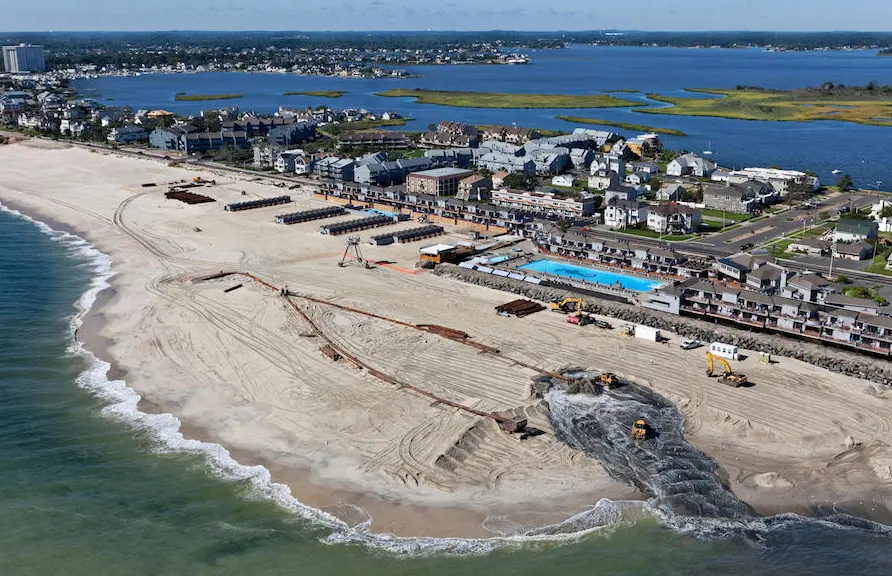
Explanation: Beach nourishment involves adding sand, often dredged from offshore or inland sources, to restore and widen eroding beaches, providing a natural buffer against waves.
Question 11:
What is wave refraction in coastal engineering?
A. The bending of waves as they approach shallow water at an angle
B. The reflection of waves off coastal structures
C. The diffraction of waves around obstacles
D. The absorption of waves by sediment
Answer: A
Explanation: Wave refraction occurs when waves enter shallower water, causing them to bend and align more parallel to the shoreline, which affects sediment transport patterns.
Question 12:
Which coastal defense method involves planting vegetation?
A. Living shorelines
B. Hard armoring
C. Groin fields
D. Breakwater construction
Answer: A
Explanation: Living shorelines use native plants, such as marsh grasses, to stabilize banks and dissipate wave energy, providing a more natural and sustainable alternative to traditional structures.
Question 13:
What is the primary environmental concern with coastal dredging?
A. Disturbance of marine habitats and turbidity
B. Increased beach tourism
C. Reduction in wave energy
D. Enhanced fish populations
Answer: A
Explanation: Dredging can resuspend sediments, increase water turbidity, and destroy benthic habitats, leading to negative impacts on marine ecosystems and water quality.
Question 14:
How do offshore breakwaters influence sediment deposition?
A. By creating sheltered areas where sediment can accumulate
B. By accelerating erosion along the entire coast
C. By blocking all wave action
D. By increasing water depth uniformly
Answer: A
Explanation: Offshore breakwaters reduce wave energy in their lee, promoting sediment deposition and the formation of tombolos or salients behind them.
Question 15:
In coastal engineering, what is a tombolo?
A. A sandbar that connects an island to the mainland
B. A type of wave-generated current
C. An underwater canyon
D. A coastal cliff
Answer: A
Explanation: A tombolo forms when sediment deposition, often influenced by structures like breakwaters, creates a bar that links an offshore island to the mainland.
Question 16:
Which phenomenon is associated with storm surges?
A. Rapid rise in sea level due to low atmospheric pressure and winds
B. Gradual tidal changes over months
C. Submarine landslides
D. River delta formation
Answer: A
Explanation: Storm surges result from intense storms pushing water towards the coast, combined with low pressure effects, leading to significant flooding in low-lying areas.
Question 17:
What role do jetties play in harbor engineering?
A. To maintain navigable channels by trapping sediment
B. To generate renewable energy
C. To create artificial lakes
D. To monitor ocean temperatures
Answer: A
Explanation: Jetties are elongated structures built at river mouths or harbors to direct currents and prevent sediment from filling navigation channels, ensuring safe vessel access.
Question 18:
How does coastal armoring affect adjacent beaches?
A. It can lead to increased erosion on downdrift beaches
B. It promotes uniform sand distribution
C. It enhances natural sediment supply
D. It reduces the need for beach nourishment
Answer: A
Explanation: Coastal armoring, like seawalls, interrupts natural sediment transport, often causing erosion on downdrift areas as waves reflect and remove sand from unprotected sections.
Question 19:
What is the purpose of coastal setback lines in planning?
A. To restrict development in areas vulnerable to erosion and flooding
B. To encourage building closer to the shore
C. To promote industrial expansion
D. To designate fishing zones
Answer: A
Explanation: Coastal setback lines establish minimum distances for construction from the shoreline to minimize risks from erosion, sea level rise, and storms.
Question 20:
Which sustainable practice is used to mitigate coastal erosion?
A. Beach nourishment with recycled materials
B. Constructing extensive concrete barriers
C. Channeling rivers away from coasts
D. Removing natural vegetation
Answer: A
Explanation: Sustainable beach nourishment uses compatible sediments to restore beaches without long-term environmental harm, allowing natural processes to continue while reducing erosion.
or
Part 3: Automatically generate quiz questions using OnlineExamMaker AI Question Generator
Automatically generate questions using AI