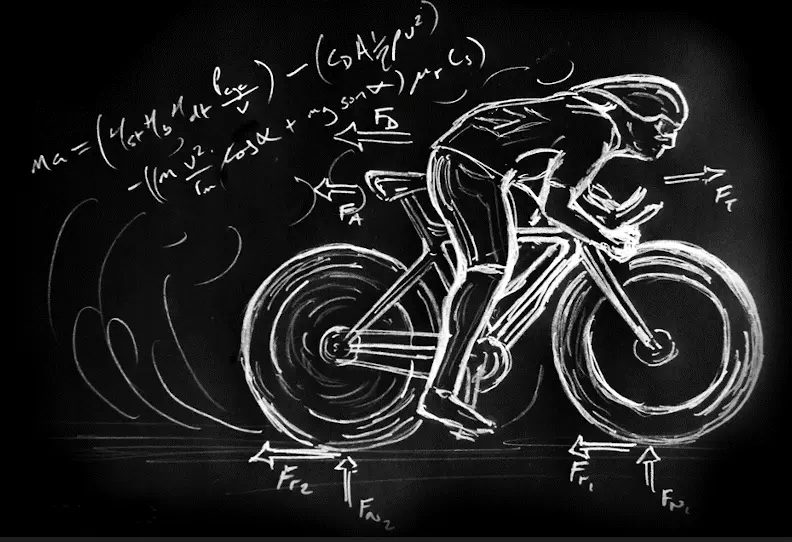
Sports Engineering is a dynamic interdisciplinary field that applies engineering principles to enhance athletic performance, safety, and innovation in sports. It involves designing and optimizing equipment, such as high-performance footwear, aerodynamic bicycles, and protective gear, using techniques from biomechanics, materials science, and data analytics. Engineers in this domain also develop advanced technologies like motion-capture systems, smart wearables, and specialized sports facilities to analyze athlete movements, improve training methods, and prevent injuries. By bridging the gap between technology and athletics, Sports Engineering drives advancements that make sports more efficient, accessible, and enjoyable for athletes and fans alike.
Table of Contents
- Part 1: Create A Sports Engineering Quiz in Minutes Using AI with OnlineExamMaker
- Part 2: 20 Sports Engineering Quiz Questions & Answers
- Part 3: Automatically Generate Quiz Questions Using AI Question Generator
Part 1: Create A Sports Engineering Quiz in Minutes Using AI with OnlineExamMaker
When it comes to ease of creating a Sports Engineering skills assessment, OnlineExamMaker is one of the best AI-powered quiz making software for your institutions or businesses. With its AI Question Generator, just upload a document or input keywords about your assessment topic, you can generate high-quality quiz questions on any topic, difficulty level, and format.
Overview of its key assessment-related features:
● AI Question Generator to help you save time in creating quiz questions automatically.
● Share your online exam with audiences on social platforms like Facebook, Twitter, Reddit and more.
● Instantly scores objective questions and subjective answers use rubric-based scoring for consistency.
● Simply copy and insert a few lines of embed codes to display your online exams on your website or WordPress blog.
Automatically generate questions using AI
Part 2: 20 Sports Engineering Quiz Questions & Answers
or
1. Question: What is the primary purpose of using carbon fiber in sports equipment like tennis rackets?
A. To increase weight for better stability
B. To reduce weight while maintaining strength
C. To improve electrical conductivity
D. To enhance thermal insulation
Answer: B
Explanation: Carbon fiber is lightweight and strong, allowing for better maneuverability and performance in sports equipment.
2. Question: In sports engineering, what principle is most important when designing a golf ball’s dimples?
A. Increasing surface friction
B. Reducing aerodynamic drag
C. Maximizing bounce height
D. Adding visual appeal
Answer: B
Explanation: Dimples on a golf ball reduce drag by creating a thin turbulent boundary layer, allowing the ball to travel farther.
3. Question: Which material is commonly used in the construction of high-performance running shoes to provide energy return?
A. Leather
B. Foam rubber
C. Polyurethane foam
D. EVA foam
Answer: C
Explanation: Polyurethane foam offers superior energy return by compressing and rebounding, which helps propel the runner forward.
4. Question: What role does biomechanics play in the design of a bicycle saddle?
A. To increase pedal resistance
B. To minimize pressure points on the rider
C. To add decorative elements
D. To enhance wheel alignment
Answer: B
Explanation: Biomechanics ensures the saddle is designed to distribute weight evenly, reducing discomfort and injury risk during rides.
5. Question: In sports engineering, how does the coefficient of restitution affect a basketball?
A. It determines the ball’s color
B. It measures how high the ball bounces
C. It affects the ball’s grip on the court
D. It influences the ball’s weight
Answer: B
Explanation: The coefficient of restitution indicates the elasticity of the ball, directly impacting its bounce height and performance.
6. Question: What engineering factor is critical in designing a Formula 1 car’s aerodynamics?
A. Maximizing engine noise
B. Reducing downforce for speed
C. Generating downforce for cornering
D. Increasing fuel consumption
Answer: C
Explanation: Downforce improves tire grip and stability during turns, enhancing safety and performance on the track.
7. Question: Which type of joint is often analyzed in sports engineering for injury prevention in athletes?
A. Hinge joints like the elbow
B. Ball-and-socket joints like the shoulder
C. Fixed joints like the skull
D. Pivot joints like the neck
Answer: B
Explanation: Ball-and-socket joints allow for a wide range of motion, making them prone to injury, so engineering focuses on supportive gear.
8. Question: In the design of swimming pool lanes, what is the main engineering consideration?
A. To make the water warmer
B. To reduce wave interference between swimmers
C. To add more chlorine
D. To change the pool’s depth
Answer: B
Explanation: Lane dividers are engineered to minimize water turbulence, allowing swimmers to maintain speed and focus.
9. Question: What does the term “wind tunnel testing” achieve in sports engineering for cycling?
A. Testing the bike’s paint durability
B. Optimizing the rider’s aerodynamic position
C. Measuring the bike’s weight
D. Evaluating tire pressure
Answer: B
Explanation: Wind tunnel testing simulates airflow to refine the cyclist’s posture, reducing drag and improving speed.
10. Question: How does material selection impact the performance of a javelin?
A. By making it heavier for accuracy
B. By using flexible materials to increase range
C. By choosing lightweight, aerodynamic materials
D. By adding metal for durability
Answer: C
Explanation: Lightweight and aerodynamic materials like aluminum alloys allow for greater distance while maintaining control.
11. Question: In sports engineering, what is the key benefit of using composite materials in ski construction?
A. To make skis more expensive
B. To enhance flexibility and reduce vibration
C. To increase the skis’ length
D. To add weight for stability
Answer: B
Explanation: Composites like fiberglass provide flexibility and dampen vibrations, improving control and reducing fatigue.
12. Question: What engineering principle is applied to design protective gear like helmets?
A. Maximizing impact force
B. Absorbing and distributing impact energy
C. Increasing the helmet’s weight
D. Reducing ventilation
Answer: B
Explanation: Helmets use materials that absorb kinetic energy upon impact, protecting the head by spreading the force.
13. Question: How does the design of a soccer ball’s panels affect its flight?
A. By increasing air resistance
B. By ensuring predictable aerodynamics
C. By making it bounce higher
D. By changing its color
Answer: B
Explanation: The panel configuration creates a stable airflow, allowing for accurate and consistent ball trajectory.
14. Question: In track and field, what is the purpose of the starting blocks in sprinting?
A. To provide a decorative start line
B. To offer a stable platform for explosive starts
C. To measure race times
D. To add grip to the track
Answer: B
Explanation: Starting blocks are angled to optimize the athlete’s push-off, converting energy efficiently into forward motion.
15. Question: What factor is engineered in baseball bats to improve hitting power?
A. Increasing the bat’s length
B. Using a sweet spot with optimal vibration nodes
C. Adding more weight to the handle
D. Reducing the bat’s diameter
Answer: B
Explanation: The sweet spot minimizes vibration upon impact, transferring more energy to the ball for greater distance.
16. Question: How does computational fluid dynamics (CFD) assist in sports engineering for rowing boats?
A. By predicting boat speed in calm water
B. By simulating water flow around the hull
C. By designing the oars’ color
D. By measuring rower heart rates
Answer: B
Explanation: CFD analyzes how water interacts with the boat’s shape, reducing drag and enhancing efficiency.
17. Question: In the engineering of archery equipment, what is the role of the bow’s draw weight?
A. To make the bow visually appealing
B. To determine the arrow’s speed and range
C. To increase the bow’s flexibility
D. To add noise during release
Answer: B
Explanation: Draw weight affects the energy stored and released, directly influencing the arrow’s velocity and accuracy.
18. Question: What is the main engineering challenge in designing artificial turf for soccer fields?
A. To make it look like natural grass
B. To mimic the shock absorption of natural grass
C. To increase water retention
D. To reduce player speed
Answer: B
Explanation: Artificial turf must absorb impacts similarly to natural grass to prevent injuries from hard surfaces.
19. Question: How does the use of sensors in sports engineering benefit athlete performance analysis?
A. By tracking social media activity
B. By monitoring real-time biomechanics like stride length
C. By changing equipment colors
D. By adding extra weight to gear
Answer: B
Explanation: Sensors provide data on movements, allowing for adjustments that optimize technique and reduce injury risk.
20. Question: In sports engineering, what is the primary goal of optimizing a tennis court’s surface?
A. To make it slippery for faster play
B. To control ball bounce and player movement
C. To add more lighting
D. To increase court size
Answer: B
Explanation: The surface material is engineered to provide consistent ball bounce and traction, affecting gameplay strategy.
or
Part 3: Automatically generate quiz questions using OnlineExamMaker AI Question Generator
Automatically generate questions using AI