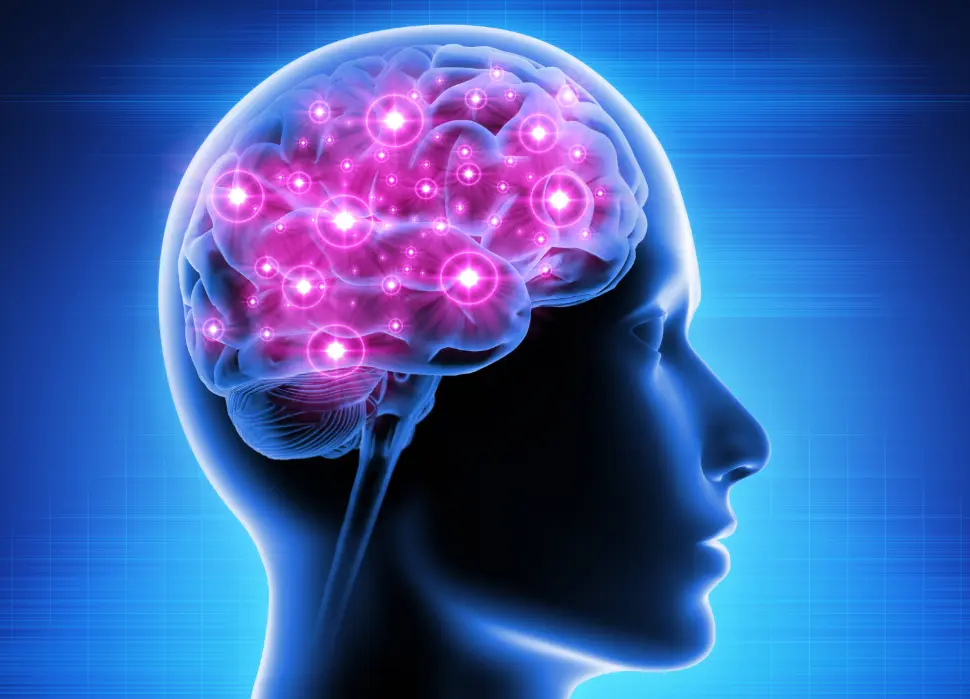
Neural Engineering is an interdisciplinary field that merges principles of engineering, neuroscience, and biology to understand, repair, enhance, and interface with the nervous system. It focuses on developing technologies to address neurological disorders, restore lost functions, and even augment human capabilities.
At its core, Neural Engineering involves designing devices and systems that interact with neural tissues, such as brain-computer interfaces (BCIs), neural prosthetics, and neurostimulation tools. For instance, BCIs enable direct communication between the brain and external devices, allowing individuals with paralysis to control computers or robotic limbs through thought alone.
The field draws from electrical engineering for signal processing, materials science for biocompatible implants, and computational modeling to simulate neural networks. Key applications include treating conditions like epilepsy, Parkinson’s disease, and spinal cord injuries via deep brain stimulation or cochlear implants.
Historically, Neural Engineering evolved from early electrophysiology studies in the 19th century, gaining momentum in the late 20th century with advancements in microelectronics and imaging techniques. Today, it intersects with artificial intelligence, enabling innovations like adaptive prosthetics and neural network algorithms inspired by the brain.
Challenges in the field include ensuring long-term biocompatibility, minimizing immune responses, and addressing ethical issues related to privacy and cognitive enhancement. Future developments may lead to advanced therapies for mental health, personalized medicine, and even human-AI symbiosis, positioning Neural Engineering as a cornerstone of modern biomedical innovation.
Table of Contents
- Part 1: OnlineExamMaker – Generate and Share Neural Engineering Quiz with AI Automatically
- Part 2: 20 Neural Engineering Quiz Questions & Answers
- Part 3: Try OnlineExamMaker AI Question Generator to Create Quiz Questions
Part 1: OnlineExamMaker – Generate and Share Neural Engineering Quiz with AI Automatically
The quickest way to assess the Neural Engineering knowledge of candidates is using an AI assessment platform like OnlineExamMaker. With OnlineExamMaker AI Question Generator, you are able to input content—like text, documents, or topics—and then automatically generate questions in various formats (multiple-choice, true/false, short answer). Its AI Exam Grader can automatically grade the exam and generate insightful reports after your candidate submit the assessment.
What you will like:
● Create a question pool through the question bank and specify how many questions you want to be randomly selected among these questions.
● Allow the quiz taker to answer by uploading video or a Word document, adding an image, and recording an audio file.
● Display the feedback for correct or incorrect answers instantly after a question is answered.
● Create a lead generation form to collect an exam taker’s information, such as email, mobile phone, work title, company profile and so on.
Automatically generate questions using AI
Part 2: 20 Neural Engineering Quiz Questions & Answers
or
1. What is the primary goal of neural engineering?
A) To study animal behavior
B) To develop interfaces between neural systems and machines
C) To analyze chemical reactions in the brain
D) To create artificial intelligence algorithms
Answer: B
Explanation: Neural engineering focuses on designing technologies that can interact with the nervous system, such as brain-computer interfaces, to restore or enhance function.
2. Which of the following is an example of a neural prosthesis?
A) A hearing aid
B) A cochlear implant
C) A smartphone
D) A virtual reality headset
Answer: B
Explanation: A cochlear implant is a neural prosthesis that directly stimulates the auditory nerve to restore hearing in individuals with severe hearing loss.
3. What role do electrodes play in neural engineering?
A) They generate electrical power for devices
B) They record or stimulate neural activity
C) They store data in the brain
D) They block neural signals
Answer: B
Explanation: Electrodes are used to interface with neurons by recording electrical signals or delivering stimulation, enabling communication between biological and artificial systems.
4. In brain-computer interfaces (BCIs), what is the function of signal processing?
A) To amplify brain signals for better transmission
B) To decode neural signals into commands
C) To create new neural pathways
D) To visualize brain structures
Answer: B
Explanation: Signal processing in BCIs translates raw neural data into actionable commands, such as moving a cursor on a screen, by filtering and interpreting brain activity.
5. Which technology is commonly used for deep brain stimulation (DBS)?
A) Implanted electrodes and a pulse generator
B) Laser therapy
C) Gene editing tools
D) Virtual reality simulations
Answer: A
Explanation: DBS involves implanting electrodes in specific brain areas and using a pulse generator to deliver electrical impulses, which can alleviate symptoms of disorders like Parkinson’s disease.
6. What is the main challenge in developing long-term neural implants?
A) High cost of materials
B) Biocompatibility and immune response
C) Excessive data storage needs
D) Color coordination with skin
Answer: B
Explanation: Ensuring that neural implants do not trigger immune reactions or cause tissue damage is crucial for their long-term functionality and safety in the body.
7. Which neural engineering application helps paralyzed individuals control devices?
A) Retinal implants
B) Brain-computer interfaces
C) Pacemakers
D) Artificial limbs without neural integration
Answer: B
Explanation: BCIs allow users to control external devices, like robotic arms, by interpreting their brain signals, providing mobility for those with paralysis.
8. What is the purpose of optogenetics in neural engineering?
A) To use light to control neural activity
B) To enhance optical illusions in the brain
C) To measure brain temperature
D) To block all light from entering the eyes
Answer: A
Explanation: Optogenetics involves genetically modifying neurons to respond to light, allowing precise control of neural circuits for research and therapeutic purposes.
9. In neural networks for engineering, what does “spiking neural networks” refer to?
A) Networks that mimic the brain’s spike-based communication
B) Networks that only activate during specific times
C) Traditional computer networks for neural data
D) Wireless connections in the brain
Answer: A
Explanation: Spiking neural networks model the way biological neurons fire action potentials, making them useful for more biologically accurate simulations in neural engineering.
10. Which ethical concern is associated with neural engineering?
A) Overuse of computational resources
B) Privacy of neural data
C) Excessive advertising in devices
D) Color choices in implants
Answer: B
Explanation: Neural data from implants could reveal personal thoughts, raising privacy issues and the potential for misuse if not properly secured.
11. What is the function of a neural interface in prosthetics?
A) To provide aesthetic appeal
B) To connect artificial limbs to the nervous system
C) To store prosthetic designs
D) To clean the prosthetic surface
Answer: B
Explanation: Neural interfaces allow bidirectional communication between the brain or nerves and prosthetic devices, enabling more natural control and feedback.
12. Which material is often used for neural electrodes due to its flexibility?
A) Steel
B) Polyimide
C) Glass
D) Wood
Answer: B
Explanation: Polyimide is a flexible, biocompatible material that reduces tissue damage and improves the longevity of neural electrodes.
13. How does neural engineering contribute to treating epilepsy?
A) By blocking all brain signals
B) Through responsive neurostimulation devices
C) By enhancing memory loss
D) By increasing seizure frequency
Answer: B
Explanation: Devices like responsive neurostimulators detect and interrupt seizure activity in real-time, helping manage epilepsy symptoms.
14. What is the significance of machine learning in neural engineering?
A) It predicts weather patterns
B) It analyzes neural data for pattern recognition
C) It designs furniture
D) It cooks food
Answer: B
Explanation: Machine learning algorithms process complex neural data to identify patterns, improving the accuracy of diagnoses and device controls in neural engineering.
15. Which of the following is a risk of neural implants?
A) Improved athletic performance
B) Infection or inflammation at the implant site
C) Enhanced taste sensation
D) Faster internet speeds
Answer: B
Explanation: Surgical implantation can lead to infections or inflammatory responses, which are common risks that must be mitigated in neural engineering.
16. What does “neuroplasticity” mean in the context of neural engineering?
A) The brain’s ability to reorganize itself
B) Plastic materials used in implants
C) Fast neural signaling
D) Artificial neural creation
Answer: A
Explanation: Neuroplasticity refers to the brain’s adaptability, which neural engineering leverages to help patients recover functions through training with implants or interfaces.
17. In retinal prostheses, what is the goal?
A) To enhance normal vision
B) To restore vision in blind individuals
C) To change eye color
D) To detect colors only
Answer: B
Explanation: Retinal prostheses stimulate the remaining visual pathway in the eye to provide artificial vision for those with retinal degenerative diseases.
18. What is the difference between invasive and non-invasive neural interfaces?
A) Invasive ones are cheaper
B) Invasive ones require surgery to implant devices
C) Non-invasive ones damage tissue
D) They are the same
Answer: B
Explanation: Invasive interfaces involve surgical implantation for direct neural access, while non-invasive ones, like EEG caps, record signals from outside the body.
19. How do neural engineers address power supply issues in implants?
A) By using large batteries
B) Through wireless energy transfer or efficient designs
C) By connecting to household electricity
D) By manual recharging
Answer: B
Explanation: Wireless power transfer and low-power designs minimize the need for frequent surgeries to replace batteries in neural implants.
20. What is the potential future application of neural engineering in humans?
A) Enhancing cognitive abilities through brain augmentation
B) Controlling weather patterns
C) Growing new organs
D) Building houses
Answer: A
Explanation: Neural engineering could lead to technologies that augment human cognition, such as memory enhancement or skill acceleration, by interfacing with the brain.
or
Part 3: Try OnlineExamMaker AI Question Generator to Create Quiz Questions
Automatically generate questions using AI