Construction equipment safety encompasses the practices, protocols, and regulations designed to prevent accidents, injuries, and fatalities when operating machinery on job sites. This overview highlights key elements to ensure a safe working environment.
Key Components of Equipment Safety:
– Types of Equipment and Associated Risks: Common machinery includes excavators, cranes, bulldozers, and forklifts. Risks involve rollovers, collisions, falling objects, electrical hazards, and operator fatigue. For instance, cranes pose dangers from improper load handling, while excavators can cause trench collapses if not operated correctly.
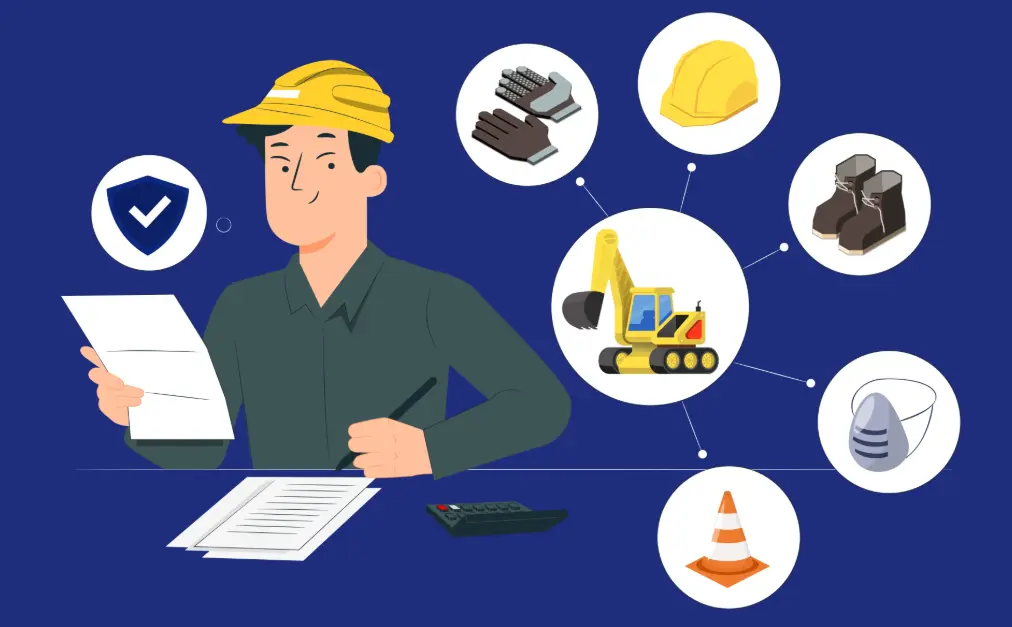
– Hazard Identification and Prevention: Conduct regular site assessments to identify hazards like unstable ground, overhead power lines, or poor visibility. Implement controls such as barricades, warning signals, and personal protective equipment (PPE) like hard hats, gloves, and high-visibility vests.
– Operator Training and Certification: All operators must undergo certified training programs, covering equipment operation, emergency procedures, and load capacity limits. Regular refresher courses and competency assessments help maintain skills and awareness of updated safety standards.
– Maintenance and Inspections: Perform daily pre-operation checks for fluid levels, brakes, lights, and structural integrity. Adhere to manufacturer guidelines for routine maintenance to prevent mechanical failures. Document all inspections and repairs to ensure compliance.
– Regulatory Standards and Best Practices: Follow guidelines from organizations like OSHA (Occupational Safety and Health Administration) in the U.S., which mandate safety features such as rollover protective structures (ROPS) and backup alarms. Best practices include establishing exclusion zones around equipment, using spotters for blind spots, and promoting a culture of reporting unsafe conditions.
– Emergency Response: Develop and communicate clear emergency plans, including shutdown procedures, first-aid access, and evacuation routes. Ensure all personnel are trained on how to respond to incidents like equipment fires or entrapments.
By prioritizing these measures, construction sites can significantly reduce risks, enhance productivity, and foster a safer workplace for all involved. Always adapt safety protocols to specific site conditions and evolving industry standards.
Table of Contents
- Part 1: OnlineExamMaker AI Quiz Maker – Make A Free Quiz in Minutes
- Part 2: 20 Construction Equipment Safety Quiz Questions & Answers
- Part 3: Save Time and Energy: Generate Quiz Questions with AI Technology
Part 1: OnlineExamMaker AI Quiz Maker – Make A Free Quiz in Minutes
What’s the best way to create a Construction Equipment Safety quiz online? OnlineExamMaker is the best AI quiz making software for you. No coding, and no design skills required. If you don’t have the time to create your online quiz from scratch, you are able to use OnlineExamMaker AI Question Generator to create question automatically, then add them into your online assessment. What is more, the platform leverages AI proctoring and AI grading features to streamline the process while ensuring exam integrity.
Key features of OnlineExamMaker:
● Create up to 10 question types, including multiple-choice, true/false, fill-in-the-blank, matching, short answer, and essay questions.
● Build and store questions in a centralized portal, tagged by categories and keywords for easy reuse and organization.
● Automatically scores multiple-choice, true/false, and even open-ended/audio responses using AI, reducing manual work.
● Create certificates with personalized company logo, certificate title, description, date, candidate’s name, marks and signature.
Automatically generate questions using AI
Part 2: 20 Construction Equipment Safety Quiz Questions & Answers
or
Question 1:
What is the most common cause of accidents involving construction cranes?
A. Operator error
B. Equipment malfunction
C. Poor weather conditions
D. Inadequate site preparation
Answer: A
Explanation: Operator error is the leading cause of crane accidents, often due to lack of training, fatigue, or failure to follow safety protocols, emphasizing the importance of proper certification and attention during operations.
Question 2:
Which personal protective equipment (PPE) is essential when operating heavy construction machinery?
A. Safety goggles
B. Hard hat
C. Steel-toed boots
D. All of the above
Answer: D
Explanation: All listed PPE are essential; safety goggles protect against debris, hard hats guard against falling objects, and steel-toed boots prevent foot injuries, ensuring comprehensive protection in hazardous environments.
Question 3:
How often should daily inspections be performed on construction equipment like excavators?
A. At the start of each shift
B. Once a week
C. Only after an incident
D. At the end of each shift
Answer: A
Explanation: Inspections at the start of each shift help identify potential issues early, preventing accidents and ensuring equipment is in safe working condition before use.
Question 4:
What should an operator do if they notice a hydraulic leak on a bulldozer?
A. Continue working and monitor it
B. Shut down the equipment immediately
C. Ignore it if the leak is small
D. Report it at the end of the day
Answer: B
Explanation: Shutting down the equipment immediately prevents slips, fires, or further damage from hydraulic fluid, which can be hazardous and lead to serious injuries.
Question 5:
Which of the following is a key safety rule for forklift operations?
A. Always carry loads at maximum height
B. Drive with the forks lowered
C. Never use horns or signals
D. Operate without a seatbelt
Answer: B
Explanation: Driving with the forks lowered maintains stability and reduces the risk of tipping, which is critical for safe forklift handling and preventing load shifts.
Question 6:
What is the primary purpose of using outriggers on a mobile crane?
A. To increase lifting speed
B. To stabilize the crane
C. To extend the boom length
D. To reduce fuel consumption
Answer: B
Explanation: Outriggers provide stability by extending the base of the crane, preventing tipping during lifts and ensuring safe operations under heavy loads.
Question 7:
In construction sites, what is the correct procedure for entering or exiting a piece of heavy equipment?
A. Jump off while the engine is running
B. Use designated handholds and steps
C. Slide down the side
D. Exit from the rear
Answer: B
Explanation: Using designated handholds and steps prevents slips and falls, which are common injuries, by providing secure access points on the equipment.
Question 8:
Which hazard is most associated with operating equipment near overhead power lines?
A. Noise exposure
B. Electrical shock
C. Vibration injury
D. Chemical burns
Answer: B
Explanation: Proximity to power lines can cause electrical shock if equipment contacts live wires, highlighting the need for maintaining safe distances as per safety guidelines.
Question 9:
What should be done before starting any maintenance on construction equipment?
A. Lockout/tagout the equipment
B. Leave it running for testing
C. Perform maintenance during operation
D. Only notify the supervisor
Answer: A
Explanation: Lockout/tagout procedures isolate energy sources, preventing accidental startup and protecting workers from serious injuries during maintenance.
Question 10:
How can operators minimize the risk of rollovers when using skid steers?
A. Drive at high speeds on slopes
B. Maintain a low center of gravity
C. Ignore load weight limits
D. Operate without rollover protection
Answer: B
Explanation: Maintaining a low center of gravity by keeping loads low and balanced reduces the likelihood of rollovers, enhancing stability on uneven terrain.
Question 11:
What is the recommended action if a fire starts on construction equipment?
A. Attempt to extinguish it yourself
B. Evacuate the area and alert others
C. Continue operating to move away
D. Cover it with materials
Answer: B
Explanation: Evacuating and alerting others ensures personal safety and allows trained personnel to handle the fire, as untrained attempts can lead to explosions or injuries.
Question 12:
Which factor is critical when assessing the ground for placing heavy equipment like dump trucks?
A. Soil moisture and stability
B. Wind direction only
C. Equipment color
D. Operator’s personal preference
Answer: A
Explanation: Soil moisture and stability prevent sinking or tipping, as unstable ground can cause equipment failure and accidents during operations.
Question 13:
What training is required for workers operating powered industrial trucks?
A. On-the-job training only
B. Certification from a recognized program
C. No training if experienced
D. Online videos
Answer: B
Explanation: Certification from a recognized program ensures operators understand safety standards, reducing risks associated with improper use of equipment.
Question 14:
During equipment operation, what should be done to prevent hearing damage from noise?
A. Wear earplugs or earmuffs
B. Increase engine volume
C. Work longer hours
D. Ignore noise levels
Answer: A
Explanation: Wearing earplugs or earmuffs protects against prolonged noise exposure, which can cause permanent hearing loss in high-decibel construction environments.
Question 15:
What is the proper way to secure a load on a flatbed truck?
A. Use ropes loosely
B. Employ chains and binders correctly
C. Stack items unevenly
D. Leave space for movement
Answer: B
Explanation: Employing chains and binders correctly prevents loads from shifting during transport, avoiding accidents like rollovers or falling debris.
Question 16:
Which safety measure is essential when working with concrete pumps?
A. Avoid checking hoses while pumping
B. Wear gloves to handle wet concrete
C. Stand under the boom for better view
D. Use without pressure relief valves
Answer: B
Explanation: Wearing gloves protects against skin irritation and chemical burns from wet concrete, while also emphasizing the need to avoid high-pressure areas.
Question 17:
How should fuel be handled around construction equipment to prevent fires?
A. Refuel while the engine is hot
B. Use approved containers and no smoking
C. Store fuel near heat sources
D. Overfill tanks
Answer: B
Explanation: Using approved containers and prohibiting smoking reduces the risk of ignition from fuel vapors, which are highly flammable in construction sites.
Question 18:
What is a key step in preventing vibration-related injuries from equipment use?
A. Operate equipment continuously
B. Use anti-vibration gloves and take breaks
C. Increase vibration for efficiency
D. Ignore symptoms
Answer: B
Explanation: Anti-vibration gloves and regular breaks minimize exposure to harmful vibrations, which can cause disorders like hand-arm vibration syndrome over time.
Question 19:
In case of a equipment tip-over, what should the operator do first?
A. Jump out immediately
B. Stay inside and hold on
C. Exit slowly without looking
D. Accelerate away
Answer: B
Explanation: Staying inside and holding on protects the operator from further injury during a tip-over, as exiting can lead to being crushed or falling.
Question 20:
What is the importance of daily maintenance logs for construction equipment?
A. To track fuel usage only
B. To identify potential safety issues early
C. For aesthetic records
D. To delay inspections
Answer: B
Explanation: Daily maintenance logs help detect wear and tear early, preventing equipment failures that could result in accidents and ensuring compliance with safety regulations.
or
Part 3: Save Time and Energy: Generate Quiz Questions with AI Technology
Automatically generate questions using AI