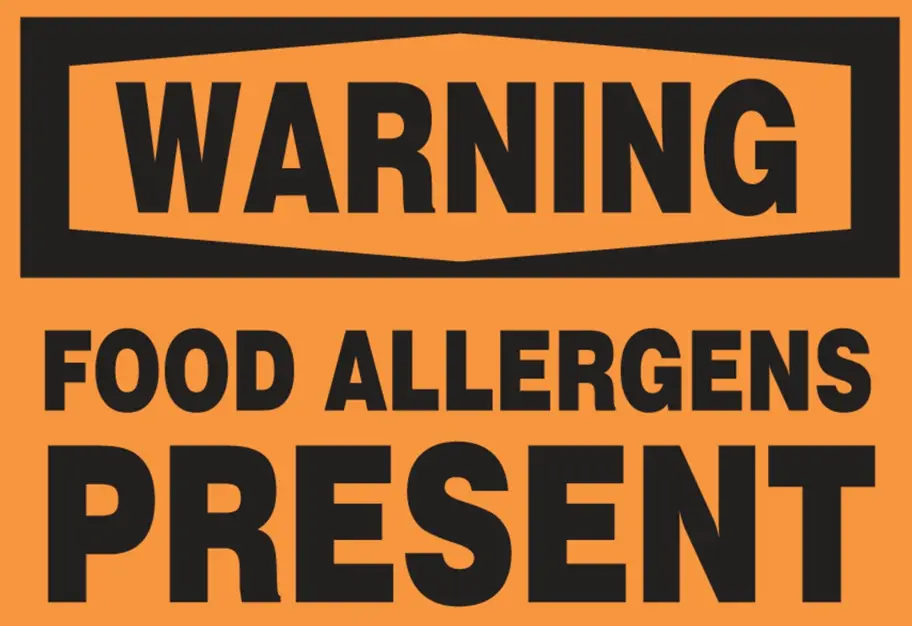
Food Allergy Safety involves taking proactive steps to prevent harmful reactions in individuals with allergies to specific foods, such as peanuts, tree nuts, milk, eggs, fish, shellfish, wheat, or soy. Key measures include:
– Reading labels carefully: Always check ingredient lists and allergen warnings on packaged foods, and be aware of potential cross-contamination risks indicated by phrases like “may contain.”
– Avoiding cross-contamination: Use separate utensils, cutting boards, and cooking surfaces for allergen-free preparation, and wash hands thoroughly after handling allergenic foods.
– Communicating clearly: When dining out or at events, inform servers, chefs, or hosts about allergies to ensure meals are prepared safely, and ask detailed questions about ingredients and preparation methods.
– Emergency preparedness: Individuals with food allergies should carry an epinephrine auto-injector (e.g., EpiPen) at all times, know how to use it, and have a personalized action plan. Symptoms like hives, swelling, difficulty breathing, or vomiting require immediate medical attention.
– Education and awareness: Teach family, friends, and school staff about the allergy, including recognition of symptoms and emergency response steps, to create a safer environment.
By prioritizing these practices, the risk of accidental exposure and severe reactions, such as anaphylaxis, can be significantly reduced.
Table of Contents
- Part 1: OnlineExamMaker AI Quiz Generator – Save Time and Efforts
- Part 2: 20 Food Allergy Safety Quiz Questions & Answers
- Part 3: AI Question Generator – Automatically Create Questions for Your Next Assessment
Part 1: OnlineExamMaker AI Quiz Generator – Save Time and Efforts
Still spend a lot of time in editing questions for your next Food Allergy Safety assessment? OnlineExamMaker is an AI quiz maker that leverages artificial intelligence to help users create quizzes, tests, and assessments quickly and efficiently. You can start by inputting a topic or specific details into the OnlineExamMaker AI Question Generator, and the AI will generate a set of questions almost instantly. It also offers the option to include answer explanations, which can be short or detailed, helping learners understand their mistakes.
What you may like:
● Automatic grading and insightful reports. Real-time results and interactive feedback for quiz-takers.
● The exams are automatically graded with the results instantly, so that teachers can save time and effort in grading.
● LockDown Browser to restrict browser activity during quizzes to prevent students searching answers on search engines or other software.
● OnlineExamMaker API offers private access for developers to extract your exam data back into your system automatically.
Automatically generate questions using AI
Part 2: 20 Food Allergy Safety Quiz Questions & Answers
or
1. What is the most common symptom of a food allergy reaction?
A. Headache
B. Hives or skin rash
C. Fatigue
D. Muscle cramps
Answer: B
Explanation: Hives or skin rash is a common immediate symptom of an allergic reaction, indicating the body’s immune response to an allergen.
2. Which of the following is NOT one of the top 9 allergens according to the FDA?
A. Peanuts
B. Tree nuts
C. Strawberries
D. Soy
Answer: C
Explanation: Strawberries are not among the top 9 allergens; the FDA recognizes milk, eggs, fish, shellfish, tree nuts, peanuts, wheat, soy, and sesame.
3. How should you read food labels to avoid allergens?
A. Only check the ingredients list
B. Look for allergen warnings and cross-contamination notes
C. Ignore labels if the product looks safe
D. Focus only on the nutrition facts
Answer: B
Explanation: Food labels often include specific allergen declarations and warnings about possible cross-contamination, which are essential for safety.
4. What is the best way to prevent cross-contamination in a kitchen?
A. Use the same utensils for all foods
B. Clean surfaces and utensils thoroughly between uses
C. Store allergens on the same shelf
D. Share cutting boards without washing
Answer: B
Explanation: Thorough cleaning of surfaces and utensils prevents allergens from transferring to safe foods, reducing the risk of accidental exposure.
5. If someone is having a severe allergic reaction, what should you do first?
A. Give them water
B. Use an epinephrine auto-injector if available
C. Wait for symptoms to subside
D. Offer over-the-counter antihistamines
Answer: B
Explanation: An epinephrine auto-injector is the first-line treatment for anaphylaxis, a severe allergic reaction, to quickly counteract the symptoms.
6. What does “may contain” mean on a food label?
A. The product is allergen-free
B. There is a risk of cross-contamination
C. The allergen is the main ingredient
D. It’s a guaranteed safe product
Answer: B
Explanation: “May contain” indicates a possible risk of cross-contamination with the allergen during manufacturing, so it should be avoided by those with allergies.
7. Which food is commonly associated with allergies in children?
A. Bananas
B. Milk
C. Rice
D. Potatoes
Answer: B
Explanation: Milk is one of the most common allergens in children, often causing reactions that may improve with age.
8. What is anaphylaxis?
A. A mild skin irritation
B. A severe, life-threatening allergic reaction
C. A common cold symptom
D. A type of food poisoning
Answer: B
Explanation: Anaphylaxis is a rapid and severe allergic reaction that can involve multiple systems in the body and requires immediate medical attention.
9. How often should someone with food allergies carry their emergency medication?
A. Only at home
B. At all times
C. Just during meals
D. Only when traveling
Answer: B
Explanation: Carrying emergency medication like an epinephrine auto-injector at all times ensures quick access in case of an unexpected allergic reaction.
10. What should you do if you’re unsure about a dish at a restaurant?
A. Eat it anyway
B. Ask the server about ingredients and preparation
C. Assume it’s safe if it looks similar to another dish
D. Wait until after eating to check
Answer: B
Explanation: Asking about ingredients and cross-contamination helps confirm if a dish is safe, preventing potential allergic reactions.
11. Which statement is true about food allergies and exercise?
A. Exercise can never trigger allergies
B. Some people experience reactions when exercising after eating certain foods
C. All exercises are safe for those with allergies
D. Allergies only occur during rest
Answer: B
Explanation: Exercise-induced anaphylaxis can occur in some individuals after consuming specific allergens, making it important to monitor activity post-meal.
12. What is the purpose of an allergy action plan?
A. To list favorite foods
B. To outline steps for managing an allergic reaction
C. To track daily meals
D. To ignore symptoms
Answer: B
Explanation: An allergy action plan provides clear instructions for recognizing and responding to allergic reactions, including when to use medication.
13. Which allergen is shellfish most commonly associated with?
A. Gluten intolerance
B. Anaphylaxis in adults
C. Dairy reactions
D. Nut allergies
Answer: B
Explanation: Shellfish allergies are a leading cause of anaphylaxis in adults, often resulting in severe reactions.
14. How can parents help a child with food allergies at school?
A. Send unlabeled snacks
B. Provide the school with an allergy action plan and emergency contacts
C. Assume the school knows everything
D. Avoid informing teachers
Answer: B
Explanation: Sharing an allergy action plan and emergency contacts with the school ensures staff are prepared to handle potential reactions.
15. What should you avoid when preparing food for someone with a peanut allergy?
A. Using peanut oil in cooking
B. Washing hands after handling peanuts
C. Storing peanut-free items separately
D. Checking for hidden peanut ingredients
Answer: A
Explanation: Peanut oil can contain traces of peanuts, so it should be avoided to prevent cross-contamination and accidental exposure.
16. Is it safe to share food or drinks with someone who has a food allergy?
A. Yes, if they seem fine
B. No, due to the risk of cross-contamination
C. Only if it’s a mild allergy
D. Yes, in small amounts
Answer: B
Explanation: Sharing food or drinks can lead to cross-contamination, even unintentionally, so it’s best to avoid to ensure safety.
17. What role does epinephrine play in food allergy management?
A. It prevents allergies from developing
B. It reverses severe allergic reactions
C. It cures food allergies
D. It only treats mild symptoms
Answer: B
Explanation: Epinephrine is used to quickly reverse the effects of a severe allergic reaction by reducing swelling and opening airways.
18. Which label phrase indicates a product might not be safe for someone with a wheat allergy?
A. “Gluten-free”
B. “Contains wheat”
C. “No additives”
D. “Natural ingredients”
Answer: B
Explanation: “Contains wheat” directly indicates the presence of wheat, a common allergen, making the product unsafe for those with wheat allergies.
19. How can you identify if a reaction is due to a food allergy versus food intolerance?
A. Food intolerance causes immune responses like hives
B. Food allergies involve the immune system and can be life-threatening
C. They are the same thing
D. Intolerance always requires an EpiPen
Answer: B
Explanation: Food allergies trigger an immune response and can lead to severe reactions, while intolerances, like lactose intolerance, do not involve the immune system.
20. What is the first step in treating a mild allergic reaction to food?
A. Immediately go to the hospital
B. Take an antihistamine as directed
C. Ignore it if symptoms are minor
D. Eat more of the food
Answer: B
Explanation: Antihistamines can help manage mild symptoms like itching or hives, but severe reactions require immediate epinephrine and medical help.
or
Part 3: AI Question Generator – Automatically Create Questions for Your Next Assessment
Automatically generate questions using AI