Cyberbullying safety involves protecting individuals from online harassment and emotional harm through proactive measures and awareness. It includes recognizing forms of cyberbullying, such as hurtful messages, public shaming on social media, or impersonation, which can lead to anxiety, depression, and social isolation.
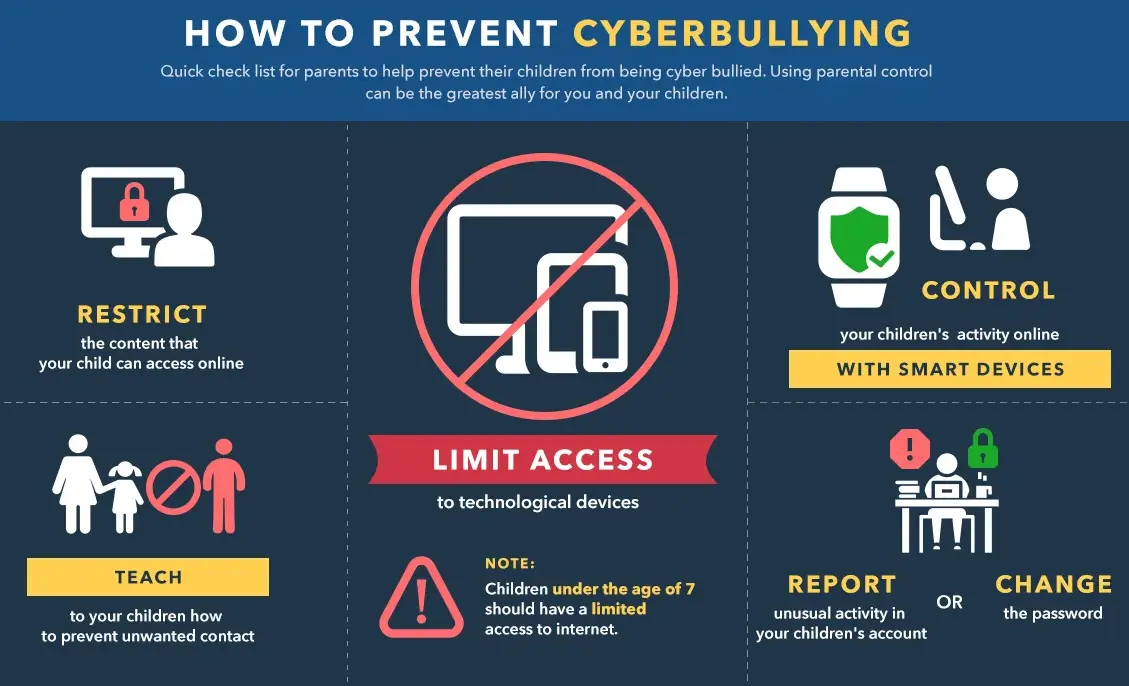
To stay safe, set strong privacy settings on accounts, avoid sharing personal information with strangers, and think twice before posting content that could be misinterpreted. If targeted, document incidents, block the bully, and report them to platform moderators or authorities. Encourage open communication with trusted friends, family, or counselors, and promote a positive digital environment by supporting anti-bullying campaigns and fostering empathy online. Remember, everyone has the right to a safe and respectful virtual space.
Table of Contents
- Part 1: Best AI Quiz Making Software for Creating A Cyberbullying Safety Quiz
- Part 2: 20 Cyberbullying Safety Quiz Questions & Answers
- Part 3: AI Question Generator – Automatically Create Questions for Your Next Assessment
Part 1: Best AI Quiz Making Software for Creating A Cyberbullying Safety Quiz
Nowadays more and more people create Cyberbullying Safety quizzes using AI technologies, OnlineExamMaker a powerful AI-based quiz making tool that can save you time and efforts. The software makes it simple to design and launch interactive quizzes, assessments, and surveys. With the Question Editor, you can create multiple-choice, open-ended, matching, sequencing and many other types of questions for your tests, exams and inventories. You are allowed to enhance quizzes with multimedia elements like images, audio, and video to make them more interactive and visually appealing.
Take a product tour of OnlineExamMaker:
● Create a question pool through the question bank and specify how many questions you want to be randomly selected among these questions.
● Build and store questions in a centralized portal, tagged by categories and keywords for easy reuse and organization.
● Simply copy a few lines of codes, and add them to a web page, you can present your online quiz in your website, blog, or landing page.
● Randomize questions or change the order of questions to ensure exam takers don’t get the same set of questions each time.
Automatically generate questions using AI
Part 2: 20 Cyberbullying Safety Quiz Questions & Answers
or
1. Question: What is cyberbullying?
Options:
A) Sending kind messages to friends online
B) Using electronic devices to harass or threaten someone repeatedly
C) Sharing educational content on social media
D) Playing video games with strangers
Answer: B
Explanation: Cyberbullying is the use of digital platforms to intentionally harm, embarrass, or threaten others, which can lead to serious emotional and psychological effects.
2. Question: Which of the following is a common sign that someone is being cyberbullied?
Options:
A) Suddenly spending more time online
B) Receiving repeated hateful messages or posts
C) Posting happy photos on social media
D) Making new online friends
Answer: B
Explanation: Repeated hateful messages or posts are a direct indicator of cyberbullying, as they involve ongoing harassment that can isolate and distress the victim.
3. Question: What should you do if you witness cyberbullying?
Options:
A) Ignore it and hope it stops
B) Report it to a trusted adult or the platform’s moderators
C) Join in to show support for the bully
D) Share the content with more people
Answer: B
Explanation: Reporting cyberbullying to a trusted adult or moderators helps stop the behavior and protects the victim, as early intervention can prevent escalation.
4. Question: How can strong privacy settings on social media help prevent cyberbullying?
Options:
A) They allow everyone to see your posts
B) They limit who can contact or view your information
C) They make your profile more public
D) They encourage sharing personal details
Answer: B
Explanation: Strong privacy settings restrict access to your personal information, reducing the chances of bullies targeting you by limiting unwanted interactions.
5. Question: What is the best way to respond if you are being cyberbullied?
Options:
A) Respond with anger and fight back online
B) Block the bully and seek help from a parent or teacher
C) Share the bully’s messages with friends
D) Pretend it doesn’t affect you and continue engaging
Answer: B
Explanation: Blocking the bully and seeking help removes you from the situation and allows authorities to address the issue, minimizing further harm.
6. Question: Why is it important to think before posting online?
Options:
A) It helps you gain more followers
B) It prevents posts from being used against you in cyberbullying
C) It makes your content more popular
D) It allows you to post without consequences
Answer: B
Explanation: Thinking before posting reduces the risk of sharing content that could be exploited by bullies, protecting your online reputation and safety.
7. Question: What role do schools play in addressing cyberbullying?
Options:
A) They have no involvement since it’s online
B) They can educate students and enforce anti-bullying policies
C) They encourage students to handle it privately
D) They ignore it as it’s not their responsibility
Answer: B
Explanation: Schools can implement education programs and policies to address cyberbullying, creating a safer environment both online and offline.
8. Question: How does cyberbullying differ from traditional bullying?
Options:
A) It only happens in person
B) It can occur 24/7 and reach a wider audience online
C) It is always less harmful
D) It requires physical contact
Answer: B
Explanation: Cyberbullying is unique because it can happen anytime and spread quickly online, making it harder to escape and increasing its impact.
9. Question: What is a safe way to handle anonymous threats online?
Options:
A) Respond directly to confront the sender
B) Save evidence and report it to authorities
C) Delete the threats immediately without action
D) Share the threats with friends for advice
Answer: B
Explanation: Saving evidence and reporting anonymous threats allows authorities to investigate and take action, ensuring your safety.
10. Question: Why should you avoid sharing personal information online?
Options:
A) It helps you make more friends
B) It can be used by bullies to target or exploit you
C) It makes your profile look more interesting
D) It has no risks
Answer: B
Explanation: Sharing personal information gives bullies tools to harass you, such as knowing your location or routines, increasing vulnerability.
11. Question: What is the potential long-term effect of cyberbullying on victims?
Options:
A) It always improves their social skills
B) It can lead to anxiety, depression, or low self-esteem
C) It has no lasting impact
D) It makes them more popular online
Answer: B
Explanation: Cyberbullying can cause enduring mental health issues like anxiety and depression, highlighting the need for immediate support and intervention.
12. Question: How can parents help prevent cyberbullying for their children?
Options:
A) By monitoring their online activity and discussing safety
B) By allowing unrestricted internet access
C) By ignoring their online behavior
D) By encouraging them to respond to bullies
Answer: A
Explanation: Monitoring and discussing online activity with children helps build awareness and teaches them how to recognize and avoid cyberbullying risks.
13. Question: What does “digital footprint” mean in the context of cyberbullying?
Options:
A) The physical traces left by devices
B) The online trail of information you leave behind
C) Only positive posts on social media
D) Temporary data that disappears quickly
Answer: B
Explanation: A digital footprint includes all your online activities, which can be used by bullies if not managed carefully, emphasizing the importance of positive online behavior.
14. Question: Why is it helpful to use strong, unique passwords?
Options:
A) They make it easier for friends to access your accounts
B) They prevent hackers or bullies from gaining unauthorized access
C) They allow you to share passwords safely
D) They have no relation to safety
Answer: B
Explanation: Strong passwords protect your accounts from being compromised, reducing the risk of bullies accessing and misusing your personal information.
15. Question: What should you do if cyberbullying involves sharing your private photos?
Options:
A) Ask the bully to stop politely
B) Report it to the platform and consider legal action if needed
C) Try to get revenge by sharing their photos
D) Ignore it and wait for it to blow over
Answer: B
Explanation: Reporting to the platform and seeking legal help can remove the content and hold the bully accountable, protecting your privacy and rights.
16. Question: How can empathy education reduce cyberbullying?
Options:
A) It encourages people to ignore others’ feelings
B) It helps individuals understand the impact of their actions on others
C) It promotes aggressive online behavior
D) It has no effect on bullying
Answer: B
Explanation: Teaching empathy allows people to recognize how their words hurt others, fostering a more respectful online environment and reducing bullying incidents.
17. Question: What is the first step in creating a safe online community?
Options:
A) Allowing all types of content without rules
B) Establishing clear guidelines against harassment
C) Encouraging anonymous posting
D) Ignoring negative interactions
Answer: B
Explanation: Clear guidelines against harassment set expectations for behavior, helping to prevent cyberbullying and maintain a positive community.
18. Question: Why might someone become a cyberbully?
Options:
A) To make friends and be popular
B) Due to personal issues, seeking power, or peer pressure
C) Because it’s always fun and harmless
D) To improve their own self-esteem positively
Answer: B
Explanation: Cyberbullies often act out of their own insecurities or external pressures, understanding this can help in addressing the root causes through education and support.
19. Question: What legal consequences can cyberbullying have?
Options:
A) None, as it’s just online
B) Fines, suspensions, or even criminal charges in severe cases
C) Only minor warnings from platforms
D) Automatic forgiveness after an apology
Answer: B
Explanation: Severe cyberbullying can lead to legal actions like fines or charges, as it may violate laws against harassment, emphasizing the seriousness of the act.
20. Question: How can you promote positive online behavior?
Options:
A) By spreading rumors about others
B) By supporting friends and reporting harmful content
C) By remaining silent during conflicts
D) By copying and sharing others’ posts without permission
Answer: B
Explanation: Supporting friends and reporting harmful content encourages a positive online culture, helping to deter cyberbullying and build safer digital spaces.
or
Part 3: AI Question Generator – Automatically Create Questions for Your Next Assessment
Automatically generate questions using AI