As one of the digital marketers, you may face this fact: those 50,000 email subscribers you collected from a generic “10% off” popup? Worthless. Well, maybe not worthless, but compared to the 500 leads you could’ve captured through a strategically designed quiz, they’re about as qualified as a goldfish applying for an astronaut position.
The truth is, quizzes aren’t just fun diversions for procrastinating employees—they’re conversion machines disguised as entertainment. When done right, they transform casual browsers into self-segmented, pre-qualified leads who’ve already told you exactly what they need. And the best part? They do it willingly, enthusiastically even.
Let’s talk about how to build quizzes that don’t just collect emails, but capture the right emails.
- Start with Outcome-Focused Quiz Angles
- Learn from Top Quiz Examples That Actually Convert
- Build Perceived Value Before Asking for Data
- Design Quiz UX for Maximum Completion
- Craft a Benefit-Driven Quiz Title and Introduction
- Ask Smart Qualifying Questions
- Use Branching Logic for Personalized Relevance
- Position and Optimize the Lead Capture Form
- Write Results Pages That Sell
Start with Outcome-Focused Quiz Angles
Nobody wakes up thinking, “I really need to take a quiz today.” But they do wake up wondering which CRM fits their growing team, or why their Instagram engagement tanked last month, or whether they’re leaving money on the table with their pricing strategy.
Your quiz needs to promise a clear, valuable outcome—not entertainment for entertainment’s sake. Think about it: “What Type of Pizza Are You?” might rack up social shares, but “What’s Your Ideal Marketing Tech Stack?” will capture decision-makers actively solving a problem.
The best quiz angles map directly to what you sell:
- “Find Your Perfect [Product Category]” – Works brilliantly for e-commerce and SaaS with multiple product tiers
- “What’s Blocking Your [Desired Outcome]?” – Positions your service as the solution to their diagnosed problem
- “What’s Your [Relevant Score]?” – Creates a benchmark they’ll want to improve (hello, upsell opportunity)
- “Are You Ready for [Next Level Action]?” – Qualifies leads by assessing their readiness to buy
With OnlineExamMaker’s platform, you can design these outcome-focused quizzes with sophisticated logic while keeping the interface simple. The AI Question Generator can even help you brainstorm questions aligned with your specific lead qualification criteria.
Create Your Next Quiz/Exam with OnlineExamMaker
Learn from Top Quiz Examples That Actually Convert
Let’s dissect what makes certain quizzes irresistible conversion machines while others get abandoned faster than a New Year’s gym membership.
Product Finder Quizzes
Skincare brands absolutely nail this format. They ask about your skin type, concerns, and goals, then recommend a personalized routine. Why does it work? Because nobody wants to wade through 47 serums to find the right one. The quiz does the research for them, creating instant value.
Readiness Assessment Quizzes
B2B companies use these masterfully. “Is Your Team Ready for Remote Work?” or “Should You Hire a Marketing Agency?” These quizzes qualify leads by revealing their pain points and urgency level. Someone who scores “critically unprepared” is a much hotter lead than someone who’s “doing fine.”
Style or Personality Quizzes
Fashion and lifestyle brands dominate here, but the format works across industries. The key? Make people feel seen. When you nail their personality type or style preferences, they trust your recommendations.
Common patterns in high-converting quizzes: Benefit-driven titles that promise specific outcomes, visual questions with images or GIFs, highly personalized results pages that feel custom-made, and strategic placement of the opt-in form where perceived value peaks.
Build Perceived Value Before Asking for Data
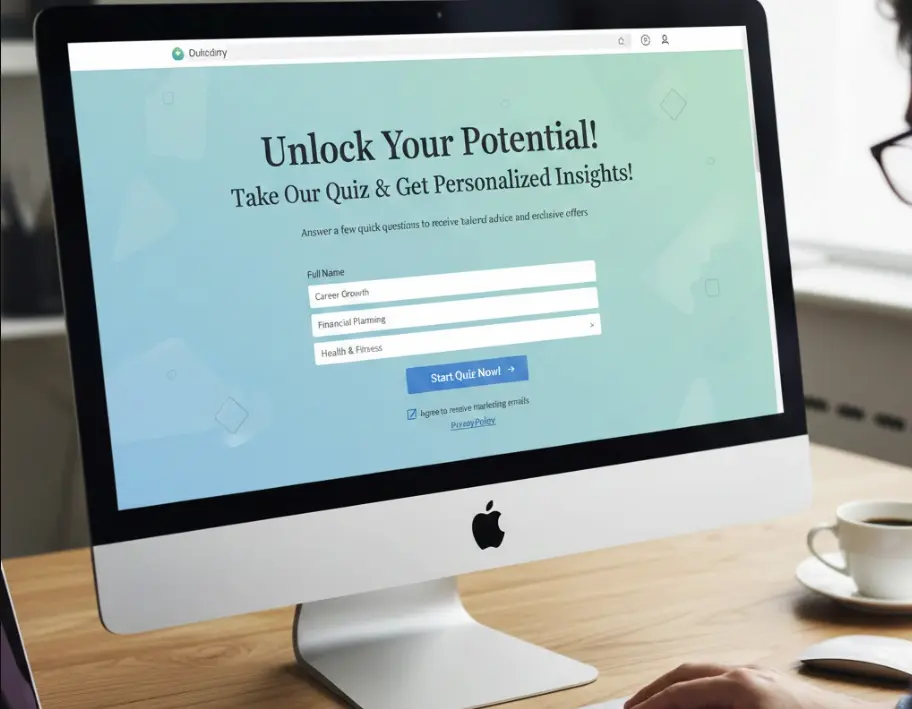
Here’s the exchange rate that matters: people will hand over their email when the perceived value of your quiz results exceeds the “cost” of sharing their information. It’s basic psychology dressed up as conversion optimization.
The mistake most marketers make? Asking for the email too early, before they’ve demonstrated any value. It’s like proposing marriage on the first date—technically you can do it, but don’t expect great results.
How to stack the value equation in your favor:
- Promise specific, practical outcomes: “Get your custom 30-day content calendar” beats “See your results”
- Show examples of what results look like (screenshots work wonders)
- Include micro-testimonials near the opt-in: “This quiz helped me identify exactly which automation tool we needed”
- Add credibility markers: “Join 10,000+ marketers who’ve discovered their ideal strategy”
The results should feel like they’re worth $50, even though you’re giving them away for just an email address. When that value perception is strong enough, people will practically throw their contact information at you.
Design Quiz UX for Maximum Completion
A quiz that nobody finishes is just an expensive traffic graveyard. Your completion rate should be your obsession—because unconverted quiz-takers are leads that slipped through your fingers.
The golden rules of quiz UX:
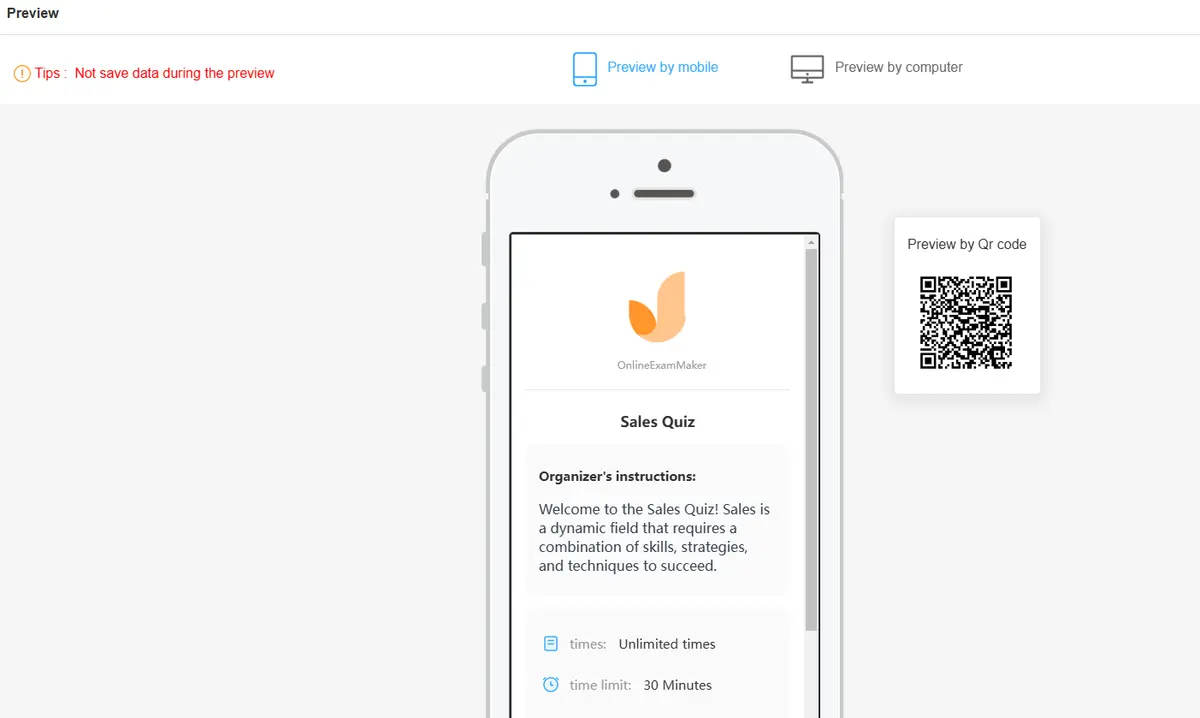
Mobile-first design is non-negotiable. Over 60% of quiz takers are on their phones, scrolling during their commute or “bathroom break” (we all do it). If your quiz looks clunky on mobile, you’ve already lost.
Show progress indicators. People need to know they’re not committing to a 30-minute survey. A simple “Question 3 of 7” makes the finish line visible.
Keep it to 6-10 questions. Any longer and you’re testing patience. Any shorter and you lack the data to personalize meaningfully. It’s a Goldilocks situation.
One question per screen. This creates momentum and reduces cognitive load. Each click forward feels like progress, triggering that sweet dopamine hit that keeps people moving.
Mix in visual elements. Images, GIFs, even emoji make questions more engaging than walls of text. They also help break up the experience and maintain interest.
OnlineExamMaker’s platform handles all this heavy lifting with responsive design templates and customizable progress tracking. The Question Management Bank lets you organize and reuse your best-performing questions across multiple quizzes.
Craft a Benefit-Driven Quiz Title and Introduction
Your quiz title is doing the same job as a dating app profile: it has about three seconds to convince someone you’re worth their time. Make those seconds count.
Bad title: “Take Our Marketing Quiz”
Good title: “Discover Your Marketing Superpower in 2 Minutes”
Great title: “Which Marketing Strategy Will 10X Your ROI? (Take This 2-Minute Quiz)”
See the difference? The great title specifies the outcome (10X ROI), addresses who it’s for (people wanting better returns), and manages time expectations (2 minutes). It’s not poetry, but it’s precise.
Your introduction should paint a quick “before and after” picture. Where are they now? Where could they be? What’s standing between them and that transformation?
“Right now, you’re probably spending hours researching tools, comparing features, and second-guessing your choices. Two minutes from now, you’ll have a clear recommendation based on your specific needs, team size, and budget. No more decision paralysis—just clarity.”
That’s a clear value proposition wrapped in empathy. It acknowledges their current frustration and promises specific relief.
Ask Smart Qualifying Questions
This is where amateurs and pros diverge. Amateurs ask random “fun” questions that make people smile but reveal nothing useful. Pros craft questions that feel casual but secretly collect gold-standard qualification data.
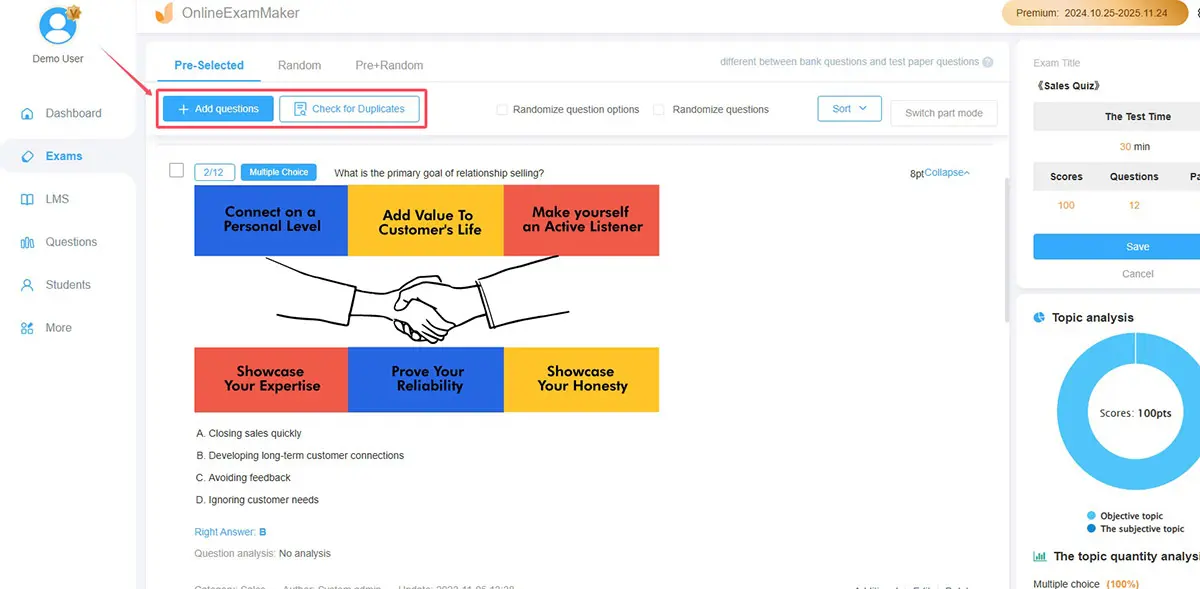
The questions you need to weave in:
| Question Type | What It Reveals | Example |
|---|---|---|
| Budget Indicator | Pricing tier fit | “How many team members will use this tool?” (proxy for budget) |
| Timeline Signal | Purchase urgency | “When do you need this solution implemented?” |
| Use Case | Product fit | “What’s your primary goal: lead generation, customer retention, or brand awareness?” |
| Decision Authority | Lead quality | “What’s your role in the decision-making process?” |
| Current Situation | Pain points | “Which challenge frustrates you most right now?” |
The art is making these feel natural, not interrogative. Couch them in the context of delivering better recommendations: “To give you the most accurate results, I need to know…” People understand that personalization requires information.
And here’s a ninja move: sprinkle in 2-3 genuinely fun or personality-based questions among your strategic ones. This keeps the quiz feeling light and engaging while you collect the data that matters. Using the AI Question Generator from OnlineExamMaker, you can generate both engaging and qualifying questions that maintain the perfect balance.
Use Branching Logic for Personalized Relevance
Today’s high-performing quizzes use conditional logic—different questions or result paths based on previous answers. It’s the difference between a one-size-fits-all recommendation and something that feels custom-tailored.
Let’s say someone identifies as a solopreneur in question one. Why would you then ask about team management in question three? You wouldn’t. Instead, branching logic skips irrelevant questions and jumps to ones about individual productivity or budget constraints.
Why branching logic matters:
- Increases relevance: Every question feels pertinent to their specific situation
- Improves completion rates: No wasted questions means less abandonment
- Enables automatic segmentation: Different answer paths can trigger different email nurture sequences
- Creates bespoke recommendations: Results feel truly personalized, not generic
For example, an e-commerce quiz might branch based on budget: high-budget respondents see questions about premium features, while budget-conscious folks get questions about essential functionality. Each group ends up with recommendations perfectly aligned with their constraints.
OnlineExamMaker’s platform makes implementing branching logic straightforward, even if you’re not a tech wizard. You can map out complex decision trees without writing a single line of code.
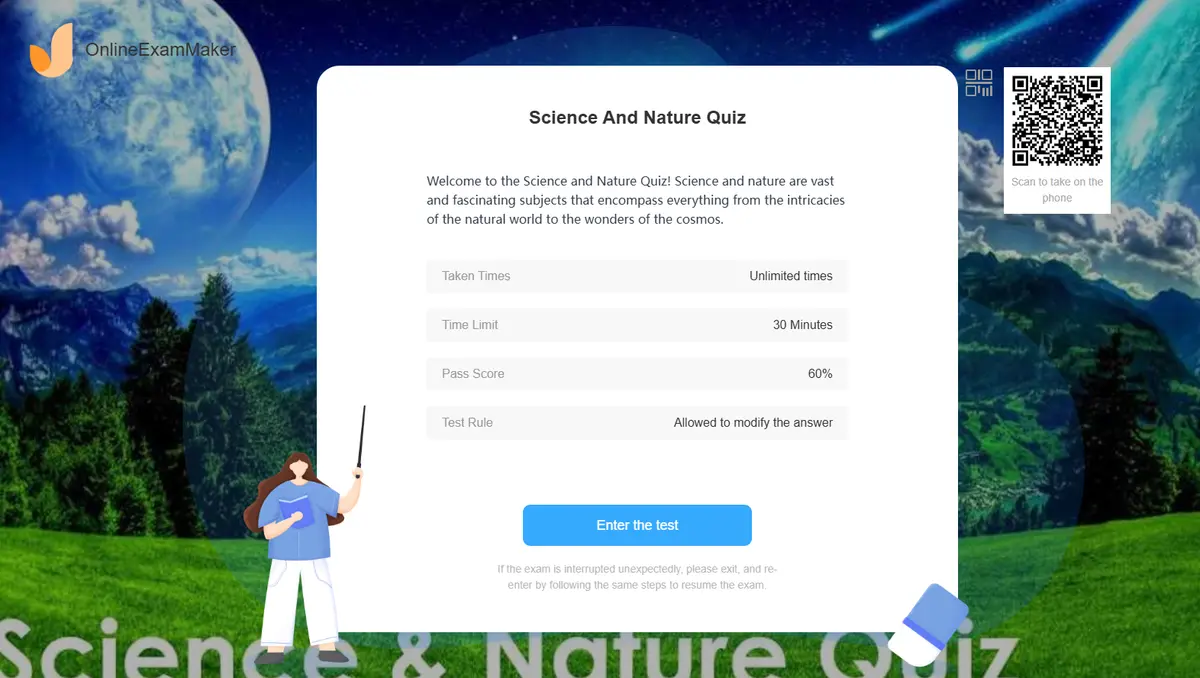
Position and Optimize the Lead Capture Form
The placement of your lead capture form is a high-stakes game of timing. Too early, and you haven’t built enough value. Too late, and people have already bounced. There are three strategic positions to test:
Before Results (The Classic Gate)
“Enter your email to see your personalized results.” This works when your quiz title and questions have built massive curiosity. The perceived value of those results needs to be extremely high for this to convert well.
Between Summary and Deep Dive (The Two-Step Reveal)
Show them a teaser of their result—”You’re a Strategic Innovator!”—then gate the full analysis. This is the sweet spot for most quizzes because it proves you have something valuable while leaving them wanting more.
After Results with Bonus Content
Give away the results completely, then offer additional value: “Want your custom action plan emailed to you?” This builds maximum trust but may attract less qualified leads who just wanted the free stuff.
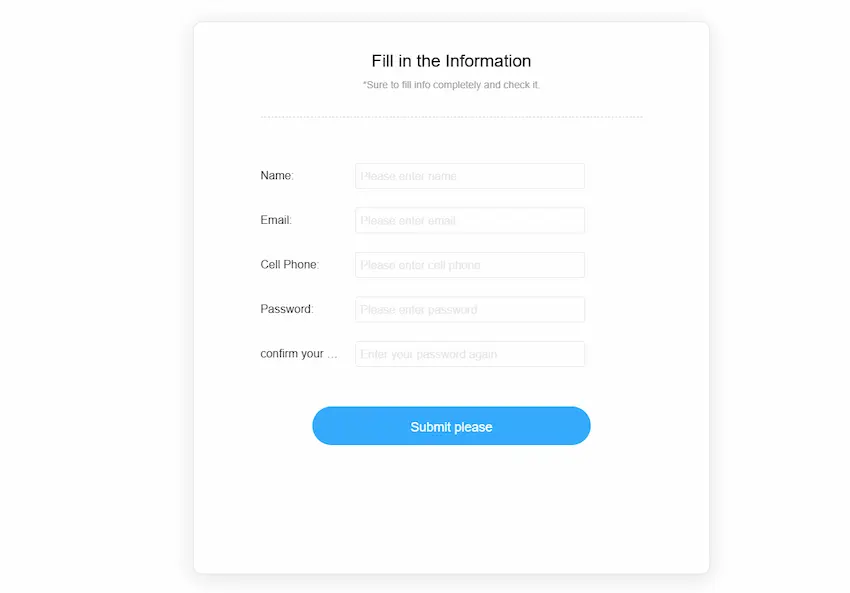
The microcopy matters as much as placement. Reframe your form as a value exchange, not a data grab:
- ❌ “Subscribe to our newsletter”
- ✅ “Email me my personalized action plan”
- ✅ “Send my score and next steps”
- ✅ “Get my custom strategy guide”
See how the good examples specify what they’re getting, making it feel like a gift rather than a transaction?
Write Results Pages That Sell
Your results page isn’t the end of your quiz—it’s the beginning of your sales process. This is where browsers transform into buyers, but only if you nail the execution.
Treat your results page like a mini-sales page with these elements:
1. A headline that restates their result with a benefit
Not just “You’re Type A,” but “You’re a Strategic Innovator—Here’s How to Leverage That for Maximum Impact”
2. Short analysis that makes them feel understood
“As a Strategic Innovator, you excel at seeing the big picture but sometimes struggle with implementation details. You need tools that match your visionary thinking while handling the tactical execution.”
3. Specific next steps tied to your offer
This is where you bridge from insight to action. “Based on your results, here are the three tools that strategic innovators like you find most valuable…”
4. Product or service recommendations with reasoning
Don’t just list products—explain why they’re perfect for this result type. Make the connection explicit.
5. Objection-handling FAQ
Address the most common hesitations: “But isn’t this too complex?” or “Will this work for my industry?”
6. Social proof from similar result types
“Other Strategic Innovators saw 40% productivity gains after implementing this system”
7. Clear, visually prominent CTA
“Get Your Strategic Innovation Toolkit” beats a generic “Learn More” button every time.
With OnlineExamMaker’s Automatic Grading feature, you can instantly generate personalized results at scale, ensuring every quiz taker feels like their recommendations were crafted specifically for them.
Make Quizzes as Strategic Assets
Let’s circle back to where we started. Those 50,000 generic email subscribers? They cost you approximately $2.50 each in ad spend, open your emails 15% of the time, and convert at maybe 1%.
Your 500 quiz-generated leads? They self-selected into your funnel, told you exactly what they need, and are already primed to buy your specific solution. They open emails at 40%+ rates and convert at 5-10X the rate of cold traffic.
The math isn’t even close.
Building a high-converting quiz isn’t about gimmicks or viral tricks. It’s about understanding your audience deeply enough to ask the right questions, providing enough value to earn their trust, and making personalized recommendations that actually solve their problems. Do that, and you’re not just collecting leads—you’re building relationships with people who already want what you’re selling.
They’ve raised their hand, identified their problem, and asked for your help. All you have to do is deliver.
Now go build that quiz. Your future customers are waiting to tell you exactly how to sell to them.
