The manufacturing industry encompasses the production of goods through processes that involve transforming raw materials into finished products using machinery, labor, and tools. It is a cornerstone of global economies, contributing significantly to GDP, employment, and innovation across sectors such as automotive, electronics, pharmaceuticals, and consumer goods.
Key sectors include:
– Automotive: Focuses on vehicle assembly and parts production, driven by advancements in electric and autonomous technologies.
– Electronics: Involves the creation of devices like smartphones and computers, emphasizing miniaturization and semiconductor manufacturing.
– Chemicals and Materials: Produces plastics, metals, and specialty chemicals, supporting various downstream industries.
– Food and Beverage: Processes raw agricultural products into consumable items, with a growing emphasis on sustainable packaging.
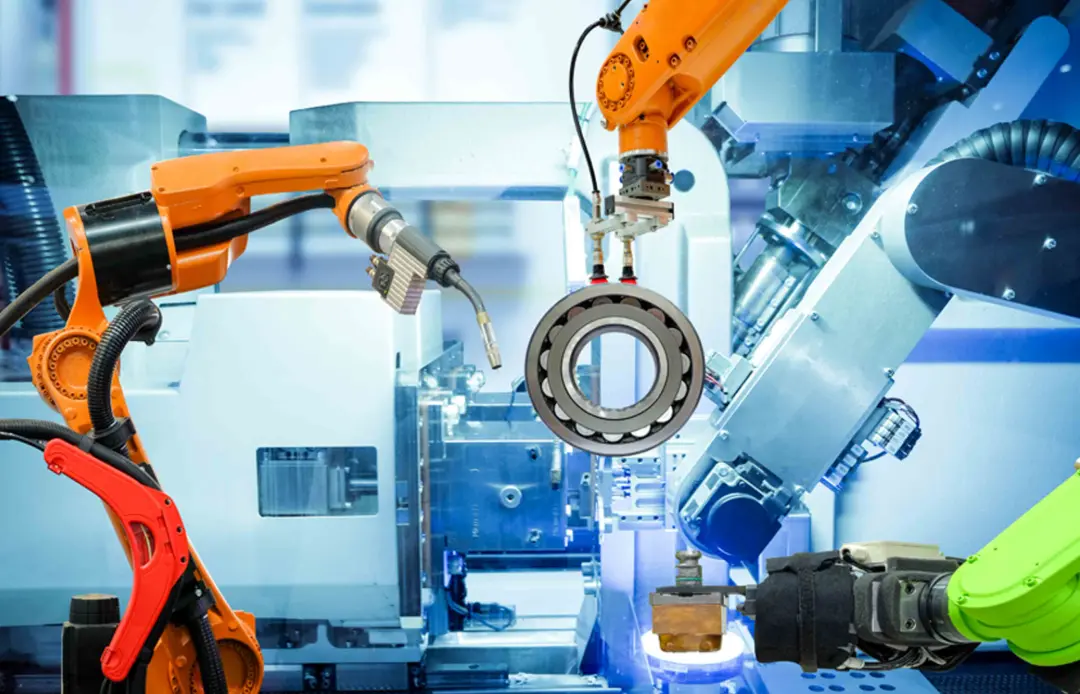
– Machinery and Equipment: Manufactures industrial tools, robots, and heavy machinery, fueling automation in other sectors.
The industry has evolved with trends like Industry 4.0, which integrates IoT, AI, and big data for smart factories. Globalization has led to supply chain networks spanning multiple countries, enhancing efficiency but exposing vulnerabilities, as seen in recent disruptions.
Economic impact is profound: Manufacturing accounts for about 16% of global GDP and employs millions, particularly in emerging markets like China and India. In developed nations, it drives technological innovation and exports.
Challenges include rising costs, skilled labor shortages, environmental regulations, and supply chain risks. Sustainability efforts, such as adopting green manufacturing and circular economy practices, are increasingly vital to reduce carbon footprints.
Looking ahead, the sector is poised for growth through digital transformation, with predictions of increased adoption of 3D printing, robotics, and renewable energy sources to meet demands for efficiency and eco-friendliness.
Table of Contents
- Part 1: Best AI Quiz Making Software for Creating A Manufacturing Industry Quiz
- Part 2: 20 Manufacturing Industry Quiz Questions & Answers
- Part 3: AI Question Generator – Automatically Create Questions for Your Next Assessment
Part 1: Best AI Quiz Making Software for Creating A Manufacturing Industry Quiz
OnlineExamMaker is a powerful AI-powered assessment platform to create auto-grading Manufacturing Industry skills assessments. It’s designed for educators, trainers, businesses, and anyone looking to generate engaging quizzes without spending hours crafting questions manually. The AI Question Generator feature allows you to input a topic or specific details, and it generates a variety of question types automatically.
Top features for assessment organizers:
● Combines AI webcam monitoring to capture cheating activities during online exam.
● Enhances assessments with interactive experience by embedding video, audio, image into quizzes and multimedia feedback.
● Once the exam ends, the exam scores, question reports, ranking and other analytics data can be exported to your device in Excel file format.
● API and SSO help trainers integrate OnlineExamMaker with Google Classroom, Microsoft Teams, CRM and more.
Automatically generate questions using AI
Part 2: 20 Manufacturing Industry Quiz Questions & Answers
or
1. Question: What is the primary goal of lean manufacturing?
Options:
A) To maximize inventory levels
B) To eliminate waste and improve efficiency
C) To increase production speed regardless of quality
D) To focus solely on automated processes
Answer: B
Explanation: Lean manufacturing aims to streamline operations by removing non-value-added activities, reducing costs, and enhancing overall productivity.
2. Question: Which manufacturing process involves producing goods in a continuous flow, such as in oil refineries?
Options:
A) Batch production
B) Job shop production
C) Continuous production
D) Assembly line production
Answer: C
Explanation: Continuous production operates 24/7 with a steady flow of materials, ideal for high-volume products like chemicals or petroleum.
3. Question: What does the acronym JIT stand for in manufacturing inventory management?
Options:
A) Just In Time
B) Job Inventory Tracking
C) Joint Industrial Technique
D) Justified Inventory Total
Answer: A
Explanation: Just In Time (JIT) minimizes inventory costs by receiving goods only as they are needed in the production process, reducing waste and storage needs.
4. Question: In Six Sigma methodology, what does the term “DMAIC” represent?
Options:
A) Define, Measure, Analyze, Improve, Control
B) Design, Monitor, Assess, Implement, Check
C) Develop, Manage, Audit, Inspect, Confirm
D) Direct, Measure, Adjust, Inspect, Complete
Answer: A
Explanation: DMAIC is a data-driven improvement cycle used to identify and eliminate defects in manufacturing processes, ensuring higher quality.
5. Question: What is the main purpose of a bill of materials (BOM) in manufacturing?
Options:
A) To outline the marketing strategy
B) To list all raw materials, components, and assemblies needed for a product
C) To detail employee schedules
D) To record sales forecasts
Answer: B
Explanation: A BOM serves as a comprehensive list that helps in planning, purchasing, and assembling products accurately.
6. Question: Which tool is commonly used for identifying potential failure points in a manufacturing process?
Options:
A) Pareto chart
B) Failure Mode and Effects Analysis (FMEA)
C) Gantt chart
D) Control chart
Answer: B
Explanation: FMEA systematically evaluates possible failure modes to prioritize risks and implement preventive measures in manufacturing.
7. Question: What is the key benefit of implementing automation in manufacturing?
Options:
A) Increased human involvement
B) Reduced production speed
C) Enhanced precision and efficiency
D) Higher material waste
Answer: C
Explanation: Automation uses technology like robots to perform repetitive tasks with greater accuracy, speed, and consistency, lowering errors.
8. Question: In supply chain management, what does the term “lead time” refer to?
Options:
A) The time taken to train employees
B) The duration from order placement to delivery
C) The cost of raw materials
D) The frequency of quality checks
Answer: B
Explanation: Lead time is critical in manufacturing as it affects inventory levels and customer satisfaction by determining how long it takes to fulfill orders.
9. Question: Which type of manufacturing layout arranges equipment based on the sequence of operations?
Options:
A) Fixed-position layout
B) Process layout
C) Product layout
D) Cellular layout
Answer: C
Explanation: Product layout optimizes workflow by aligning machines and workstations in the order of production steps, commonly used in assembly lines.
10. Question: What is the primary focus of Total Quality Management (TQM) in manufacturing?
Options:
A) Cost reduction only
B) Continuous improvement of all processes and products
C) Increasing production volume
D) Limiting employee involvement
Answer: B
Explanation: TQM emphasizes ongoing enhancement of quality through employee participation and customer focus to meet standards consistently.
11. Question: How does Kaizen contribute to manufacturing?
Options:
A) By promoting large-scale changes periodically
B) By encouraging small, incremental improvements continuously
C) By focusing on external marketing
D) By reducing technology use
Answer: B
Explanation: Kaizen fosters a culture of constant, employee-driven enhancements to processes, leading to efficiency and quality gains over time.
12. Question: What is the role of ERP systems in manufacturing?
Options:
A) To handle only financial transactions
B) To integrate and manage core business processes like inventory and production
C) To focus solely on customer relations
D) To automate marketing campaigns
Answer: B
Explanation: Enterprise Resource Planning (ERP) systems streamline data across departments, improving decision-making and operational efficiency in manufacturing.
13. Question: In manufacturing, what does “value stream mapping” help achieve?
Options:
A) Visualizing and improving the flow of materials and information
B) Tracking employee attendance
C) Designing product packaging
D) Monitoring weather conditions
Answer: A
Explanation: Value stream mapping identifies waste and inefficiencies in the production process, allowing for targeted improvements.
14. Question: Which factor is most critical for ensuring workplace safety in manufacturing?
Options:
A) Ignoring protective equipment
B) Regular risk assessments and training
C) Maximizing machine speed
D) Reducing break times
Answer: B
Explanation: Regular risk assessments and training help prevent accidents by addressing hazards and educating workers on safety protocols.
15. Question: What is the main advantage of using 3D printing in manufacturing?
Options:
A) It increases material waste
B) It allows for rapid prototyping and customized production
C) It requires extensive manual labor
D) It slows down innovation
Answer: B
Explanation: 3D printing enables quick creation of complex designs with less waste, facilitating faster development and personalization.
16. Question: How does the concept of economies of scale apply to manufacturing?
Options:
A) It increases costs with higher production
B) It reduces average costs as production volume increases
C) It focuses on small-scale operations
D) It eliminates the need for technology
Answer: B
Explanation: Economies of scale lower per-unit costs through efficient use of resources as output grows, benefiting large-scale manufacturing.
17. Question: What is the purpose of a control chart in quality control?
Options:
A) To monitor process variations over time
B) To design new products
C) To handle sales data
D) To schedule maintenance
Answer: A
Explanation: Control charts track statistical data to detect deviations, ensuring processes remain stable and meet quality standards.
18. Question: In manufacturing, what does “just-in-case” inventory strategy involve?
Options:
A) Keeping minimal stock to reduce costs
B) Maintaining extra inventory to avoid shortages
C) Eliminating all storage needs
D) Focusing on rapid disposal of goods
Answer: B
Explanation: Just-in-case strategy holds buffer stock to handle unexpected demand or disruptions, though it ties up capital.
19. Question: Which environmental regulation is often relevant to manufacturing industries?
Options:
A) ISO 9001
B) ISO 14001
C) OSHA standards
D) FDA guidelines
Answer: B
Explanation: ISO 14001 provides a framework for environmental management systems, helping manufacturers reduce their ecological footprint.
20. Question: What is the key outcome of implementing the 5S methodology in manufacturing?
Options:
A) A disorganized workspace
B) A cleaner, more organized, and efficient workplace
C) Reduced employee morale
D) Increased production errors
Answer: B
Explanation: 5S (Sort, Set in order, Shine, Standardize, Sustain) improves workplace organization, safety, and productivity by eliminating clutter and standardizing processes.
or
Part 3: AI Question Generator – Automatically Create Questions for Your Next Assessment
Automatically generate questions using AI