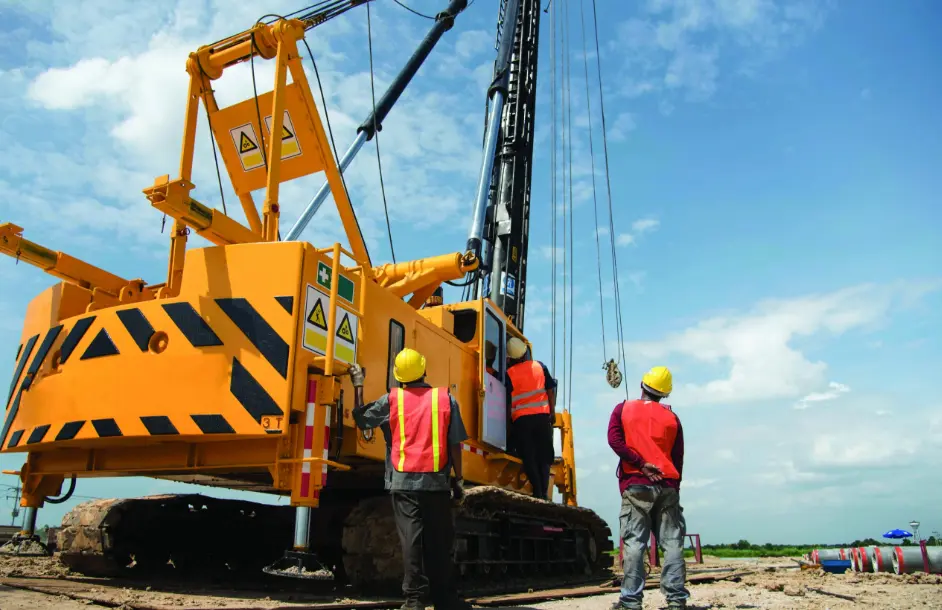
Crane safety involves implementing measures to prevent accidents and ensure the safe operation of cranes in various industries, such as construction, manufacturing, and shipping. Key elements include:
– Proper Training and Certification: Operators must undergo rigorous training to understand crane mechanics, load capacities, and emergency procedures, reducing the risk of human error.
– Regular Inspections and Maintenance: Cranes should be inspected daily for issues like worn cables, hydraulic leaks, or structural damage, with scheduled maintenance to address potential failures before they occur.
– Load Management: Always adhere to the crane’s rated capacity, use appropriate rigging techniques, and maintain a safe distance from power lines to avoid overloading or electrical hazards.
– Site Safety Protocols: Establish clear zones around the crane to keep unauthorized personnel out, use spotters for blind lifts, and ensure stable ground conditions to prevent tipping.
– Emergency Preparedness: Have plans in place for incidents like crane failure or load drops, including the use of safety harnesses, kill switches, and regular drills.
By prioritizing these practices, crane operations can minimize risks, protect workers, and comply with regulations from bodies like OSHA, fostering a safer work environment.
Table of Contents
- Part 1: OnlineExamMaker – Generate and Share Crane Safety Quiz with AI Automatically
- Part 2: 20 Crane Safety Quiz Questions & Answers
- Part 3: AI Question Generator – Automatically Create Questions for Your Next Assessment
Part 1: OnlineExamMaker – Generate and Share Crane Safety Quiz with AI Automatically
The quickest way to assess the Crane Safety knowledge of candidates is using an AI assessment platform like OnlineExamMaker. With OnlineExamMaker AI Question Generator, you are able to input content—like text, documents, or topics—and then automatically generate questions in various formats (multiple-choice, true/false, short answer). Its AI Exam Grader can automatically grade the exam and generate insightful reports after your candidate submit the assessment.
What you will like:
● Create a question pool through the question bank and specify how many questions you want to be randomly selected among these questions.
● Allow the quiz taker to answer by uploading video or a Word document, adding an image, and recording an audio file.
● Display the feedback for correct or incorrect answers instantly after a question is answered.
● Create a lead generation form to collect an exam taker’s information, such as email, mobile phone, work title, company profile and so on.
Automatically generate questions using AI
Part 2: 20 Crane Safety Quiz Questions & Answers
or
1. Question: What is the primary function of a crane’s load chart?
A. To indicate the crane’s color and size
B. To show the maximum safe loads for different configurations
C. To list the operator’s daily tasks
D. To provide entertainment for workers
Answer: B. To show the maximum safe loads for different configurations
Explanation: The load chart helps operators determine the crane’s capacity based on factors like boom length and angle, preventing overloads that could lead to accidents.
2. Question: Which of the following is a common cause of crane tip-over incidents?
A. Overloading the crane
B. Using the crane in calm weather only
C. Operating the crane on flat ground
D. Keeping the crane clean
Answer: A. Overloading the crane
Explanation: Overloading exceeds the crane’s capacity, shifting the center of gravity and causing instability, which can result in tip-overs.
3. Question: What should an operator do if they notice a crack in the crane’s boom?
A. Continue operating but reduce speed
B. Immediately stop operations and report it
C. Ignore it if the crack is small
D. Use the crane for lighter loads only
Answer: B. Immediately stop operations and report it
Explanation: Cracks in the boom compromise structural integrity, potentially leading to failure; stopping and reporting ensures safety inspections are conducted.
4. Question: Which personal protective equipment (PPE) is essential for crane operators?
A. Sunglasses only
B. Hard hat, safety harness, and gloves
C. Comfortable shoes
D. A jacket for cold weather
Answer: B. Hard hat, safety harness, and gloves
Explanation: These items protect against falling objects, falls, and hand injuries, which are common hazards in crane operations.
5. Question: What is the purpose of outriggers on a mobile crane?
A. To increase the crane’s speed
B. To stabilize the crane during lifts
C. To extend the boom length
D. To add decorative features
Answer: B. To stabilize the crane during lifts
Explanation: Outriggers provide a wider base, preventing tipping by distributing the load’s weight more evenly.
6. Question: How often should a crane be inspected according to OSHA standards?
A. Once a year
B. Daily before use
C. Only after an accident
D. Every five years
Answer: B. Daily before use
Explanation: Daily inspections help identify issues like wear or damage early, ensuring the crane is safe for operation and complying with regulations.
7. Question: What does “two-blocking” mean in crane operations?
A. Lifting two loads at once
B. The hook contacting the boom tip
C. Blocking the crane’s path
D. Using two operators
Answer: B. The hook contacting the boom tip
Explanation: Two-blocking can damage the crane and cause the load to fall, so operators must monitor and prevent it.
8. Question: Which weather condition is most hazardous for crane operations?
A. Clear skies
B. High winds
C. Light rain
D. Sunny days
Answer: B. High winds
Explanation: High winds can cause the load to swing uncontrollably, leading to loss of control and potential accidents.
9. Question: What is the minimum safe distance a crane should maintain from power lines?
A. 10 feet
B. 50 feet or as specified by regulations
C. 5 feet
D. No distance required
Answer: B. 50 feet or as specified by regulations
Explanation: Maintaining this distance prevents electrocution from accidental contact, which is a leading cause of crane-related fatalities.
10. Question: Who is responsible for ensuring proper rigging on a crane lift?
A. The site supervisor only
B. The crane operator and rigger
C. The equipment manufacturer
D. No one, as it’s automatic
Answer: B. The crane operator and rigger
Explanation: Both must verify that rigging is secure to prevent load slips or failures during lifts.
11. Question: What signal should be used to indicate “stop” in standard hand signals for cranes?
A. Arm extended, palm down, and moved back and forth
B. Arm extended horizontally with palm facing the operator
C. Both arms overhead
D. Fist clenched and held high
Answer: A. Arm extended, palm down, and moved back and forth
Explanation: This universal signal ensures clear communication to halt operations immediately, avoiding accidents.
12. Question: Why is it important to have a lifting plan for crane operations?
A. To make the job faster
B. To outline steps, risks, and safety measures
C. To reduce the number of workers
D. To save on costs
Answer: B. To outline steps, risks, and safety measures
Explanation: A lifting plan identifies potential hazards and protocols, reducing the likelihood of errors or failures.
13. Question: What factor most affects a crane’s stability?
A. The color of the crane
B. The ground conditions under the crane
C. The operator’s lunch break
D. The crane’s age
Answer: B. The ground conditions under the crane
Explanation: Uneven or soft ground can cause shifting, leading to tip-overs, so proper assessment is crucial.
14. Question: Which type of crane is best for confined spaces?
A. Tower crane
B. Mobile crane
C. Overhead crane
D. Rough terrain crane
Answer: C. Overhead crane
Explanation: Overhead cranes are designed for indoor or confined areas, providing precise lifting without needing extensive space.
15. Question: What should an operator do if the crane’s emergency stop button is activated?
A. Continue the lift carefully
B. Shut down and investigate the issue
C. Ignore it if the lift is almost done
D. Reset it immediately
Answer: B. Shut down and investigate the issue
Explanation: Activating the emergency stop indicates a problem, and investigating prevents further risks.
16. Question: How can operator fatigue be mitigated in crane operations?
A. Working longer shifts
B. Taking regular breaks and rotating shifts
C. Increasing caffeine intake
D. Operating at night only
Answer: B. Taking regular breaks and rotating shifts
Explanation: Fatigue impairs judgment and reaction times, so breaks help maintain alertness and safety.
17. Question: What is the swing radius of a crane?
A. The length of the boom
B. The area around the crane that the boom can swing into
C. The height of the lift
D. The speed of rotation
Answer: B. The area around the crane that the boom can swing into
Explanation: Understanding the swing radius prevents collisions with people or objects in the path.
18. Question: Why must loads be lifted slowly at first?
A. To save fuel
B. To check for balance and stability
C. To make the operation quieter
D. To extend the crane’s lifespan
Answer: B. To check for balance and stability
Explanation: Slow initial lifts allow operators to detect any issues, preventing sudden shifts or drops.
19. Question: What role does communication play in crane safety?
A. It is optional for experienced teams
B. It ensures all parties are coordinated to avoid mishaps
C. It is only needed for large lifts
D. It can be replaced by written notes
Answer: B. It ensures all parties are coordinated to avoid mishaps
Explanation: Clear communication between operators, signalers, and workers prevents misunderstandings that could lead to accidents.
20. Question: Which regulation primarily governs crane safety in the United States?
A. EPA guidelines
B. OSHA standards
C. FDA rules
D. DOT regulations
Answer: B. OSHA standards
Explanation: OSHA sets specific requirements for crane operations, inspections, and training to protect workers.
or
Part 3: AI Question Generator – Automatically Create Questions for Your Next Assessment
Automatically generate questions using AI