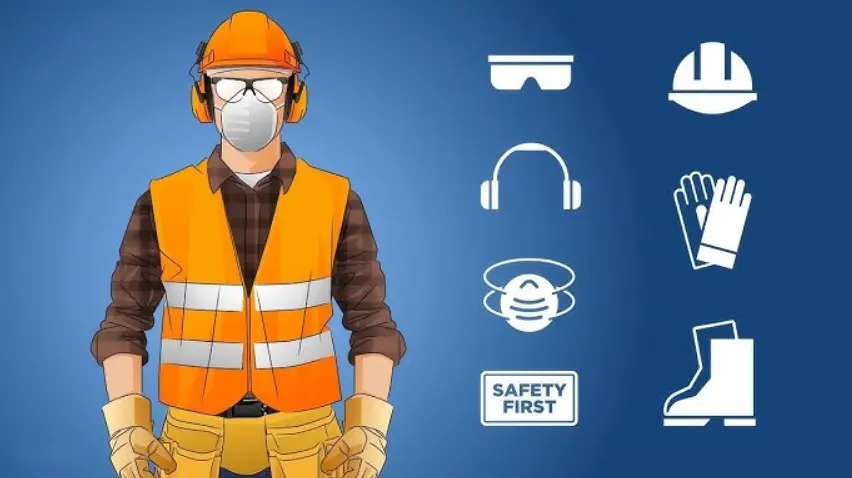
Personal Protective Equipment (PPE) is essential for safeguarding individuals from workplace hazards, including physical, chemical, biological, and radiological risks. It includes items such as hard hats, safety glasses, gloves, respirators, protective suits, and steel-toed boots, each designed to protect specific body parts from injuries or exposure.
PPE works by creating a barrier between the user and potential dangers, reducing the likelihood of accidents, illnesses, or long-term health effects. For instance, in construction, hard hats shield the head from falling objects, while in healthcare, masks and gowns prevent the spread of infectious diseases.
Proper selection, use, and maintenance of PPE are critical for its effectiveness. This involves assessing job-specific risks, ensuring equipment fits correctly, and following manufacturer guidelines for cleaning and storage. Regular training helps users understand when and how to wear PPE, fostering a culture of safety.
In industries like manufacturing, mining, and laboratories, PPE not only complies with regulations such as OSHA standards but also enhances overall workplace productivity by minimizing downtime due to injuries. Ultimately, integrating PPE into daily routines promotes a safer environment for everyone involved.
Table of Contents
- Part 1: Create A Personal Protective Equipment Safety Quiz in Minutes Using AI with OnlineExamMaker
- Part 2: 20 Personal Protective Equipment Safety Quiz Questions & Answers
- Part 3: AI Question Generator – Automatically Create Questions for Your Next Assessment
Part 1: Create A Personal Protective Equipment Safety Quiz in Minutes Using AI with OnlineExamMaker
When it comes to ease of creating a Personal Protective Equipment Safety skills assessment, OnlineExamMaker is one of the best AI-powered quiz making software for your institutions or businesses. With its AI Question Generator, just upload a document or input keywords about your assessment topic, you can generate high-quality quiz questions on any topic, difficulty level, and format.
Overview of its key assessment-related features:
● AI Question Generator to help you save time in creating quiz questions automatically.
● Share your online exam with audiences on social platforms like Facebook, Twitter, Reddit and more.
● Instantly scores objective questions and subjective answers use rubric-based scoring for consistency.
● Simply copy and insert a few lines of embed codes to display your online exams on your website or WordPress blog.
Automatically generate questions using AI
Part 2: 20 Personal Protective Equipment Safety Quiz Questions & Answers
or
1. What is the primary purpose of safety goggles in a workplace?
A) To protect the eyes from dust, chemicals, and flying particles
B) To keep hands clean during tasks
C) To support the back while lifting heavy objects
D) To reduce noise levels in the environment
Answer: A
Explanation: Safety goggles are specifically designed to shield the eyes from hazards like dust, chemicals, and projectiles, preventing injuries such as corneal abrasions or chemical burns.
2. Which type of glove is most appropriate for handling chemicals?
A) Leather gloves
B) Nitrile gloves
C) Cotton gloves
D) Fabric gloves
Answer: B
Explanation: Nitrile gloves provide a chemical-resistant barrier, protecting the skin from hazardous substances, while other gloves like leather or cotton may not offer adequate protection against chemicals.
3. When should a hard hat be worn on a construction site?
A) Only during rainy weather
B) In areas with potential overhead hazards like falling objects
C) When working in an office setting
D) Only if the worker feels it is necessary
Answer: B
Explanation: Hard hats are essential in environments with risks of head injuries from falling objects, electrical hazards, or impacts, as required by occupational safety standards.
4. What is the main function of earplugs in a noisy workplace?
A) To protect the eyes from bright lights
B) To reduce exposure to high noise levels and prevent hearing loss
C) To keep hands warm in cold conditions
D) To prevent slips on wet floors
Answer: B
Explanation: Earplugs attenuate sound waves, safeguarding hearing by limiting noise exposure to safe levels, which is crucial in industries like manufacturing or construction.
5. Which footwear is recommended for environments with heavy objects?
A) Sandals
B) Steel-toed boots
C) Sneakers
D) Flip-flops
Answer: B
Explanation: Steel-toed boots provide toe protection against crushing hazards from heavy objects, reducing the risk of foot injuries in industrial settings.
6. Why is it important to inspect PPE before use?
A) To ensure it matches the user’s clothing
B) To check for damage that could compromise safety
C) To see if it is the latest fashion style
D) To confirm it is lightweight
Answer: B
Explanation: Inspecting PPE for wear, tears, or defects ensures it functions effectively, preventing accidents that could occur from faulty equipment.
7. What should you do if your respiratory mask feels loose during use?
A) Continue working as is
B) Adjust the straps for a proper fit
C) Remove it entirely
D) Share it with a colleague
Answer: B
Explanation: A proper fit on a respiratory mask ensures an effective seal, protecting against airborne contaminants; adjusting it maintains this seal without interrupting protection.
8. Which PPE is essential when working with electrical equipment?
A) Insulated gloves
B) Sunglasses
C) Apron
D) Knee pads
Answer: A
Explanation: Insulated gloves protect against electrical shocks by providing a barrier between the user and live wires, reducing the risk of electrocution.
9. How often should disposable gloves be changed?
A) Once a week
B) After every task or if contaminated
C) Only at the end of the shift
D) Never, as they are reusable
Answer: B
Explanation: Changing disposable gloves after each task or contamination prevents the spread of hazards like chemicals or pathogens, maintaining hygiene and safety.
10. What is the purpose of a face shield in a laboratory?
A) To protect the hair from getting messy
B) To shield the face from splashes, sprays, and airborne particles
C) To improve visibility in dark rooms
D) To keep the neck warm
Answer: B
Explanation: Face shields provide a barrier against facial exposure to hazardous materials, enhancing protection when combined with other PPE like goggles.
11. Why must PPE be worn correctly, such as fastening all straps?
A) For aesthetic reasons
B) To ensure maximum protection and prevent slippage
C) To make it easier to carry
D) To save time
Answer: B
Explanation: Properly fastening PPE ensures it stays in place during activities, providing effective protection against workplace hazards.
12. Which PPE is used for fall protection at heights?
A) Safety harness
B) Gloves
C) Hard hat
D) Earplugs
Answer: A
Explanation: A safety harness secures the worker to an anchor point, preventing falls and reducing injury risk in elevated work environments.
13. What should you do with contaminated PPE after use?
A) Reuse it immediately
B) Dispose of it properly or clean it according to guidelines
C) Store it in a pocket
D) Share it with others
Answer: B
Explanation: Proper disposal or cleaning of contaminated PPE prevents the spread of hazards, maintaining a safe environment for everyone.
14. In a chemical spill scenario, what PPE is critical?
A) Chemical-resistant suit and boots
B) Sunglasses
C) Cotton gloves
D) Regular clothing
Answer: A
Explanation: A chemical-resistant suit and boots protect the skin and body from corrosive substances, minimizing exposure and potential burns.
15. Why is training necessary for using PPE effectively?
A) To make work more enjoyable
B) To ensure users know how to select, use, and maintain PPE correctly
C) To reduce the number of breaks
D) To change job roles
Answer: B
Explanation: Training helps users understand the proper application of PPE, reducing misuse and enhancing overall safety in the workplace.
16. Which factor determines the right size of PPE for an individual?
A) The color preference
B) Proper fit to avoid discomfort and ensure effectiveness
C) The cost of the equipment
D) Availability in the store
Answer: B
Explanation: Selecting the correct size ensures PPE fits snugly, providing optimal protection without causing distractions or risks from poor fit.
17. What is the risk of not wearing PPE in a dusty environment?
A) Improved breathing
B) Exposure to respiratory irritants leading to lung issues
C) Faster task completion
D) Reduced sweat
Answer: B
Explanation: Without PPE like masks, dust can enter the respiratory system, causing health problems such as asthma or silicosis over time.
18. How should safety helmets be maintained?
A) By painting them for decoration
B) Through regular cleaning, inspection, and replacement if damaged
C) By exposing them to sunlight
D) By sharing them among workers
Answer: B
Explanation: Regular maintenance of safety helmets ensures they remain effective against impacts, preventing failures that could lead to head injuries.
19. Which PPE is recommended for biohazard handling?
A) Lab coat, gloves, and mask
B) Regular shoes
C) Earplugs
D) Sunglasses
Answer: A
Explanation: A lab coat, gloves, and mask create a barrier against biological agents, reducing the risk of infection or contamination.
20. What is the consequence of using expired PPE?
A) It works better over time
B) It may fail to provide adequate protection, increasing injury risk
C) It becomes lighter
D) It changes color
Answer: B
Explanation: Expired PPE can degrade in quality, losing its protective capabilities and potentially leading to accidents or health issues.
or
Part 3: AI Question Generator – Automatically Create Questions for Your Next Assessment
Automatically generate questions using AI