Electrical appliance safety is essential for preventing accidents, fires, and injuries in homes and workplaces. It involves understanding and implementing measures to handle, use, and maintain devices like toasters, refrigerators, and power tools safely.
Key risks include electrical shocks from faulty wiring, fires caused by overheating or overloaded circuits, and short circuits from damaged plugs or cords. These hazards can arise from improper use, wear and tear, or environmental factors like moisture.
To ensure safety:
– Always inspect appliances for visible damage, such as frayed wires or cracked casings, before use.
– Follow manufacturer instructions, including voltage requirements and operating guidelines.
– Use grounded outlets and extension cords rated for the appliance’s power needs, avoiding daisy-chaining or overloading.
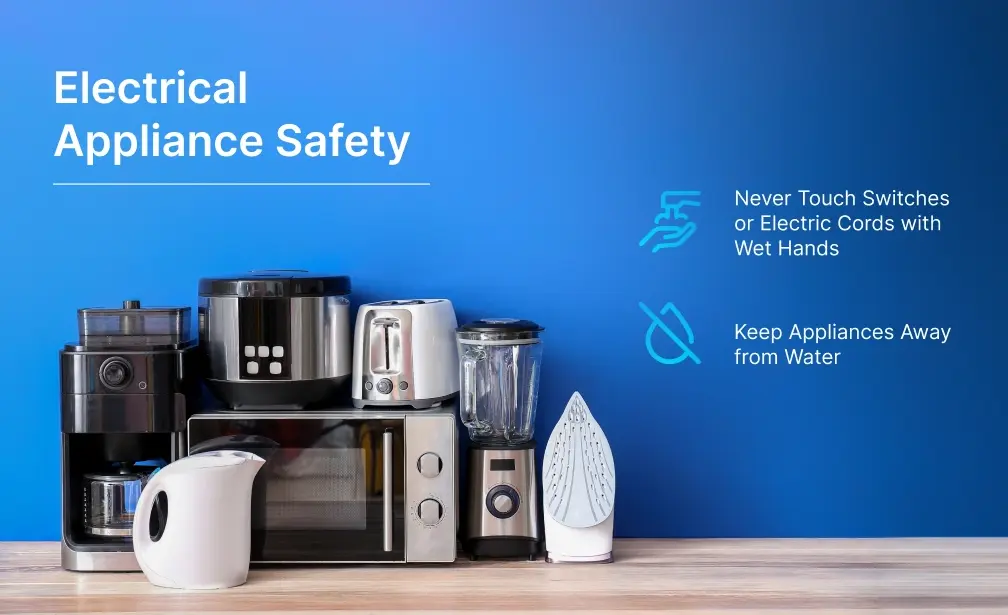
– Keep appliances away from water sources, and never operate them with wet hands.
– Unplug devices when not in use, and store them in dry, dust-free areas.
– Perform regular maintenance, such as cleaning vents and filters, to prevent dust buildup that could cause overheating.
Children and pets should be supervised around electrical appliances to avoid curiosity-related mishaps. In case of an electrical fire, use a Class C fire extinguisher and avoid water.
By prioritizing electrical appliance safety, you can create a secure environment and extend the lifespan of your devices. Always consult a certified electrician for installations or repairs to ensure compliance with local safety standards.
Table of Contents
- Part 1: Best AI Quiz Making Software for Creating A Electrical Appliance Safety Quiz
- Part 2: 20 Electrical Appliance Safety Quiz Questions & Answers
- Part 3: AI Question Generator – Automatically Create Questions for Your Next Assessment
Part 1: Best AI Quiz Making Software for Creating A Electrical Appliance Safety Quiz
Nowadays more and more people create Electrical Appliance Safety quizzes using AI technologies, OnlineExamMaker a powerful AI-based quiz making tool that can save you time and efforts. The software makes it simple to design and launch interactive quizzes, assessments, and surveys. With the Question Editor, you can create multiple-choice, open-ended, matching, sequencing and many other types of questions for your tests, exams and inventories. You are allowed to enhance quizzes with multimedia elements like images, audio, and video to make them more interactive and visually appealing.
Take a product tour of OnlineExamMaker:
● Create a question pool through the question bank and specify how many questions you want to be randomly selected among these questions.
● Build and store questions in a centralized portal, tagged by categories and keywords for easy reuse and organization.
● Simply copy a few lines of codes, and add them to a web page, you can present your online quiz in your website, blog, or landing page.
● Randomize questions or change the order of questions to ensure exam takers don’t get the same set of questions each time.
Automatically generate questions using AI
Part 2: 20 Electrical Appliance Safety Quiz Questions & Answers
or
1. Question: What should you do if you notice a frayed electrical cord on an appliance?
A) Continue using it carefully
B) Wrap the cord with tape
C) Unplug the appliance immediately and have it repaired or replaced
D) Ignore it if the appliance still works
Answer: C
Explanation: Frayed cords can cause electrical shocks or fires, so unplugging the appliance and addressing the issue prevents hazards.
2. Question: Why is it important to unplug electrical appliances when not in use?
A) To save energy
B) To prevent electrical fires from faulty wiring
C) To reduce noise
D) To make cleaning easier
Answer: B
Explanation: Unplugging reduces the risk of fires caused by overheating or short circuits in appliances left plugged in.
3. Question: What is the maximum number of appliances you should plug into a single outlet?
A) As many as fit
B) One or two, depending on the outlet’s rating
C) Up to five
D) None, always use extensions
Answer: B
Explanation: Overloading an outlet can cause overheating and fires; always check the outlet’s capacity and avoid exceeding it.
4. Question: Which safety feature helps protect against electrical shocks in wet areas like bathrooms?
A) A standard plug
B) A ground fault circuit interrupter (GFCI)
C) An extension cord
D) A surge protector
Answer: B
Explanation: GFCIs detect imbalances in current and shut off power quickly, preventing shocks in environments where water is present.
5. Question: What does the UL symbol on an electrical appliance indicate?
A) It is the cheapest option
B) It has been safety tested by Underwriters Laboratories
C) It is energy-efficient
D) It is made from recycled materials
Answer: B
Explanation: The UL mark means the appliance has met safety standards, reducing the risk of electrical hazards.
6. Question: How should you handle an electrical appliance that has fallen into water?
A) Pick it up immediately
B) Unplug it first if possible, then retrieve it
C) Dry it with a hairdryer
D) Leave it and call a professional
Answer: D
Explanation: Water and electricity are dangerous; leaving it and seeking professional help avoids shocks or further damage.
7. Question: What is the primary risk of using damaged extension cords?
A) They might not reach far enough
B) They can cause electrical shocks or fires
C) They increase energy bills
D) They make appliances louder
Answer: B
Explanation: Damaged cords can expose wires, leading to shocks, short circuits, or fires if not replaced.
8. Question: Why should you never use a metal object to retrieve something from a toaster?
A) It could scratch the toaster
B) It might cause a short circuit and electrocution
C) It makes the toaster less efficient
D) It voids the warranty
Answer: B
Explanation: Metal conducts electricity, and inserting it into a plugged-in toaster can create a path for current, causing shocks or fires.
9. Question: What type of fire extinguisher should be used for an electrical fire?
A) Water-based
B) Foam-based
C) CO2 or dry chemical (Class C)
D) Any type available
Answer: C
Explanation: Class C extinguishers are designed for electrical fires as they do not conduct electricity, unlike water which can worsen the situation.
10. Question: How often should you inspect electrical cords for wear and tear?
A) Once a year
B) Every few months or before each use
C) Only when the appliance breaks
D) Never, if it works fine
Answer: B
Explanation: Regular inspections help identify issues like cracks or frays early, preventing accidents from worn cords.
11. Question: What is the safest way to dry your hands before handling electrical appliances?
A) With a wet towel
B) By shaking them off
C) With a dry cloth
D) It doesn’t matter
Answer: C
Explanation: Dry hands prevent electrical conductivity, reducing the risk of shocks when touching plugs or switches.
12. Question: Why should children be supervised around electrical appliances?
A) They might play with them
B) They could cause damage or injury from misuse
C) Both A and B
D) Neither, they are safe
Answer: C
Explanation: Children may not understand dangers like shocks or fires, so supervision prevents accidents from improper handling.
13. Question: What should you do if an appliance smells like burning?
A) Turn it on to see if it stops
B) Unplug it and investigate
C) Add water to cool it down
D) Cover it with a cloth
Answer: B
Explanation: A burning smell indicates potential overheating or malfunction, and unplugging prevents fires or further damage.
14. Question: Is it safe to run a power cord under a rug?
A) Yes, it hides the cord
B) No, it can cause overheating and fires
C) Only for short periods
D) Yes, if the rug is thick
Answer: B
Explanation: Covering cords restricts airflow, leading to overheating; always keep cords visible and unobstructed.
15. Question: What is the purpose of a surge protector for electrical appliances?
A) To increase power supply
B) To protect against voltage spikes that could damage devices
C) To make appliances run faster
D) To reduce electricity costs
Answer: B
Explanation: Surge protectors divert excess voltage, safeguarding appliances from damage during power surges.
16. Question: How should you store electrical appliances when not in use?
A) In a damp basement
B) In a dry, cool place away from heat sources
C) Plugged in for quick access
D) Wrapped in plastic
Answer: B
Explanation: Storing in a dry, cool area prevents moisture damage and reduces fire risks from heat exposure.
17. Question: What precaution should be taken when using outdoor electrical appliances?
A) Use them indoors instead
B) Ensure they are rated for outdoor use and use GFCIs
C) Leave them plugged in overnight
D) Spray them with water to clean
Answer: B
Explanation: Outdoor appliances face weather elements, so using GFCI-protected cords minimizes shock risks from moisture.
18. Question: Why is it dangerous to overload a power strip?
A) It might not turn on
B) It can cause the strip to overheat and start a fire
C) It makes devices slower
D) It increases the warranty period
Answer: B
Explanation: Overloading exceeds the power strip’s capacity, leading to overheating and potential fires.
19. Question: What should you do if you experience a mild electric shock from an appliance?
A) Continue using it
B) Seek medical attention and have the appliance checked
C) Ignore it if you feel fine
D) Use it less frequently
Answer: B
Explanation: Even mild shocks indicate a problem, which could worsen; medical checks ensure no internal injuries, and the appliance needs inspection.
20. Question: How can you prevent electrical shocks when cleaning appliances?
A) Clean them while plugged in
B) Unplug them and use a dry cloth
C) Use soapy water directly
D) Clean them in the sink
Answer: B
Explanation: Unplugging ensures no power flow, and using a dry cloth avoids moisture-related shocks during cleaning.
or
Part 3: AI Question Generator – Automatically Create Questions for Your Next Assessment
Automatically generate questions using AI