Pet safety is essential for ensuring the well-being of your furry, feathered, or scaled companions. This overview covers key aspects to help prevent accidents and promote a secure environment.
Common Hazards
– Indoor Risks: Toxic substances like household cleaners, medications, and plants (e.g., lilies or pothos) can poison pets. Electrical cords pose electrocution threats, while small objects such as buttons or rubber bands may cause choking.
– Outdoor Dangers: Traffic accidents are a leading cause of injury; always use leashes in unfenced areas. Wildlife encounters, extreme weather, and toxic substances like antifreeze or pesticides in yards can be fatal.
– Health Threats: Parasites, such as fleas and ticks, spread diseases, while poor nutrition or contaminated food leads to illness. Overheating in hot weather or hypothermia in cold conditions is common for outdoor pets.
Preventive Measures
– Home Environment: Secure cabinets with child locks to store chemicals and medications out of reach. Use pet-proof gates for stairs and provide a designated safe space with bedding and toys. Regularly inspect for hazards like loose wires or sharp edges.
– Daily Routines: Feed pets a balanced diet and keep fresh water available. Schedule regular vet check-ups, vaccinations, and parasite control. For walks, use harnesses or collars with ID tags, and microchip your pet for easy identification.
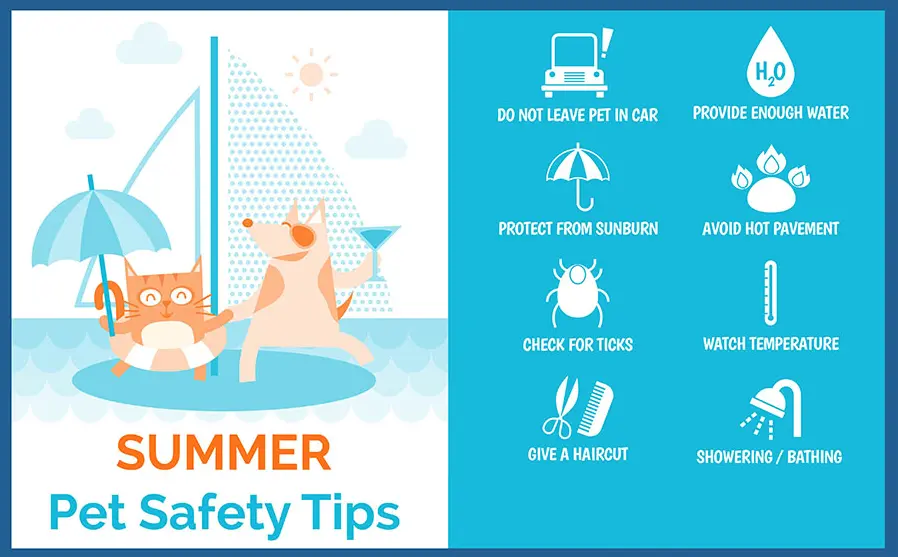
– Travel Safety: Use crates or carriers in vehicles to prevent injury during trips. Never leave pets unattended in cars, as temperatures can rise rapidly. For air travel, choose pet-friendly airlines and follow guidelines for carriers.
– Breed-Specific Tips: Small breeds may need protection from larger animals, while active breeds require secure fencing to prevent escapes. For exotic pets like birds or reptiles, maintain appropriate enclosures with proper lighting and temperature.
Emergency Preparedness
– First Aid Basics: Keep a pet first-aid kit with bandages, antiseptics, and tweezers. Learn CPR for pets and recognize signs of distress, such as labored breathing or unusual lethargy.
– Action Steps: In case of poisoning, contact a vet or poison control immediately. For injuries, stabilize the pet and seek professional care without delay. Have an emergency contact list, including your vet and a 24/7 animal hospital.
– Disaster Planning: Include pets in family emergency plans; have carriers, food, and medications ready for evacuations. Identify pet-friendly shelters in advance.
By prioritizing these safety measures, you can create a secure, happy life for your pets. Regular vigilance and education are key to minimizing risks and fostering a loving, protective environment.
Table of Contents
- Part 1: OnlineExamMaker AI Quiz Generator – The Easiest Way to Make Quizzes Online
- Part 2: 20 Pet Safety Quiz Questions & Answers
- Part 3: Automatically Generate Quiz Questions Using AI Question Generator
Part 1: OnlineExamMaker AI Quiz Generator – The Easiest Way to Make Quizzes Online
When it comes to ease of creating a Pet Safety skills assessment, OnlineExamMaker is one of the best AI-powered quiz making software for your institutions or businesses. With its AI Question Generator, just upload a document or input keywords about your assessment topic, you can generate high-quality quiz questions on any topic, difficulty level, and format.
What you will like:
● AI Question Generator to help you save time in creating quiz questions automatically.
● Share your online exam with audiences on social platforms like Facebook, Twitter, Reddit and more.
● Display the feedback for correct or incorrect answers instantly after a question is answered.
● Create a lead generation form to collect an exam taker’s information, such as email, mobile phone, work title, company profile and so on.
Automatically generate questions using AI
Part 2: 20 Pet Safety Quiz Questions & Answers
or
1. Question: What is the best way to prevent a dog from choking on toys?
Options: A) Allow the dog to play with small toys unsupervised. B) Choose toys that are larger than the dog’s mouth. C) Give the dog hard bones to chew. D) Let the dog eat quickly during playtime.
Answer: B
Explanation: Toys larger than the dog’s mouth reduce the risk of choking by preventing them from being swallowed whole.
2. Question: How should you handle a cat that has been exposed to antifreeze?
Options: A) Give it water immediately. B) Take it to the vet right away. C) Wait for symptoms to appear. D) Feed it milk to neutralize the poison.
Answer: B
Explanation: Antifreeze is highly toxic and can cause kidney failure; immediate veterinary care is essential for survival.
3. Question: What is a safe way to transport a pet in a car?
Options: A) Let the pet roam freely in the backseat. B) Use a crate or harness secured with a seat belt. C) Place the pet in the trunk. D) Hold the pet on your lap while driving.
Answer: B
Explanation: A secured crate or harness prevents the pet from becoming a distraction or getting injured in an accident.
4. Question: Which household plant is dangerous for pets and should be kept out of reach?
Options: A) Spider plant. B) Pothos vine. C) Boston fern. D) Aloe vera.
Answer: B
Explanation: Pothos vine contains insoluble calcium oxalates, which can cause oral irritation and swelling if ingested by pets.
5. Question: What should you do if your pet is bitten by another animal?
Options: A) Clean the wound with alcohol. B) Seek veterinary care immediately. C) Apply a band-aid and monitor. D) Give over-the-counter painkillers.
Answer: B
Explanation: Animal bites can lead to infections or rabies, so professional medical evaluation is necessary to prevent complications.
6. Question: How can you protect your pet from heatstroke during hot weather?
Options: A) Leave them in a parked car with windows slightly open. B) Provide shade, water, and limit exercise. C) Exercise them more to build tolerance. D) Feed them ice cubes as a treat.
Answer: B
Explanation: Shade and water help regulate body temperature, reducing the risk of heatstroke, which can be fatal.
7. Question: What is the proper way to introduce a new pet to your existing one?
Options: A) Let them interact freely right away. B) Supervise initial meetings in a neutral area. C) Keep them in separate rooms indefinitely. D) Force them to share food and toys.
Answer: B
Explanation: Supervised introductions in a neutral space reduce stress and prevent aggressive behavior or injuries.
8. Question: Which food is toxic to dogs and should never be given?
Options: A) Carrots. B) Chocolate. C) Rice. D) Apples.
Answer: B
Explanation: Chocolate contains theobromine, which can cause vomiting, seizures, or heart problems in dogs.
9. Question: How should you secure your yard to keep pets safe?
Options: A) Leave gaps in the fence for escape routes. B) Install a high fence and check for hazards. C) Use electric collars as the only barrier. D) Allow pets to roam without supervision.
Answer: B
Explanation: A high fence prevents escapes and exposure to dangers like traffic, while regular checks remove potential hazards.
10. Question: What is the first step if your pet ingests a foreign object?
Options: A) Try to remove it yourself. B) Contact a veterinarian immediately. C) Wait to see if it passes naturally. D) Give the pet laxatives.
Answer: B
Explanation: Ingested objects can cause blockages or poisoning, and professional advice is needed to avoid worsening the situation.
11. Question: How can you prevent ear infections in dogs?
Options: A) Clean ears with cotton swabs daily. B) Dry ears after swimming and check regularly. C) Use human ear drops. D) Ignore moisture buildup.
Answer: B
Explanation: Drying ears after water exposure and routine checks prevent bacterial growth that leads to infections.
12. Question: What should you do if your pet shows signs of allergic reactions?
Options: A) Give it human antihistamines. B) Take it to the vet for proper treatment. C) Apply ice packs and hope it resolves. D) Expose it more to build immunity.
Answer: B
Explanation: Allergic reactions can be severe, and veterinary care ensures safe and effective treatment.
13. Question: Which collar is safest for walking a reactive dog?
Options: A) A standard buckle collar. B) A front-clip harness. C) A choke chain. D) No collar at all.
Answer: B
Explanation: A front-clip harness reduces pulling and prevents neck injuries, making it safer for reactive dogs.
14. Question: How do you safely administer medication to a cat?
Options: A) Hide it in their food without checking. B) Follow vet instructions and use a pill giver if needed. C) Force it down their throat roughly. D) Give extra doses if they spit it out.
Answer: B
Explanation: Following vet instructions ensures the correct dosage and method, minimizing stress and health risks.
15. Question: What is a key sign of poisoning in pets?
Options: A) Increased energy levels. B) Vomiting or diarrhea. C) Excessive sleeping during the day. D) Normal appetite.
Answer: B
Explanation: Vomiting or diarrhea are common symptoms of poisoning, indicating the need for immediate veterinary attention.
16. Question: How should you store cleaning products to protect pets?
Options: A) Leave them under the sink. B) Keep them in locked cabinets out of reach. C) Store them in the garage without lids. D) Place them on high shelves only.
Answer: B
Explanation: Locked cabinets prevent accidental ingestion of toxic chemicals, which can cause severe harm or death.
17. Question: What is the best way to handle a pet during a thunderstorm?
Options: A) Leave them alone in a room. B) Provide a safe, quiet space and use calming aids. C) Take them outside to face the noise. D) Play loud music to drown it out.
Answer: B
Explanation: A safe, quiet space reduces anxiety from loud noises, helping prevent injury from panic.
18. Question: Which vaccine is essential for preventing rabies in pets?
Options: A) Distemper vaccine. B) Rabies vaccine. C) Parvo vaccine. D) Feline leukemia vaccine.
Answer: B
Explanation: The rabies vaccine is crucial as it protects against a fatal disease transmissible to humans.
19. Question: How can you prevent your pet from escaping through doors?
Options: A) Leave doors open for fresh air. B) Train them to stay and use barriers. C) Yell at them when they try. D) Ignore their behavior.
Answer: B
Explanation: Training and barriers like gates ensure pets stay safe indoors, preventing accidents outside.
20. Question: What should you include in a pet’s first-aid kit?
Options: A) Bandages, antiseptic wipes, and a thermometer. B) Sharp objects and chemicals. C) Only toys and treats. D) Nothing, as it’s unnecessary.
Answer: A
Explanation: Items like bandages and antiseptic wipes help treat minor injuries quickly before professional help.
or
Part 3: Automatically generate quiz questions using OnlineExamMaker AI Question Generator
Automatically generate questions using AI