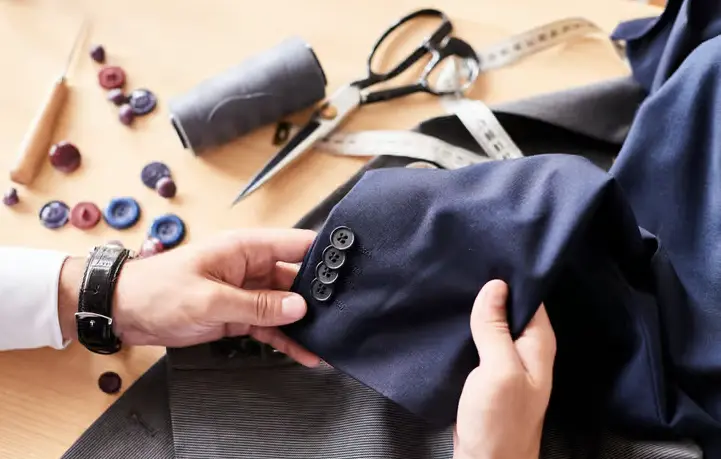
Tailoring is the skilled art of creating, altering, and repairing garments to achieve a perfect fit for the individual wearer. It involves precise measurements, expert cutting, and meticulous sewing techniques to transform fabrics into custom clothing such as suits, dresses, and coats. Rooted in centuries-old traditions, tailoring blends creativity with craftsmanship, allowing for personalized styles that enhance body shape and reflect personal taste. In today’s fashion world, it remains essential for bespoke wardrobes, offering durability, elegance, and a touch of exclusivity that ready-made apparel often lacks.
Table of Contents
- Part 1: Best AI Quiz Making Software for Creating A Tailoring Quiz
- Part 2: 20 Tailoring Quiz Questions & Answers
- Part 3: Save Time and Energy: Generate Quiz Questions with AI Technology
Part 1: Best AI Quiz Making Software for Creating A Tailoring Quiz
Nowadays more and more people create Tailoring quizzes using AI technologies, OnlineExamMaker a powerful AI-based quiz making tool that can save you time and efforts. The software makes it simple to design and launch interactive quizzes, assessments, and surveys. With the Question Editor, you can create multiple-choice, open-ended, matching, sequencing and many other types of questions for your tests, exams and inventories. You are allowed to enhance quizzes with multimedia elements like images, audio, and video to make them more interactive and visually appealing.
Take a product tour of OnlineExamMaker:
● Create a question pool through the question bank and specify how many questions you want to be randomly selected among these questions.
● Build and store questions in a centralized portal, tagged by categories and keywords for easy reuse and organization.
● Simply copy a few lines of codes, and add them to a web page, you can present your online quiz in your website, blog, or landing page.
● Randomize questions or change the order of questions to ensure exam takers don’t get the same set of questions each time.
Automatically generate questions using AI
Part 2: 20 Tailoring Quiz Questions & Answers
or
1. Question: What is the primary tool used for cutting fabric in tailoring?
A. Needle
B. Scissors
C. Thread
D. Pin
Answer: B
Explanation: Scissors are specifically designed with sharp blades to cut fabric precisely without fraying edges.
2. Question: Which type of fabric is most suitable for a tailored suit due to its durability and wrinkle resistance?
A. Silk
B. Wool
C. Cotton
D. Linen
Answer: B
Explanation: Wool is a natural fiber that holds shape well, resists wrinkles, and provides structure, making it ideal for suits.
3. Question: What is the purpose of a seam allowance in tailoring?
A. To add decoration
B. To provide extra fabric for sewing and finishing seams
C. To measure the garment length
D. To attach buttons
Answer: B
Explanation: Seam allowance is the extra fabric beyond the seam line, allowing for sewing, pressing, and potential alterations.
4. Question: Which stitch is commonly used for hemming pants in tailoring?
A. Straight stitch
B. Zigzag stitch
C. Blind hem stitch
D. Overlock stitch
Answer: C
Explanation: The blind hem stitch creates an invisible finish on the hem, making it nearly undetectable from the outside.
5. Question: What does “grainline” refer to in tailoring patterns?
A. The direction of the fabric’s weave
B. The color of the fabric
C. The size of the pattern pieces
D. The type of thread used
Answer: A
Explanation: Grainline indicates the direction of the fabric’s threads, affecting how the garment hangs and fits.
6. Question: Which measurement is essential for tailoring a shirt’s sleeve?
A. Inseam
B. Sleeve length
C. Waist circumference
D. Neck size
Answer: B
Explanation: Sleeve length ensures the shirt fits properly from shoulder to wrist, preventing bunching or shortness.
7. Question: What is the function of interfacing in tailored garments?
A. To add color
B. To provide structure and stability in areas like collars
C. To decorate the fabric
D. To make the garment lighter
Answer: B
Explanation: Interfacing is a supportive material fused or sewn into fabric to give shape and firmness to components like cuffs and lapels.
8. Question: Which seam type is used for areas that need extra strength, like in jeans?
A. French seam
B. Flat-felled seam
C. Plain seam
D. Overcast seam
Answer: B
Explanation: A flat-felled seam encloses raw edges and provides durability, making it suitable for high-stress areas.
9. Question: What is the first step in creating a custom-tailored pattern?
A. Cutting the fabric
B. Taking body measurements
C. Sewing the pieces
D. Choosing thread color
Answer: B
Explanation: Accurate body measurements are the foundation for drafting a pattern that fits the individual perfectly.
10. Question: Which tool is used to mark fabric without leaving a permanent mark?
A. Chalk
B. Permanent marker
C. Paint
D. Ink pen
Answer: A
Explanation: Tailor’s chalk is a temporary marking tool that brushes off easily, allowing for adjustments during fitting.
11. Question: What does “ease” mean in tailoring?
A. The exact fit with no extra room
B. Extra fabric added for comfort and movement
C. Tightening the garment
D. Shortening the sleeves
Answer: B
Explanation: Ease is the additional allowance in a pattern to ensure the garment is comfortable and allows for body movement.
12. Question: Which fabric finish prevents fraying on raw edges?
A. Serging
B. Printing
C. Dyeing
D. Weaving
Answer: A
Explanation: Serging uses an overlock stitch to encase the edge, stopping fraying and giving a neat finish.
13. Question: What is the role of a muslin in tailoring?
A. To serve as the final fabric
B. To create a test garment for fitting
C. To add embellishments
D. To measure thread length
Answer: B
Explanation: A muslin is a inexpensive prototype used to check fit and make adjustments before cutting the actual fabric.
14. Question: Which needle type is best for sewing thick fabrics like denim?
A. Ballpoint needle
B. Universal needle
C. Jeans needle
D. Microtex needle
Answer: C
Explanation: A jeans needle has a sharp point and strong shaft, designed to penetrate dense fabrics without breaking.
15. Question: What technique is used to shape darts in a tailored blouse?
A. Gathering
B. Pleating
C. Tapering
D. Folding and stitching
Answer: D
Explanation: Darts are created by folding and stitching fabric to shape it around curves, like the bust.
16. Question: Which part of a jacket is reinforced for durability?
A. Collar
B. Lapel
C. Buttonhole
D. Pocket
Answer: C
Explanation: Buttonholes are reinforced with extra stitching or interfacing to withstand repeated use and stress.
17. Question: What is the purpose of pressing in tailoring?
A. To wash the fabric
B. To set seams and shape the garment with an iron
C. To cut patterns
D. To add decorations
Answer: B
Explanation: Pressing uses heat and steam to flatten seams, remove wrinkles, and help the garment hold its shape.
18. Question: Which measurement is key for tailoring trousers?
A. Bust size
B. Inseam length
C. Shoulder width
D. Arm length
Answer: B
Explanation: Inseam length determines the inside leg measurement, ensuring trousers fit correctly from crotch to hem.
19. Question: What does “bias cut” mean in tailoring?
A. Cutting along the fabric’s straight grain
B. Cutting at a 45-degree angle to the grain for drape
C. Cutting the fabric in half
D. Cutting with the weave
Answer: B
Explanation: Bias cut follows the diagonal of the fabric, allowing it to stretch and drape softly, ideal for flowing garments.
20. Question: Which thread is most appropriate for sewing delicate fabrics like silk?
A. Heavy-duty polyester
B. Fine silk or cotton thread
C. Nylon cord
D. Wool yarn
Answer: B
Explanation: Fine silk or cotton thread is lightweight and won’t damage or pucker delicate fabrics during sewing.
or
Part 3: Save Time and Energy: Generate Quiz Questions with AI Technology
Automatically generate questions using AI