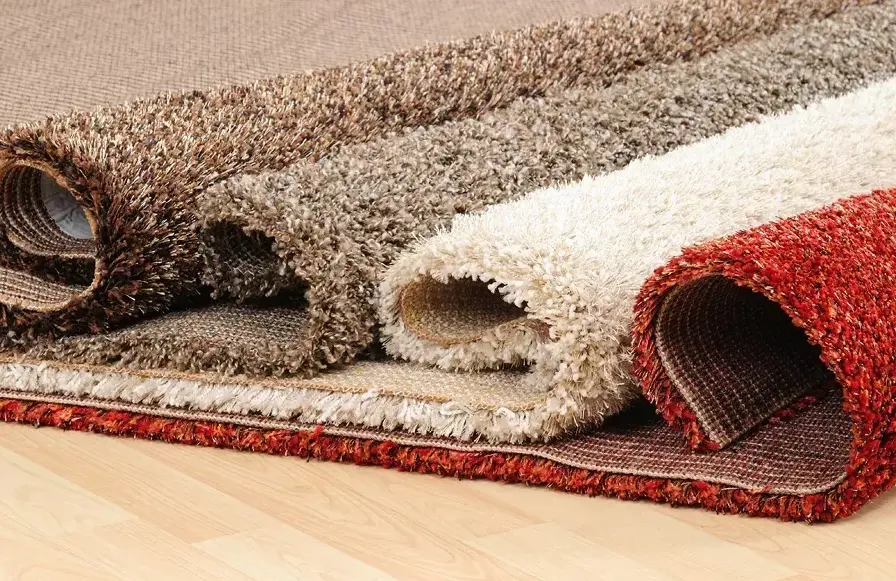
Carpets are versatile floor coverings that transform any space with their warmth, comfort, and aesthetic appeal. Woven from materials like wool, nylon, or synthetic fibers, they come in a wide array of styles, from plush, deep-pile designs that invite bare feet to sink in, to durable, low-pile options ideal for high-traffic areas. Historically rooted in ancient cultures such as Persia and Turkey, carpets not only provide insulation and sound absorption but also serve as artistic expressions, featuring intricate patterns, vibrant colors, and textures that reflect cultural heritage. Whether used in homes, offices, or public venues, carpets enhance ambiance while offering practical benefits like reducing noise and improving indoor air quality through advanced manufacturing techniques.
Table of Contents
- Part 1: Create An Amazing Carpets Quiz Using AI Instantly in OnlineExamMaker
- Part 2: 20 Carpets Quiz Questions & Answers
- Part 3: Save Time and Energy: Generate Quiz Questions with AI Technology
Part 1: Create An Amazing Carpets Quiz Using AI Instantly in OnlineExamMaker
The quickest way to assess the Carpets knowledge of candidates is using an AI assessment platform like OnlineExamMaker. With OnlineExamMaker AI Question Generator, you are able to input content—like text, documents, or topics—and then automatically generate questions in various formats (multiple-choice, true/false, short answer). Its AI Exam Grader can automatically grade the exam and generate insightful reports after your candidate submit the assessment.
Overview of its key assessment-related features:
● Create up to 10 question types, including multiple-choice, true/false, fill-in-the-blank, matching, short answer, and essay questions.
● Automatically generates detailed reports—individual scores, question report, and group performance.
● Instantly scores objective questions and subjective answers use rubric-based scoring for consistency.
● API and SSO help trainers integrate OnlineExamMaker with Google Classroom, Microsoft Teams, CRM and more.
Automatically generate questions using AI
Part 2: 20 Carpets Quiz Questions & Answers
or
1. What is the primary material used in traditional Persian carpets?
A. Cotton
B. Wool
C. Silk
D. Synthetic fibers
Answer: B
Explanation: Wool is the most common material in traditional Persian carpets due to its durability, natural luster, and ability to hold dyes well.
2. Which type of carpet knot is known for its density and fine detail?
A. Ghiordes knot
B. Senneh knot
C. Soumak knot
D. Plain weave
Answer: B
Explanation: The Senneh knot, also called the Persian knot, allows for a higher density of knots per square inch, resulting in intricate designs and finer details.
3. What does the term “pile” refer to in carpet construction?
A. The backing material
B. The raised surface of fibers
C. The edge binding
D. The dye used for colors
Answer: B
Explanation: The pile is the cut or looped fibers on the surface of the carpet that provide texture, comfort, and absorbency.
4. Which region is famous for producing Kilim carpets?
A. China
B. Turkey
C. India
D. Morocco
Answer: B
Explanation: Kilim carpets, which are flat-woven and often feature geometric patterns, originated in Turkey and are a staple of Anatolian weaving traditions.
5. What is the main advantage of synthetic carpets over natural fiber ones?
A. Higher cost
B. Better moisture resistance
C. Environmental sustainability
D. Handmade authenticity
Answer: B
Explanation: Synthetic carpets, made from materials like nylon or polyester, are more resistant to moisture, stains, and wear compared to natural fibers.
6. In carpet terminology, what is “tufting”?
A. A dyeing technique
B. A method of weaving loops
C. A finishing process for edges
D. A type of knotting
Answer: B
Explanation: Tufting involves punching yarn through a backing fabric to create loops, which is a common machine-based method for producing affordable carpets.
7. Which carpet style is characterized by bold, abstract patterns and is often from the Middle East?
A. Aubusson
B. Berber
C. Isfahan
D. Moroccan
Answer: D
Explanation: Moroccan carpets, such as Beni Ourain styles, feature bold, abstract patterns and are influenced by Berber tribal designs from North Africa.
8. What factor primarily determines the value of an antique carpet?
A. Size
B. Age and condition
C. Color variety
D. Weight
Answer: B
Explanation: The value of an antique carpet is largely based on its age, originality, condition, and historical significance, rather than just size or color.
9. Which type of carpet is best for high-traffic areas due to its durability?
A. Shag carpet
B. Berber carpet
C. Oriental rug
D. Velvet carpet
Answer: B
Explanation: Berber carpets, with their looped texture and sturdy construction, are highly durable and ideal for areas with heavy foot traffic.
10. What is the purpose of underlay in carpet installation?
A. To add color
B. To provide cushioning and support
C. To seal the edges
D. To increase the pile height
Answer: B
Explanation: Underlay, or padding, is placed beneath the carpet to enhance comfort, reduce noise, and prolong the carpet’s lifespan by providing extra support.
11. Which natural dye is commonly used in handmade carpets for a red color?
A. Indigo
B. Madder root
C. Turmeric
D. Walnut hulls
Answer: B
Explanation: Madder root produces a vibrant red dye that has been traditionally used in carpet weaving for its colorfastness and richness.
12. What is a “fringe” on a carpet?
A. The woven pattern
B. The edge threads from the warp
C. The backing material
D. The pile height
Answer: B
Explanation: Fringe consists of the loose ends of the warp threads at the carpet’s edges, which are often knotted or finished for aesthetic and functional purposes.
13. Which carpet material is most hypoallergenic?
A. Wool
B. Nylon
C. Olefin
D. Cotton
Answer: C
Explanation: Olefin, a synthetic fiber, is resistant to mold, mildew, and stains, making it a hypoallergenic choice for those with allergies.
14. In carpet manufacturing, what does “gauge” refer to?
A. The color palette
B. The density of stitches
C. The width of the roll
D. The type of yarn
Answer: B
Explanation: Gauge measures the number of stitches per inch in tufted carpets, affecting the density, texture, and overall quality.
15. Which style of carpet features a flat weave without pile?
A. Plush
B. Dhurrie
C. Saxony
D. Frieze
Answer: B
Explanation: Dhurrie carpets are flat-woven, typically from cotton or wool, and lack a pile, making them lightweight and easy to clean.
16. What is the recommended cleaning method for silk carpets?
A. Machine washing
B. Professional dry cleaning
C. Steam cleaning at home
D. Bleach application
Answer: B
Explanation: Silk carpets require professional dry cleaning to prevent damage from water or harsh chemicals, preserving their delicate fibers.
17. Which country is the largest producer of handmade carpets?
A. United States
B. China
C. Iran
D. India
Answer: D
Explanation: India leads in handmade carpet production, with regions like Kashmir and Agra known for their craftsmanship and exports.
18. What causes “pilling” on a carpet surface?
A. Over-dyeing
B. Fiber abrasion from use
C. Improper installation
D. Exposure to sunlight
Answer: B
Explanation: Pilling occurs when the carpet fibers rub against each other or feet, causing small balls of fiber to form on the surface.
19. Which carpet feature helps with sound absorption?
A. Thin pile
B. Thick underlay
C. Glossy finish
D. Synthetic backing
Answer: B
Explanation: A thick underlay enhances sound absorption by adding cushioning that traps and muffles noise, improving acoustics in a room.
20. What is the key difference between a rug and a carpet?
A. Size and intended use
B. Material composition
C. Knot density
D. Color options
Answer: A
Explanation: A rug is typically smaller and used as a decorative floor covering, while a carpet is larger, wall-to-wall, and often fixed in place.
or
Part 3: Save Time and Energy: Generate Quiz Questions with AI Technology
Automatically generate questions using AI