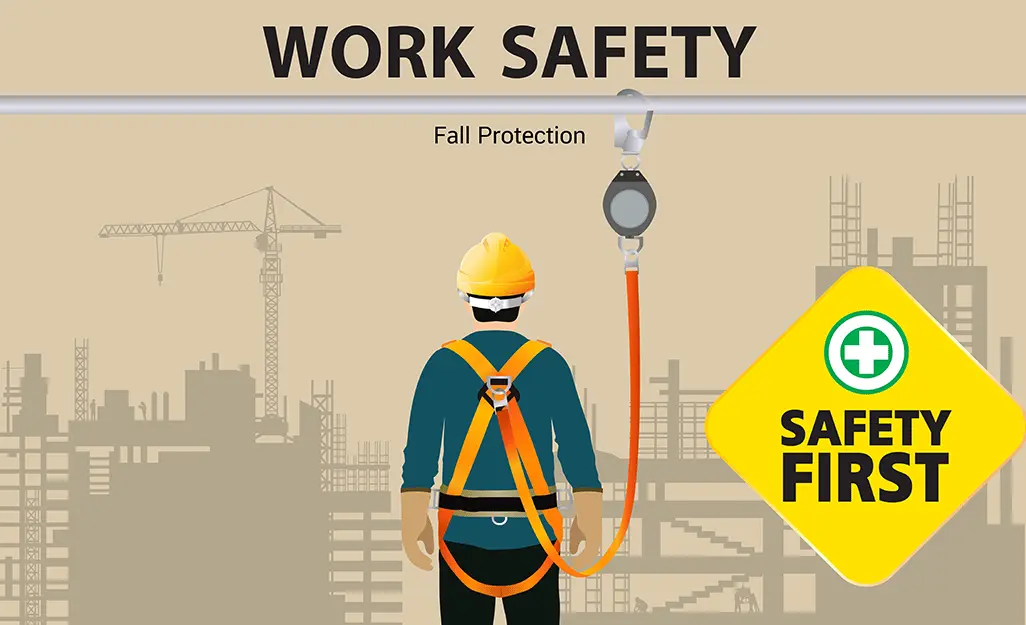
Fall protection safety encompasses essential measures to prevent falls from heights in workplaces, particularly in construction, maintenance, and industrial settings. It involves identifying potential hazards like unguarded edges, slippery surfaces, or unstable platforms, and implementing controls such as guardrails, safety nets, personal fall arrest systems (including harnesses, lanyards, and anchor points), and warning lines. Proper training ensures workers understand how to use equipment correctly, conduct risk assessments, and follow protocols like establishing exclusion zones or using fall restraint systems. Compliance with standards, such as those from OSHA, emphasizes regular inspections, maintenance of gear, and emergency procedures to minimize injuries and fatalities, ultimately fostering a safer work environment.
Table of Contents
- Part 1: Best AI Quiz Making Software for Creating A Fall Protection Safety Quiz
- Part 2: 20 Fall Protection Safety Quiz Questions & Answers
- Part 3: AI Question Generator – Automatically Create Questions for Your Next Assessment
Part 1: Best AI Quiz Making Software for Creating A Fall Protection Safety Quiz
Nowadays more and more people create Fall Protection Safety quizzes using AI technologies, OnlineExamMaker a powerful AI-based quiz making tool that can save you time and efforts. The software makes it simple to design and launch interactive quizzes, assessments, and surveys. With the Question Editor, you can create multiple-choice, open-ended, matching, sequencing and many other types of questions for your tests, exams and inventories. You are allowed to enhance quizzes with multimedia elements like images, audio, and video to make them more interactive and visually appealing.
Take a product tour of OnlineExamMaker:
● Create a question pool through the question bank and specify how many questions you want to be randomly selected among these questions.
● Build and store questions in a centralized portal, tagged by categories and keywords for easy reuse and organization.
● Simply copy a few lines of codes, and add them to a web page, you can present your online quiz in your website, blog, or landing page.
● Randomize questions or change the order of questions to ensure exam takers don’t get the same set of questions each time.
Automatically generate questions using AI
Part 2: 20 Fall Protection Safety Quiz Questions & Answers
or
1. What is the primary purpose of fall protection systems in workplaces?
A. To increase worker productivity
B. To prevent falls from heights and reduce injury risks
C. To provide comfortable working conditions
D. To minimize noise levels
Answer: B
Explanation: Fall protection systems are designed to safeguard workers from falls by using barriers, restraints, or arrest systems, as required by safety standards like OSHA.
2. According to OSHA, at what height must fall protection be provided for most construction workers?
A. 4 feet
B. 6 feet
C. 10 feet
D. 15 feet
Answer: B
Explanation: OSHA mandates fall protection for construction workers at heights of 6 feet or more to prevent accidents and comply with federal safety regulations.
3. Which type of fall protection involves a body harness connected to an anchor point?
A. Guardrail system
B. Safety net system
C. Personal fall arrest system
D. Warning line system
Answer: C
Explanation: A personal fall arrest system uses a full-body harness, lifeline, and anchor to stop a fall in progress, ensuring the worker is protected from hitting lower levels.
4. What is the maximum free fall distance allowed for a personal fall arrest system?
A. 3 feet
B. 6 feet
C. 10 feet
D. 15 feet
Answer: B
Explanation: OSHA standards limit the free fall distance to 6 feet to minimize the force of impact and reduce the risk of injury during a fall.
5. Which component of a fall protection system is used to attach the harness to a secure point?
A. Lanyard
B. Anchorage
C. Deceleration device
D. Connector
Answer: B
Explanation: An anchorage is a secure point of attachment that can support the forces generated during a fall, ensuring the system holds the worker safely.
6. What should be done if a worker’s fall protection equipment shows signs of wear or damage?
A. Continue using it until replacement is convenient
B. Remove it from service immediately
C. Clean it and reuse it
D. Share it with another worker
Answer: B
Explanation: Damaged equipment must be removed from service to prevent failure during use, as it could lead to serious injuries or fatalities.
7. In a safety net system, what is the maximum distance that the net can be from the working surface?
A. 5 feet
B. 10 feet
C. 30 feet
D. 50 feet
Answer: C
Explanation: Safety nets must be installed no more than 30 feet below the working surface to effectively catch falling workers and reduce impact injuries.
8. What is the role of a competent person in fall protection?
A. To supervise daily tasks
B. To inspect and ensure proper use of fall protection
C. To handle administrative duties
D. To train on unrelated safety topics
Answer: B
Explanation: A competent person is trained to identify hazards, inspect equipment, and oversee fall protection measures to maintain workplace safety.
9. Which of the following is NOT a type of fall protection?
A. Guardrails
B. Hard hats
C. Safety nets
D. Personal fall arrest systems
Answer: B
Explanation: Hard hats protect against head impacts but do not prevent falls; they are not classified as fall protection systems.
10. How often should fall protection equipment be inspected?
A. Once a year
B. Before each use
C. Only after an incident
D. Every six months
Answer: B
Explanation: Equipment should be inspected before each use to identify any defects, ensuring it functions properly and protects the user effectively.
11. What is the minimum strength requirement for an anchor point in a fall arrest system?
A. 1,000 pounds
B. 5,000 pounds
C. 10,000 pounds
D. 15,000 pounds
Answer: B
Explanation: Anchor points must withstand at least 5,000 pounds of force to safely support a worker in the event of a fall.
12. Which body part should a safety harness be adjusted to fit properly?
A. Around the waist only
B. Across the shoulders and around the thighs
C. Around the arms
D. Around the ankles
Answer: B
Explanation: A harness is designed to fit across the shoulders and thighs to distribute fall forces evenly and prevent injury upon arrest.
13. In what scenario is a warning line system appropriate?
A. For work near open edges without fall risk
B. For roofing work on low-slope roofs
C. For climbing ladders
D. For working on scaffolds over 10 feet
Answer: B
Explanation: Warning line systems are used on low-slope roofs to warn workers of edges, but they must be combined with other protections for higher risks.
14. What is the first step in responding to a fall incident?
A. Continue working as normal
B. Activate the emergency rescue plan
C. Remove the fallen worker’s equipment
D. Document the incident later
Answer: B
Explanation: Activating the rescue plan ensures quick and safe extraction of the fallen worker to prevent further injury or complications.
15. Which factor does NOT affect the selection of fall protection?
A. Worker’s body weight
B. Height of the work area
C. Color of the safety gear
D. Type of surface below
Answer: C
Explanation: The color of gear is irrelevant; selection is based on factors like weight, height, and surface to ensure effective protection.
16. What is the purpose of a self-retracting lifeline?
A. To extend work reach
B. To automatically adjust length and arrest falls quickly
C. To serve as a ladder alternative
D. To provide shade from the sun
Answer: B
Explanation: A self-retracting lifeline allows mobility while automatically locking to stop a fall, reducing swing hazards and injury risk.
17. Why is training essential for fall protection?
A. To meet legal requirements
B. To ensure workers know how to use equipment correctly
C. To reduce equipment costs
D. To entertain workers
Answer: B
Explanation: Proper training helps workers understand and correctly use fall protection, minimizing misuse and preventing accidents.
18. What is the correct way to store fall protection equipment?
A. In a damp area for cleaning
B. In a dry, clean place away from sunlight
C. On the ground for easy access
D. In a hot environment to dry it
Answer: B
Explanation: Storing equipment in a dry, clean area protects it from damage like UV degradation or moisture, maintaining its integrity.
19. Which regulation governs fall protection in the United States?
A. EPA standards
B. OSHA standards
C. FDA guidelines
D. DOT regulations
Answer: B
Explanation: The Occupational Safety and Health Administration (OSHA) sets the standards for fall protection to ensure workplace safety.
20. What should workers do if they identify a fall hazard?
A. Ignore it if it’s not their responsibility
B. Report it immediately and avoid the area
C. Proceed with caution without protection
D. Wait for an official inspection
Answer: B
Explanation: Reporting hazards and avoiding the area promotes safety, allowing for prompt corrective action to prevent falls.
or
Part 3: AI Question Generator – Automatically Create Questions for Your Next Assessment
Automatically generate questions using AI