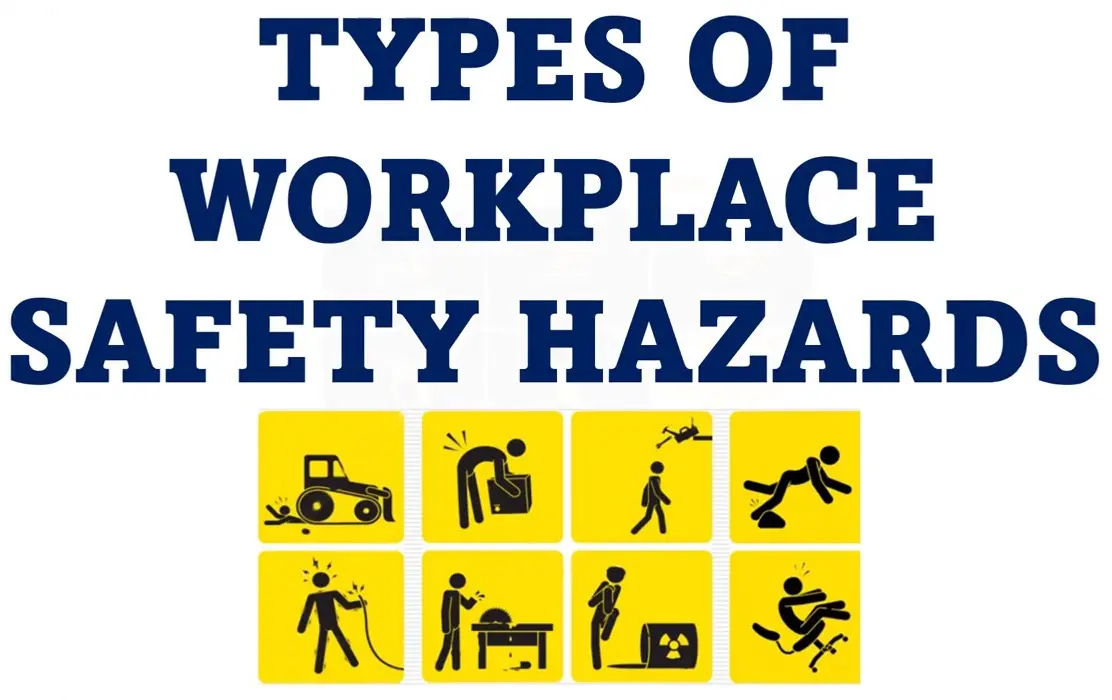
Workplace hazards safety focuses on identifying, assessing, and mitigating risks in the work environment to protect employees and prevent accidents. Common hazards include physical risks like slips, trips, or falls from machinery; chemical exposures from toxic substances; biological threats such as pathogens in healthcare settings; ergonomic issues from repetitive motions or poor workstation design; and psychosocial factors like workplace stress or violence.
Effective safety measures involve conducting regular risk assessments, providing comprehensive training, and implementing controls such as engineering solutions (e.g., guards on equipment), administrative policies (e.g., safe work procedures), and personal protective equipment (PPE) like helmets, gloves, or masks. Employers must comply with regulations, such as those from OSHA, to foster a culture of safety through hazard reporting systems, emergency drills, and health monitoring.
Prioritizing workplace hazards safety not only reduces injuries and illnesses but also boosts productivity, lowers costs associated with downtime and compensation, and enhances employee morale and retention. By proactively addressing these risks, organizations create a secure environment where workers can thrive.
Table of Contents
- Part 1: OnlineExamMaker AI Quiz Generator – Save Time and Efforts
- Part 2: 20 Workplace Hazards Safety Quiz Questions & Answers
- Part 3: AI Question Generator – Automatically Create Questions for Your Next Assessment
Part 1: OnlineExamMaker AI Quiz Generator – Save Time and Efforts
Still spend a lot of time in editing questions for your next Workplace Hazards Safety assessment? OnlineExamMaker is an AI quiz maker that leverages artificial intelligence to help users create quizzes, tests, and assessments quickly and efficiently. You can start by inputting a topic or specific details into the OnlineExamMaker AI Question Generator, and the AI will generate a set of questions almost instantly. It also offers the option to include answer explanations, which can be short or detailed, helping learners understand their mistakes.
What you may like:
● Automatic grading and insightful reports. Real-time results and interactive feedback for quiz-takers.
● The exams are automatically graded with the results instantly, so that teachers can save time and effort in grading.
● LockDown Browser to restrict browser activity during quizzes to prevent students searching answers on search engines or other software.
● OnlineExamMaker API offers private access for developers to extract your exam data back into your system automatically.
Automatically generate questions using AI
Part 2: 20 Workplace Hazards Safety Quiz Questions & Answers
or
1. Question: What is the most common cause of workplace falls?
A. Uneven flooring
B. Slippery surfaces
C. Ladders without safety rails
D. All of the above
Answer: D
Explanation: Falls can result from uneven flooring, slippery surfaces, or improper ladder use, making all options potential hazards that require preventive measures.
2. Question: Which of the following is a primary electrical hazard in the workplace?
A. Overloaded circuits
B. Frayed wires
C. Water near electrical outlets
D. All of the above
Answer: D
Explanation: Overloaded circuits, frayed wires, and water exposure can lead to shocks, fires, or electrocution, emphasizing the need for proper electrical maintenance.
3. Question: What should you do if you spill a chemical on your skin?
A. Ignore it if it doesn’t burn
B. Rinse with water immediately
C. Wipe it off with a cloth
D. Apply a bandage
Answer: B
Explanation: Rinsing with water immediately dilutes and removes the chemical, reducing the risk of burns or absorption into the skin.
4. Question: Which personal protective equipment (PPE) is essential for eye protection?
A. Gloves
B. Safety goggles
C. Hard hat
D. Steel-toed boots
Answer: B
Explanation: Safety goggles shield the eyes from dust, chemicals, or flying particles, preventing injuries in hazardous environments.
5. Question: What is a key sign of ergonomic hazards?
A. Repetitive strain in muscles
B. Loud noises
C. High temperatures
D. Chemical odors
Answer: A
Explanation: Repetitive strain can lead to musculoskeletal disorders, highlighting the importance of proper workstation setup and posture.
6. Question: How can fire hazards be minimized in a workplace?
A. Storing flammable materials properly
B. Overloading electrical outlets
C. Blocking fire exits
D. Ignoring fire drills
Answer: A
Explanation: Proper storage of flammable materials reduces the risk of ignition, while the other options increase fire dangers.
7. Question: What is the best way to handle heavy lifting to avoid injury?
A. Bend at the waist
B. Use your back muscles
C. Bend at the knees and keep the load close
D. Lift quickly
Answer: C
Explanation: Bending at the knees and keeping the load close distributes weight evenly, reducing strain on the back and preventing injuries.
8. Question: Which of the following is not a biological hazard?
A. Bacteria in food handling
B. Viruses in healthcare settings
C. Dust from construction
D. Mold in damp areas
Answer: C
Explanation: Dust from construction is a physical hazard, whereas bacteria, viruses, and mold are biological hazards that can cause infections.
9. Question: What does OSHA primarily aim to ensure in workplaces?
A. Employee comfort
B. Hazard-free environments
C. Higher productivity
D. Decorative safety signs
Answer: B
Explanation: OSHA focuses on enforcing standards to eliminate hazards, protecting workers from injuries and illnesses.
10. Question: How should you respond to a fire alarm in the workplace?
A. Finish your task first
B. Evacuate immediately
C. Check for the fire yourself
D. Ignore it if it’s a drill
Answer: B
Explanation: Evacuating immediately ensures safety, as alarms indicate potential dangers, whether real or a drill.
11. Question: What is a common hazard associated with machinery?
A. Entanglement in moving parts
B. Bright lighting
C. Clean workbenches
D. Low noise levels
Answer: A
Explanation: Entanglement in moving parts can cause severe injuries, underscoring the need for guards and proper training.
12. Question: Which action reduces the risk of respiratory hazards?
A. Wearing a respirator in dusty areas
B. Smoking in ventilated spaces
C. Using chemicals without masks
D. Working in confined spaces without checks
Answer: A
Explanation: Respirators filter out harmful particles, protecting the lungs from dust, fumes, or vapors.
13. Question: What is the main purpose of a safety data sheet (SDS)?
A. To list employee schedules
B. To provide information on chemical hazards
C. To detail office layouts
D. To record attendance
Answer: B
Explanation: SDS offers details on chemical properties, hazards, and safe handling, aiding in risk prevention.
14. Question: How can slips, trips, and falls be prevented?
A. Keeping walkways clear
B. Using extension cords across paths
C. Leaving spills uncleaned
D. Wearing high heels in labs
Answer: A
Explanation: Keeping walkways clear eliminates obstacles, reducing the likelihood of accidents from slips, trips, or falls.
15. Question: What should you do if you identify a potential hazard?
A. Report it to your supervisor
B. Ignore it if it’s minor
C. Fix it yourself if untrained
D. Wait for an accident to occur
Answer: A
Explanation: Reporting hazards to a supervisor ensures proper assessment and correction, preventing potential injuries.
16. Question: Which is a psychological hazard in the workplace?
A. High workload leading to stress
B. Sharp tools
C. Slippery floors
D. Loud machinery
Answer: A
Explanation: High workload can cause stress and burnout, affecting mental health, unlike physical hazards like tools or floors.
17. Question: What is the correct way to store hazardous materials?
A. In well-labeled, secure containers
B. Mixed with other items
C. In direct sunlight
D. On the floor
Answer: A
Explanation: Well-labeled, secure containers prevent leaks, contamination, and accidental exposure.
18. Question: How does poor ventilation contribute to workplace hazards?
A. By allowing buildup of toxic fumes
B. By making the room brighter
C. By reducing noise
D. By cooling the area
Answer: A
Explanation: Poor ventilation traps fumes, increasing the risk of respiratory issues or explosions.
19. Question: What is the first step in emergency response for a chemical spill?
A. Evacuate the area
B. Clean it up immediately
C. Turn on lights
D. Continue working
Answer: A
Explanation: Evacuating ensures safety from potential reactions or exposures before professional cleanup.
20. Question: Which factor increases the risk of heat-related hazards?
A. Working in hot environments without breaks
B. Using fans
C. Drinking cold water
D. Wearing light clothing
Answer: A
Explanation: Prolonged exposure without breaks can lead to heat exhaustion or stroke, making rest and hydration crucial.
or
Part 3: AI Question Generator – Automatically Create Questions for Your Next Assessment
Automatically generate questions using AI