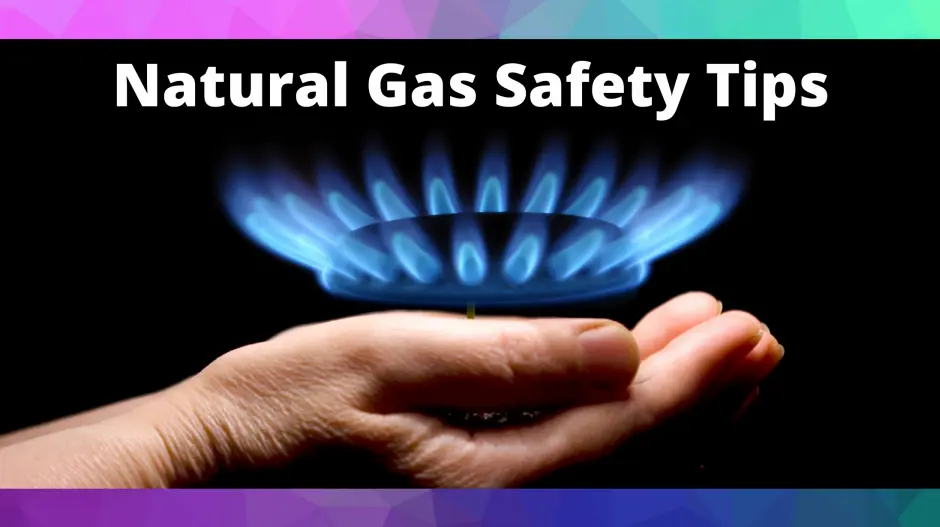
Natural gas is a colorless, odorless hydrocarbon fuel commonly used for heating, cooking, and electricity generation in homes and industries. While it is efficient and widely available, it poses significant risks if not handled properly. Key hazards include gas leaks, which can lead to fires, explosions, or carbon monoxide poisoning. Leaks are often detected by an added odorant (like mercaptan, which smells like rotten eggs) or specialized detectors.
To ensure safety, always have gas appliances installed and maintained by qualified professionals. Regularly inspect gas lines, appliances, and connections for signs of wear, corrosion, or damage. Install carbon monoxide detectors on every level of your home and test them monthly. Avoid using gas stoves or ovens for heating, as this can cause incomplete combustion and increase poisoning risks.
Ventilation is crucial; ensure rooms with gas appliances have adequate airflow to prevent gas buildup. Never ignore the smell of gas—evacuate immediately, avoid using electrical switches or open flames, and call emergency services from a safe location. For outdoor gas equipment, like grills, store propane tanks upright and away from heat sources, and check for leaks using soapy water (bubbles indicate a leak).
In an emergency, such as a suspected leak:
– Evacuate the area calmly.
– Do not use phones, lights, or appliances that could spark.
– Contact your gas utility company and emergency services (e.g., 911 in the US) from outside.
– If it’s safe, turn off the main gas supply valve.
Prevention is key: Educate household members on safety protocols, conduct annual professional inspections, and report any unusual odors or sounds from gas systems. By following these practices, the risks associated with natural gas can be minimized, promoting a safer environment.
Table of Contents
- Part 1: Create An Amazing Natural Gas Safety Quiz Using AI Instantly in OnlineExamMaker
- Part 2: 20 Natural Gas Safety Quiz Questions & Answers
- Part 3: Automatically Generate Quiz Questions Using AI Question Generator
Part 1: Create An Amazing Natural Gas Safety Quiz Using AI Instantly in OnlineExamMaker
Nowadays more and more people create Natural Gas Safety quizzes using AI technologies, OnlineExamMaker a powerful AI-based quiz making tool that can save you time and efforts. The software makes it simple to design and launch interactive quizzes, assessments, and surveys. With the Question Editor, you can create multiple-choice, open-ended, matching, sequencing and many other types of questions for your tests, exams and inventories. You are allowed to enhance quizzes with multimedia elements like images, audio, and video to make them more interactive and visually appealing.
Recommended features for you:
● Prevent cheating by randomizing questions or changing the order of questions, so learners don’t get the same set of questions each time.
● Automatically generates detailed reports—individual scores, question report, and group performance.
● Simply copy a few lines of codes, and add them to a web page, you can present your online quiz in your website, blog, or landing page.
● Offers question analysis to evaluate question performance and reliability, helping instructors optimize their training plan.
Automatically generate questions using AI
Part 2: 20 Natural Gas Safety Quiz Questions & Answers
or
1. What is the primary component of natural gas?
A. Carbon dioxide
B. Methane
C. Propane
D. Nitrogen
Answer: B
Explanation: Methane is the main component of natural gas, making up about 70-90% of it, and it is highly flammable, which is why proper safety measures are essential.
2. How should you check for a natural gas leak in your home?
A. Use a match to see if it ignites
B. Smell for a rotten egg odor or use a gas detector
C. Turn on all appliances to test flow
D. Ignore it if no immediate issues are visible
Answer: B
Explanation: Natural gas is odorless, so an odorant like mercaptan (smelling like rotten eggs) is added; using a detector or your sense of smell is the safest way to identify leaks without creating a spark.
3. What should you do if you smell gas in your home?
A. Open windows and turn on lights to ventilate
B. Leave the area immediately and call emergency services
C. Try to fix the leak yourself with tools
D. Wait to see if the smell goes away
Answer: B
Explanation: Smelling gas indicates a potential leak, which could lead to an explosion; evacuating and contacting professionals prevents ignition and ensures safety.
4. Why is it important to have natural gas appliances installed by a professional?
A. To save money on DIY projects
B. To ensure proper ventilation and prevent carbon monoxide poisoning
C. Because it’s a legal requirement only in some areas
D. To make the appliances look better
Answer: B
Explanation: Professional installation ensures that appliances are vented correctly, reducing risks like carbon monoxide buildup, which is odorless and deadly.
5. What is the safest way to extinguish a natural gas fire?
A. Use water to put it out quickly
B. Turn off the gas supply and let it burn out if possible
C. Throw sand or a fire extinguisher on it
D. Open doors to let it spread
Answer: B
Explanation: Turning off the gas supply starves the fire of fuel, but only if it’s safe to do so; water can spread the gas, making the situation worse.
6. What does a yellow flame on a natural gas burner indicate?
A. Everything is working perfectly
B. Incomplete combustion, possibly due to a dirty burner
C. The gas pressure is too high
D. The appliance is brand new
Answer: B
Explanation: A yellow flame suggests incomplete burning, which can produce carbon monoxide; it often means the burner needs cleaning to ensure efficient and safe operation.
7. How often should natural gas appliances be inspected?
A. Once every 10 years
B. Annually or as recommended by the manufacturer
C. Only when they break down
D. Every five years at most
Answer: B
Explanation: Regular inspections, typically annually, help detect issues like leaks or wear, preventing accidents and ensuring compliance with safety standards.
8. What should you never do near a suspected natural gas leak?
A. Use electrical switches or appliances
B. Open a window for fresh air
C. Call for help from inside the house
D. Wait outside until it’s safe
Answer: A
Explanation: Sparks from electrical devices can ignite natural gas; avoiding them is crucial to prevent explosions during a leak.
9. Why is carbon monoxide a risk with natural gas use?
A. It’s the main ingredient in natural gas
B. It can be produced from incomplete combustion
C. It helps in cleaning gas lines
D. It’s added for safety
Answer: B
Explanation: Incomplete combustion of natural gas can release carbon monoxide, a poisonous gas, so proper ventilation and maintenance are vital to avoid poisoning.
10. What is the purpose of a gas shut-off valve?
A. To regulate the flow for cooking
B. To stop gas supply in an emergency
C. To increase pressure in pipes
D. To connect new appliances
Answer: B
Explanation: A shut-off valve allows you to quickly stop the gas flow during leaks or emergencies, minimizing risks and giving time for professional intervention.
11. How can you prevent natural gas explosions in storage areas?
A. Store gas cylinders in direct sunlight
B. Ensure good ventilation and avoid heat sources
C. Keep them near electrical outlets
D. Overfill the containers
Answer: B
Explanation: Good ventilation prevents gas buildup, and avoiding heat sources reduces the risk of ignition, making storage safer.
12. What should you do if a natural gas pipe is damaged outdoors?
A. Try to repair it with tape
B. Evacuate the area and report it immediately
C. Cover it with soil to hide it
D. Ignore it if no gas is leaking
Answer: B
Explanation: Damaged pipes can lead to leaks and explosions; evacuating and reporting ensures professional handling to protect people and property.
13. Why should you never use natural gas in unvented spaces?
A. It makes the air too dry
B. It can lead to oxygen depletion and buildup of harmful gases
C. It’s more expensive that way
D. It voids the warranty
Answer: B
Explanation: Without ventilation, natural gas combustion can consume oxygen and produce carbon monoxide, creating health hazards in enclosed areas.
14. What is the role of a gas detector in natural gas safety?
A. It detects the color of the gas
B. It alarms when gas levels are unsafe
C. It measures the temperature of appliances
D. It turns off gas automatically
Answer: B
Explanation: Gas detectors monitor for leaks and alert users, allowing for early response to prevent accidents like fires or explosions.
15. How does natural gas differ from propane in terms of safety?
A. Natural gas is heavier than air, so it sinks
B. Propane is heavier than air and pools, while natural gas rises
C. They have the same density
D. Natural gas is always safer
Answer: B
Explanation: Natural gas rises and dissipates, while propane sinks and can accumulate; understanding this helps in placing detectors and responding to leaks.
16. What is the first step in natural gas appliance maintenance?
A. Painting the appliance
B. Checking for leaks and cleaning vents
C. Replacing parts annually
D. Increasing gas pressure
Answer: B
Explanation: Regular checks for leaks and clean vents prevent malfunctions and ensure safe operation of appliances.
17. Why is it dangerous to leave a gas stove unattended?
A. It can overcook food
B. Gas could leak if the flame goes out, leading to accumulation
C. It wastes energy
D. The stove might rust
Answer: B
Explanation: An unattended stove risks the flame extinguishing, allowing gas to build up and potentially cause an explosion or fire.
18. What protective gear is recommended when working with natural gas lines?
A. Sunglasses and gloves
B. Gloves, safety glasses, and a respirator if needed
C. Just regular clothes
D. Earplugs only
Answer: B
Explanation: Gloves and safety glasses protect against physical hazards, while a respirator guards against inhaling gases during repairs or inspections.
19. How should you store natural gas cylinders if you have them?
A. In a hot garage
B. Upright, in a cool, well-ventilated area away from ignition sources
C. Lying down for stability
D. Near flammable materials
Answer: B
Explanation: Storing cylinders upright in a cool, ventilated spot prevents leaks from worsening and reduces fire risks from heat or sparks.
20. What is the best way to educate children about natural gas safety?
A. Let them play near gas appliances
B. Teach them to recognize the gas smell and what to do in an emergency
C. Ignore it until they are older
D. Allow them to handle gas tools
Answer: B
Explanation: Teaching children to identify gas odors and emergency procedures empowers them to respond safely, potentially preventing accidents.
or
Part 3: Automatically generate quiz questions using OnlineExamMaker AI Question Generator
Automatically generate questions using AI