Importance of Bicycle Safety
Bicycle safety is essential to prevent accidents, injuries, and fatalities on the road. With increasing numbers of cyclists, understanding and following safety guidelines ensures a enjoyable and secure riding experience for everyone.
Basic Rules and Regulations
– Obey Traffic Laws: Treat your bicycle as a vehicle; stop at red lights and stop signs, yield to pedestrians, and follow one-way street directions.
– Use Hand Signals: Indicate turns by extending your left arm for left turns, right arm for right turns, and a downward point for stopping.
– Ride on the Right: In most places, cycle on the right side of the road in the same direction as traffic to enhance visibility and reduce collision risks.
– Wear Bright Clothing: Opt for high-visibility apparel, especially during dawn, dusk, or night rides, to make yourself more noticeable to drivers.
Essential Equipment
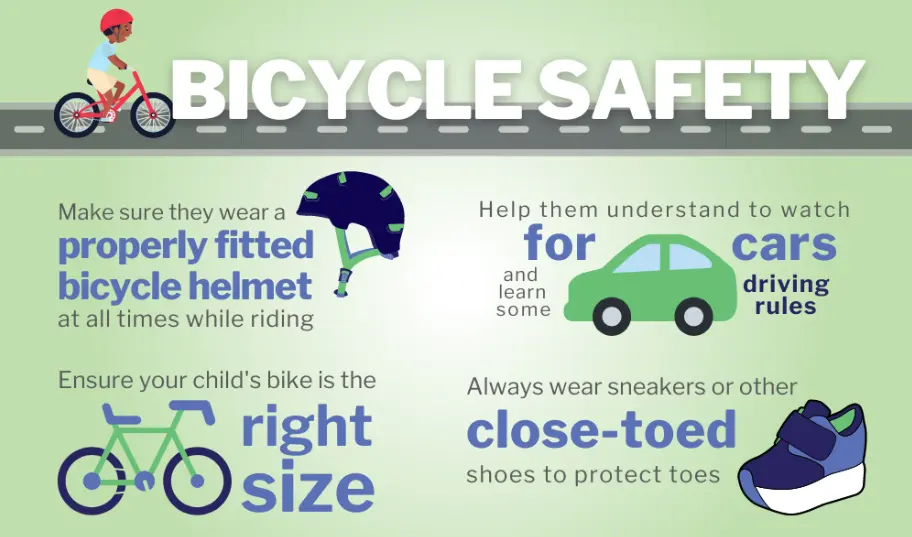
– Helmet: Always wear a properly fitted helmet to protect your head in case of falls or collisions; it should meet safety standards like CPSC or ASTM.
– Lights and Reflectors: Equip your bike with front white lights, rear red lights, and reflectors on wheels, pedals, and the frame for better nighttime visibility.
– Brakes and Tires: Ensure brakes are functional and tires are inflated to the recommended pressure to maintain control and stability.
– Bells or Horns: Use these to alert others of your presence, particularly in shared paths or busy areas.
Best Practices for Safe Riding
– Stay Alert: Avoid distractions like phones or headphones; keep your eyes on the road and scan for hazards such as potholes, debris, or opening car doors.
– Maintain a Safe Speed: Ride at a speed that allows you to stop quickly; adjust to road conditions, weather, and traffic.
– Share the Road: Be predictable and courteous; give space to other vehicles and communicate your intentions clearly.
– Group Riding Etiquette: If cycling in groups, ride single file on narrow roads and maintain a safe distance from the rider in front.
– Plan Your Route: Choose bike lanes or paths when available; familiarize yourself with the area to avoid unexpected dangers.
Common Hazards and How to Avoid Them
– Vehicle Doors: “Doorings” occur when a car door opens suddenly; ride at least 3-4 feet from parked cars.
– Intersections: These are high-risk areas; slow down, make eye contact with drivers, and proceed only when it’s safe.
– Weather Conditions: Rain makes roads slippery, so reduce speed and avoid puddles; in wind, maintain control and grip the handlebars firmly.
– Distracted Drivers: Be extra cautious around areas with high pedestrian or vehicle traffic, and assume drivers might not see you.
– Fatigue: Don’t overexert yourself; take breaks and ensure you’re well-rested before long rides.
Final Tips
Prioritize safety by practicing regularly, educating yourself on local laws, and encouraging others to do the same. Remember, a few precautions can make all the difference in enjoying cycling safely.
Table of Contents
- Part 1: Create A Bicycle Safety Quiz in Minutes Using AI with OnlineExamMaker
- Part 2: 20 Bicycle Safety Quiz Questions & Answers
- Part 3: Automatically Generate Quiz Questions Using AI Question Generator
Part 1: Create A Bicycle Safety Quiz in Minutes Using AI with OnlineExamMaker
When it comes to ease of creating a Bicycle Safety skills assessment, OnlineExamMaker is one of the best AI-powered quiz making software for your institutions or businesses. With its AI Question Generator, just upload a document or input keywords about your assessment topic, you can generate high-quality quiz questions on any topic, difficulty level, and format.
Overview of its key assessment-related features:
● AI Question Generator to help you save time in creating quiz questions automatically.
● Share your online exam with audiences on social platforms like Facebook, Twitter, Reddit and more.
● Instantly scores objective questions and subjective answers use rubric-based scoring for consistency.
● Simply copy and insert a few lines of embed codes to display your online exams on your website or WordPress blog.
Automatically generate questions using AI
Part 2: 20 Bicycle Safety Quiz Questions & Answers
or
Question 1:
What is the primary purpose of wearing a helmet while cycling?
A. To keep your head warm
B. To protect against head injuries
C. To improve visibility
D. To enhance speed
Answer: B
Explanation: A helmet is designed to absorb impact during a crash, significantly reducing the risk of severe head injuries and potential fatalities.
Question 2:
When riding a bicycle on the road, in which direction should you travel?
A. Against traffic
B. With traffic
C. On the sidewalk only
D. In the middle of the road
Answer: B
Explanation: Riding with traffic allows drivers to see you more easily and gives you better awareness of approaching vehicles, following standard road rules.
Question 3:
What should you do before riding your bicycle?
A. Check the tire pressure and brakes
B. Play loud music
C. Remove all reflectors
D. Ignore weather conditions
Answer: A
Explanation: Inspecting tire pressure and brakes ensures your bike is in safe working condition, preventing accidents caused by mechanical failures.
Question 4:
How should you signal a right turn while cycling?
A. Extend your left arm and point down
B. Extend your right arm straight out
C. Wave both arms
D. Do not signal
Answer: B
Explanation: Extending your right arm straight out signals your intention to turn right, helping other road users anticipate your movement and avoid collisions.
Question 5:
What is the recommended minimum age for children to ride on the road without supervision?
A. 5 years old
B. 10 years old
C. 16 years old
D. There is no minimum age
Answer: C
Explanation: By age 16, children typically have better judgment, coordination, and understanding of traffic rules, making it safer for them to ride unsupervised.
Question 6:
Why should cyclists use bike lanes when available?
A. To go faster than cars
B. To separate from motor vehicles and reduce risks
C. To block other cyclists
D. To chat with pedestrians
Answer: B
Explanation: Bike lanes provide a dedicated space that minimizes interactions with cars, lowering the chances of accidents and improving overall road safety.
Question 7:
What should you do if you encounter a pothole while riding?
A. Speed up to jump over it
B. Swerve suddenly into traffic
C. Slow down and go around it safely
D. Ignore it and keep going
Answer: C
Explanation: Slowing down and maneuvering around potholes prevents loss of control, which could lead to falls or damage to the bicycle.
Question 8:
How can cyclists improve their visibility at night?
A. Turn off all lights
B. Use reflective clothing and lights
C. Wear dark colors
D. Ride without a helmet
Answer: B
Explanation: Reflective clothing and lights make you more visible to drivers in low-light conditions, reducing the risk of being hit by vehicles.
Question 9:
What is the correct hand signal for stopping or slowing down?
A. Extend your left arm with the forearm down and hand pointing downwards
B. Wave your arm in circles
C. Point straight ahead
D. Do not use a signal
Answer: A
Explanation: This standard hand signal communicates to others that you are slowing down or stopping, allowing them to adjust their speed or position accordingly.
Question 10:
Why is it important to obey traffic signals as a cyclist?
A. To avoid fines only
B. To maintain flow and prevent accidents
C. To race against cars
D. It is not important
Answer: B
Explanation: Following traffic signals ensures you integrate safely with other road users, reducing the likelihood of collisions at intersections.
Question 11:
What should you wear to protect your eyes while cycling?
A. Regular sunglasses
B. Safety glasses or wraparound sunglasses
C. A hat only
D. Nothing
Answer: B
Explanation: Safety glasses or wraparound sunglasses shield your eyes from wind, debris, and glare, improving visibility and preventing accidents.
Question 12:
When is it unsafe to ride a bicycle?
A. On a clear, dry day
B. In heavy rain or poor visibility
C. During the daytime only
D. On flat roads
Answer: B
Explanation: Heavy rain or poor visibility reduces traction and makes it harder for others to see you, increasing the risk of slips, falls, or collisions.
Question 13:
How should you position yourself at a stop sign?
A. In the middle of the intersection
B. To the far right of the road
C. Stop completely and yield as needed
D. Roll through without stopping
Answer: C
Explanation: Coming to a complete stop and yielding ensures you check for traffic, preventing accidents caused by rushing through intersections.
Question 14:
What is the best way to carry items while cycling?
A. In your hands while riding
B. In a backpack or bike basket secured properly
C. Hanging from the handlebars
D. In a loose bag on the seat
Answer: B
Explanation: Using a secured backpack or bike basket keeps your hands free and maintains balance, reducing the risk of losing control.
Question 15:
Why should cyclists avoid distractions like phones?
A. To save battery
B. To maintain focus on the road and react to hazards
C. To listen to music better
D. Distractions are not a problem
Answer: B
Explanation: Distractions impair your ability to notice dangers, such as vehicles or obstacles, which can lead to serious accidents.
Question 16:
What should you do if a dog approaches you while cycling?
A. Speed up and shout
B. Stop, dismount, and walk away slowly
C. Throw something at it
D. Ignore it
Answer: B
Explanation: Stopping and walking away calmly reduces the chance of the dog chasing or biting, allowing you to safely remove yourself from the situation.
Question 17:
How often should you maintain your bicycle’s brakes?
A. Once a year
B. Before every ride
C. Only when they squeak
D. Never
Answer: B
Explanation: Checking brakes before every ride ensures they function properly, preventing failures that could result in crashes.
Question 18:
What is the rule for riding two abreast on a narrow road?
A. Always ride side by side
B. Single file to allow vehicles to pass safely
C. Weave in and out of traffic
D. Ride in the opposite lane
Answer: B
Explanation: Riding single file on narrow roads gives enough space for vehicles to overtake safely, minimizing the risk of accidents.
Question 19:
Why should cyclists use front and rear lights?
A. For decoration
B. To increase visibility to other road users
C. To make the bike go faster
D. Only during the day
Answer: B
Explanation: Front and rear lights help drivers see you from all angles, especially in low-light conditions, reducing collision risks.
Question 20:
What is the most effective way to learn bicycle safety rules?
A. By guessing on the road
B. Through classes, signs, and practice
C. From friends only
D. By watching videos while riding
Answer: B
Explanation: Formal classes, road signs, and hands-on practice provide comprehensive knowledge and skills, helping cyclists stay safe in real-world scenarios.
or
Part 3: Automatically generate quiz questions using OnlineExamMaker AI Question Generator
Automatically generate questions using AI