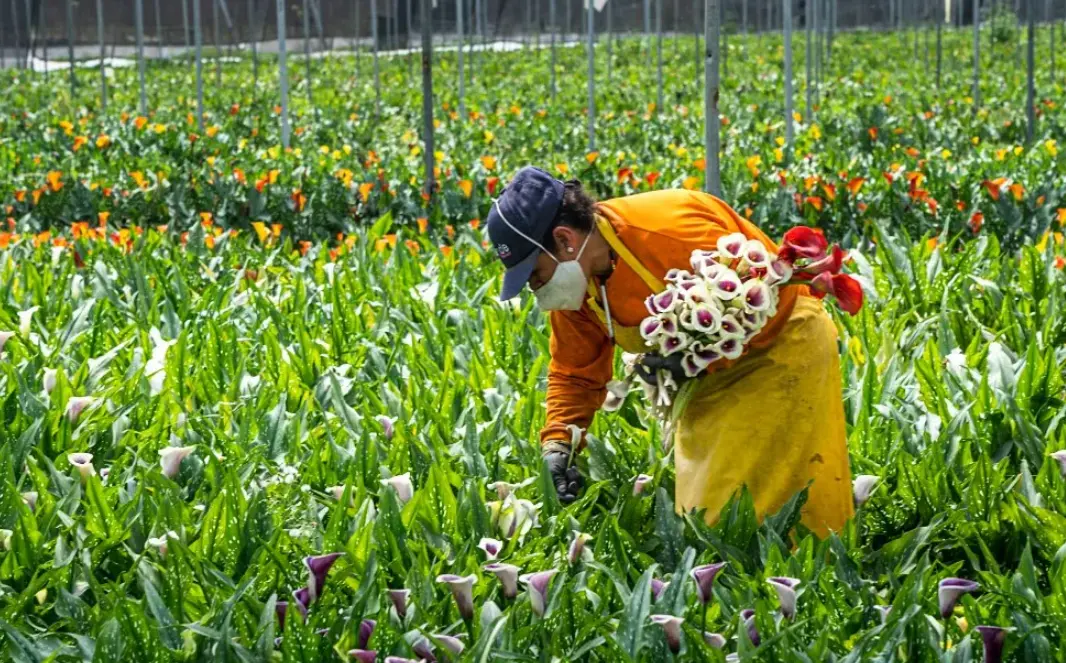
The floral industry encompasses the cultivation, harvesting, processing, and distribution of flowers, plants, and related products, serving both domestic and international markets. It plays a vital role in agriculture, with vast farms and greenhouses producing a wide variety of blooms such as roses, tulips, and orchids. Key segments include wholesale suppliers who handle large-scale logistics, retail florists who create custom arrangements for events like weddings and holidays, and online platforms that facilitate global e-commerce. Economically, it contributes billions annually, supporting jobs in farming, design, and logistics while promoting cultural traditions and emotional connections through gifting. Sustainability efforts, such as eco-friendly packaging and organic farming, are increasingly prominent to address environmental concerns. Innovations in breeding and technology enhance flower longevity and diversity, making the industry a blend of art, science, and commerce that brings beauty and joy to everyday life.
Table of Contents
- Part 1: OnlineExamMaker AI Quiz Generator – The Easiest Way to Make Quizzes Online
- Part 2: 20 Floral Industry Quiz Questions & Answers
- Part 3: Try OnlineExamMaker AI Question Generator to Create Quiz Questions
Part 1: OnlineExamMaker AI Quiz Generator – The Easiest Way to Make Quizzes Online
Are you looking for an online assessment to test the Floral Industry skills of your learners? OnlineExamMaker uses artificial intelligence to help quiz organizers to create, manage, and analyze exams or tests automatically. Apart from AI features, OnlineExamMaker advanced security features such as full-screen lockdown browser, online webcam proctoring, and face ID recognition.
Take a product tour of OnlineExamMaker:
● Includes a safe exam browser (lockdown mode), webcam and screen recording, live monitoring, and chat oversight to prevent cheating.
● AI Exam Grader for efficiently grading quizzes and assignments, offering inline comments, automatic scoring, and “fudge points” for manual adjustments.
● Embed quizzes on websites, blogs, or share via email, social media (Facebook, Twitter), or direct links.
● Handles large-scale testing (thousands of exams/semester) without internet dependency, backed by cloud infrastructure.
Automatically generate questions using AI
Part 2: 20 Floral Industry Quiz Questions & Answers
or
1. Question: What is the primary function of ethylene in the floral industry?
Options:
A. Promoting flower growth
B. Accelerating flower aging and wilting
C. Enhancing flower color
D. Preventing pest infestations
Answer: B
Explanation: Ethylene is a plant hormone that speeds up the ripening process, leading to premature aging and wilting in cut flowers, which is why it’s managed carefully in storage and transport.
2. Question: Which country is the largest exporter of cut flowers globally?
Options:
A. United States
B. Netherlands
C. Colombia
D. Kenya
Answer: B
Explanation: The Netherlands dominates the global cut flower export market due to its advanced auction systems, greenhouses, and logistics infrastructure.
3. Question: What is the main purpose of using floral foam in arrangements?
Options:
A. To add color to the arrangement
B. To hold stems in place and provide water
C. To protect flowers from insects
D. To extend the shelf life of flowers
Answer: B
Explanation: Floral foam absorbs and retains water, supporting stems and keeping flowers hydrated, which helps maintain the arrangement’s structure.
4. Question: Which flower is often associated with Valentine’s Day and symbolizes love?
Options:
A. Lily
B. Rose
C. Daisy
D. Carnation
Answer: B
Explanation: Roses are traditionally linked to romance and are the most popular flower for Valentine’s Day due to their cultural symbolism and aesthetic appeal.
5. Question: What does the acronym “AAS” stand for in the context of the floral industry?
Options:
A. American Academy of Science
B. All America Selections
C. Association of Flower Suppliers
D. Annual Agricultural Standards
Answer: B
Explanation: All America Selections is a non-profit organization that tests and promotes new flower and vegetable varieties for superior performance in gardens.
6. Question: In floral preservation, what is the role of glycerin?
Options:
A. To kill bacteria
B. To replace water in plant cells for drying
C. To enhance fragrance
D. To dye flowers
Answer: B
Explanation: Glycerin is used in the drying process to replace the water in plant cells, allowing flowers to retain flexibility and a natural appearance without brittleness.
7. Question: Which technique is used to extend the vase life of cut flowers?
Options:
A. Direct sunlight exposure
B. Adding sugar to the water
C. Storing at room temperature
D. Using acidic solutions
Answer: B
Explanation: Adding sugar provides energy to the flowers, helping to delay wilting and extend their freshness by supporting cellular processes.
8. Question: What is the primary environmental concern in the floral industry?
Options:
A. Overuse of pesticides
B. Excessive water usage
C. Deforestation for flower farms
D. All of the above
Answer: D
Explanation: The floral industry faces multiple environmental issues, including pesticide runoff, high water consumption, and habitat loss from expanding farms, necessitating sustainable practices.
9. Question: Which flower is known for its use in essential oils and aromatherapy?
Options:
A. Lavender
B. Tulip
C. Orchid
D. Peony
Answer: A
Explanation: Lavender is widely cultivated for its essential oils, which are used in aromatherapy due to their calming properties and pleasant scent.
10. Question: What is the typical pH level recommended for floral preservative solutions?
Options:
A. 3.0–4.0
B. 5.0–6.0
C. 7.0–8.0
D. 9.0–10.0
Answer: A
Explanation: A slightly acidic pH of 3.0–4.0 in preservative solutions helps prevent bacterial growth and keeps the water clean, extending flower life.
11. Question: Which organization certifies fair trade flowers?
Options:
A. ISO
B. Fairtrade International
C. WHO
D. USDA
Answer: B
Explanation: Fairtrade International sets standards for ethical labor practices and environmental sustainability in the flower trade, ensuring fair conditions for workers.
12. Question: What is hydroponics in the context of flower cultivation?
Options:
A. Growing flowers in soil
B. Growing flowers without soil using nutrient solutions
C. Storing flowers in cold rooms
D. Harvesting flowers by hand
Answer: B
Explanation: Hydroponics involves cultivating flowers in a soilless environment with nutrient-rich water, which is efficient for controlled environments like greenhouses.
13. Question: Which flower is most commonly used in funeral arrangements?
Options:
A. Sunflower
B. Lily
C. Daisy
D. Rose
Answer: B
Explanation: Lilies symbolize purity and the restoration of innocence, making them a traditional choice for sympathy and funeral floral arrangements.
14. Question: What effect does temperature have on cut flower storage?
Options:
A. Higher temperatures extend shelf life
B. Lower temperatures slow down metabolism
C. Room temperature is ideal for all flowers
D. Temperature has no significant effect
Answer: B
Explanation: Storing cut flowers at lower temperatures reduces their metabolic rate, minimizing water loss and delaying aging for better preservation.
15. Question: Which pest is a common threat to rose cultivation?
Options:
A. Aphids
B. Bees
C. Butterflies
D. Earthworms
Answer: A
Explanation: Aphids feed on rose sap, causing damage and spreading diseases, making them a primary pest that requires management in rose farms.
16. Question: What is the purpose of a floral cold chain?
Options:
A. To heat flowers during transport
B. To maintain a consistent low temperature
C. To add humidity to storage
D. To package flowers tightly
Answer: B
Explanation: A floral cold chain ensures flowers are kept at optimal low temperatures from harvest to retail, preserving quality and extending shelf life.
17. Question: Which flower is typically used for making garlands in cultural events?
Options:
A. Orchid
B. Marigold
C. Tulip
D. Iris
Answer: B
Explanation: Marigolds are durable, vibrant, and culturally significant in many traditions, making them ideal for garlands in festivals and ceremonies.
18. Question: What is the key benefit of using LED lights in greenhouse flower production?
Options:
A. They produce heat for warmth
B. They are energy-efficient and customizable for plant needs
C. They attract pollinators
D. They reduce water usage
Answer: B
Explanation: LED lights provide specific light spectra for photosynthesis while consuming less energy, making them a sustainable choice for year-round flower growth.
19. Question: Which factor most affects the global flower trade during holidays?
Options:
A. Weather patterns
B. Demand spikes
C. Government regulations
D. Technological advancements
Answer: B
Explanation: Holidays like Mother’s Day and Christmas cause significant demand increases, leading to higher prices and faster trade cycles in the floral industry.
20. Question: What is the main component of a floral preservative?
Options:
A. Salt
B. Bleach
C. Sucrose (sugar)
D. Vinegar
Answer: C
Explanation: Sucrose in preservatives provides carbohydrates for energy, helping flowers maintain their vitality and extend their display life.
or
Part 3: Try OnlineExamMaker AI Question Generator to Create Quiz Questions
Automatically generate questions using AI