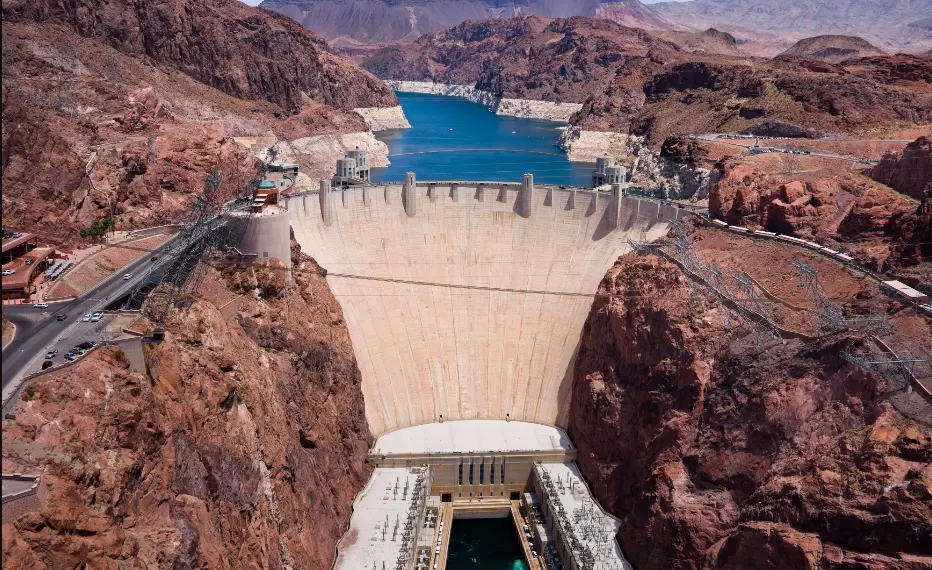
Dams are monumental engineering structures built across rivers or streams to control water flow, creating reservoirs that store vast amounts of water. They serve multiple purposes, including generating hydroelectric power, preventing floods, providing irrigation for agriculture, and supplying drinking water to communities. Constructed from materials like concrete, earth, or rock, dams vary in design—such as gravity dams that rely on their weight to resist water pressure, arch dams that curve for added strength, or embankment dams made from compacted soil. These structures not only harness natural resources but also reshape landscapes, supporting economic development while posing environmental challenges like altering ecosystems and migration patterns of aquatic life. Famous examples include the Hoover Dam in the United States and the Three Gorges Dam in China, which stand as testaments to human ingenuity in managing water resources.
Table of Contents
- Part 1: OnlineExamMaker AI Quiz Generator – Save Time and Efforts
- Part 2: 20 Dams Quiz Questions & Answers
- Part 3: Try OnlineExamMaker AI Question Generator to Create Quiz Questions
Part 1: OnlineExamMaker AI Quiz Generator – Save Time and Efforts
What’s the best way to create a Dams quiz online? OnlineExamMaker is the best AI quiz making software for you. No coding, and no design skills required. If you don’t have the time to create your online quiz from scratch, you are able to use OnlineExamMaker AI Question Generator to create question automatically, then add them into your online assessment. What is more, the platform leverages AI proctoring and AI grading features to streamline the process while ensuring exam integrity.
Key features of OnlineExamMaker:
● Combines AI webcam monitoring to capture cheating activities during online exam.
● Allow the quiz taker to answer by uploading video or a Word document, adding an image, and recording an audio file.
● Automatically scores multiple-choice, true/false, and even open-ended/audio responses using AI, reducing manual work.
● OnlineExamMaker API offers private access for developers to extract your exam data back into your system automatically.
Automatically generate questions using AI
Part 2: 20 Dams Quiz Questions & Answers
or
1. Question: What is the primary function of a dam?
Options:
A) To generate electricity
B) To store water
C) To prevent flooding
D) All of the above
Answer: D
Explanation: Dams serve multiple functions, including electricity generation, water storage, and flood control, making them essential for water resource management.
2. Question: Which type of dam uses its weight to resist the force of water?
Options:
A) Arch dam
B) Gravity dam
C) Embankment dam
D) Buttress dam
Answer: B
Explanation: A gravity dam relies on its own weight and the material it’s made from, like concrete, to hold back water by counteracting the pressure.
3. Question: Where is the Hoover Dam located?
Options:
A) On the Colorado River in the USA
B) On the Nile River in Egypt
C) On the Yangtze River in China
D) On the Amazon River in Brazil
Answer: A
Explanation: The Hoover Dam is situated on the Colorado River, between Arizona and Nevada in the USA, and it provides water and hydroelectric power.
4. Question: What material is commonly used in the construction of embankment dams?
Options:
A) Steel
B) Earth and rock
C) Glass
D) Wood
Answer: B
Explanation: Embankment dams are built using natural materials like earth, rock, or soil, which are compacted to form a barrier against water.
5. Question: Which dam is the largest in the world by structure?
Options:
A) Aswan Dam
B) Three Gorges Dam
C) Itaipu Dam
D) Grand Coulee Dam
Answer: B
Explanation: The Three Gorges Dam in China is the world’s largest power station in terms of installed capacity and is a massive hydroelectric dam.
6. Question: What environmental impact is commonly associated with dams?
Options:
A) Increased biodiversity
B) Habitat disruption for aquatic life
C) Reduced soil erosion
D) Global cooling
Answer: B
Explanation: Dams can block fish migration routes and alter ecosystems, leading to habitat disruption for species like salmon.
7. Question: How does an arch dam work?
Options:
A) By transferring water pressure to the sides
B) By using its weight alone
C) By floating on water
D) By evaporating water
Answer: A
Explanation: An arch dam curves upstream and transfers the water’s force sideways into the abutments, making it efficient for narrow canyons.
8. Question: What is the main benefit of a buttress dam?
Options:
A) It uses less material than other dams
B) It is easy to build in wide valleys
C) It generates more electricity
D) It requires no maintenance
Answer: A
Explanation: Buttress dams use supporting walls or structures, allowing them to be built with less concrete or material compared to gravity dams.
9. Question: Which country has the most dams?
Options:
A) China
B) USA
C) India
D) Brazil
Answer: A
Explanation: China has constructed the most dams worldwide, primarily for flood control, irrigation, and hydroelectric power.
10. Question: What causes reservoir sedimentation in dams?
Options:
A) Overflows from rivers
B) Accumulation of silt and debris
C) Chemical reactions in water
D) Wind patterns
Answer: B
Explanation: Sedimentation occurs when silt, sand, and other particles carried by rivers settle in the reservoir, reducing its storage capacity over time.
11. Question: What is a spillway in a dam?
Options:
A) A gate for fish passage
B) A channel to release excess water
C) A foundation for the dam
D) A power generation unit
Answer: B
Explanation: A spillway is designed to safely discharge surplus water from the reservoir to prevent overflow and potential dam failure.
12. Question: Which dam was built to control the flooding of the Yellow River?
Options:
A) Sanxia Dam
B) Xiaolangdi Dam
C) Bhakra Dam
D) Kariba Dam
Answer: B
Explanation: The Xiaolangdi Dam in China was constructed primarily to control flooding and sedimentation on the Yellow River.
13. Question: What is the role of a dam in hydroelectric power?
Options:
A) It stores water for release to turn turbines
B) It directly produces electricity
C) It filters water for drinking
D) It creates wind energy
Answer: A
Explanation: Dams create reservoirs that store water, which is then released to flow through turbines, generating electricity.
14. Question: Why are dams often built in valleys?
Options:
A) For aesthetic reasons
B) To maximize water storage with natural topography
C) To reduce construction costs
D) To avoid earthquakes
Answer: B
Explanation: Valleys provide a natural basin for water accumulation, allowing dams to efficiently store large volumes of water.
15. Question: What is an example of a negative social impact of dams?
Options:
A) Job creation
B) Displacement of communities
C) Improved transportation
D) Enhanced agriculture
Answer: B
Explanation: Large dams can flood surrounding areas, leading to the displacement of people and loss of homes and livelihoods.
16. Question: How do dams help in irrigation?
Options:
A) By diverting water to canals
B) By increasing rainfall
C) By desalinating seawater
D) By creating clouds
Answer: A
Explanation: Dams store and regulate water, which is then channeled through irrigation systems to support farming in arid regions.
17. Question: What type of dam is the Aswan High Dam?
Options:
A) Arch dam
B) Embankment dam
C) Gravity dam
D) Buttress dam
Answer: C
Explanation: The Aswan High Dam in Egypt is a rock-fill gravity dam that uses its weight to hold back the Nile River.
18. Question: What is the purpose of a fish ladder in dams?
Options:
A) To generate more power
B) To allow fish to migrate upstream
C) To store additional water
D) To prevent erosion
Answer: B
Explanation: Fish ladders are structures that enable fish to bypass the dam and continue their migration routes for spawning.
19. Question: Which factor is critical for dam safety?
Options:
A) Regular maintenance and inspections
B) Painting the dam annually
C) Adding decorative lights
D) Increasing water temperature
Answer: A
Explanation: Regular maintenance and inspections help detect issues like cracks or erosion, ensuring the dam’s structural integrity and preventing failures.
20. Question: What is the economic benefit of dams?
Options:
A) They provide renewable energy
B) They reduce global trade
C) They increase desertification
D) They eliminate fishing
Answer: A
Explanation: Dams generate hydroelectric power, which is a clean and renewable energy source, contributing to economic growth and energy security.
or
Part 3: Try OnlineExamMaker AI Question Generator to Create Quiz Questions
Automatically generate questions using AI