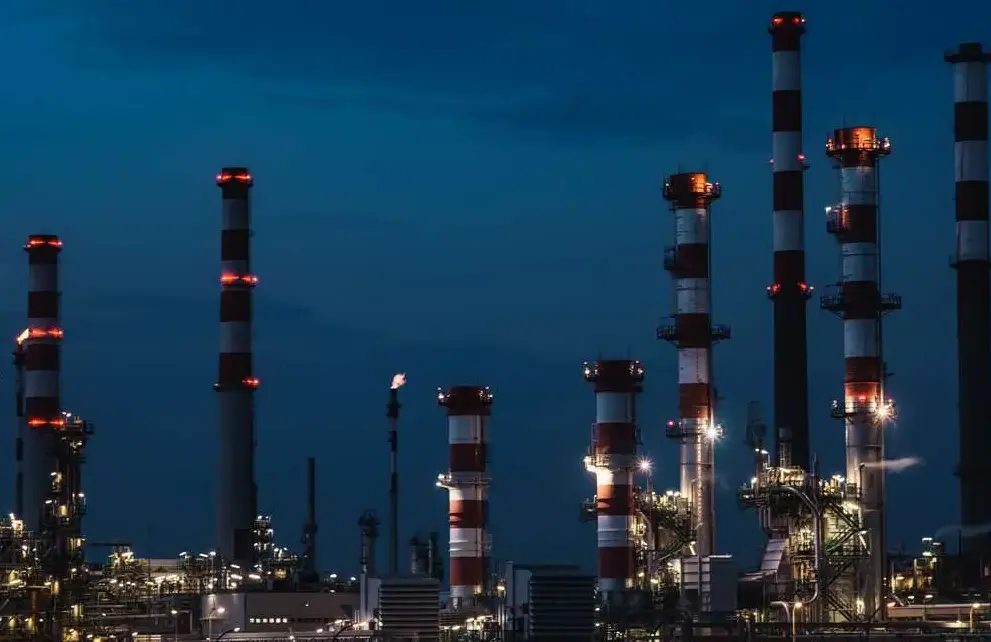
The Electric Power Industry is a critical sector responsible for the generation, transmission, distribution, and regulation of electricity to power homes, businesses, and industries worldwide. It encompasses a diverse range of energy sources, including fossil fuels, nuclear power, hydroelectric dams, and renewable options like solar, wind, and geothermal energy. This industry plays a pivotal role in modern economies by ensuring reliable energy supply, supporting technological advancements, and driving economic growth. Key components include power plants for electricity generation, high-voltage transmission lines for long-distance transport, and local distribution networks that deliver power to end-users. As global demands rise, the sector faces challenges such as integrating renewable sources, reducing carbon emissions, enhancing grid resilience, and adapting to regulatory policies aimed at sustainability and energy efficiency. Innovations in smart grids, energy storage, and digital technologies are transforming the industry, making it more efficient and environmentally friendly.
Table of Contents
- Part 1: Create An Amazing Electric Power Industry Quiz Using AI Instantly in OnlineExamMaker
- Part 2: 20 Electric Power Industry Quiz Questions & Answers
- Part 3: Try OnlineExamMaker AI Question Generator to Create Quiz Questions
Part 1: Create An Amazing Electric Power Industry Quiz Using AI Instantly in OnlineExamMaker
The quickest way to assess the Electric Power Industry knowledge of candidates is using an AI assessment platform like OnlineExamMaker. With OnlineExamMaker AI Question Generator, you are able to input content—like text, documents, or topics—and then automatically generate questions in various formats (multiple-choice, true/false, short answer). Its AI Exam Grader can automatically grade the exam and generate insightful reports after your candidate submit the assessment.
Overview of its key assessment-related features:
● Create up to 10 question types, including multiple-choice, true/false, fill-in-the-blank, matching, short answer, and essay questions.
● Automatically generates detailed reports—individual scores, question report, and group performance.
● Instantly scores objective questions and subjective answers use rubric-based scoring for consistency.
● API and SSO help trainers integrate OnlineExamMaker with Google Classroom, Microsoft Teams, CRM and more.
Automatically generate questions using AI
Part 2: 20 Electric Power Industry Quiz Questions & Answers
or
1. Question: What is the primary function of a transformer in the electric power industry?
Options:
A) Generate electricity
B) Step up or step down voltage
C) Store electrical energy
D) Transmit data signals
Answer: B
Explanation: Transformers change the voltage levels of alternating current (AC) to facilitate efficient transmission and distribution of electricity across power grids.
2. Question: Which type of power plant uses flowing water to generate electricity?
Options:
A) Thermal power plant
B) Nuclear power plant
C) Hydroelectric power plant
D) Solar power plant
Answer: C
Explanation: Hydroelectric power plants harness the kinetic energy of flowing water to turn turbines, converting it into electrical energy through generators.
3. Question: What is the main advantage of using high-voltage transmission lines?
Options:
A) Reduces the cost of electricity generation
B) Minimizes energy losses during transmission
C) Increases the speed of electricity flow
D) Eliminates the need for substations
Answer: B
Explanation: High-voltage transmission reduces current for a given power level, thereby decreasing resistive losses according to Ohm’s law and improving overall efficiency.
4. Question: In the electric power industry, what does AC stand for?
Options:
A) Alternating Current
B) Active Circuit
C) Advanced Capacitor
D) Amplified Charge
Answer: A
Explanation: AC, or Alternating Current, is the standard form of electricity used in power systems because it can be easily transformed to different voltages for transmission and use.
5. Question: Which renewable energy source relies on wind turbines to produce electricity?
Options:
A) Solar
B) Wind
C) Geothermal
D) Biomass
Answer: B
Explanation: Wind energy converts the kinetic energy from wind into electricity using turbines, making it a clean and sustainable option in the power industry.
6. Question: What is the purpose of a circuit breaker in an electrical system?
Options:
A) To generate more power
B) To protect against overloads and short circuits
C) To increase voltage levels
D) To store excess energy
Answer: B
Explanation: Circuit breakers automatically interrupt electrical flow during faults, preventing damage to equipment and ensuring safety in power distribution.
7. Question: Which gas is commonly used as an insulator in high-voltage equipment like circuit breakers?
Options:
A) Oxygen
B) Sulfur hexafluoride (SF6)
C) Nitrogen
D) Carbon dioxide
Answer: B
Explanation: Sulfur hexafluoride (SF6) is used for its excellent insulating properties and ability to extinguish arcs in high-voltage switchgear.
8. Question: What factor primarily determines the capacity of a power plant?
Options:
A) The color of the fuel used
B) The amount of installed generating equipment
C) The location of the plant
D) The number of employees
Answer: B
Explanation: Capacity is based on the size and number of generators, which dictate how much electricity the plant can produce under optimal conditions.
9. Question: In power distribution, what does a substation do?
Options:
A) Generate electricity from coal
B) Step down voltage for local use
C) Store energy for peak demand
D) Transmit electricity overseas
Answer: B
Explanation: Substations use transformers to reduce high transmission voltages to lower levels suitable for distribution to homes and businesses.
10. Question: Which of the following is a non-renewable source of energy in the electric power industry?
Options:
A) Solar energy
B) Coal
C) Wind energy
D) Hydropower
Answer: B
Explanation: Coal is a fossil fuel that takes millions of years to form, making it non-renewable, unlike solar, wind, or hydropower.
11. Question: What is the role of a smart grid in modern electric power systems?
Options:
A) To manually control power flow
B) To automate and optimize electricity distribution
C) To eliminate the need for meters
D) To generate power from batteries
Answer: B
Explanation: Smart grids use digital technology to monitor and manage electricity flow, improving efficiency, reliability, and integration of renewable sources.
12. Question: Which law governs the relationship between voltage, current, and resistance in electrical circuits?
Options:
A) Faraday’s Law
B) Ohm’s Law
C) Newton’s Law
D) Kirchhoff’s Law
Answer: B
Explanation: Ohm’s Law states that voltage (V) equals current (I) times resistance (R), which is fundamental for designing and analyzing power systems.
13. Question: What is the primary environmental concern associated with nuclear power plants?
Options:
A) Air pollution from emissions
B) Radioactive waste disposal
C) Noise from turbines
D) Water usage in cooling
Answer: B
Explanation: Nuclear plants produce radioactive waste that requires safe long-term storage to prevent environmental and health risks.
14. Question: In the electric power industry, what does demand-side management involve?
Options:
A) Increasing power generation
B) Reducing consumer electricity use during peak times
C) Building more transmission lines
D) Exporting electricity to other countries
Answer: B
Explanation: Demand-side management encourages efficient energy use by consumers, helping to balance the grid and reduce the need for additional power plants.
15. Question: Which component is essential for converting direct current (DC) to alternating current (AC)?
Options:
A) Inverter
B) Transformer
C) Generator
D) Capacitor
Answer: A
Explanation: Inverters change DC from sources like solar panels into AC, which is the standard for most electrical grids.
16. Question: What is the main benefit of distributed generation in the electric power industry?
Options:
A) Centralizes all power production
B) Reduces transmission losses by generating power closer to users
C) Eliminates the need for renewable energy
D) Increases reliance on fossil fuels
Answer: B
Explanation: Distributed generation, such as rooftop solar, produces electricity near the point of use, minimizing losses and enhancing grid resilience.
17. Question: Which organization in the United States regulates the interstate transmission of electricity?
Options:
A) Federal Energy Regulatory Commission (FERC)
B) Environmental Protection Agency (EPA)
C) Department of Energy (DOE)
D) National Grid Authority
Answer: A
Explanation: FERC oversees the regulation of wholesale electricity markets and ensures reliable interstate transmission in the U.S.
18. Question: What does net metering allow in the electric power industry?
Options:
A) Customers to sell excess electricity back to the grid
B) Only purchasing electricity at night
C) Limiting power usage to off-peak hours
D) Increasing the voltage for home use
Answer: A
Explanation: Net metering enables consumers with renewable systems, like solar, to receive credit for surplus electricity fed back into the grid.
19. Question: Which factor contributes most to the efficiency of a coal-fired power plant?
Options:
A) The age of the plant
B) The use of advanced combustion technologies
C) The color of the coal
D) The number of smokestacks
Answer: B
Explanation: Advanced technologies, such as supercritical boilers, improve efficiency by operating at higher temperatures and pressures, reducing fuel consumption.
20. Question: What is the key challenge in integrating intermittent renewable sources like solar into the power grid?
Options:
A) They produce too much energy
B) Their output varies with weather conditions
C) They require fossil fuels to operate
D) They are too expensive to install
Answer: B
Explanation: Intermittent sources like solar depend on sunlight, requiring grid operators to balance supply with storage or other reliable sources to maintain stability.
or
Part 3: Try OnlineExamMaker AI Question Generator to Create Quiz Questions
Automatically generate questions using AI