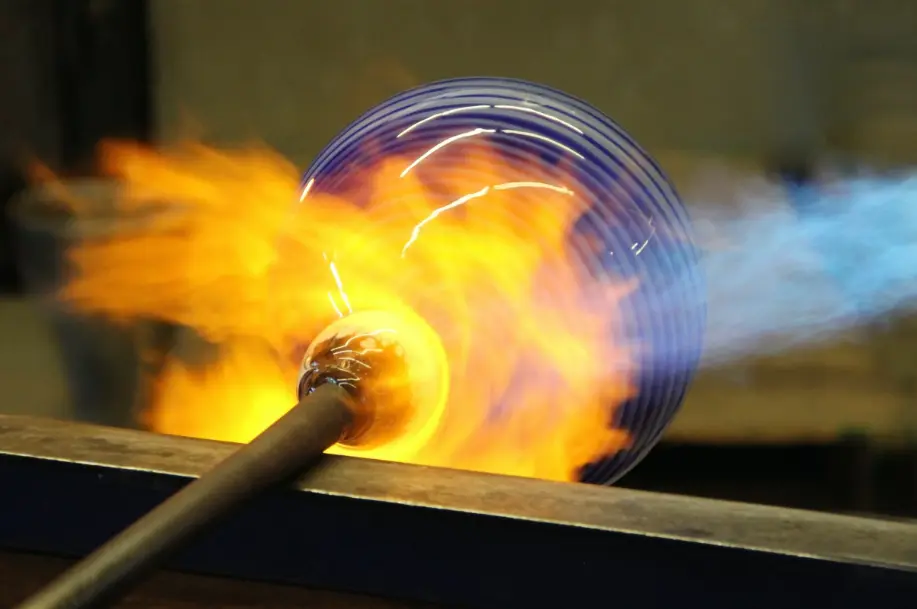
Glassblowing is an ancient and mesmerizing art form where skilled artisans transform molten glass into intricate shapes using a long metal tube called a blowpipe. The process begins by gathering a glob of glowing, liquid glass from a furnace, then carefully rolling, shaping, and inflating it with controlled breaths. As the glass cools and hardens, it takes on elegant forms—vases, ornaments, or sculptures—that capture light in a dance of colors and textures. This delicate craft demands precision, creativity, and an intimate understanding of heat and material, turning simple silica into timeless works of beauty.
Table of Contents
- Part 1: OnlineExamMaker – Generate and Share Glassblowing Quiz with AI Automatically
- Part 2: 20 Glassblowing Quiz Questions & Answers
- Part 3: Save Time and Energy: Generate Quiz Questions with AI Technology
Part 1: OnlineExamMaker – Generate and Share Glassblowing Quiz with AI Automatically
The quickest way to assess the Glassblowing knowledge of candidates is using an AI assessment platform like OnlineExamMaker. With OnlineExamMaker AI Question Generator, you are able to input content—like text, documents, or topics—and then automatically generate questions in various formats (multiple-choice, true/false, short answer). Its AI Exam Grader can automatically grade the exam and generate insightful reports after your candidate submit the assessment.
What you will like:
● Create a question pool through the question bank and specify how many questions you want to be randomly selected among these questions.
● Allow the quiz taker to answer by uploading video or a Word document, adding an image, and recording an audio file.
● Display the feedback for correct or incorrect answers instantly after a question is answered.
● Create a lead generation form to collect an exam taker’s information, such as email, mobile phone, work title, company profile and so on.
Automatically generate questions using AI
Part 2: 20 Glassblowing Quiz Questions & Answers
or
Question 1:
What is the primary material used in glassblowing?
A) Sand
B) Soda ash
C) Limestone
D) All of the above
Answer: D
Explanation: Glassblowing relies on a mixture of sand (silica), soda ash, and limestone as the primary ingredients to create molten glass.
Question 2:
Which ancient civilization is credited with inventing glassblowing?
A) Egyptians
B) Romans
C) Greeks
D) Phoenicians
Answer: D
Explanation: The Phoenicians are believed to have developed glassblowing techniques around 50 BC, revolutionizing glass production.
Question 3:
What tool is used to gather molten glass from the furnace?
A) Blowpipe
B) Shears
C) Jacks
D) Punty
Answer: A
Explanation: The blowpipe is the essential tool for gathering a glob of molten glass from the furnace to begin shaping.
Question 4:
What is the purpose of annealing in glassblowing?
A) To add color
B) To cool the glass slowly
C) To shape the glass
D) To heat the glass evenly
Answer: B
Explanation: Annealing involves slowly cooling the glass in a kiln to relieve internal stresses and prevent cracking.
Question 5:
Which type of glass is most commonly used in modern glassblowing?
A) Borosilicate glass
B) Lead crystal
C) Soda-lime glass
D) Fused silica
Answer: C
Explanation: Soda-lime glass is widely used due to its affordability, ease of melting, and workability in glassblowing.
Question 6:
What does the term “marver” refer to in glassblowing?
A) A type of furnace
B) A flat surface for rolling glass
C) A blowing technique
D) A cooling method
Answer: B
Explanation: A marver is a flat, often metal or marble surface used to roll and shape the hot glass blob.
Question 7:
How does a glassblower create a bubble in the glass?
A) By using shears
B) By blowing air through the blowpipe
C) By dipping in color
D) By reheating in the glory hole
Answer: B
Explanation: Blowing air through the blowpipe inflates the molten glass, forming a bubble that can be shaped further.
Question 8:
What is the glory hole used for in a glassblowing studio?
A) Initial melting of glass
B) Reheating glass during shaping
C) Annealing the final piece
D) Storing tools
Answer: B
Explanation: The glory hole is a furnace that reheats glass to a workable temperature during the shaping process.
Question 9:
Which safety precaution is essential when working with molten glass?
A) Wearing cotton gloves
B) Using heat-resistant eyewear
C) Working barefoot
D) Ignoring ventilation
Answer: B
Explanation: Heat-resistant eyewear protects against infrared radiation and potential splashes from molten glass.
Question 10:
What is the role of the punty in glassblowing?
A) To hold the glass piece for further work
B) To cut the glass
C) To add color
D) To melt the initial batch
Answer: A
Explanation: The punty is a metal rod attached to the glass to hold and manipulate it, especially for the base or opposite end.
Question 11:
Which artist is famous for innovative glassblowing techniques in the 20th century?
A) Dale Chihuly
B) Pablo Picasso
C) Vincent van Gogh
D) Michelangelo
Answer: A
Explanation: Dale Chihuly is renowned for his large-scale glass installations and advancements in contemporary glassblowing art.
Question 12:
What happens if glass is cooled too quickly after blowing?
A) It becomes stronger
B) It develops thermal shock and cracks
C) It changes color
D) It hardens instantly
Answer: B
Explanation: Rapid cooling causes thermal shock, leading to internal stresses that can cause the glass to crack or shatter.
Question 13:
What is the typical temperature range for molten glass in a furnace?
A) 500–800°C
B) 1000–1200°C
C) 1500–1600°C
D) 2000–2500°C
Answer: C
Explanation: Molten glass requires temperatures around 1500–1600°C to be viscous enough for blowing and shaping.
Question 14:
Which technique involves layering colored glass for decorative effects?
A) Freehand blowing
B) Cane work
C) Slumping
D) Fusing
Answer: B
Explanation: Cane work involves creating and layering colored glass rods to produce intricate patterns and designs.
Question 15:
What is the function of jacks in glassblowing?
A) To cut the glass pontil
B) To shape and narrow the glass
C) To hold the blowpipe
D) To apply color
Answer: B
Explanation: Jacks are tong-like tools used to pull and shape the hot glass, creating openings or thinning sections.
Question 16:
In glassblowing, what does “gathering” mean?
A) Collecting tools
B) Picking up molten glass on the blowpipe
C) Blowing air into the glass
D) Cooling the piece
Answer: B
Explanation: Gathering is the process of dipping the blowpipe into the furnace to collect a mass of molten glass.
Question 17:
Which factor affects the clarity of blown glass?
A) The speed of blowing
B) The purity of the raw materials
C) The color added
D) The room temperature
Answer: B
Explanation: High-purity raw materials reduce impurities, resulting in clearer and more transparent glass.
Question 18:
What is a common use of borosilicate glass in glassblowing?
A) Art sculptures
B) Laboratory equipment
C) Window panes
D) Beverage containers
Answer: B
Explanation: Borosilicate glass is valued for its heat resistance, making it ideal for labware that withstands thermal stress.
Question 19:
How does a glassblower achieve symmetry in a piece?
A) By freehand shaping
B) Using a mold or form
C) By rapid cooling
D) Adding extra layers
Answer: B
Explanation: Molds or forms help ensure even shaping and symmetry, especially for repetitive or precise designs.
Question 20:
What environmental concern is associated with glassblowing?
A) High water usage
B) Energy consumption from furnaces
C) Excessive waste production
D) Chemical pollution from colors
Answer: B
Explanation: Glassblowing furnaces require significant energy to maintain high temperatures, contributing to carbon emissions.
or
Part 3: Save Time and Energy: Generate Quiz Questions with AI Technology
Automatically generate questions using AI