Wildfire safety is essential for protecting lives, property, and ecosystems in fire-prone areas. Wildfires, often ignited by lightning, human error, or extreme weather, can spread rapidly through dry vegetation, fueled by wind and heat. To minimize risks, create a defensible space around your home by clearing flammable materials like leaves, branches, and dry grass within a 30-foot radius. Use fire-resistant building materials, such as metal roofs and double-paned windows, to enhance structural resilience.
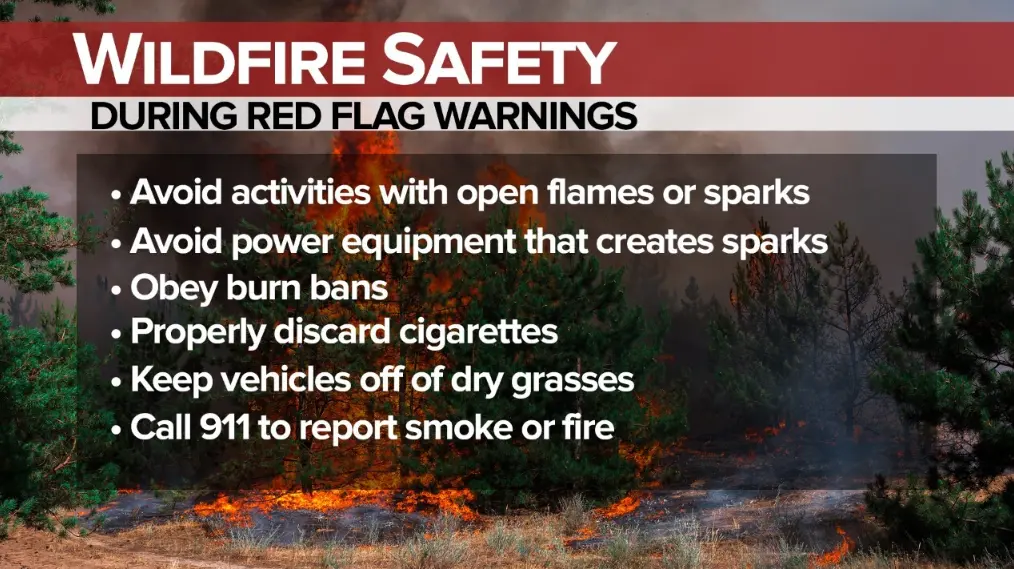
Prevention starts with responsible behaviors: never leave campfires unattended, properly dispose of cigarette butts, and avoid outdoor burning during high-risk periods. Stay informed by monitoring weather forecasts, fire danger ratings, and local alerts from agencies like the National Weather Service or your state’s forestry department.
In the event of a wildfire, prepare an emergency kit with essentials like water, non-perishable food, medications, a first-aid kit, and important documents. Develop and practice an evacuation plan with your family, identifying multiple escape routes and a safe meeting point. If a fire approaches, follow evacuation orders immediately—do not wait for visible flames. Wear protective clothing, such as long sleeves and pants, and use a mask to avoid smoke inhalation.
After a wildfire, be cautious of hazards like unstable trees, ash pits, and contaminated water sources. Report any lingering fires or suspicious activity to authorities, and participate in community recovery efforts to restore affected areas. By prioritizing vigilance and preparation, you can significantly reduce the dangers posed by wildfires.
Table of Contents
- Part 1: OnlineExamMaker AI Quiz Maker – Make A Free Quiz in Minutes
- Part 2: 20 Wildfire Safety Quiz Questions & Answers
- Part 3: AI Question Generator – Automatically Create Questions for Your Next Assessment
Part 1: OnlineExamMaker AI Quiz Maker – Make A Free Quiz in Minutes
Still spend a lot of time in editing questions for your next Wildfire Safety assessment? OnlineExamMaker is an AI quiz maker that leverages artificial intelligence to help users create quizzes, tests, and assessments quickly and efficiently. You can start by inputting a topic or specific details into the OnlineExamMaker AI Question Generator, and the AI will generate a set of questions almost instantly. It also offers the option to include answer explanations, which can be short or detailed, helping learners understand their mistakes.
What you may like:
● Automatic grading and insightful reports. Real-time results and interactive feedback for quiz-takers.
● The exams are automatically graded with the results instantly, so that teachers can save time and effort in grading.
● LockDown Browser to restrict browser activity during quizzes to prevent students searching answers on search engines or other software.
● Create certificates with personalized company logo, certificate title, description, date, candidate’s name, marks and signature.
Automatically generate questions using AI
Part 2: 20 Wildfire Safety Quiz Questions & Answers
or
Question 1:
What is the most effective way to prevent wildfires caused by campfires?
A) Leaving the fire unattended for short periods
B) Completely extinguishing the fire with water and stirring the ashes
C) Building the fire in a windy area for better airflow
D) Covering the fire with leaves to smother it slowly
Answer: B
Explanation: Completely extinguishing the fire with water and stirring the ashes ensures no embers remain, reducing the risk of sparks igniting dry vegetation.
Question 2:
How far should you clear flammable vegetation around your home to create a defensible space?
A) 5 feet
B) 30 feet
C) 100 feet
D) 200 feet
Answer: B
Explanation: Clearing flammable vegetation for at least 30 feet around your home helps slow the spread of fire and gives firefighters a safer area to work.
Question 3:
If a wildfire is approaching and you are instructed to evacuate, what should you do first?
A) Gather valuables from your home
B) Follow the evacuation route immediately
C) Turn off all utilities like gas and electricity
D) Wait for more updates before leaving
Answer: B
Explanation: Following the evacuation route immediately saves lives, as wildfires can spread rapidly; turning off utilities can be done if time allows, but evacuation is priority.
Question 4:
What is the best material for roofing to reduce wildfire risk?
A) Wood shingles
B) Clay or metal tiles
C) Straw thatch
D) Asphalt shingles
Answer: B
Explanation: Clay or metal tiles are non-combustible and less likely to catch fire, providing a barrier against embers compared to flammable materials like wood or straw.
Question 5:
During a wildfire, why should you avoid parking under trees?
A) Trees provide necessary shade
B) Falling branches from burning trees can damage your vehicle
C) It helps conserve fuel
D) Trees block the wind, making it safer
Answer: B
Explanation: Falling branches from burning trees pose a risk of injury or starting new fires near your vehicle, so parking in open areas is safer.
Question 6:
What should be included in a basic wildfire emergency kit?
A) Extra clothing and non-perishable food
B) Gardening tools and fertilizers
C) Jewelry and cash only
D) Heavy furniture for barricades
Answer: A
Explanation: Extra clothing and non-perishable food are essential for survival during evacuation, providing necessities like warmth and sustenance.
Question 7:
If you live in a wildfire-prone area, how often should you inspect and clean your gutters?
A) Once a year
B) Every 5 years
C) Only after a storm
D) Never, as it’s not necessary
Answer: A
Explanation: Inspecting and cleaning gutters once a year removes leaves and debris that can ignite from embers, reducing the risk of fire spreading to your roof.
Question 8:
What is the primary sign that a wildfire is nearby?
A) A sudden drop in temperature
B) Thick smoke and a red glow on the horizon
C) Heavy rain starting
D) Birds singing loudly
Answer: B
Explanation: Thick smoke and a red glow indicate an active fire, allowing for early detection and prompt action like evacuation.
Question 9:
When using a chainsaw in dry conditions, what safety measure should you take?
A) Operate it near flammable materials
B) Ensure it’s equipped with a spark arrestor
C) Leave the engine running unattended
D) Use gasoline without any additives
Answer: B
Explanation: A spark arrestor on a chainsaw prevents sparks from escaping and igniting dry vegetation, minimizing the risk of starting a wildfire.
Question 10:
Why is it important to have an emergency communication plan for wildfires?
A) To organize neighborhood parties
B) To quickly alert family members and coordinate evacuation
C) To share photos of the fire online
D) To negotiate with firefighters
Answer: B
Explanation: An emergency communication plan ensures everyone knows how to contact each other and follow evacuation procedures, potentially saving lives during chaos.
Question 11:
What type of clothing is safest to wear in areas at high risk for wildfires?
A) Loose, synthetic fabrics
B) Tight-fitting, natural fiber clothes like cotton
C) Baggy clothes made of wool
D) Any old clothes you have
Answer: B
Explanation: Tight-fitting, natural fiber clothes like cotton are less likely to catch fire and melt onto the skin compared to synthetic fabrics, reducing burn injuries.
Question 12:
If a wildfire ember lands on your property, what should you do?
A) Ignore it if it’s small
B) Spray it with water immediately
C) Fan it to see if it grows
D) Cover it with dry leaves
Answer: B
Explanation: Spraying an ember with water extinguishes it quickly, preventing it from igniting nearby materials and spreading the fire.
Question 13:
How can you help protect your pets during a wildfire evacuation?
A) Leave them at home for safety
B) Include them in your evacuation plan with carriers and supplies
C) Release them into the wild
D) Lock them in a shed
Answer: B
Explanation: Including pets in your evacuation plan with carriers and supplies ensures their safety and prevents them from becoming a hazard or getting lost.
Question 14:
What is the role of a firebreak in wildfire safety?
A) It increases fuel for the fire
B) It creates a gap of cleared land to stop fire spread
C) It provides a path for the fire to follow
D) It traps animals in the area
Answer: B
Explanation: A firebreak is a deliberately cleared area that stops or slows the spread of fire by removing potential fuel, giving firefighters an advantage.
Question 15:
Why should you avoid burning yard waste during a high fire danger period?
A) It improves soil quality
B) It can easily get out of control and start a wildfire
C) It’s expensive to do
D) It attracts wildlife
Answer: B
Explanation: Burning yard waste during high fire danger can produce sparks that ignite surrounding dry vegetation, leading to uncontrolled wildfires.
Question 16:
In a wildfire situation, what does the term ” ember attack” mean?
A) A direct assault by flames
B) Small burning particles carried by wind that can start spot fires
C) An organized fire drill
D) Rain putting out embers
Answer: B
Explanation: An ember attack involves hot particles traveling ahead of the main fire, which can ignite new areas, so preparing your home against them is crucial.
Question 17:
What is the best way to stay informed about wildfire risks in your area?
A) Relying on social media rumors
B) Signing up for official alerts from local authorities
C) Watching TV shows about nature
D) Asking neighbors casually
Answer: B
Explanation: Official alerts from local authorities provide accurate, timely information on wildfire risks, enabling proactive safety measures.
Question 18:
After a wildfire has passed, why should you wear protective gear when returning home?
A) To look stylish
B) To avoid hazards like hot spots, ash, and unstable structures
C) To keep warm
D) To impress visitors
Answer: B
Explanation: Protective gear guards against hazards such as hot spots that can reignite, toxic ash, and weakened structures that might collapse.
Question 19:
What should you do if you discover a small wildfire while hiking?
A) Try to put it out yourself
B) Report it to authorities and move to a safe distance
C) Add more fuel to signal for help
D) Ignore it and continue hiking
Answer: B
Explanation: Reporting a small wildfire to authorities ensures professional response, as attempting to extinguish it alone can be dangerous and ineffective.
Question 20:
How does planting fire-resistant plants around your home improve wildfire safety?
A) They attract more wildlife
B) They are less likely to burn and can act as a buffer zone
C) They require more water, preventing dryness
D) They grow quickly to cover the ground
Answer: B
Explanation: Fire-resistant plants are less flammable and can slow the spread of fire, creating a buffer zone that protects your home from direct exposure.
or
Part 3: AI Question Generator – Automatically Create Questions for Your Next Assessment
Automatically generate questions using AI