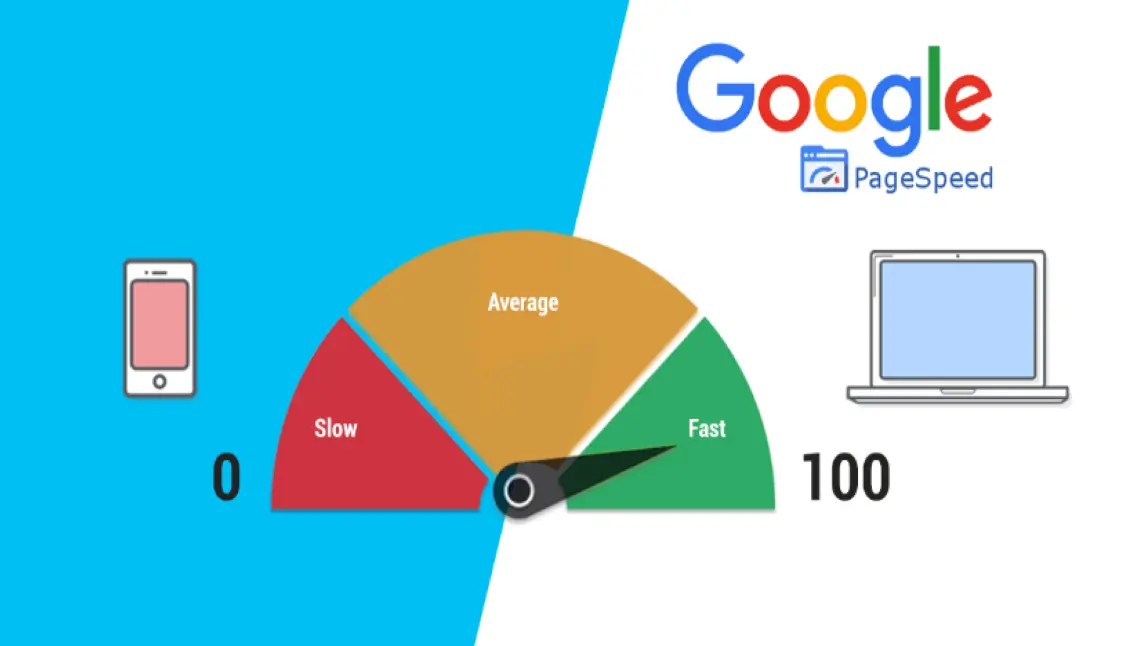
Google PageSpeed Insights is a free online tool developed by Google that analyzes the performance of web pages on both desktop and mobile devices. It measures key metrics such as page load time, interactive readiness, and visual stability, assigning a score out of 100 based on Core Web Vitals. The tool provides actionable recommendations to optimize website speed, including suggestions for image compression, code minification, server response improvements, and leveraging browser caching. By enhancing page speed, it helps improve user experience, boost search engine rankings, and reduce bounce rates, making it essential for web developers and site owners aiming for faster, more efficient websites.
Table of Contents
- Part 1: OnlineExamMaker AI Quiz Maker – Make A Free Quiz in Minutes
- Part 2: 20 Google Pagespeed Quiz Questions & Answers
- Part 3: Automatically Generate Quiz Questions Using AI Question Generator
Part 1: OnlineExamMaker AI Quiz Maker – Make A Free Quiz in Minutes
What’s the best way to create a Google Pagespeed quiz online? OnlineExamMaker is the best AI quiz making software for you. No coding, and no design skills required. If you don’t have the time to create your online quiz from scratch, you are able to use OnlineExamMaker AI Question Generator to create question automatically, then add them into your online assessment. What is more, the platform leverages AI proctoring and AI grading features to streamline the process while ensuring exam integrity.
Key features of OnlineExamMaker:
● Create up to 10 question types, including multiple-choice, true/false, fill-in-the-blank, matching, short answer, and essay questions.
● Build and store questions in a centralized portal, tagged by categories and keywords for easy reuse and organization.
● Automatically scores multiple-choice, true/false, and even open-ended/audio responses using AI, reducing manual work.
● Create certificates with personalized company logo, certificate title, description, date, candidate’s name, marks and signature.
Automatically generate questions using AI
Part 2: 20 Google Pagespeed Quiz Questions & Answers
or
1. Question: What does LCP stand for in Google PageSpeed metrics?
Options:
A) Largest Contentful Paint
B) Load Content Page
C) Last Content Paint
D) Largest Cached Paint
Correct Answer: A
Explanation: LCP measures the time it takes for the largest content element in the viewport to become visible, indicating perceived load speed to users.
2. Question: Which of the following is a Core Web Vital metric?
Options:
A) First Input Delay
B) Page Weight
C) HTTP Requests
D) Cache Size
Correct Answer: A
Explanation: First Input Delay (FID) is one of the Core Web Vitals, measuring the time from user interaction to the browser’s response, reflecting interactivity.
3. Question: How can you reduce Cumulative Layout Shift (CLS)?
Options:
A) By adding dimensions to images and videos
B) By increasing page load time
C) By removing all CSS
D) By disabling JavaScript
Correct Answer: A
Explanation: Specifying dimensions for images and videos prevents unexpected layout shifts, as the browser reserves space in advance.
4. Question: What is the primary benefit of using a Content Delivery Network (CDN) in PageSpeed optimization?
Options:
A) Reduces latency by serving content from nearby servers
B) Increases server response time
C) Eliminates the need for HTTPS
D) Adds more HTTP requests
Correct Answer: A
Explanation: CDNs distribute content across global servers, minimizing the distance data travels and thus reducing load times.
5. Question: Which technique helps eliminate render-blocking resources?
Options:
A) Asynchronous loading of CSS and JavaScript
B) Increasing file sizes
C) Adding more images
D) Using synchronous scripts
Correct Answer: A
Explanation: Asynchronous loading allows the page to render without waiting for non-critical resources, improving First Contentful Paint (FCP).
6. Question: What does Time to Interactive (TTI) measure?
Options:
A) The time when the page is fully interactive
B) The total page size
C) The number of images on a page
D) Server uptime
Correct Answer: A
Explanation: TTI measures the time it takes for the page to become reliably interactive, meaning users can engage without delays.
7. Question: How does image compression affect PageSpeed?
Options:
A) It reduces file sizes, speeding up load times
B) It increases file sizes, slowing down the page
C) It has no effect on load times
D) It only works on mobile devices
Correct Answer: A
Explanation: Compressing images decreases their size without losing quality, leading to faster downloads and better performance scores.
8. Question: What is the recommended maximum for Largest Contentful Paint (LCP) according to Google?
Options:
A) Under 2.5 seconds
B) Under 10 seconds
C) Over 5 seconds
D) Exactly 1 second
Correct Answer: A
Explanation: Google recommends LCP under 2.5 seconds for a good user experience, as it reflects how quickly the main content loads.
9. Question: Which of the following improves First Contentful Paint (FCP)?
Options:
A) Minifying HTML, CSS, and JavaScript
B) Adding unnecessary scripts
C) Using unoptimized fonts
D) Increasing page redirects
Correct Answer: A
Explanation: Minification removes unnecessary characters from code, reducing file sizes and allowing faster rendering of the first content.
10. Question: What role does browser caching play in PageSpeed?
Options:
A) It stores resources locally for quicker future loads
B) It disables all images on repeat visits
C) It increases data transfer
D) It only works for new users
Correct Answer: A
Explanation: Proper caching lets browsers reuse resources from previous visits, reducing server requests and improving load times.
11. Question: How can you optimize for mobile devices in Google PageSpeed?
Options:
A) Using responsive design and AMP
B) Disabling touch events
C) Increasing font sizes only on desktop
D) Avoiding HTTPS
Correct Answer: A
Explanation: Responsive design and Accelerated Mobile Pages (AMP) ensure fast loading and proper layout on mobile, enhancing user experience.
12. Question: What is the impact of third-party scripts on PageSpeed?
Options:
A) They can slow down the page due to additional requests
B) They always speed up the page
C) They eliminate the need for CSS
D) They reduce image sizes
Correct Answer: A
Explanation: Third-party scripts often add extra HTTP requests and execution time, which can delay page rendering and interactivity.
13. Question: Which metric is affected by server response times?
Options:
A) Time to First Byte (TTFB)
B) Total page views
C) Number of links
D) CSS file names
Correct Answer: A
Explanation: TTFB measures the time for the server to respond, directly influencing overall page load speed and Core Web Vitals.
14. Question: What does lazy loading primarily help with?
Options:
A) Loading images only when they enter the viewport
B) Loading all content at once
C) Increasing initial page weight
D) Disabling JavaScript
Correct Answer: A
Explanation: Lazy loading defers off-screen content loading until needed, reducing initial load time and improving FCP.
15. Question: How does enabling HTTPS affect PageSpeed?
Options:
A) It can slightly increase load time but is essential for security
B) It always halves the page speed
C) It removes all caching
D) It has no effect on performance
Correct Answer: A
Explanation: While HTTPS adds a small overhead, modern servers handle it efficiently, and it’s crucial for secure connections without major speed impacts.
16. Question: What is the best practice for reducing the number of HTTP requests?
Options:
A) Combining multiple CSS or JS files into one
B) Adding more separate files
C) Using inline styles for everything
D) Increasing image resolutions
Correct Answer: A
Explanation: Consolidating files minimizes requests, which is a key factor in faster page loads as per PageSpeed Insights.
17. Question: Which tool is used to audit PageSpeed?
Options:
A) Google PageSpeed Insights
B) Microsoft Word
C) Adobe Photoshop
D) Windows Explorer
Correct Answer: A
Explanation: Google PageSpeed Insights analyzes URLs and provides recommendations to improve speed based on real-world data.
18. Question: How does removing unused CSS improve performance?
Options:
A) It reduces the file size, leading to faster downloads
B) It increases the file size
C) It adds more JavaScript
D) It only affects desktop users
Correct Answer: A
Explanation: Eliminating unused CSS trims down the stylesheet, shortening load times and optimizing render performance.
19. Question: What is the goal of optimizing for First Meaningful Paint (FMP)?
Options:
A) To show users meaningful content quickly
B) To delay all content loading
C) To increase blank screen time
D) To prioritize ads over content
Correct Answer: A
Explanation: FMP focuses on rendering the primary content of the page promptly, enhancing perceived speed and user satisfaction.
20. Question: Why is it important to test PageSpeed on real devices?
Options:
A) To account for varying network conditions and hardware
B) To ignore mobile users
C) To focus only on desktop metrics
D) To avoid using tools like Lighthouse
Correct Answer: A
Explanation: Real-device testing simulates actual user environments, providing accurate insights into performance across different speeds and devices.
or
Part 3: Automatically generate quiz questions using OnlineExamMaker AI Question Generator
Automatically generate questions using AI