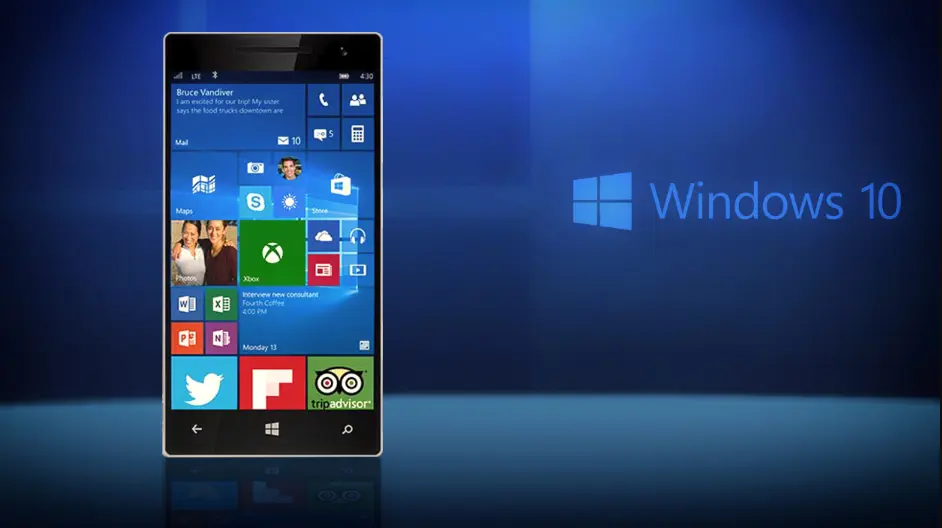
Microsoft Windows Mobile was a mobile operating system developed by Microsoft, initially launched in 2000 as Pocket PC 2000. It was designed for smartphones and personal digital assistants (PDAs), offering a Windows-like interface adapted for smaller screens, with features such as stylus or touchscreen input, email synchronization, and mobile versions of Microsoft Office applications like Word, Excel, and Outlook.
The OS evolved through several versions, including Windows Mobile 5, 6, and 6.5, emphasizing productivity for business users with capabilities like push email, calendar integration, and secure data management. It supported third-party apps via the Windows Mobile Marketplace and included hardware features like Bluetooth, Wi-Fi, and GPS.
Windows Mobile gained popularity in enterprise settings due to its compatibility with Windows desktops, but it struggled against competitors like Apple’s iOS and Google’s Android, which offered more intuitive interfaces and larger app ecosystems. Microsoft discontinued Windows Mobile in 2010, transitioning to Windows Phone, and later ended support for its successors, marking the end of this era in mobile computing.
Table of Contents
- Part 1: Create An Amazing Microsoft Windows Mobile Quiz Using AI Instantly in OnlineExamMaker
- Part 2: 20 Microsoft Windows Mobile Quiz Questions & Answers
- Part 3: OnlineExamMaker AI Question Generator: Generate Questions for Any Topic
Part 1: Create An Amazing Microsoft Windows Mobile Quiz Using AI Instantly in OnlineExamMaker
Nowadays more and more people create Microsoft Windows Mobile quizzes using AI technologies, OnlineExamMaker a powerful AI-based quiz making tool that can save you time and efforts. The software makes it simple to design and launch interactive quizzes, assessments, and surveys. With the Question Editor, you can create multiple-choice, open-ended, matching, sequencing and many other types of questions for your tests, exams and inventories. You are allowed to enhance quizzes with multimedia elements like images, audio, and video to make them more interactive and visually appealing.
Recommended features for you:
● Prevent cheating by randomizing questions or changing the order of questions, so learners don’t get the same set of questions each time.
● Automatically generates detailed reports—individual scores, question report, and group performance.
● Simply copy a few lines of codes, and add them to a web page, you can present your online quiz in your website, blog, or landing page.
● Offers question analysis to evaluate question performance and reliability, helping instructors optimize their training plan.
Automatically generate questions using AI
Part 2: 20 Microsoft Windows Mobile Quiz Questions & Answers
or
Question 1: What was the primary target audience for Windows Mobile devices?
A) Desktop users
B) Business professionals and enterprise users
C) Gamers
D) Children and education
Answer: B
Explanation: Windows Mobile was designed primarily for business professionals, offering features like email synchronization, document editing, and secure access to corporate networks.
Question 2: Which company developed Windows Mobile?
A) Apple
B) Google
C) Microsoft
D) Nokia
Answer: C
Explanation: Microsoft developed Windows Mobile as a mobile operating system, building on its Windows CE foundation to compete in the smartphone market.
Question 3: What year was Windows Mobile 6 released?
A) 2005
B) 2007
C) 2010
D) 2012
Answer: B
Explanation: Windows Mobile 6 was released in 2007, introducing improvements in messaging, multimedia, and integration with Microsoft Office applications.
Question 4: Which feature allowed Windows Mobile devices to synchronize with a PC?
A) iTunes Sync
B) ActiveSync
C) Google Sync
D) Bluetooth Transfer
Answer: B
Explanation: ActiveSync was a key feature of Windows Mobile that enabled users to synchronize emails, contacts, calendars, and files with a Windows PC seamlessly.
Question 5: What was the successor to Windows Mobile?
A) Android OS
B) Windows Phone
C) iOS
D) BlackBerry OS
Answer: B
Explanation: Windows Phone was the direct successor to Windows Mobile, launched by Microsoft to modernize its mobile platform with a new interface and app ecosystem.
Question 6: Which programming language was commonly used for developing apps on Windows Mobile?
A) Swift
B) Java
C) C# or Visual Basic .NET
D) Python
Answer: C
Explanation: Windows Mobile apps were often developed using C# or Visual Basic .NET through the .NET Compact Framework, which was integrated into the platform.
Question 7: What type of touchscreen did early Windows Mobile devices use?
A) Capacitive multi-touch
B) Resistive single-touch
C) OLED
D) Infrared
Answer: B
Explanation: Early Windows Mobile devices primarily used resistive touchscreens, which required pressure to register input and were common in business-oriented hardware.
Question 8: Which Windows Mobile version introduced support for Office Mobile?
A) Windows Mobile 2003
B) Windows Mobile 5.0
C) Windows Mobile 6.5
D) Windows Mobile 7
Answer: A
Explanation: Windows Mobile 2003 was the first version to include Office Mobile, allowing users to view and edit Office documents directly on their devices.
Question 9: How did Windows Mobile handle multitasking compared to modern smartphones?
A) It did not support multitasking
B) It supported basic multitasking with limitations
C) It had full app switching like iOS
D) It relied on cloud-based multitasking
Answer: B
Explanation: Windows Mobile supported basic multitasking, allowing users to switch between applications, but it was less efficient and resource-heavy compared to later systems.
Question 10: What was a common hardware requirement for Windows Mobile devices?
A) At least 1 TB storage
B) ARM or x86 processors
C) Only Intel chips
D) Bluetooth 5.0
Answer: B
Explanation: Windows Mobile devices typically used ARM or x86 processors, making them compatible with a range of hardware from smartphones to PDAs.
Question 11: Which app store was associated with Windows Mobile?
A) Google Play Store
B) Windows Marketplace for Mobile
C) App Store
D) BlackBerry World
Answer: B
Explanation: Windows Marketplace for Mobile was the official app store for Windows Mobile and later Windows Phone, allowing users to download applications.
Question 12: What security feature was prominent in Windows Mobile for enterprise use?
A) Face ID
B) Remote Wipe
C) Augmented Reality Lock
D) Virtual Assistant
Answer: B
Explanation: Remote Wipe allowed IT administrators to erase data on lost or stolen Windows Mobile devices, enhancing security for business environments.
Question 13: Which version of Windows Mobile introduced Windows Media Player Mobile?
A) Windows Mobile 2000
B) Windows Mobile 5.0
C) Windows Mobile 6.0
D) Windows Mobile 2003
Answer: D
Explanation: Windows Mobile 2003 introduced Windows Media Player Mobile, enabling users to play music and videos directly on their devices.
Question 14: How did Windows Mobile integrate with Microsoft Exchange?
A) Through third-party apps only
B) Native support for email and calendar sync
C) It did not integrate at all
D) Via Android compatibility
Answer: B
Explanation: Windows Mobile had native integration with Microsoft Exchange, providing seamless synchronization of emails, contacts, and calendars for corporate users.
Question 15: What was the maximum screen resolution supported by most Windows Mobile devices?
A) 4K Ultra HD
B) 800×480 pixels
C) 1920×1080 pixels
D) 640×480 pixels
Answer: B
Explanation: Most Windows Mobile devices supported resolutions up to 800×480 pixels, which was standard for the era’s smartphones and PDAs.
Question 16: Which operating system influenced the user interface of Windows Mobile?
A) macOS
B) Palm OS
C) Windows CE
D) Linux
Answer: C
Explanation: Windows Mobile was built on Windows CE, which influenced its interface with a tile-based and menu-driven design adapted for mobile devices.
Question 17: What made Windows Mobile popular in the enterprise sector?
A) Gaming capabilities
B) Integration with Microsoft software
C) Social media features
D) High-end camera support
Answer: B
Explanation: Its deep integration with Microsoft Office, Exchange, and Active Directory made Windows Mobile a preferred choice for enterprise productivity and management.
Question 18: Which file system was commonly used in Windows Mobile devices?
A) FAT32
B) ext4
C) HFS+
D) NTFS
Answer: A
Explanation: Windows Mobile devices typically used the FAT32 file system, which was compatible with Windows PCs and supported by the underlying Windows CE.
Question 19: What was a limitation of Windows Mobile compared to competitors like iOS?
A) Better battery life
B) Limited app ecosystem and hardware variety
C) Faster processors
D) More frequent updates
Answer: B
Explanation: Windows Mobile had a smaller app ecosystem and less hardware variety compared to iOS, which affected its market competitiveness.
Question 20: When was Windows Mobile officially discontinued?
A) 2010
B) 2013
C) 2019
D) 2022
Answer: C
Explanation: Microsoft officially ended support for Windows Mobile in 2019, shifting focus to Windows 10 Mobile and eventually other platforms.
or
Part 3: OnlineExamMaker AI Question Generator: Generate Questions for Any Topic
Automatically generate questions using AI