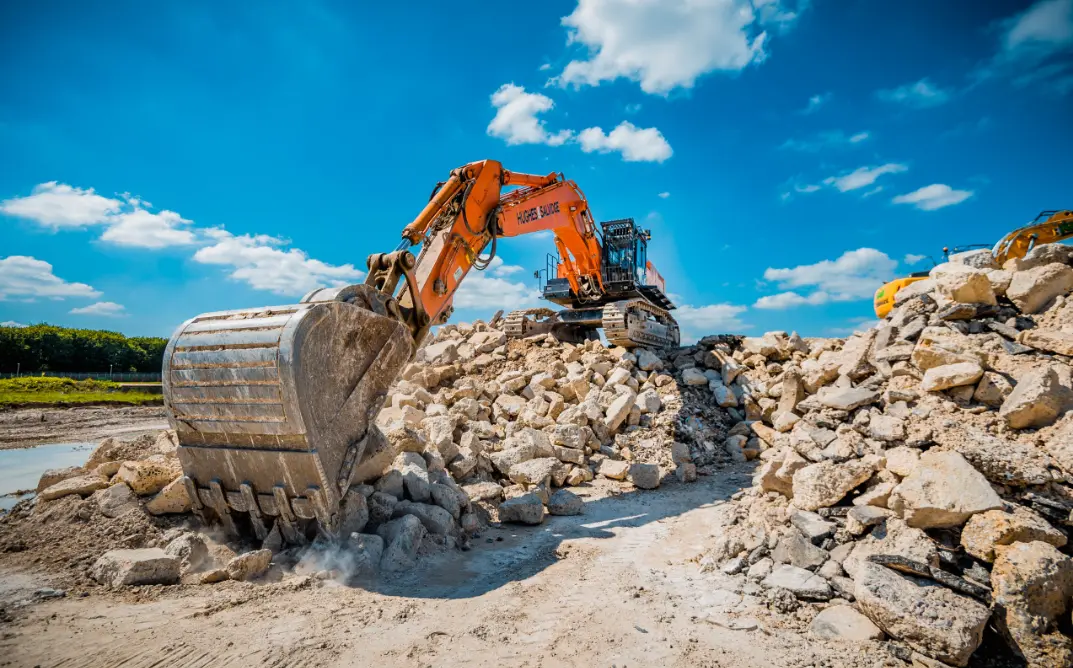
Quarrying is the process of extracting rocks, sand, gravel, and other minerals from the earth’s surface, typically for use in construction, manufacturing, and infrastructure development. It involves several key stages: site selection based on geological surveys, preparation through clearing vegetation and drilling, extraction via methods like blasting or mechanical digging, and processing to sort and crush materials into usable sizes.
The industry plays a vital role in the global economy, supplying raw materials for roads, buildings, and aggregates. Common types include open-pit quarrying for surface deposits and underground quarrying for deeper resources. However, it poses environmental challenges such as habitat disruption, soil erosion, noise pollution, and water contamination, necessitating strict regulations and sustainable practices like reclamation and rehabilitation of sites.
Quarrying operations must balance productivity with safety and environmental standards, often involving advanced technologies like GPS-guided machinery and dust suppression systems to minimize impacts. Globally, the sector contributes significantly to employment and GDP, with major regions including Asia, Europe, and North America leading in production and innovation.
Table of Contents
- Part 1: Create A Quarrying Quiz in Minutes Using AI with OnlineExamMaker
- Part 2: 20 Quarrying Quiz Questions & Answers
- Part 3: Automatically Generate Quiz Questions Using AI Question Generator
Part 1: Create A Quarrying Quiz in Minutes Using AI with OnlineExamMaker
When it comes to ease of creating a Quarrying skills assessment, OnlineExamMaker is one of the best AI-powered quiz making software for your institutions or businesses. With its AI Question Generator, just upload a document or input keywords about your assessment topic, you can generate high-quality quiz questions on any topic, difficulty level, and format.
Overview of its key assessment-related features:
● AI Question Generator to help you save time in creating quiz questions automatically.
● Share your online exam with audiences on social platforms like Facebook, Twitter, Reddit and more.
● Instantly scores objective questions and subjective answers use rubric-based scoring for consistency.
● Simply copy and insert a few lines of embed codes to display your online exams on your website or WordPress blog.
Automatically generate questions using AI
Part 2: 20 Quarrying Quiz Questions & Answers
or
1. Question: What is quarrying?
A) The process of drilling for oil
B) The extraction of stone or minerals from the earth’s surface
C) Farming on rocky terrain
D) Underwater mining
Answer: B
Explanation: Quarrying involves removing rocks, sand, or minerals from the ground, typically for construction materials, and it differs from other mining methods by being open to the surface.
2. Question: Which of the following is a common type of quarry?
A) Coal mine
B) Limestone quarry
C) Oil rig
D) Gemstone cave
Answer: B
Explanation: Limestone quarries are prevalent for producing materials like cement and aggregate, as they involve surface extraction of sedimentary rock.
3. Question: What is the primary environmental concern associated with quarrying?
A) Overfishing
B) Habitat destruction and soil erosion
C) Air pollution from factories
D) Deforestation in rainforests
Answer: B
Explanation: Quarrying can lead to loss of biodiversity, landscape alteration, and erosion, making it a significant environmental issue.
4. Question: Which equipment is most commonly used in quarrying for breaking rocks?
A) Bulldozer
B) Explosives or blasting tools
C) Combine harvester
D) Fishing net
Answer: B
Explanation: Explosives are used to fragment large rock masses, making it easier to extract and transport materials in quarrying operations.
5. Question: How does quarrying differ from underground mining?
A) It requires more water
B) It is conducted on the surface
C) It involves deeper tunnels
D) It produces less waste
Answer: B
Explanation: Quarrying is an open-pit process on the earth’s surface, whereas underground mining involves tunnels and shafts below the ground.
6. Question: What is the main economic benefit of quarrying?
A) Generating renewable energy
B) Providing raw materials for construction and industry
C) Promoting tourism
D) Creating agricultural land
Answer: B
Explanation: Quarrying supplies essential materials like gravel and stone, which drive economic growth in construction and manufacturing sectors.
7. Question: Which safety measure is essential in quarrying sites?
A) Using flammable materials
B) Wearing protective gear like helmets and vests
C) Ignoring warning signs
D) Working without supervision
Answer: B
Explanation: Protective gear reduces risks from falling rocks, machinery accidents, and dust, ensuring worker safety in hazardous environments.
8. Question: What byproduct is often produced during quarrying?
A) Fresh water
B) Waste rock or overburden
C) Fertile soil
D) Natural gas
Answer: B
Explanation: Overburden, or the soil and rock removed to access minerals, is a common byproduct that must be managed to minimize environmental impact.
9. Question: In quarrying, what does “blasting” refer to?
A) Cleaning the site
B) Using explosives to break rock
C) Transporting materials
D) Planting vegetation
Answer: B
Explanation: Blasting is a controlled explosion technique used to fracture and remove large volumes of rock efficiently in quarrying.
10. Question: Which factor can lead to the closure of a quarry?
A) Increased demand for materials
B) Depletion of resources or regulatory restrictions
C) Expansion of urban areas
D) Better weather conditions
Answer: B
Explanation: Quarries may close due to exhausted mineral deposits or environmental regulations that prioritize conservation and safety.
11. Question: What is reclamation in the context of quarrying?
A) Extracting more resources
B) Restoring the land after operations end
C) Building new roads
D) Increasing production
Answer: B
Explanation: Reclamation involves rehabilitating the site by planting vegetation or creating new land uses to mitigate long-term environmental damage.
12. Question: Which rock type is most commonly quarried for building stones?
A) Granite
B) Coal
C) Shale
D) Sandstone
Answer: A
Explanation: Granite is durable and widely used for construction, making it a primary target in many quarrying operations.
13. Question: How does quarrying impact local water sources?
A) It purifies water
B) It can cause contamination or depletion
C) It increases rainfall
D) It creates new rivers
Answer: B
Explanation: Quarrying activities may pollute water with chemicals or reduce groundwater levels through excavation and runoff.
14. Question: What is the role of a geologist in quarrying?
A) Operating machinery
B) Assessing rock quality and site suitability
C) Selling products
D) Managing finances
Answer: B
Explanation: Geologists evaluate the geological features to ensure the quarry is viable and to identify potential hazards.
15. Question: Which method is used to transport quarried materials?
A) Pipelines
B) Conveyor belts or trucks
C) Submarines
D) Airplanes
Answer: B
Explanation: Conveyor belts and trucks are efficient for moving heavy materials from the quarry site to processing or distribution points.
16. Question: What is an aggregate in quarrying?
A) A type of explosive
B) Crushed stone or gravel used in construction
C) A safety device
D) A plant species
Answer: B
Explanation: Aggregates are fundamental materials produced from quarrying, used in concrete, roads, and other infrastructure.
17. Question: Why is dust suppression important in quarrying?
A) To enhance visibility for workers
B) To prevent health issues and equipment damage
C) To speed up extraction
D) To attract wildlife
Answer: B
Explanation: Dust from quarrying can cause respiratory problems and machinery wear, so suppression techniques like water sprays are vital.
18. Question: What regulatory body often oversees quarrying operations?
A) Environmental protection agencies
B) Sports organizations
C) Educational boards
D) Food safety inspectors
Answer: A
Explanation: Agencies enforce laws on environmental impact, worker safety, and sustainable practices in quarrying.
19. Question: How can quarrying contribute to sustainable development?
A) By ignoring local communities
B) Through efficient resource use and site restoration
C) By increasing waste production
D) By halting all operations
Answer: B
Explanation: Sustainable quarrying involves minimizing waste, reusing materials, and restoring sites to support long-term environmental and economic benefits.
20. Question: What is the typical depth of a quarry?
A) Over 1,000 meters
B) Varies, but often less than 100 meters
C) Exactly 500 meters
D) No specific depth
Answer: B
Explanation: Quarries are generally shallow due to their surface-based operations, unlike deep underground mines, to keep extraction cost-effective.
or
Part 3: Automatically generate quiz questions using OnlineExamMaker AI Question Generator
Automatically generate questions using AI