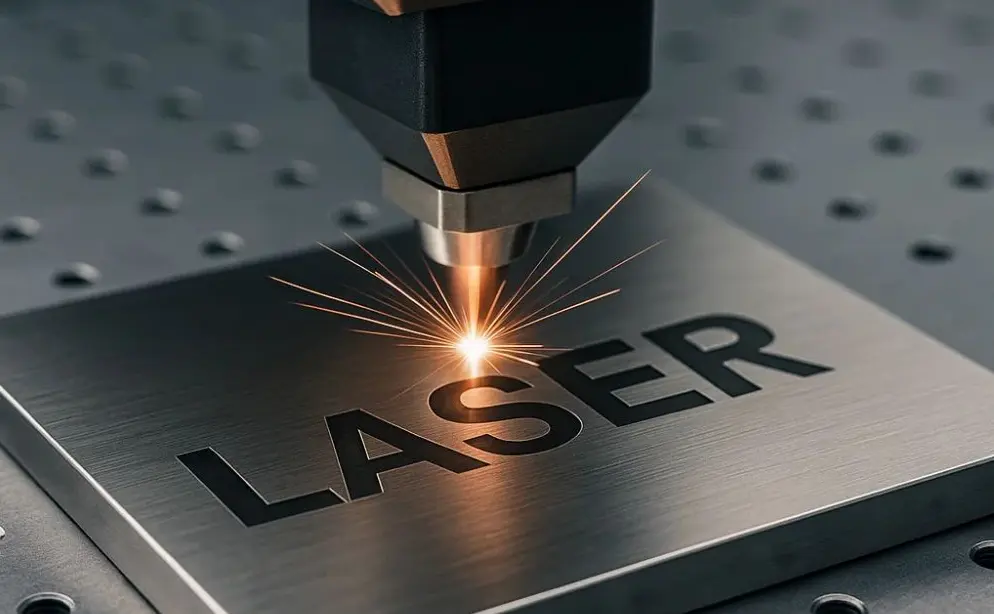
Engraving is an ancient and precise art form that involves incising designs, images, or text into a hard surface such as metal, wood, glass, or stone. Using specialized tools like burins or gravers, artists carefully carve lines and patterns, creating intricate details that can be inked for printing or left as standalone works. This technique has been employed for centuries in fields like jewelry making, book illustration, currency production, and decorative arts, valued for its durability, elegance, and ability to capture fine textures and shading. From historical artifacts like engraved seals in ancient civilizations to modern applications in laser engraving technology, it remains a testament to human craftsmanship and creativity.
Table of Contents
- Part 1: Create An Amazing Engraving Quiz Using AI Instantly in OnlineExamMaker
- Part 2: 20 Engraving Quiz Questions & Answers
- Part 3: Save Time and Energy: Generate Quiz Questions with AI Technology
Part 1: Create An Amazing Engraving Quiz Using AI Instantly in OnlineExamMaker
The quickest way to assess the Engraving knowledge of candidates is using an AI assessment platform like OnlineExamMaker. With OnlineExamMaker AI Question Generator, you are able to input content—like text, documents, or topics—and then automatically generate questions in various formats (multiple-choice, true/false, short answer). Its AI Exam Grader can automatically grade the exam and generate insightful reports after your candidate submit the assessment.
Overview of its key assessment-related features:
● Create up to 10 question types, including multiple-choice, true/false, fill-in-the-blank, matching, short answer, and essay questions.
● Automatically generates detailed reports—individual scores, question report, and group performance.
● Instantly scores objective questions and subjective answers use rubric-based scoring for consistency.
● API and SSO help trainers integrate OnlineExamMaker with Google Classroom, Microsoft Teams, CRM and more.
Automatically generate questions using AI
Part 2: 20 Engraving Quiz Questions & Answers
or
1. Question: What is the primary technique used in intaglio engraving?
Options:
A) Cutting into a surface to hold ink
B) Applying ink to a raised surface
C) Spraying ink onto paper
D) Using digital software for images
Answer: A
Explanation: Intaglio engraving involves incising lines into a metal plate, which holds ink in the grooves for printing, distinguishing it from relief techniques.
2. Question: Which material is most commonly used for engraving jewelry?
Options:
A) Gold
B) Plastic
C) Wood
D) Fabric
Answer: A
Explanation: Gold is favored for its malleability and durability, allowing detailed engravings that enhance the aesthetic value of jewelry.
3. Question: In the history of engraving, who is credited with popularizing steel engraving in the 19th century?
Options:
A) William Blake
B) Jacob Perkins
C) Albrecht Dürer
D) Rembrandt
Answer: B
Explanation: Jacob Perkins invented a method for hardening steel plates, making steel engraving more practical and widespread for illustrations and banknotes.
4. Question: What is the purpose of burin in engraving?
Options:
A) To apply color
B) To cut lines into metal
C) To polish surfaces
D) To mix inks
Answer: B
Explanation: A burin is a sharp tool used to incise precise lines into materials like metal, essential for creating detailed engravings.
5. Question: Which engraving method involves using a laser?
Options:
A) Hand engraving
B) Laser engraving
C) Etching
D) Woodcut
Answer: B
Explanation: Laser engraving uses a focused beam of light to vaporize material, allowing for precise, contact-free designs on various surfaces.
6. Question: What distinguishes drypoint from other engraving techniques?
Options:
A) It uses acid
B) It creates a burr for soft lines
C) It requires heat
D) It is done on fabric
Answer: B
Explanation: Drypoint involves scratching directly into a plate, raising a burr that holds ink and produces a velvety line, unlike smoother engraving methods.
7. Question: In printmaking, what is an engraving proof?
Options:
A) A final print
B) A test print for quality
C) A digital file
D) A painted version
Answer: B
Explanation: An engraving proof is an early impression pulled from the plate to check the engraving’s quality before full production.
8. Question: Which artist is famous for his engravings of religious scenes in the Renaissance?
Options:
A) Pablo Picasso
B) Albrecht Dürer
C) Vincent van Gogh
D) Claude Monet
Answer: B
Explanation: Albrecht Dürer mastered engraving techniques to create intricate religious works, such as his “Apocalypse” series.
9. Question: What is the main advantage of electro-engraving over traditional methods?
Options:
A) It is cheaper
B) It allows for faster production
C) It uses less material
D) It produces rougher textures
Answer: B
Explanation: Electro-engraving uses electricity to etch designs quickly and uniformly, making it more efficient for mass production.
10. Question: In engraving, what does “hatching” refer to?
Options:
A) Adding color to lines
B) Creating shading with parallel lines
C) Erasing mistakes
D) Sealing the plate
Answer: B
Explanation: Hatching involves drawing closely spaced parallel lines to build up tones and shadows in engravings, enhancing depth.
11. Question: Which type of engraving is typically used for creating banknotes?
Options:
A) Wood engraving
B) Intaglio engraving
C) Linocut
D) Screen printing
Answer: B
Explanation: Intaglio engraving produces raised ink on paper, making it ideal for secure, detailed designs on currency to prevent counterfeiting.
12. Question: What is the role of acid in etching, a form of engraving?
Options:
A) To clean the plate
B) To bite into the metal
C) To add color
D) To dry the ink
Answer: B
Explanation: In etching, acid is applied to exposed areas of a plate to etch or “bite” into the metal, creating the design for printing.
13. Question: Who invented the first practical engraving machine?
Options:
A) Leonardo da Vinci
B) Thomas Edison
C) John Penn
D) Alexander Graham Bell
Answer: C
Explanation: John Penn developed an early engraving machine in the 19th century, automating the process for creating precise engravings on metal.
14. Question: In gemstone engraving, what is “cameo”?
Options:
A) A flat design
B) A raised relief carving
C) A painted stone
D) A broken gem
Answer: B
Explanation: Cameo engraving involves carving a raised design on a gemstone, typically in layers, to create a three-dimensional effect.
15. Question: What material is often used for engraving printing plates?
Options:
A) Copper
B) Glass
C) Rubber
D) Paper
Answer: A
Explanation: Copper is preferred for engraving plates due to its softness, which allows for detailed incisions while holding up to multiple printings.
16. Question: Which engraving technique is known for its use in book illustrations during the 18th century?
Options:
A) Mezzotint
B) Silkscreen
C) Lithography
D) Offset printing
Answer: A
Explanation: Mezzotint engraving was popular for producing tonal images in books, allowing for subtle gradations of light and shadow.
17. Question: What is the primary difference between engraving and embossing?
Options:
A) Engraving uses ink
B) Embossing creates a raised design without ink
C) They are the same
D) Embossing requires acid
Answer: B
Explanation: Engraving incises designs into a surface for ink, while embossing presses material to create a raised effect without necessarily using ink.
18. Question: In modern engraving, what does CNC stand for?
Options:
A) Computer Numerical Control
B) Central Network Cutting
C) Custom Needle Carving
D) Continuous Negative Creation
Answer: A
Explanation: CNC refers to Computer Numerical Control, a technology that automates engraving for precision and repeatability in manufacturing.
19. Question: Which famous engraving depicts the “Four Horsemen of the Apocalypse”?
Options:
A) By Michelangelo
B) By Albrecht Dürer
C) By Goya
D) By Hokusai
Answer: B
Explanation: Albrecht Dürer’s wood engraving series includes the iconic “Four Horsemen,” symbolizing the end times in biblical prophecy.
20. Question: What is the key benefit of using diamond-tipped tools in engraving?
Options:
A) They are inexpensive
B) They provide extreme hardness for detailed work
C) They add color to designs
D) They work only on soft materials
Answer: B
Explanation: Diamond-tipped tools are exceptionally hard, allowing for precise engraving on hard surfaces like glass or metal without wearing down quickly.
or
Part 3: Save Time and Energy: Generate Quiz Questions with AI Technology
Automatically generate questions using AI