Bathroom safety focuses on preventing accidents in a space prone to slips, falls, and other hazards due to water, hard surfaces, and electrical devices. Key risks include:
– Slips and Falls: Wet floors from showers, baths, or spills can lead to injuries, especially for the elderly or children.
– Burns and Scalds: Hot water from taps or heaters can cause severe burns if not properly regulated.
– Drowning: Even in shallow water, such as bathtubs, drowning risks exist for young children or those with mobility issues.
– Electrical Hazards: Poorly installed or exposed wiring near water sources can result in shocks or fires.
– Poisoning: Access to cleaning products, medications, or sharp objects can pose threats if not stored securely.
To enhance safety:
– Install non-slip mats or strips in showers and tubs to reduce slipping.
– Add grab bars near toilets, showers, and baths for support.
– Use temperature-limiting devices on water heaters to prevent scalding (aim for 120°F or 49°C maximum).
– Ensure adequate lighting to avoid tripping in dimly lit areas.
– Store hazardous items like chemicals, razors, and medicines in locked cabinets out of reach.
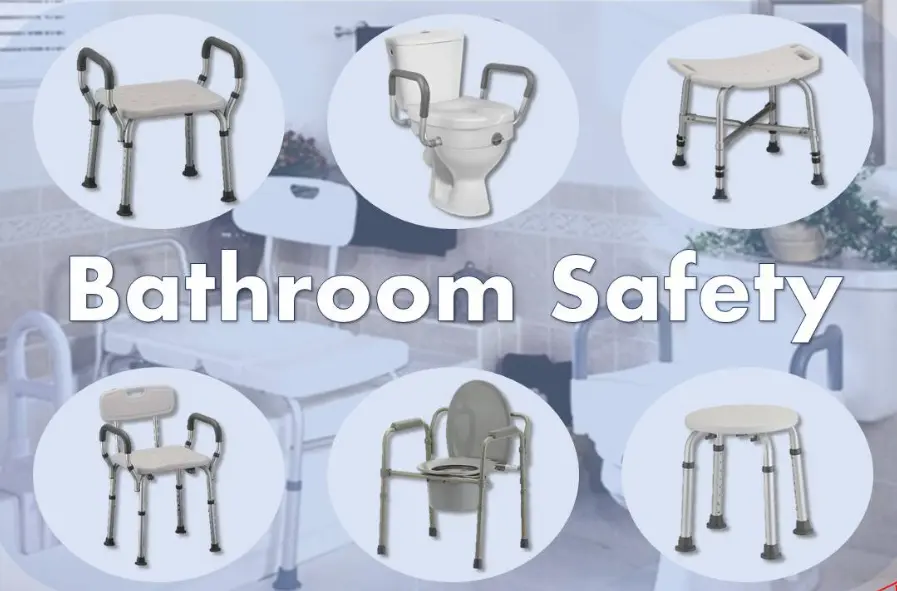
– For homes with vulnerable individuals, consider walk-in showers, raised toilet seats, or emergency alert systems.
Regular maintenance is essential: Check for leaks, clean surfaces to prevent mold, and inspect fixtures for wear. By addressing these elements, bathrooms can become safer environments for all users.
Table of Contents
- Part 1: Best AI Quiz Making Software for Creating A Bathroom Safety Quiz
- Part 2: 20 Bathroom Safety Quiz Questions & Answers
- Part 3: Save Time and Energy: Generate Quiz Questions with AI Technology
Part 1: Best AI Quiz Making Software for Creating A Bathroom Safety Quiz
OnlineExamMaker is a powerful AI-powered assessment platform to create auto-grading Bathroom Safety skills assessments. It’s designed for educators, trainers, businesses, and anyone looking to generate engaging quizzes without spending hours crafting questions manually. The AI Question Generator feature allows you to input a topic or specific details, and it generates a variety of question types automatically.
Top features for assessment organizers:
● Combines AI webcam monitoring to capture cheating activities during online exam.
● Enhances assessments with interactive experience by embedding video, audio, image into quizzes and multimedia feedback.
● Once the exam ends, the exam scores, question reports, ranking and other analytics data can be exported to your device in Excel file format.
● API and SSO help trainers integrate OnlineExamMaker with Google Classroom, Microsoft Teams, CRM and more.
Automatically generate questions using AI
Part 2: 20 Bathroom Safety Quiz Questions & Answers
or
1. Question: What is the primary cause of bathroom slips and falls?
A. Dry floors
B. Wet floors
C. Clean tiles
D. Soft rugs
Answer: B
Explanation: Wet floors reduce traction, making it easy to slip; using non-slip mats or wiping up water immediately can prevent this.
2. Question: Which item should be installed to help elderly individuals get in and out of the bathtub safely?
A. A decorative curtain
B. Grab bars
C. A scented candle
D. A wall mirror
Answer: B
Explanation: Grab bars provide stable support and reduce the risk of falls for those with mobility issues.
3. Question: What is the safest way to store cleaning chemicals in the bathroom?
A. On an open shelf
B. In a locked cabinet out of reach of children
C. Next to the toilet
D. Under the sink without a child lock
Answer: B
Explanation: Storing chemicals in a locked cabinet prevents accidental ingestion or spills, especially by children.
4. Question: Why should electrical outlets in the bathroom be equipped with ground fault circuit interrupters (GFCIs)?
A. To improve lighting
B. To prevent electrical shocks from water exposure
C. To heat the room faster
D. To reduce noise
Answer: B
Explanation: GFCIs shut off power quickly if there’s a ground fault, protecting against shocks in a moist environment like the bathroom.
5. Question: What temperature should hot water be set to in the bathroom to avoid scalding?
A. 140°F (60°C) or higher
B. 120°F (49°C) or lower
C. 100°F (38°C) exactly
D. It doesn’t matter
Answer: B
Explanation: Setting hot water to 120°F or lower prevents burns from accidental contact, as higher temperatures can cause immediate scalding.
6. Question: Which of the following is a safe practice for using a hair dryer in the bathroom?
A. Plug it in near the sink while it’s running
B. Use it only in a dry area away from water
C. Leave it plugged in after use
D. Store it on the edge of the bathtub
Answer: B
Explanation: Keeping electrical devices away from water sources reduces the risk of electrocution or fires.
7. Question: How can you prevent mold growth in the bathroom?
A. Keep the room humid at all times
B. Use exhaust fans during and after showers
C. Leave wet towels on the floor
D. Avoid cleaning the tiles
Answer: B
Explanation: Exhaust fans remove moisture, preventing mold, which can cause health issues like allergies or respiratory problems.
8. Question: What should you do if a child is left unsupervised in the bathroom?
A. Leave the door open
B. Remove them immediately
C. Fill the tub with toys
D. Turn on the hot water
Answer: B
Explanation: Unsupervised children can drown in as little as an inch of water, so constant supervision is essential.
9. Question: Which type of bath mat is safest for preventing slips?
A. A smooth plastic one
B. One with suction cups or non-slip backing
C. A fabric one without grip
D. A thin cloth rag
Answer: B
Explanation: Mats with suction cups or non-slip backing stay in place and provide traction on wet surfaces.
10. Question: Why is it important to have adequate lighting in the bathroom?
A. To make it look stylish
B. To prevent trips and falls by improving visibility
C. To save energy
D. To keep the room warm
Answer: B
Explanation: Good lighting helps identify hazards like wet floors or obstacles, reducing accident risks.
11. Question: What is the best way to store medications in the bathroom?
A. On the counter for easy access
B. In a cool, dry place away from moisture
C. In the medicine cabinet exposed to steam
D. Next to the toilet
Answer: B
Explanation: Bathrooms are humid, which can degrade medications; storing them in a dry area maintains their effectiveness.
12. Question: How should you handle a fall in the bathroom?
A. Ignore it if no injury is visible
B. Check for injuries and seek medical help if needed
C. Continue with daily routines
D. Clean up later
Answer: B
Explanation: Falls can cause hidden injuries like concussions, so immediate assessment is crucial for safety.
13. Question: Which item should not be placed on the edge of the sink or tub?
A. A toothbrush
B. Electrical appliances like a razor
C. Soap
D. Towels
Answer: B
Explanation: Electrical appliances can fall into water, causing shocks; they should be stored safely away from edges.
14. Question: What feature should a safe shower curtain have?
A. Be made of heavy, non-breathable material
B. Be mildew-resistant and easy to clean
C. Block all light
D. Be extremely long
Answer: B
Explanation: Mildew-resistant curtains prevent mold growth and are easier to maintain, reducing health risks.
15. Question: Why should rugs in the bathroom have non-slip backing?
A. For aesthetic reasons
B. To prevent them from sliding and causing falls
C. To absorb more water
D. To make them softer
Answer: B
Explanation: Non-slip backing keeps rugs in place, especially on wet floors, minimizing trip hazards.
16. Question: What is a key step in preventing fires in the bathroom?
A. Store flammable items like aerosols near heat sources
B. Keep flammable items away from heaters or electrical devices
C. Leave candles burning unattended
D. Overload electrical outlets
Answer: B
Explanation: Flammable items near heat can ignite; proper storage reduces fire risks in a confined space.
17. Question: How can you make a bathroom more accessible for someone with disabilities?
A. Add high shelves
B. Install lower handrails and wider doors
C. Remove all mats
D. Use slippery tiles
Answer: B
Explanation: Lower handrails and wider doors accommodate wheelchairs and provide support, enhancing safety.
18. Question: What should you do with sharp objects like razors in the bathroom?
A. Leave them on the counter
B. Store them in a protective case or cabinet
C. Place them in the sink
D. Share them with others
Answer: B
Explanation: Storing sharp objects securely prevents cuts or injuries, especially for children or the elderly.
19. Question: Why is proper ventilation important in the bathroom?
A. To make the room smell better temporarily
B. To reduce moisture and prevent slips from condensation
C. To cool the room quickly
D. To add decoration
Answer: B
Explanation: Good ventilation controls humidity, preventing slippery surfaces and mold that could lead to accidents.
20. Question: What is the safest way to exit the bathtub?
A. Step out quickly without holding anything
B. Use a handrail or grab bar for support
C. Jump out
D. Slide out on the side
Answer: B
Explanation: Using a handrail provides stability and reduces the risk of slipping during exit.
or
Part 3: Save Time and Energy: Generate Quiz Questions with AI Technology
Automatically generate questions using AI