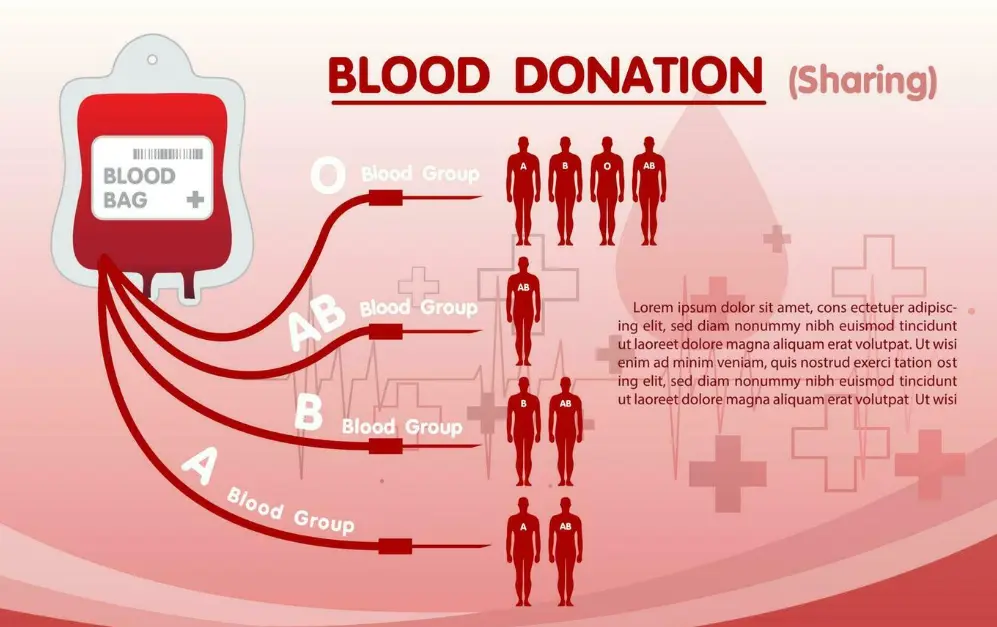
Blood donation safety is a critical aspect of ensuring the health and well-being of both donors and recipients. Before donating, potential donors undergo a thorough screening process, including a review of medical history, vital signs, and blood tests to identify any risks such as infectious diseases or low hemoglobin levels. This helps prevent complications and ensures only eligible individuals participate. During the donation, sterile, single-use equipment is used to minimize infection risks, with trained professionals monitoring the procedure to avoid issues like excessive blood loss or vein damage. Post-donation, donors receive guidance on recovery, including hydration, rest, and watching for symptoms like dizziness. For recipients, donated blood is rigorously tested for pathogens like HIV, hepatitis, and syphilis, and stored under controlled conditions to maintain its quality and safety. Overall, these measures make blood donation a secure process that saves lives while prioritizing everyone’s health.
Table of Contents
- Part 1: OnlineExamMaker – Generate and Share Blood Donation Safety Quiz with AI Automatically
- Part 2: 20 Blood Donation Safety Quiz Questions & Answers
- Part 3: AI Question Generator – Automatically Create Questions for Your Next Assessment
Part 1: OnlineExamMaker – Generate and Share Blood Donation Safety Quiz with AI Automatically
OnlineExamMaker is a powerful AI-powered assessment platform to create auto-grading Blood Donation Safety skills assessments. It’s designed for educators, trainers, businesses, and anyone looking to generate engaging quizzes without spending hours crafting questions manually. The AI Question Generator feature allows you to input a topic or specific details, and it generates a variety of question types automatically.
Top features for assessment organizers:
● Prevent cheating by randomizing questions or changing the order of questions, so learners don’t get the same set of questions each time.
● AI Exam Grader for efficiently grading quizzes and assignments, offering inline comments, automatic scoring, and “fudge points” for manual adjustments.
● Embed quizzes on websites, blogs, or share via email, social media (Facebook, Twitter), or direct links.
● Handles large-scale testing (thousands of exams/semester) without internet dependency, backed by cloud infrastructure.
Automatically generate questions using AI
Part 2: 20 Blood Donation Safety Quiz Questions & Answers
or
1. Question: What is the minimum age requirement for blood donation in most countries?
Options:
A) 16 years
B) 17 years
C) 18 years
D) 21 years
Answer: C) 18 years
Explanation: The minimum age is typically 18 to ensure donors can provide informed consent and understand the process fully.
2. Question: How often can a healthy adult donate whole blood?
Options:
A) Every 2 weeks
B) Every 8 weeks
C) Every 12 weeks
D) Every 6 months
Answer: B) Every 8 weeks
Explanation: This interval allows the body to replenish blood volume and red blood cells safely.
3. Question: What should you do if you have a cold or flu before donating blood?
Options:
A) Donate anyway
B) Take medication and donate
C) Wait until you recover
D) Drink extra fluids and donate
Answer: C) Wait until you recover
Explanation: Donating while ill can risk your health and potentially contaminate the blood supply.
4. Question: Why is it important to drink plenty of fluids before donating blood?
Options:
A) To make blood donation faster
B) To maintain hydration and blood volume
C) To increase blood pressure
D) To thin the blood
Answer: B) To maintain hydration and blood volume
Explanation: Proper hydration helps prevent dizziness and ensures the body can recover quickly after donation.
5. Question: Which of the following is a common screening test for blood donors?
Options:
A) Eye exam
B) HIV test
C) Hearing test
D) Dental check
Answer: B) HIV test
Explanation: Screening for infectious diseases like HIV ensures the safety of the blood supply for recipients.
6. Question: What is the typical weight requirement for blood donation?
Options:
A) At least 40 kg
B) At least 50 kg
C) At least 60 kg
D) At least 70 kg
Answer: B) At least 50 kg
Explanation: This ensures donors have sufficient blood volume and can tolerate the donation process.
7. Question: Why might someone be deferred from donating blood if they have recently traveled?
Options:
A) To avoid jet lag
B) Due to potential exposure to diseases
C) To reduce travel fatigue
D) Because of altitude changes
Answer: B) Due to potential exposure to diseases
Explanation: Travel to certain areas may increase the risk of infections that could affect blood safety.
8. Question: What should you eat before donating blood to ensure safety?
Options:
A) A heavy meal with alcohol
B) A light, balanced meal
C) Nothing at all
D) Only sugary foods
Answer: B) A light, balanced meal
Explanation: A balanced meal helps maintain energy levels and prevents low blood sugar during donation.
9. Question: How long after getting a tattoo can you donate blood?
Options:
A) Immediately
B) 1 month
C) 3 months
D) 6 months
Answer: C) 3 months
Explanation: This waiting period reduces the risk of infection transmission from unsterile equipment.
10. Question: What is the primary purpose of hemoglobin testing before donation?
Options:
A) To check for allergies
B) To ensure adequate iron levels
C) To measure blood pressure
D) To assess heart rate
Answer: B) To ensure adequate iron levels
Explanation: Hemoglobin levels indicate if the donor has enough red blood cells to donate safely.
11. Question: Why is it unsafe to donate blood if you have low blood pressure?
Options:
A) It might cause high blood pressure later
B) It increases the risk of fainting
C) It affects blood storage
D) It makes the blood too thick
Answer: B) It increases the risk of fainting
Explanation: Low blood pressure can lead to inadequate circulation and complications during donation.
12. Question: What post-donation activity should you avoid?
Options:
A) Drinking water
B) Resting for a few minutes
C) Heavy lifting
D) Eating a snack
Answer: C) Heavy lifting
Explanation: Avoiding strenuous activities helps prevent injury and allows the body to recover properly.
13. Question: Which blood type is considered the universal donor?
Options:
A) A positive
B) B negative
C) O negative
D) AB positive
Answer: C) O negative
Explanation: O negative blood can be transfused to most recipients, making it safe for emergency use.
14. Question: How does blood donation help in disease prevention?
Options:
A) By curing the donor’s illnesses
B) Through rigorous screening of donors
C) By increasing the donor’s immunity
D) By storing blood indefinitely
Answer: B) Through rigorous screening of donors
Explanation: Screening ensures that donated blood is free from transmissible diseases, protecting recipients.
15. Question: What is the risk if you donate blood while dehydrated?
Options:
A) Faster recovery
B) Increased energy levels
C) Dizziness or fainting
D) Better blood flow
Answer: C) Dizziness or fainting
Explanation: Dehydration reduces blood volume, which can lead to adverse reactions during or after donation.
16. Question: Why are pregnant women generally not allowed to donate blood?
Options:
A) To avoid weight gain
B) Due to potential health risks for both mother and baby
C) To prevent emotional stress
D) Because blood types change
Answer: B) Due to potential health risks for both mother and baby
Explanation: Donation could lead to anemia or other complications during pregnancy.
17. Question: What should you do if you feel unwell after donating blood?
Options:
A) Ignore it and continue activities
B) Contact the donation center or seek medical help
C) Exercise to feel better
D) Donate blood again
Answer: B) Contact the donation center or seek medical help
Explanation: Prompt medical attention ensures any issues are addressed quickly for safety.
18. Question: How is donor blood stored to maintain safety?
Options:
A) At room temperature
B) In refrigerated conditions
C) In direct sunlight
D) Frozen without labels
Answer: B) In refrigerated conditions
Explanation: Proper refrigeration prevents bacterial growth and maintains blood viability.
19. Question: What is the effect of smoking before blood donation?
Options:
A) It improves blood quality
B) It can reduce oxygen in blood
C) It speeds up the process
D) It has no effect
Answer: B) It can reduce oxygen in blood
Explanation: Smoking may temporarily affect blood oxygen levels, increasing risks during donation.
20. Question: Why is it important to use sterile equipment during blood donation?
Options:
A) To make the process comfortable
B) To prevent infections
C) To collect more blood
D) To test for diseases
Answer: B) To prevent infections
Explanation: Sterile equipment minimizes the risk of transmitting pathogens to the donor or blood supply.
or
Part 3: AI Question Generator – Automatically Create Questions for Your Next Assessment
Automatically generate questions using AI