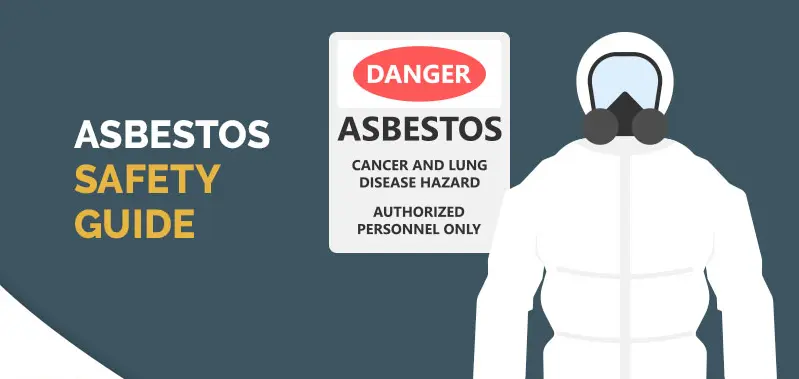
Asbestos is a naturally occurring mineral fiber once widely used in building materials, insulation, and various products due to its heat-resistant properties. However, exposure to asbestos can lead to severe health risks, including lung cancer, mesothelioma, and asbestosis, often from inhaling or ingesting its microscopic fibers. To ensure asbestos safety, it is crucial to identify potential sources in older buildings, such as insulation, roofing, or ceiling tiles, through professional inspections. If asbestos is present, avoid disturbing it; instead, engage certified asbestos abatement professionals for safe removal and disposal. Key safety measures include using protective equipment like respirators and suits, sealing off work areas to prevent fiber spread, and following regulations set by organizations like OSHA or EPA. Regular training, monitoring air quality, and implementing strict workplace protocols are essential for at-risk groups, such as construction workers and maintenance staff, to minimize exposure and protect public health. Always prioritize prevention by opting for asbestos-free alternatives in new constructions and renovations.
Table of Contents
- Part 1: Best AI Quiz Making Software for Creating A Asbestos Safety Quiz
- Part 2: 20 Asbestos Safety Quiz Questions & Answers
- Part 3: AI Question Generator – Automatically Create Questions for Your Next Assessment
Part 1: Best AI Quiz Making Software for Creating A Asbestos Safety Quiz
Nowadays more and more people create Asbestos Safety quizzes using AI technologies, OnlineExamMaker a powerful AI-based quiz making tool that can save you time and efforts. The software makes it simple to design and launch interactive quizzes, assessments, and surveys. With the Question Editor, you can create multiple-choice, open-ended, matching, sequencing and many other types of questions for your tests, exams and inventories. You are allowed to enhance quizzes with multimedia elements like images, audio, and video to make them more interactive and visually appealing.
Take a product tour of OnlineExamMaker:
● Create a question pool through the question bank and specify how many questions you want to be randomly selected among these questions.
● Build and store questions in a centralized portal, tagged by categories and keywords for easy reuse and organization.
● Simply copy a few lines of codes, and add them to a web page, you can present your online quiz in your website, blog, or landing page.
● Randomize questions or change the order of questions to ensure exam takers don’t get the same set of questions each time.
Automatically generate questions using AI
Part 2: 20 Asbestos Safety Quiz Questions & Answers
or
1. What is asbestos primarily composed of?
A. Organic fibers
B. Silicate minerals
C. Metallic compounds
D. Carbon-based materials
Answer: B
Explanation: Asbestos is a group of naturally occurring silicate minerals that form long, thin fibers, which are hazardous when inhaled.
2. Which health condition is directly linked to long-term asbestos exposure?
A. Skin irritation
B. Asbestosis
C. Eye infections
D. Bone fractures
Answer: B
Explanation: Asbestosis is a lung disease caused by inhaling asbestos fibers, leading to scarring of lung tissue and difficulty breathing.
3. In which common building material is asbestos often found?
A. Concrete blocks
B. Insulation materials
C. Glass windows
D. Steel beams
Answer: B
Explanation: Asbestos was commonly used in insulation for pipes, boilers, and buildings due to its heat-resistant properties, posing risks if disturbed.
4. What is the primary route of asbestos entry into the human body?
A. Ingestion through food
B. Inhalation of fibers
C. Absorption through skin
D. Injection via needles
Answer: B
Explanation: Asbestos fibers are primarily inhaled, leading to respiratory issues as they can lodge in the lungs.
5. Which personal protective equipment (PPE) is essential when working with asbestos?
A. Safety goggles only
B. Respirator masks
C. Leather gloves
D. Hard hats
Answer: B
Explanation: Respirator masks, such as those with HEPA filters, are crucial to prevent inhalation of asbestos fibers during handling or removal.
6. What is the safe distance recommended for non-workers from an asbestos removal site?
A. 5 feet
B. 25 feet
C. 50 feet
D. 100 feet
Answer: B
Explanation: A minimum distance of 25 feet is often recommended to reduce exposure risks for non-workers in asbestos abatement zones.
7. Which regulation in the U.S. governs asbestos safety in workplaces?
A. Clean Air Act
B. OSHA Asbestos Standard
C. EPA Water Quality Act
D. FDA Food Safety Rules
Answer: B
Explanation: The OSHA Asbestos Standard (29 CFR 1910.1001) sets rules for handling, monitoring, and protecting workers from asbestos exposure.
8. How should asbestos-containing materials be handled if they are damaged?
A. Swept up immediately
B. Left undisturbed and reported
C. Washed with water
D. Burned for disposal
Answer: B
Explanation: Damaged asbestos materials should be left undisturbed and reported to professionals to prevent fiber release and further contamination.
9. What symptom is commonly associated with asbestos-related diseases?
A. Immediate rash
B. Shortness of breath
C. High fever
D. Joint pain
Answer: B
Explanation: Shortness of breath is a common early symptom of asbestos-related diseases like asbestosis due to lung scarring.
10. Why is wet methods recommended for asbestos removal?
A. To make it easier to sweep
B. To suppress dust and fibers
C. To speed up the process
D. To clean the area thoroughly
Answer: B
Explanation: Wet methods help suppress asbestos fibers from becoming airborne, reducing the risk of inhalation during removal.
11. What is the latency period for asbestos-related cancers like mesothelioma?
A. 1-5 years
B. 10-50 years
C. 5-10 years
D. Less than 1 year
Answer: B
Explanation: Mesothelioma often has a latency period of 10-50 years, meaning symptoms may not appear until decades after exposure.
12. Which group is at higher risk for asbestos exposure?
A. Office workers
B. Construction workers
C. Retail employees
D. Farmers
Answer: B
Explanation: Construction workers are at higher risk due to potential contact with asbestos in older buildings, pipes, and materials.
13. What should be done with asbestos waste after removal?
A. Disposed in regular trash
B. Sealed in leak-proof containers
C. Burned in open areas
D. Recycled for other uses
Answer: B
Explanation: Asbestos waste must be sealed in leak-proof containers to prevent fiber release during transport and disposal.
14. How can asbestos be identified in a building?
A. By visual inspection alone
B. Through laboratory testing
C. By smelling the material
D. By touching for texture
Answer: B
Explanation: Accurate identification requires laboratory testing, such as polarized light microscopy, as asbestos looks similar to other materials.
15. What is the main purpose of an asbestos management plan?
A. To reduce costs
B. To minimize exposure risks
C. To speed up renovations
D. To ignore potential hazards
Answer: B
Explanation: An asbestos management plan outlines procedures to identify, handle, and minimize exposure risks in buildings or workplaces.
16. Which fiber type of asbestos is considered the most dangerous?
A. Chrysotile
B. Amosite
C. Crocidolite
D. All are equally dangerous
Answer: C
Explanation: Crocidolite, or blue asbestos, is considered the most dangerous due to its fine fibers that easily penetrate lung tissue.
17. What immediate action should be taken if asbestos fibers are released accidentally?
A. Vacuum the area
B. Evacuate and ventilate
C. Ignore if not visible
D. Use a fan to disperse
Answer: B
Explanation: Evacuating the area and ventilating it prevents further exposure, allowing professionals to handle the cleanup safely.
18. Why is regular air monitoring important during asbestos work?
A. To check for humidity
B. To detect fiber levels
C. To monitor temperature
D. To track worker shifts
Answer: B
Explanation: Air monitoring ensures that asbestos fiber levels remain below safe limits, protecting workers and others from exposure.
19. What training is required for workers handling asbestos?
A. Basic first aid
B. Asbestos awareness training
C. General safety seminars
D. Fire extinguisher use
Answer: B
Explanation: Asbestos awareness training is mandatory to educate workers on hazards, safe practices, and emergency procedures.
20. How does smoking interact with asbestos exposure?
A. It reduces risks
B. It increases lung cancer risk
C. It has no effect
D. It prevents diseases
Answer: B
Explanation: Smoking combined with asbestos exposure significantly increases the risk of lung cancer due to the synergistic effect on the respiratory system.
or
Part 3: AI Question Generator – Automatically Create Questions for Your Next Assessment
Automatically generate questions using AI