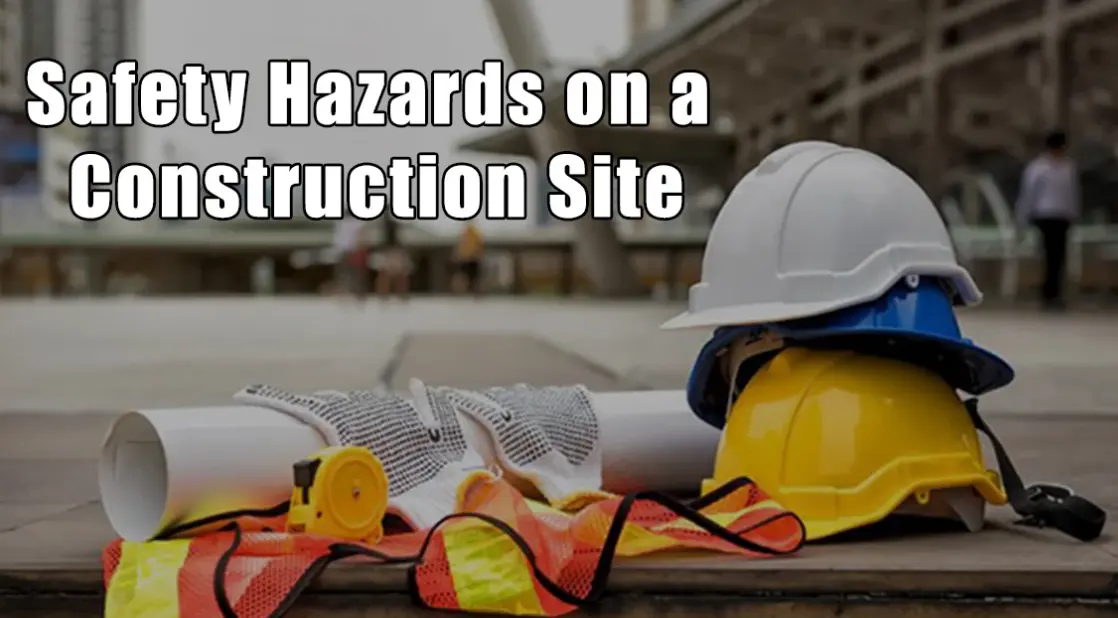
Construction sites are dynamic and high-risk environments where various hazards can lead to serious injuries, illnesses, or fatalities if not properly managed. Common hazards include falls from heights, such as those from scaffolding or roofs, which are a leading cause of death; electrical shocks from exposed wires or faulty equipment; struck-by incidents involving moving vehicles, falling objects, or collapsing structures; caught-in or caught-between hazards with machinery like excavators or trenches; and exposure to harmful substances like dust, chemicals, or asbestos, which can cause respiratory issues or long-term health problems.
To mitigate these risks, safety measures are essential. Workers should always wear appropriate personal protective equipment (PPE), including hard hats, safety harnesses, high-visibility clothing, steel-toed boots, and eye protection. Regular site inspections, hazard assessments, and proper signage help identify and address potential dangers. Training programs on safe work practices, such as using fall protection systems, lockout/tagout procedures for machinery, and safe handling of tools, are critical. Employers must enforce strict protocols, like barricading hazardous areas, maintaining clear walkways, and ensuring machinery is operated by trained personnel. Emergency response plans, including first aid stations and evacuation routes, should be in place. By prioritizing hazard identification, risk control, and ongoing education, construction sites can foster a culture of safety that protects workers and enhances productivity.
Table of Contents
- Part 1: OnlineExamMaker AI Quiz Generator – Save Time and Efforts
- Part 2: 20 Construction Site Hazards Safety Quiz Questions & Answers
- Part 3: AI Question Generator – Automatically Create Questions for Your Next Assessment
Part 1: OnlineExamMaker AI Quiz Generator – Save Time and Efforts
Still spend a lot of time in editing questions for your next Construction Site Hazards Safety assessment? OnlineExamMaker is an AI quiz maker that leverages artificial intelligence to help users create quizzes, tests, and assessments quickly and efficiently. You can start by inputting a topic or specific details into the OnlineExamMaker AI Question Generator, and the AI will generate a set of questions almost instantly. It also offers the option to include answer explanations, which can be short or detailed, helping learners understand their mistakes.
What you may like:
● Automatic grading and insightful reports. Real-time results and interactive feedback for quiz-takers.
● The exams are automatically graded with the results instantly, so that teachers can save time and effort in grading.
● LockDown Browser to restrict browser activity during quizzes to prevent students searching answers on search engines or other software.
● OnlineExamMaker API offers private access for developers to extract your exam data back into your system automatically.
Automatically generate questions using AI
Part 2: 20 Construction Site Hazards Safety Quiz Questions & Answers
or
1. Question: What is the most common cause of fatal injuries on construction sites?
A) Electrocution
B) Falls from heights
C) Struck by falling objects
D) Trench collapses
Answer: B) Falls from heights
Explanation: Falls from heights account for the majority of construction fatalities due to inadequate guardrails, unstable ladders, or lack of fall protection equipment.
2. Question: Which personal protective equipment (PPE) is essential for eye protection on a construction site?
A) Hard hat
B) Safety glasses or goggles
C) Steel-toed boots
D) Earplugs
Answer: B) Safety glasses or goggles
Explanation: Safety glasses or goggles protect the eyes from flying debris, dust, and chemical splashes, reducing the risk of eye injuries.
3. Question: What hazard is primarily associated with working in excavations?
A) Electrical shock
B) Cave-ins or trench collapses
C) Noise exposure
D) Heat exhaustion
Answer: B) Cave-ins or trench collapses
Explanation: Unstable soil in excavations can lead to cave-ins, which can bury workers and cause suffocation or crushing injuries.
4. Question: Which of the following is a key risk when operating heavy machinery on site?
A) Overheating
B) Being struck by or caught in moving parts
C) Slippery floors
D) Poor lighting
Answer: B) Being struck by or caught in moving parts
Explanation: Heavy machinery can cause severe injuries if operators or nearby workers are hit by moving components, emphasizing the need for safe zones and training.
5. Question: What is the main danger of working with live electrical wires?
A) Fire hazards
B) Electrocution
C) Noise pollution
D) Vibration injuries
Answer: B) Electrocution
Explanation: Contact with live wires can cause electric shock, leading to burns, heart failure, or death, which is why proper insulation and lockout/tagout procedures are critical.
6. Question: Which factor contributes most to slips, trips, and falls on construction sites?
A) Uneven surfaces or debris
B) High winds
C) Chemical exposure
D) Overhead power lines
Answer: A) Uneven surfaces or debris
Explanation: Cluttered walkways and uneven ground create tripping hazards, making it essential to maintain clear paths and use proper signage.
7. Question: What is a primary hazard when handling hazardous materials?
A) Ergonomic strain
B) Chemical burns or inhalation
C) Excessive noise
D) Falling tools
Answer: B) Chemical burns or inhalation
Explanation: Hazardous materials can cause skin irritation, respiratory issues, or poisoning if not handled with appropriate gloves, masks, and ventilation.
8. Question: Which safety measure is required for working at heights above 6 feet?
A) Wearing a reflective vest
B) Using fall arrest systems
C) Keeping the area well-lit
D) Drinking plenty of water
Answer: B) Using fall arrest systems
Explanation: Fall arrest systems, like harnesses and lanyards, prevent falls from becoming fatal by stopping the worker mid-fall and reducing impact.
9. Question: What risk is associated with poor ventilation in confined spaces?
A) Slips and falls
B) Asphyxiation or toxic gas buildup
C) Electrical fires
D) Machinery malfunctions
Answer: B) Asphyxiation or toxic gas buildup
Explanation: Confined spaces can trap harmful gases, leading to oxygen deficiency and poisoning, necessitating proper ventilation and gas monitoring.
10. Question: Which hazard is linked to prolonged exposure to loud equipment?
A) Hearing loss
B) Skin rashes
C) Bone fractures
D) Eye strain
Answer: A) Hearing loss
Explanation: High noise levels from tools and machinery can damage hearing over time, which is why ear protection and noise limits are enforced.
11. Question: What is the greatest danger when working near overhead power lines?
A) Tripping over cables
B) Electrical contact or arcing
C) Dust inhalation
D) Heat stress
Answer: B) Electrical contact or arcing
Explanation: Accidental contact with power lines can cause electrocution or explosions, requiring safe distances and insulated tools.
12. Question: Which practice helps prevent struck-by hazards from moving vehicles?
A) Using hand signals
B) Wearing high-visibility clothing
C) Regular equipment maintenance
D) All of the above
Answer: D) All of the above
Explanation: Hand signals, high-visibility clothing, and maintenance reduce the risk of workers being hit by vehicles through better communication and visibility.
13. Question: What hazard arises from improper lifting techniques?
A) Back injuries
B) Electrical shocks
C) Falls from ladders
D) Chemical exposure
Answer: A) Back injuries
Explanation: Lifting heavy loads without proper form can strain muscles and cause spinal injuries, highlighting the need for training and mechanical aids.
14. Question: Which fire hazard is common in construction sites with welding?
A) Flammable materials ignition
B) Water damage
C) Noise disturbances
D) Vibration fatigue
Answer: A) Flammable materials ignition
Explanation: Sparks from welding can ignite nearby combustible materials, making fire extinguishers and spark screens necessary.
15. Question: What is a key risk when working in extreme weather conditions?
A) Hypothermia or heat stroke
B) Tool theft
C) Poor morale
D) Traffic delays
Answer: A) Hypothermia or heat stroke
Explanation: Extreme temperatures can lead to heat-related illnesses or cold exposure, requiring hydration, breaks, and appropriate clothing.
16. Question: Which safety protocol is essential for scaffold use?
A) Regular inspections
B) Using it without guardrails
C) Storing tools on it loosely
D) Working alone
Answer: A) Regular inspections
Explanation: Scaffolds must be inspected to ensure stability and prevent collapses, which can result from poor assembly or overloading.
17. Question: What hazard is associated with unguarded machinery?
A) Entanglement in moving parts
B) Slippery surfaces
C) Overhead obstacles
D) Dust accumulation
Answer: A) Entanglement in moving parts
Explanation: Exposed gears or belts can catch clothing or body parts, causing amputations or fractures, so guards must be in place.
18. Question: Which measure prevents respiratory hazards from dust?
A) Wearing respirators
B) Increasing site traffic
C) Using open flames
D) Ignoring wind direction
Answer: A) Wearing respirators
Explanation: Respirators filter out harmful dust particles, protecting lungs from diseases like silicosis in dusty environments.
19. Question: What is a major risk when using ladders on site?
A) Overreaching and losing balance
B) Excessive talking
C) Bright sunlight
D) Low humidity
Answer: A) Overreaching and losing balance
Explanation: Extending too far on a ladder can cause it to tip, leading to falls, so users should maintain three points of contact.
20. Question: Which hazard is reduced by proper signage and barricades?
A) Unauthorized access to dangerous areas
B) Equipment breakdowns
C) Material shortages
D) Scheduling conflicts
Answer: A) Unauthorized access to dangerous areas
Explanation: Signage and barricades alert workers to hazards like excavations or live wires, preventing accidents from entry into restricted zones.
or
Part 3: AI Question Generator – Automatically Create Questions for Your Next Assessment
Automatically generate questions using AI